Cute animal videos can inspire real affection for wildlife. The problem begins when demand for touching, owning, dressing, photographing, or repeatedly handling wild animals becomes more important than what those animals actually need.
Several well-documented wildlife trends show how apparently harmless entertainment can encourage captivity, illegal trade, stressful interactions, and businesses built around constant access to wild species.
Slow Loris Videos

Slow lorises became internet celebrities through videos showing people tickling, feeding, or handling them as if they were unusual pets. Conservation researchers warned that this visibility could encourage demand for ownership rather than teaching viewers that lorises are protected wild primates.
The cute appearance hides serious biology. Slow lorises possess a toxic bite, and individuals entering the illegal pet trade may have teeth removed to make handling easier, causing severe welfare problems. A viral clip can therefore present an animal as cuddly while concealing the cruelty required to make repeated close contact possible.
Pet Otter Cafes

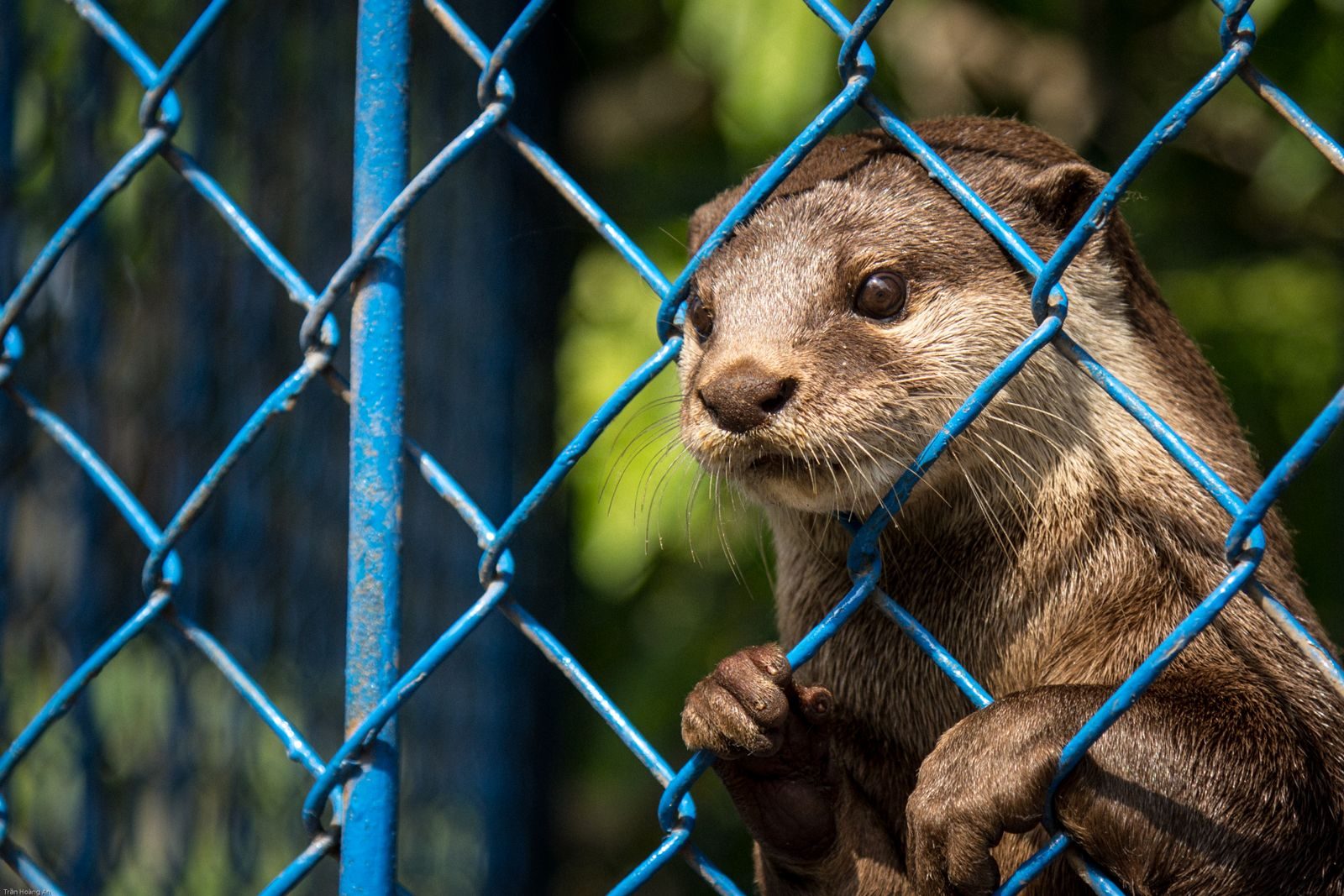
Otters have become popular on social media because of their expressive faces, playful movements, and vocal behavior. In parts of Asia, that popularity has been linked with pet ownership and attractions where customers can closely interact with captive otters.
World Animal Protection investigations documented serious welfare concerns in some otter cafés, including cramped housing, insufficient access to water, inappropriate environments, and animals showing abnormal behavior. Researchers have also warned that online popularity can stimulate demand for exotic pets. An animal looking adorable in a short clip reveals almost nothing about whether its long-term biological needs are being met.
Wildlife Selfies

Wildlife selfies can create pressure to move closer than animals would naturally permit. In some tourism businesses, animals are restrained, habituated, handled repeatedly, or positioned so visitors can reliably produce the photograph they came to collect.
The problem is not every photograph of wildlife. Images taken from respectful distances can support education and conservation. Harm begins when physical contact or disturbance becomes part of the product. Social media can then reward the most intimate-looking encounters, encouraging other travelers to expect the same access rather than recognizing that ethical wildlife viewing usually involves leaving animals alone.
Baby Wild Animals

Young animals are especially powerful marketing tools because large eyes, rounded faces, small bodies, and clumsy movement readily trigger human caregiving responses. Businesses can exploit that reaction by advertising opportunities to hold, cuddle, feed, or photograph babies.
The welfare problem is that wild infants grow. Repeated handling may also require separation, restraint, artificial breeding, or living arrangements designed around customer access rather than normal development. A photograph captures only the appealing minutes of an encounter; it does not show where the animal came from, what happens after it matures, or whether the experience supports conservation.
Wild Animals as Pets
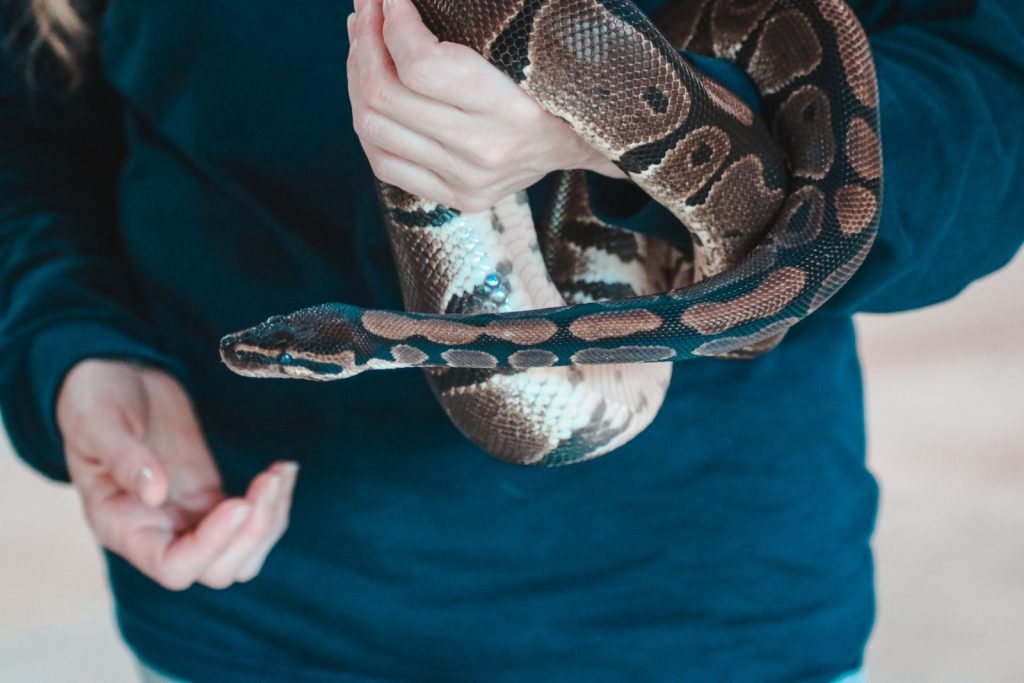
Social-media accounts can make exotic pets appear easier to keep than they really are. A short video rarely shows specialized diets, destructive behavior, veterinary problems, scent marking, social needs, legal restrictions, or the difficulties that emerge when a wild animal reaches adulthood.
That gap between appearance and reality can drive poor purchasing decisions. Slow lorises and otters are particularly well-documented examples in which online popularity has intersected with pet demand. Loving an animal should not mean assuming human companionship replaces the habitat, social structure, and behavior the species evolved to require.
Cute Animal Handling

A wild animal remaining still during handling is not proof that it enjoys the interaction. Freezing, restraint, habituation, exhaustion, fear, or learned tolerance can all produce behavior that viewers interpret as calm.
This is especially important because human expressions are poor guides to another species’ internal state. A smiling tourist and a motionless animal may create an appealing photograph while telling viewers almost nothing about welfare. Ethical evaluation should instead ask whether the interaction allows choice, natural behavior, appropriate social conditions, adequate rest, and the ability to move away from people when the animal wants distance.
Viral Animal Content

Online platforms reward content that stops people scrolling, and unusual human-wildlife intimacy does that extremely well. A person cuddling a wild primate or keeping an otter in a living room may therefore receive far more attention than footage showing the same species behaving naturally at a distance.
That creates a distorted picture of what good animal care looks like. Research into wildlife content has found both conservation opportunities and serious risks, including normalization of exotic pets. Viewers can reduce that incentive by avoiding engagement with accounts that appear to encourage illegal ownership, forced handling, or obviously inappropriate treatment.
Ethical Wildlife Watching

Responsible wildlife appreciation usually requires less interaction, not more. Watching from suitable distance, choosing reputable conservation organizations, avoiding venues built around constant touching, and refusing to buy wild animals can protect the very creatures people find appealing.
Cute animals do not need to stop being cute for humans to care about welfare. The healthier shift is recognizing that affection does not create entitlement to physical access. A loris, otter, sloth, primate, or big cat can inspire admiration without being held for a photograph. Sometimes the kindest encounter is the one in which the animal barely notices us.
Featured Image: Photo by Andre Tran on Pexels