The original title does not identify the island, person, or crab species, so presenting a specific survival hunt as fact would require details that cannot be verified.
Coconut crabs are a genuine example of enormous island-dwelling land crabs sometimes featured in survival content. Their size, strength, ecology, and conservation concerns make the real animal more interesting than an invented stranded-island story.
Coconut Crab

The coconut crab, Birgus latro, is the largest terrestrial arthropod living today. Adults inhabit tropical islands across parts of the Indian and Pacific oceans and spend most of their mature lives on land rather than in the sea.
Despite the name, coconuts are only part of a much broader diet. These crabs are powerful omnivores and scavengers. Their extraordinary size develops slowly, making large adults especially valuable to local populations and particularly vulnerable when harvesting pressure becomes intense.
Giant Crab Claw
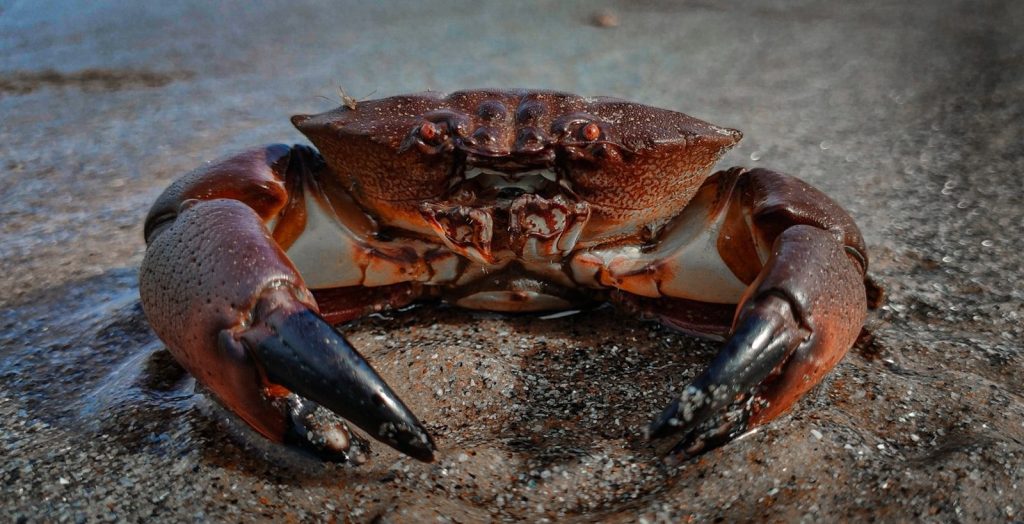
A coconut crab’s claws are exceptionally strong. Researchers directly measured pinch forces and recorded a maximum of 1,765 newtons among tested animals, with larger crabs generally producing stronger forces than smaller ones.
That strength helps the crab manipulate hard foods, climb, defend itself, and handle objects in its environment. It also means a large animal should not be treated casually. A survival video showing someone grabbing one bare-handed may create drama, but it is not a sensible model for wildlife handling.
Coconut Crab Burrow

Coconut crabs use burrows, rock crevices, and other sheltered places to escape heat and conserve moisture. Their terrestrial lifestyle still depends on keeping their respiratory surfaces sufficiently moist, so shade and suitable humidity remain important.
During hot daylight hours, a crab hidden beneath vegetation or inside a burrow can be difficult to notice. That makes island habitat itself important to survival. Removing vegetation, development, and heavy harvesting can affect the places these slow-growing animals use for shelter as well as their numbers.
Night Foraging

Coconut crabs are often most active at night, when cooler temperatures reduce the risk of drying out. They can travel across the forest floor searching for fallen fruit, seeds, carrion, and other food.
Their ability to climb has helped create the famous image of a giant crab reaching coconuts in trees, but they do not survive on coconuts alone. Nighttime activity also means people may live near these large animals without seeing them regularly until darkness brings them out to forage.
Coconut Crab Diet
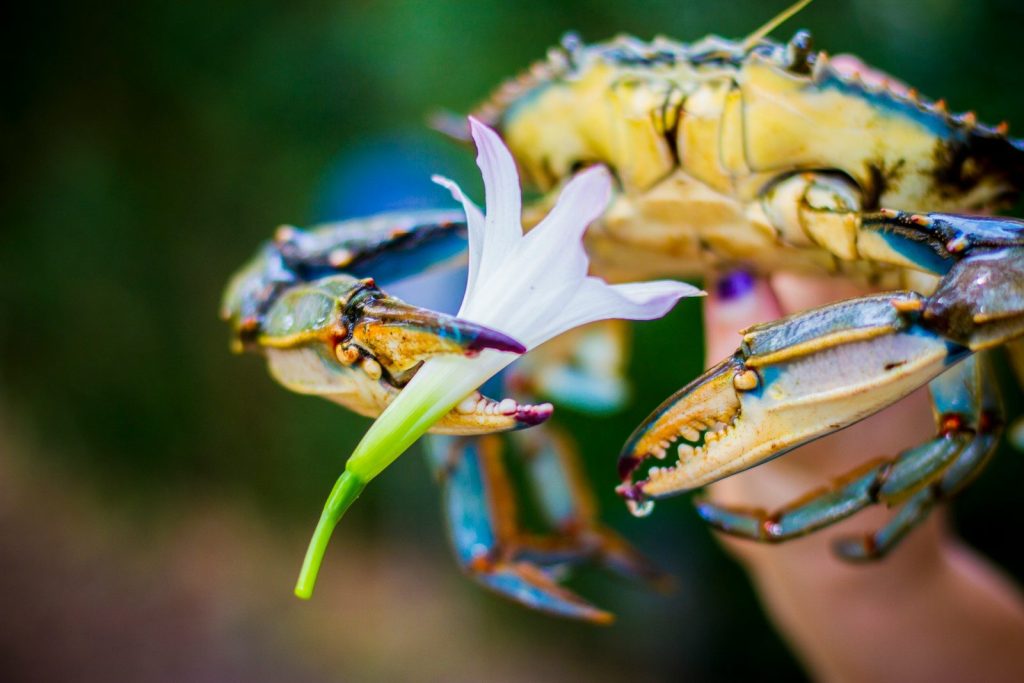
Natural History Museum material describes coconut crabs eating fruits and seeds as well as animal matter. Researchers have also documented them scavenging carcasses and taking vertebrate prey, including seabirds and small mammals under some circumstances.
That flexibility is useful on islands, where individual food sources can be seasonal or unpredictable. It also explains why the crab’s powerful claws have several functions rather than being specialized only for cracking coconuts. These animals are opportunistic feeders able to use whatever suitable resources their habitat provides.
Life on Land

Coconut crab larvae begin life in the ocean, but juveniles eventually move onto land and transform into strongly terrestrial animals. Adults are so adapted to breathing air that they cannot simply return to a fully aquatic lifestyle.
This unusual life cycle ties the species to both healthy coastal waters and suitable island habitat. A population can therefore be affected by pressures at different stages of life. “Giant land crab” describes the adult accurately, but the species still begins with an important marine phase.
Island Crab Harvesting

People traditionally harvest coconut crabs for food in several parts of their range. Because large adults can take years to reach impressive sizes, heavy harvest can remove reproductive animals faster than populations can replace them.
Management therefore differs from island to island. Some places use size limits, protected areas, seasonal restrictions, or other rules to conserve local populations. A person watching survival entertainment should never assume that catching a coconut crab is automatically legal simply because the animal appears abundant in the video.
Real Island Survival

Finding a large edible animal would not solve the major problems of being stranded on an island. Safe drinking water, exposure, injury, weather, navigation, signaling rescuers, and avoiding contaminated food remain much more fundamental survival concerns.
A coconut crab can be food where legal and culturally appropriate, but attempting to capture unfamiliar wildlife can also cause injury or conservation harm. Real survival planning prioritizes rescue and basic necessities rather than turning every large wild animal into an improvised meal.
Featured Image: Photo by Mackenzie Cruz on Unsplash