Wolves and grizzly bears really do clash over carcasses in Yellowstone, although the exact first-person incident described by the original title cannot be independently confirmed from the title alone. Competition over food between these predators is well documented.
One especially revealing Yellowstone event occurred in October 2021, when a grizzly followed the Junction Butte wolf pack during an elk hunt and ultimately benefited from the wolves’ work. It showed how complicated predator relationships can become.
Junction Butte Wolf Pack

On October 21, 2021, visitors in Yellowstone’s northern range watched members of the Junction Butte pack pursuing elk near Hellroaring Creek. An adult grizzly was also moving with the hunting wolves, an unusual sight because bears and wolves are normally competitors around large prey. Yellowstone researchers monitor such interactions because both predators use many of the same food resources. The scene did not mean the bear had somehow joined the wolf pack socially; the most practical explanation involved access to food.
Grizzly Following Wolves

Following hunting wolves can offer a grizzly an opportunity to obtain a fresh carcass without successfully bringing down the animal itself. Yellowstone researchers have documented bears repeatedly taking control of wolf kills, a form of food competition known as kleptoparasitism. The strategy is not effortless because keeping up with wolves costs energy, but the reward can be substantial when the pack secures an elk or other large prey animal. This is especially valuable when bears need calorie-rich foods before winter.
Wolves Lose Their Kill

A large grizzly can often force wolves away from a carcass through size and strength alone. Yellowstone observations include bears controlling wolf-killed elk while wolves remained nearby, sometimes darting toward the carcass to grab food whenever an opportunity appeared. Confrontations do not automatically become full fights because serious injury would be costly to both sides. Which species controls the meal can also depend on the bear’s size and the number and experience of wolves present.
Wolf Pack Strength
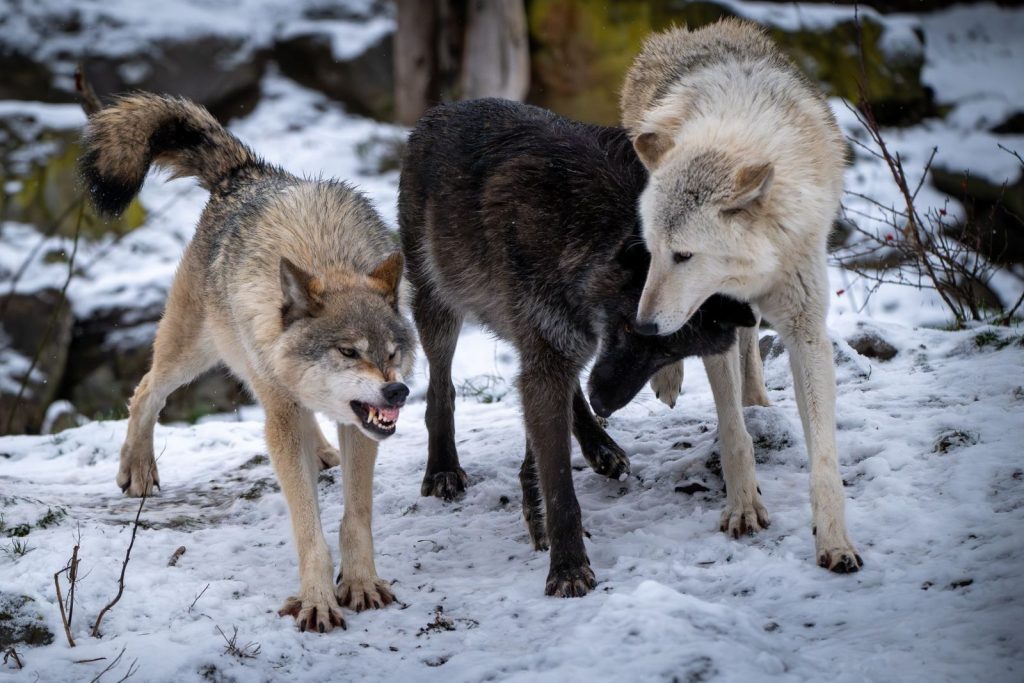
Numbers can change a wolf-versus-bear confrontation. Yellowstone’s Wolf Project has reported that when enough wolves surround a grizzly, they may occasionally regain control of a carcass or create openings that allow individual pack members to feed. A lone wolf has far less leverage against a large bear. This is one advantage of pack living: several wolves can harass or distract a competitor from different directions. Even then, the animals often avoid committing to a dangerous physical battle when food can be shared or revisited later.
Grizzly Bear Advantage
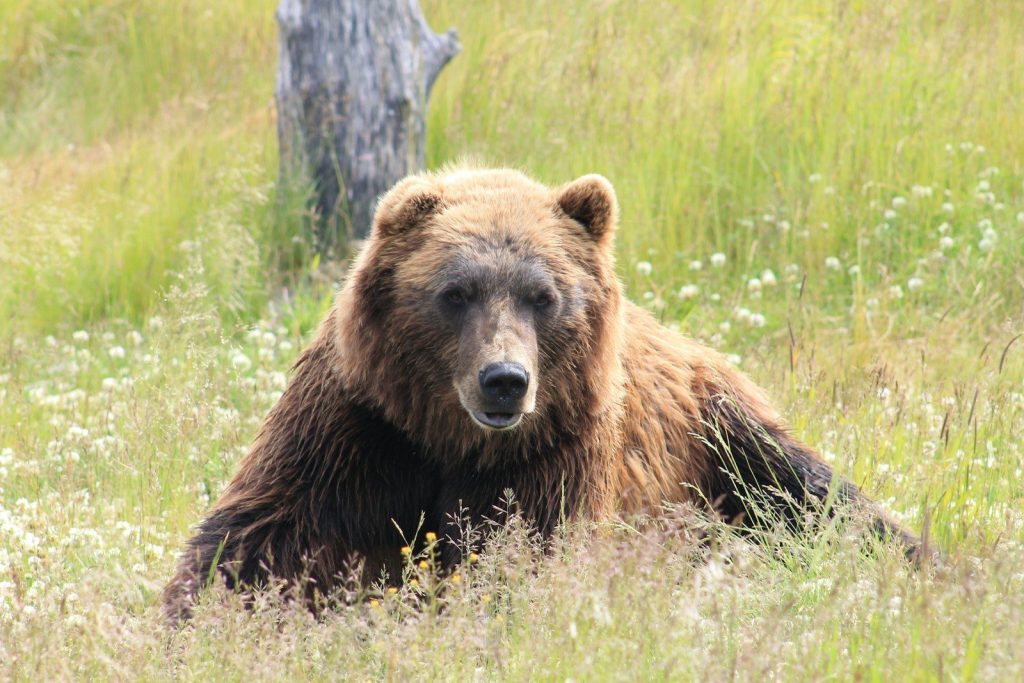
Grizzlies possess a major physical advantage during close contests over food. Yellowstone records include cases where a single large bear stood over an elk carcass while numerous wolves remained nearby but failed to dislodge it. Bears can therefore gain substantial nutrition from animals killed by wolves. Researchers have even observed increased bear use of wolf kills during years when other important foods were less available. Wolves may lose part of a meal, but their hunting ability allows them to seek another opportunity.
Yellowstone Carcasses
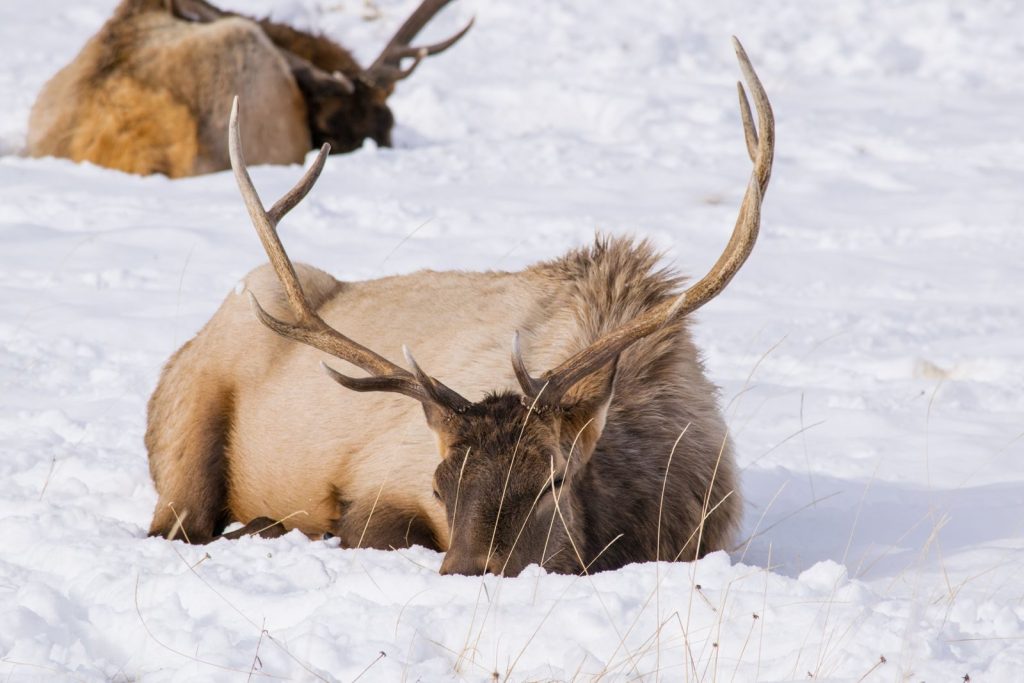
A wolf kill does not feed only wolves and bears. Yellowstone researchers describe carcasses as important food sources for a wide community of scavengers. Ravens are well-known beneficiaries, while eagles and many smaller organisms can also use what predators leave behind. Recent National Park Service material describes large carcasses almost as temporary ecosystems, supporting insects and other scavengers as decomposition continues. One dead elk or bison can therefore transfer energy through far more of the food web than the original predator-prey encounter suggests.
Wolf and Bear Competition
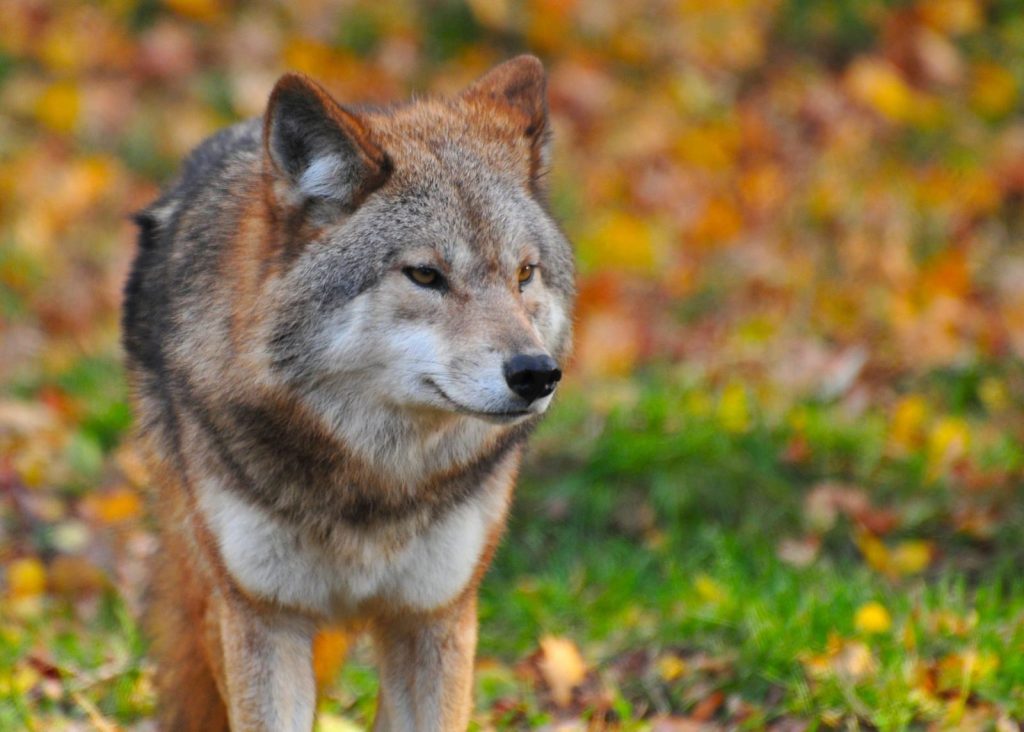
The return of wolves to Yellowstone restored an ecological relationship that had largely disappeared when wolves were eliminated from the park. Scientists now have unusual opportunities to study wolves, grizzlies, cougars, coyotes, and prey species interacting in the same landscape. These relationships are not simply about one predator defeating another. Bears can steal wolf kills, wolves can challenge bears, and both influence where and how other animals feed. Yellowstone describes this multi-predator system as far more complex than a simple food chain.
Safe Yellowstone Viewing

A carcass surrounded by wolves or bears may create an extraordinary wildlife sighting, but visitors must not approach for a closer photograph. Yellowstone requires people to remain at least 100 yards from wolves and bears, and officials may establish additional restrictions around roadside kills. Food can intensify competition and defensive behavior, making carcass sites poor places to test how tolerant a predator appears. Watching with binoculars or a spotting scope from the required distance protects both visitors and animals.
Featured Image: Photo by Leon Aschemann on Pexels