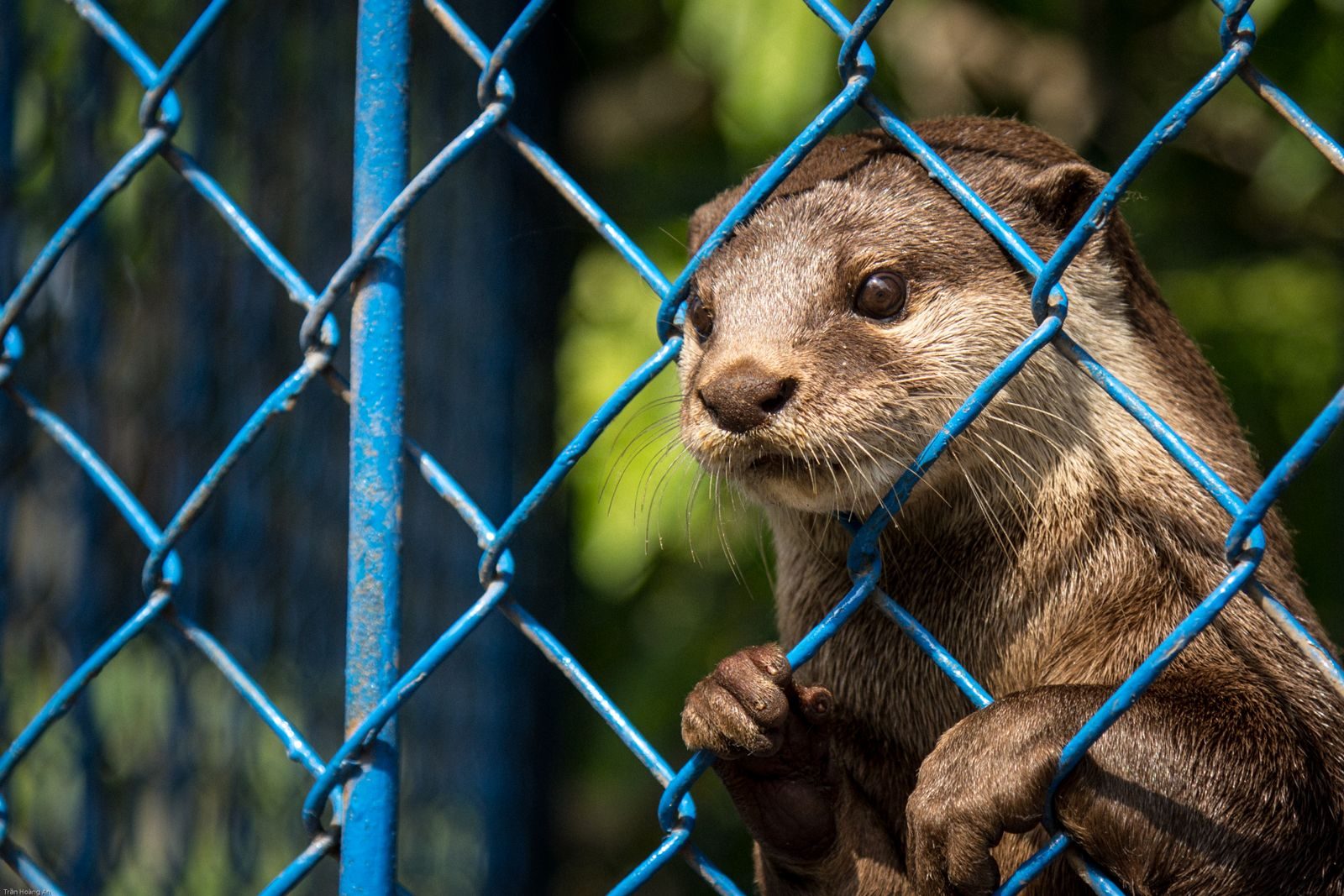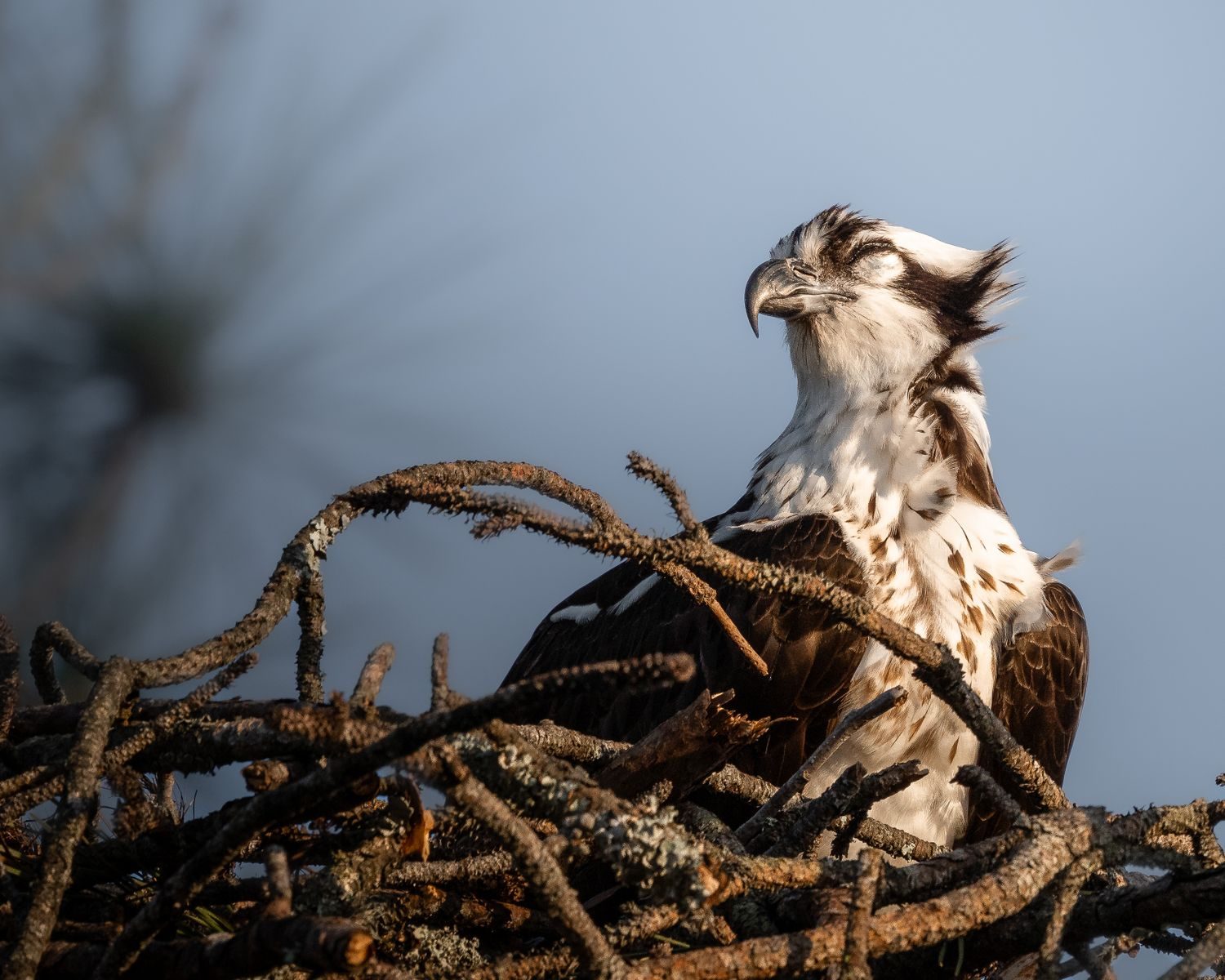
A release video may look like an animal is “discovering freedom,” but footage cannot prove exactly how that animal understands the moment. Some rescued animals are also returning to habitats they knew before rehabilitation.
Wildlife release is better understood through observable milestones: health, natural behavior, survival skills, suitable habitat, careful transport, and monitoring after the enclosure door opens.
Orangutan Forest School

Orphaned orangutans rescued from the wildlife trade or other emergencies may need years of rehabilitation before release becomes realistic. Borneo Orangutan Survival programs use forest-school environments where young animals develop climbing, nest-building, food-finding, and other behaviors needed for independent life.
Progress is assessed rather than assumed. Orangutans may later move to pre-release islands where they can practice living with less human support before specialists decide whether they are suitable candidates for return to protected forest. Release is therefore the final stage of a long preparation process, not simply opening a cage.
Sea Turtle Release

Rehabilitated sea turtles are commonly returned to the ocean after veterinarians determine that injuries, illness, cold stunning, or other problems have been resolved sufficiently for release. NOAA-supported programs have documented groups of recovered turtles returning to suitable coastal waters.
The release may last only seconds on video, but it follows medical treatment, monitoring, and decisions about appropriate location and conditions. A turtle crawling or swimming away shows that it has physically left human care; it does not prove a human emotion such as gratitude or excitement. The conservation goal is simply successful return to normal wild life.
Black-Footed Ferret Release

Black-footed ferrets came frighteningly close to extinction, making captive breeding and reintroduction central to their recovery. Before release, young ferrets can be placed in preconditioning environments that expose them to conditions more similar to prairie-dog habitat.
U.S. Fish and Wildlife Service research found that preconditioned animals survived better after release than ferrets lacking that preparation. That result shows why “freedom” alone is not enough. A released predator still needs the behavior and experience required to find shelter, capture prey, avoid danger, and function in the ecological community where conservationists place it.
Sun Bear Rehabilitation
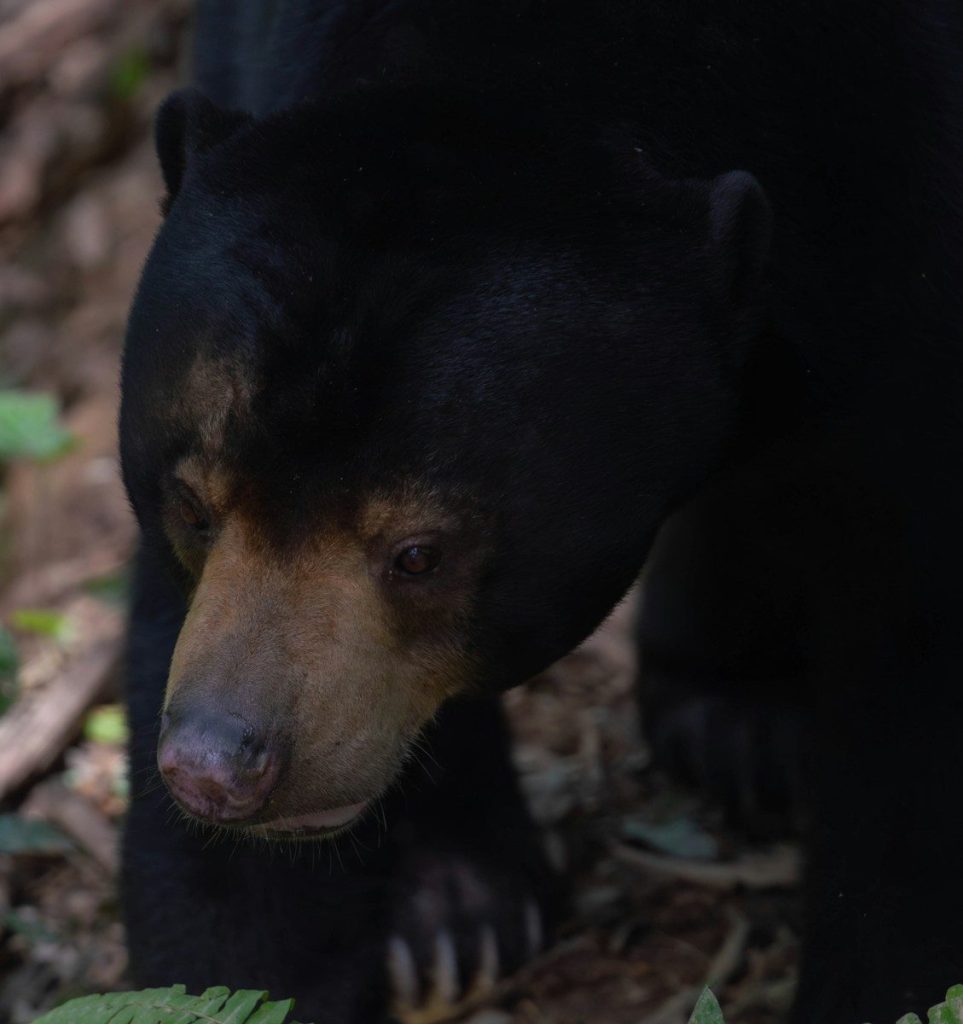
Sun bears rescued from illegal trade may arrive with little opportunity to practice normal forest behavior. Rehabilitation programs provide space for climbing, digging, foraging, nest-building, and reduced dependence on people when eventual release remains possible.
In September 2025, IFAW documented the return of a rehabilitated sun bear named Mano to the wild after more than a year of rescue and preparation. The important story is not that handlers knew exactly what the bear felt. It is that specialists considered the animal ready to function outside captivity after developing the health and behavior required for release.
Wildlife Health Check

Before release, rehabilitators must consider whether an animal is physically capable of surviving without continuing treatment. Depending on the species and case, that can mean evaluating wounds, movement, body condition, infectious disease concerns, feeding ability, and other medical factors.
An animal that looks energetic in a short clip may still be unsuitable for release. Conversely, a calm animal is not necessarily unhealthy. Professional assessments use species-specific criteria rather than the emotional impression created by a video. Medical clearance is one reason legitimate wildlife rehabilitation can take weeks, months, or even years before release becomes appropriate.
Wildlife Release Habitat

A healthy animal cannot simply be released anywhere that looks natural. The site must provide suitable habitat, food, shelter, acceptable risk, and legal conservation conditions for that particular species.
For orangutans, for example, release programs evaluate protected forest and the animal’s ability to live independently within it. Sea turtles are returned to appropriate marine environments, while black-footed ferrets need prairie-dog ecosystems. Matching an animal to suitable habitat is therefore just as important as opening the transport crate. A poorly chosen release site can undermine months of otherwise successful rehabilitation.
Post-Release Tracking

Release is not necessarily the end of the rescue story. Conservation programs may use radio transmitters, field observers, nests, tracks, sightings, or other methods to determine whether animals survive, disperse, find food, and adapt after returning to the wild.
Borneo orangutan programs, for example, conduct post-release monitoring rather than assuming success the moment an animal disappears into the forest. Those data help teams identify problems and improve future rehabilitation. A dramatic release clip provides an emotional ending for viewers, but conservationists need evidence gathered long afterward before they can judge whether the return actually worked.
Wildlife Sanctuary

Some rescued animals never return to the wild. Permanent injuries, habituation to humans, lack of essential survival skills, disease considerations, or other limitations can make release unsafe for the animal or surrounding wildlife.
Responsible sanctuaries therefore sometimes provide lifelong care instead of staging a release simply because it would make a powerful video. Borneo Orangutan Survival specifically maintains sanctuary options for orangutans that cannot meet release criteria. In those cases, remaining in protected human care is not a conservation failure; it may be the most humane outcome available for that individual.