Skip to content

Recent Posts

  • Baby Elephant Linh Mai Takes Her First Steps
  • Why a Kangaroo May Challenge a Human
  • How Electric Eels Shock and Control Their Prey
  • How Giraffes Escape Attacks From Lions
  • How Orcas Turn Great White Sharks Into Prey

Most Used Categories

  • Nature & Wildlife (720)
  • Risk (68)
  • Human Interest (51)
  • Hunting (24)
  • Exotic Animals (24)
  • Survival (23)
  • Bees/Swarms fear (21)
  • Suspense (18)
  • Adventure (3)
  • Gears (2)
Skip to content
  • About Us
  • Contact Us
  • Disclaimer
  • Privacy Policy
  • Terms & Conditions

Hive Hunters Tales

  • Suspense
  • Nature & Wildlife
  • Human Interest
  • Hunting
  • Bees/Swarms fear
  • Exotic Animals
  • Risk
  • Survival
  • Adventure
  • Gears
  • Home
  • Human Interest
  • Baby Elephant Linh Mai Takes Her First Steps
gray elephant with calf standing on ground at daytime

Baby Elephant Linh Mai Takes Her First Steps

JakeAugust 11, 2026August 10, 2026

On February 2, 2026, Smithsonian’s National Zoo welcomed its first Asian elephant calf in nearly 25 years. The female calf, later named Linh Mai, was born to first-time mother Nhi Linh.

She initially needed padded support to stand during her neonatal examination. Within five hours, she was walking independently.

Linh Mai Arrived Overnight

Mother and calf Asian elephants playing in Munich zoo, showcasing wildlife behavior.
Photo by Alexas Fotos on Pexels

Nhi Linh gave birth at 1:15 a.m. after a pregnancy lasting approximately 21 months. Asian elephant pregnancies normally last around 18 to 22 months, making them among the longest gestations in the animal kingdom.

She Weighed 308 Pounds

A heartwarming scene of a baby elephant nuzzling up to an adult in the wild, showcasing family bonds.
Photo by Kallie Calitz on Pexels

During her first health examination, the calf weighed 308 pounds, or about 140 kilograms, and measured 38.5 inches tall. Veterinarians examined her heart, lungs, eyes, ears, limbs and blood to confirm that she appeared healthy after birth.

Standing Was Difficult

baby elephant
Photo by Maurits Bausenhart on Unsplash

Like many newborn large mammals, Linh Mai had to coordinate long legs that had never supported her body weight before. Keepers used supportive padded straps during the first examination so she could reach her feet safely without being forced into an unstable position.

The First Steps Followed

elephant walking on brown field during daytime
Photo by Markus Sandhofer on Unsplash

Shortly after standing, she began taking early steps with human support. The movements were unsteady because balance, muscle strength and coordination were still developing. The footage captured a normal but critical transition from life in the womb to independent movement.

Five Hours Changed Everything

A family of African elephants walking in their natural habitat, showcasing maternal care.
Photo by Derek Keats on Pexels

Within five hours of birth, Linh Mai could walk without the padded assistance. Being mobile quickly is important for an elephant calf because it needs to remain close to its mother, find the mammary glands and eventually move with the herd.

Mom Stayed Close

three gray elephants on green grass field during daytime
Photo by David Heiling on Unsplash

Nhi Linh was a first-time mother, but keepers had prepared her through voluntary maternal training. Staff familiarised her with sensations related to nursing and taught positions that could make it easier for the calf to reach her milk.

The Herd Began Teaching

Captivating photo of Asian elephants interacting in a naturalistic zoo environment in Prague.
Photo by Nikola Čedíková on Pexels

Elephants are intensely social animals. In the days following the birth, Linh Mai began interacting with her mother, grandmother Trong Nhi and unrelated adult Bozie. Young elephants learn many social skills by observing and copying older herd members.

A Conservation Birth

five elephants on brown grass
Photo by Larry Li on Unsplash

Asian elephants are endangered, with fewer than 50,000 estimated in the wild according to Smithsonian. Linh Mai’s parents were paired partly because their genetics were not well represented in North American zoo populations, making the calf valuable to long-term managed conservation efforts.

Featured Image: Photo by Hu Chen on Unsplash

Post navigation

Previous: Why a Kangaroo May Challenge a Human

Related Posts

A close-up of a bird being gently petted by a hand while perched on a fence in a natural setting.

Nairobi’s Birdman Gives Injured Birds Another Chance

August 10, 2026August 10, 2026 Jake
A cute baby rhinoceros stands with its parent in a sunlit zoo enclosure, showcasing family bond and wildlife conservation.

Baby Rhino Stays Close During Mom’s Foot Care

August 10, 2026August 10, 2026 Jake
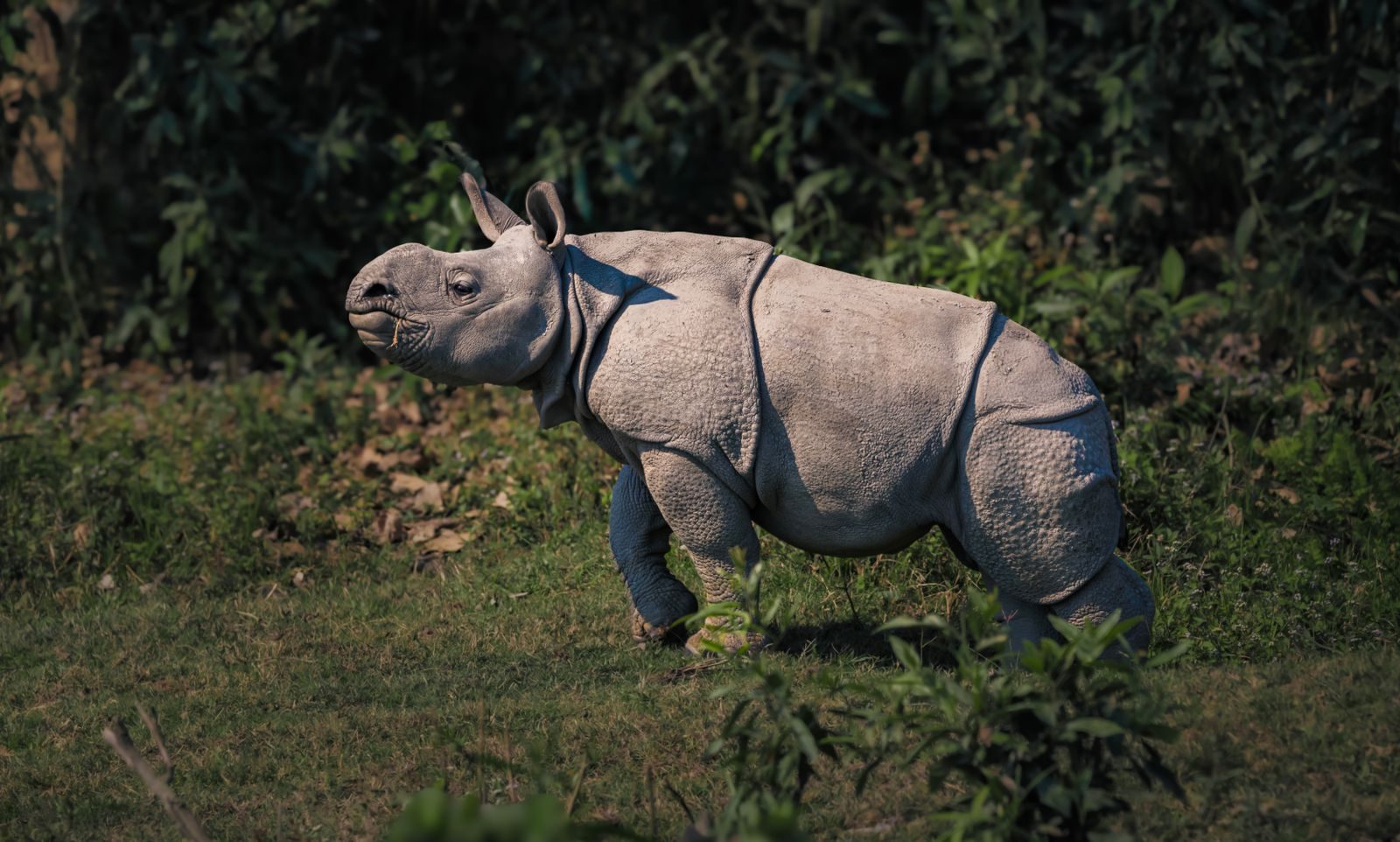
Close-up of a young Indian rhinoceros grazing in its natural habitat during the day.

Baby White Rhino Mick Takes His First Outdoor Steps

August 10, 2026August 9, 2026 Jake

Leave a Reply Cancel reply

Your email address will not be published. Required fields are marked *

Recent Posts

  • Baby Elephant Linh Mai Takes Her First Steps
  • Why a Kangaroo May Challenge a Human
  • How Electric Eels Shock and Control Their Prey
  • How Giraffes Escape Attacks From Lions
  • How Orcas Turn Great White Sharks Into Prey
Copyright All Rights Reserved | Theme: BlockWP by Candid Themes.