The exact encounter described in the original title cannot be confirmed from the wording alone, so there is no reliable basis for inventing the location, individual animals, or outcome.
What is well established is that zebras face predation from lions and other large carnivores. Adults can flee at high speed, use powerful kicks, and position themselves defensively when young animals are threatened.
Zebra Mare and Foal

A newborn zebra is vulnerable, so remaining close to its mother is important during its earliest period of life. Mares recognize and attend to their foals while the young animals learn to follow the herd and respond to movement around them.
Foals become mobile quickly because keeping up with adults is vital in open habitat shared with predators. Their survival does not depend on a mother winning a dramatic fight every time. Early movement, vigilance, herd behavior, and adult defense all contribute to reducing danger.
Lion Threat

Lions prey on zebras throughout parts of Africa where the species overlap. A lion benefits from isolating a vulnerable individual because tackling a healthy adult zebra can be difficult and carries a real risk of injury.
Young zebras can therefore become attractive targets, but a hunt is never guaranteed to succeed. Predators must approach close enough to launch an attack while prey animals continuously watch, listen, and react. A failed approach costs the lion energy and may leave it facing defensive adults.
Powerful Zebra Kick
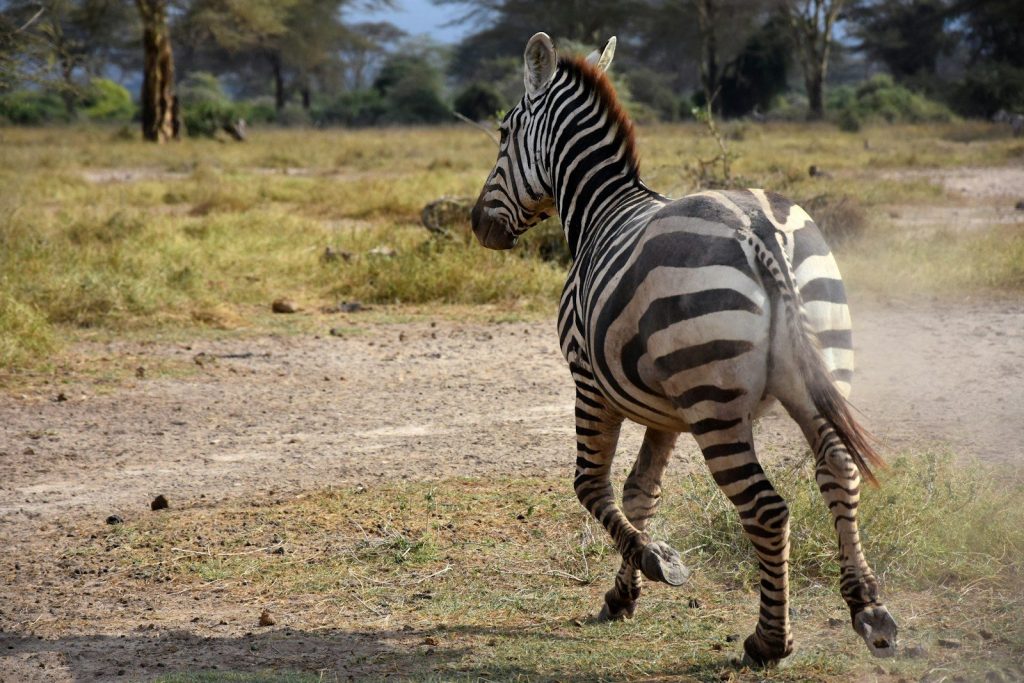
A zebra’s hind legs provide a formidable defense. San Diego Zoo Wildlife Alliance notes that a well-placed kick can seriously injure a predator such as a lion or hyena, making close pursuit more dangerous than it may appear.
The kick is defensive equipment rather than proof that zebras routinely defeat lions. Timing and position matter enormously. A zebra that can keep its hindquarters directed toward a nearby attacker may discourage approach, while a predator reaching the neck or bringing an animal down changes the balance quickly.
Fast Zebra Foal

Zebra foals develop mobility rapidly because their environment rewards animals capable of moving with the herd. Staying near adults gives a young zebra access to greater vigilance and makes it harder for predators to isolate one individual.
Running is generally safer than remaining for a prolonged fight. When escape is possible, adults and young can move away together rather than intentionally confronting a lion. Defensive contact becomes more likely when a predator gets close enough that retreat alone no longer protects the vulnerable foal.
Zebra Stallion

In family groups, an adult stallion can play an important defensive role. San Diego Zoo describes stallions remaining toward the rear while mares and foals flee, placing the male between the family and a pursuing threat.
This does not mean every lion encounter follows one fixed formation. Animal behavior changes with terrain, herd composition, predator numbers, and the direction of an attack. Still, the ability of a powerful adult to confront or delay pursuit can create valuable time for younger animals to escape.
Zebra Eyes and Ears
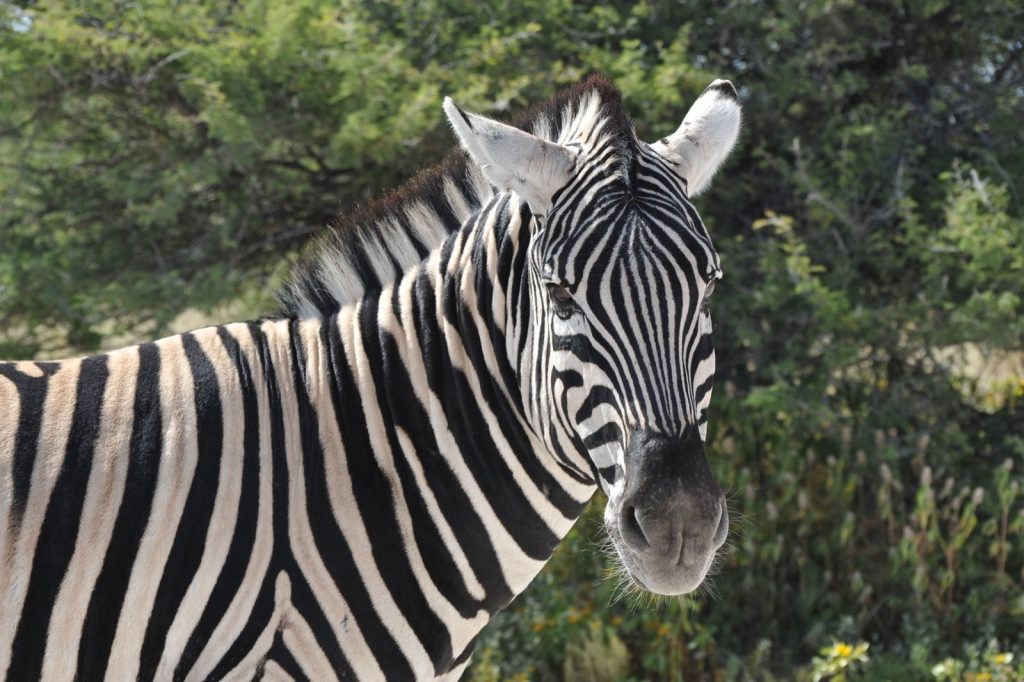
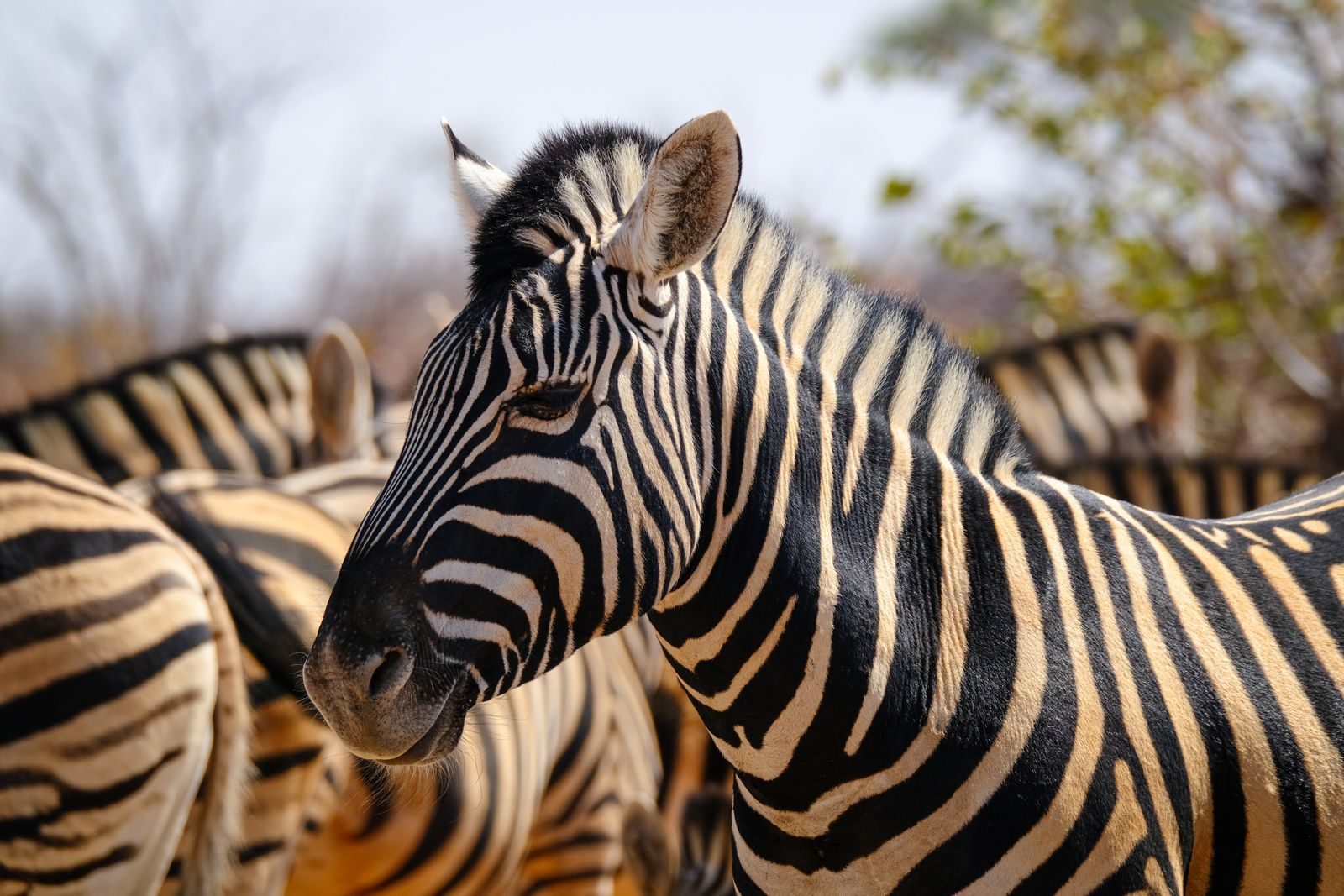
Zebras have large eyes and mobile ears that help them monitor their surroundings. Detecting a predator before it reaches striking distance can be more valuable than any kick because early warning gives the herd time to start moving.
Multiple animals also mean multiple sets of eyes and ears. A group does not make zebras invulnerable, but collective vigilance can increase the chance that someone detects suspicious movement. Predators consequently rely heavily on concealment and positioning when approaching a herd.
Escape Before Fighting

Most prey animals benefit from avoiding injuries. Even if a zebra survives a confrontation, a broken leg or deep wound can later prevent it from feeding, keeping up with the herd, or escaping another predator.
That makes escape the more economical defense whenever space allows it. Kicking, biting, and confronting a lion become important when the predator has already closed the distance. Describing the zebra as “brave” may feel natural, but science can more safely describe the observable defensive behavior itself.
No Guaranteed Outcome

A zebra defending a foal can sometimes drive a predator away, while another encounter may end with the lion making a successful kill. Wildlife footage captures one outcome, not a universal rule about which animal always wins.
Age, health, surprise, terrain, the number of lions, herd position, and the predator’s chosen target can all alter the result. The most accurate lesson is that zebras are not helpless prey: they have speed, senses, social behavior, and powerful defensive weapons that predators must overcome.
Featured Image: Photo by Francesco Ungaro on Pexels