There is no official scientific ranking of North America’s “most endangered” animals. Conservation systems assess individual species using legal status, extinction risk, population trends, geographic range, and threats rather than producing one universal top-eight list.
These animals were selected because current government assessments show exceptionally small populations, severe ongoing threats, or continued dependence on intensive recovery work.
Vaquita

The vaquita is a tiny porpoise found only in Mexico’s northern Gulf of California. NOAA currently describes it as the world’s most endangered marine mammal and says as few as roughly ten animals remain.
Its main threat is drowning in gillnets, particularly illegal nets associated with the totoaba fishery. The species has an extremely restricted range, so protecting its remaining habitat from dangerous fishing gear is central to preventing extinction. There is no captive population available to replace it.
Red Wolf

The red wolf once ranged across much of the southeastern United States but now survives in the wild primarily through an intensive recovery program in eastern North Carolina. The U.S. Fish and Wildlife Service continues to classify it as endangered.
In July 2026, federal estimates listed roughly 23–24 adult and subadult wild red wolves plus 12–16 pups. Hundreds more remain in managed conservation breeding facilities. Recovery therefore depends on both protecting the small wild population and maintaining the captive population supporting reintroductions.
North Atlantic Right Whale

North Atlantic right whales are among the most endangered large whales. NOAA’s latest estimate places the population at roughly 380 animals, including only about 70 reproductively active females capable of contributing calves to future generations.
Entanglement in fishing gear and collisions with vessels remain major causes of serious injury and death. Slow reproduction makes each adult female particularly important. Even when the total population rises slightly, losing breeding females can greatly slow long-term recovery.
Whooping Crane
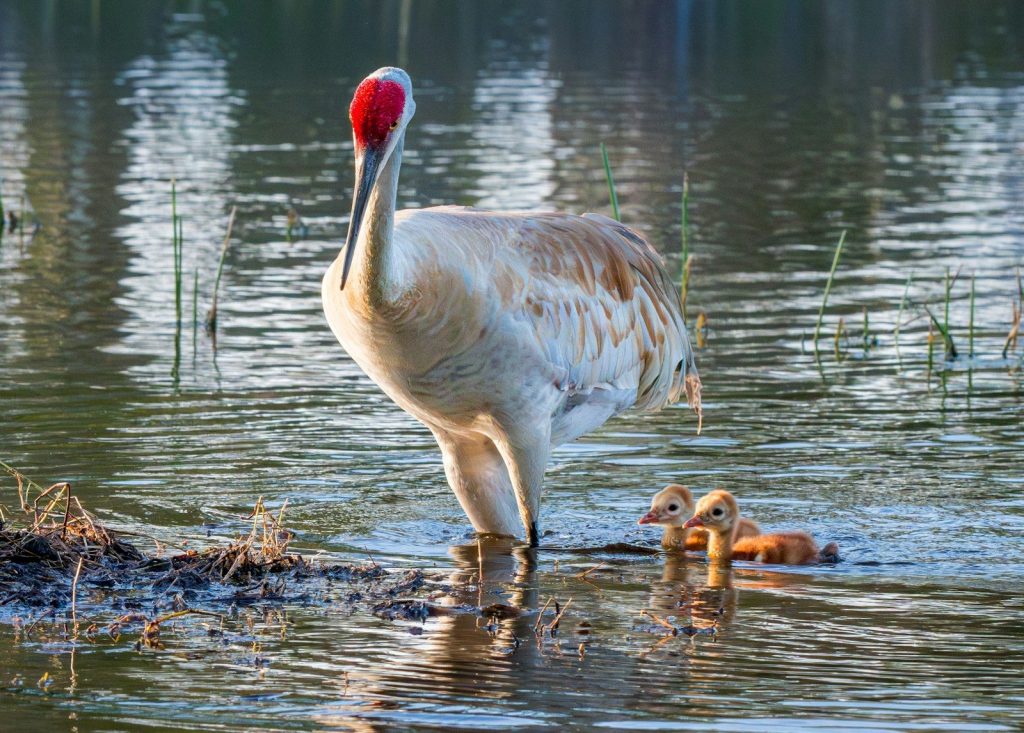
The whooping crane was reduced to only a few dozen birds during the twentieth century. Protection, habitat conservation, captive breeding, and reintroduction have produced an extraordinary recovery, but the species remains federally endangered.
During the 2025–2026 winter, the main Aransas-Wood Buffalo population was estimated at about 540 cranes, including at least 57 juveniles. That is far better than the historic low, yet a single major population concentrated along a migration corridor remains vulnerable to habitat loss, weather, and other threats.
California Condor
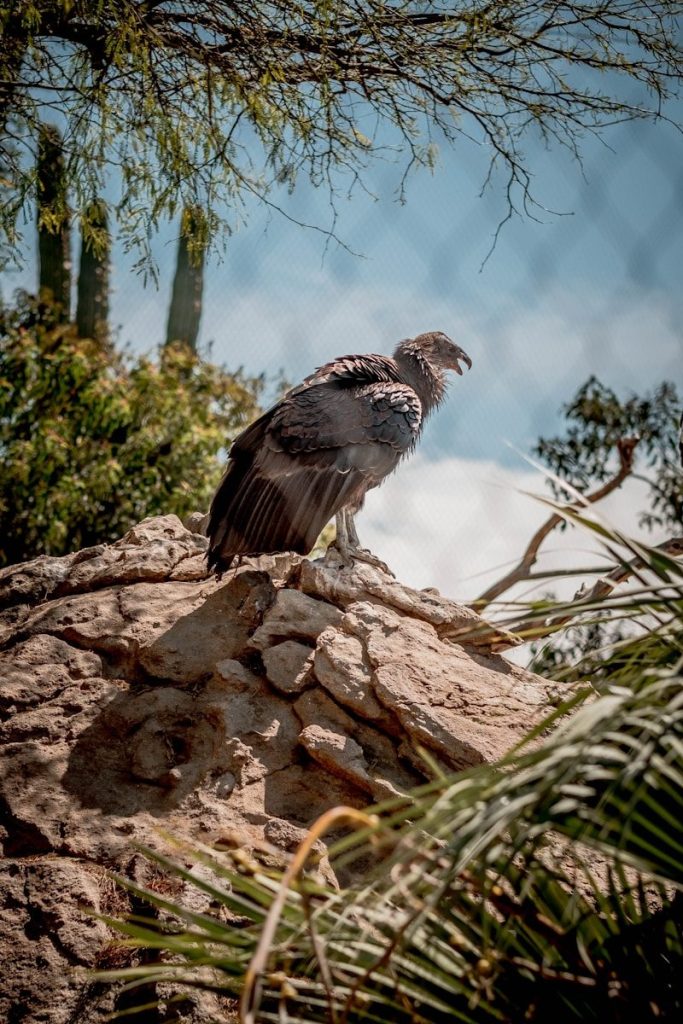
California condors once disappeared from the wild entirely before captive breeding made reintroduction possible. Today more than 500 condors exist in wild and captive populations combined, but the species remains endangered and still requires intensive management.
Lead poisoning from fragments of ammunition in scavenged carcasses remains a major threat. Condors are long-lived birds that reproduce slowly, so repeated adult deaths can erase years of recovery progress. Their continued existence is one of conservation’s greatest successes and one of its ongoing challenges.
Florida Panther

The Florida panther is an endangered population of puma surviving mainly in southern Florida. Its numbers have increased dramatically from the extremely low levels recorded during the twentieth century, but its restricted range leaves the population vulnerable.
Vehicle collisions are a recurring source of mortality, while habitat loss and fragmentation restrict where panthers can establish territories. Expanding and connecting suitable habitat is therefore critical. Recovery means more than increasing numbers inside a shrinking landscape; the cats need enough connected space to maintain a viable population.
Black-Footed Ferret

Black-footed ferrets were once thought extinct until a small population was rediscovered in Wyoming in 1981. Nearly all surviving animals today descend from the intensive captive-breeding program that followed that discovery.
Ferrets depend closely on prairie dogs for both food and burrows, so prairie-dog decline, habitat conversion, and disease threaten their recovery. Federal and partner programs continue breeding, vaccinating, and releasing ferrets into suitable prairie-dog landscapes. Without those interventions, the species would be in far greater danger.
Kemp’s Ridley Sea Turtle

Kemp’s ridley is one of the world’s most endangered sea turtles. Most females nest along a relatively small section of Mexico’s Gulf Coast, making the species unusually dependent on conditions in a limited breeding area.
Nest numbers crashed severely during the twentieth century, later increased, and then became more variable after 2010. Threats include accidental capture in fishing gear, marine debris, vessel activity, habitat disturbance, and changing environmental conditions. Continued protection of nesting beaches and reduction of fisheries mortality remain central to recovery.
Featured Image: Photo by Matthew Stephenson on Unsplash