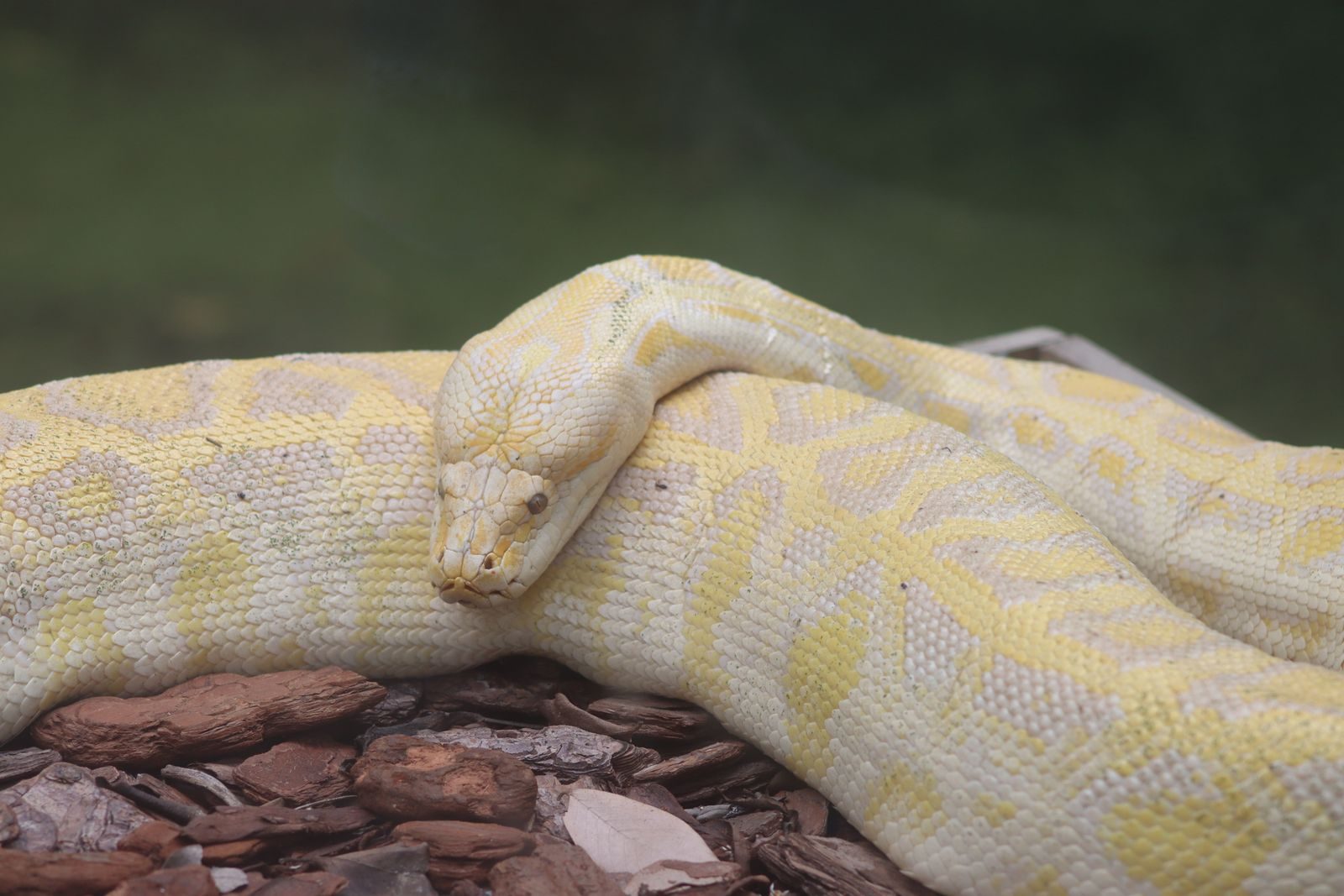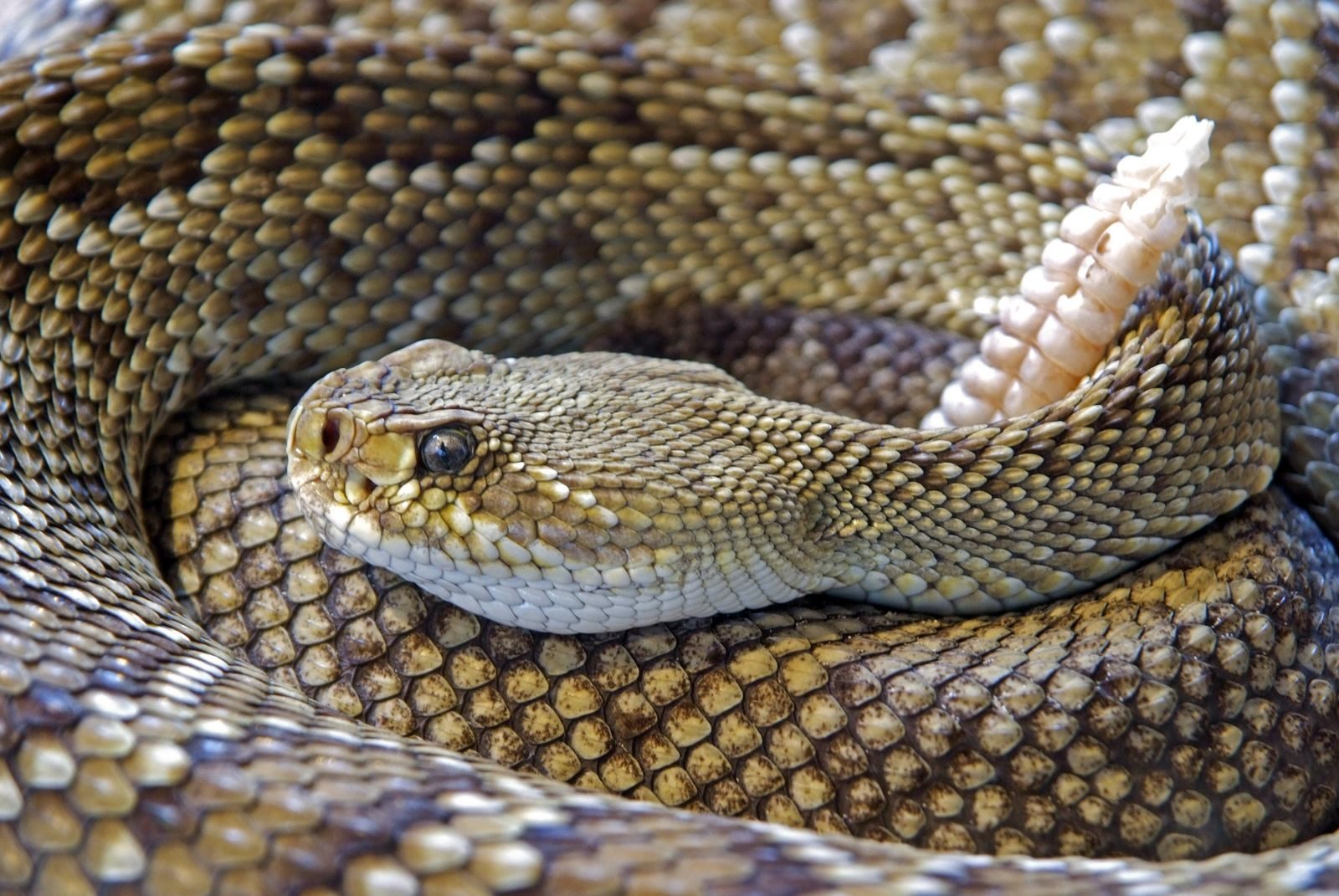
Finding a rattlesnake near a home can be alarming, but most bites happen when a snake is threatened, trapped, handled, or deliberately confronted. Creating distance is safer than trying to kill or capture it.
The exact response can vary with location and local wildlife laws. The basic priorities are consistent: keep people and pets away, allow space, and use trained professionals when the snake cannot safely leave on its own.
Keep Your Distance

Do not walk closer to identify a rattlesnake, photograph it, or test whether it will move. CDC guidance advises leaving venomous snakes alone and giving them enough space to escape rather than making them feel trapped.
A rattlesnake does not need to chase a person to be dangerous. The greatest concern is getting within striking distance while the animal is defensive. Watch from a safe location only if doing so is necessary to know where the snake goes.
Move Children and Pets
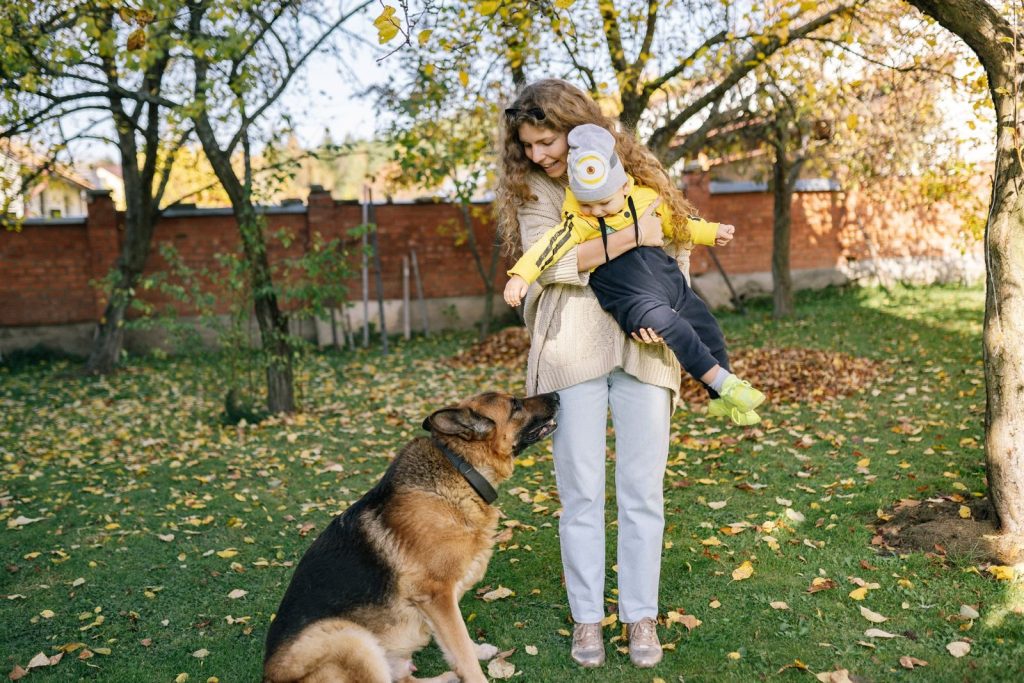
Bring children and pets indoors or move them well away from the area. Dogs may approach, bark at, sniff, or attempt to bite snakes, while young children may not recognize the danger of moving closer.
Do not create more activity around the snake while clearing the yard. The goal is to reduce opportunities for accidental contact. Once people and animals are secure, the rattlesnake may leave if it has an unobstructed route to cover elsewhere.
Do Not Kill It

Trying to strike, pin, grab, or kill a rattlesnake brings a person directly into the situation where a bite becomes more likely. CDC guidance specifically advises people not to handle or trap venomous snakes themselves.
Killing may also be restricted by wildlife regulations depending on species and location. More importantly, it is usually unnecessary. A snake passing through a yard is not automatically establishing a permanent nest or seeking contact with the people who live there.
Give It an Exit
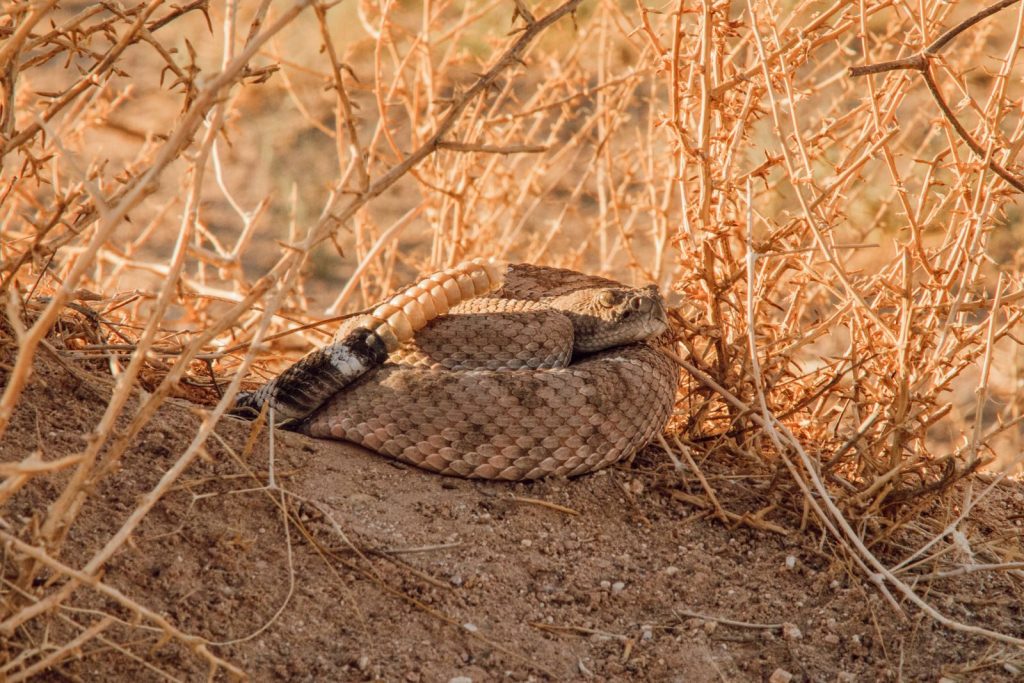
If the snake is outdoors and has a clear path away from people, the safest choice is often simply to leave it undisturbed. Many snakes move on once they no longer feel threatened or cornered.
Do not surround it with people, pets, tools, or objects in an attempt to “guide” it. If it enters a house, garage, or another place where safe separation is impossible, contact animal control or a qualified wildlife professional instead of attempting removal yourself.
Call a Professional

A trained wildlife professional is appropriate when a venomous snake remains in a high-use area, enters a building, becomes trapped, or cannot leave without passing close to people. Local animal-control procedures differ, so use the service appropriate for your community.
Do not rely on improvised snake tongs, buckets, sticks, or online capture demonstrations without professional training. Venomous-snake relocation involves identification, safe restraint, legal considerations, and release decisions that are better handled by experienced personnel.
Remove Rodent Food

Rattlesnakes often occur where suitable prey is available. Rodents can be attracted by spilled bird seed, unsecured animal feed, garbage, clutter, and other easy food sources around homes and outbuildings.
Reducing rodent attractants can make a property less useful to snakes over time. This is preventive habitat management, not an instant way to remove a rattlesnake already present. Address food and shelter after the immediate encounter has ended safely.
Clear Hiding Places

Brush piles, stacked debris, dense ground-level clutter, and accessible spaces beneath structures can provide shelter for snakes and their prey. Extension guidance recommends reducing unnecessary cover around frequently used areas of a property.
Keep the goal realistic: no yard can be made completely snake-proof. Maintaining clear areas around buildings and reducing obvious hiding places can lower the chance of close encounters while still allowing people to leave natural habitat undisturbed farther from the home.
If a Bite Happens
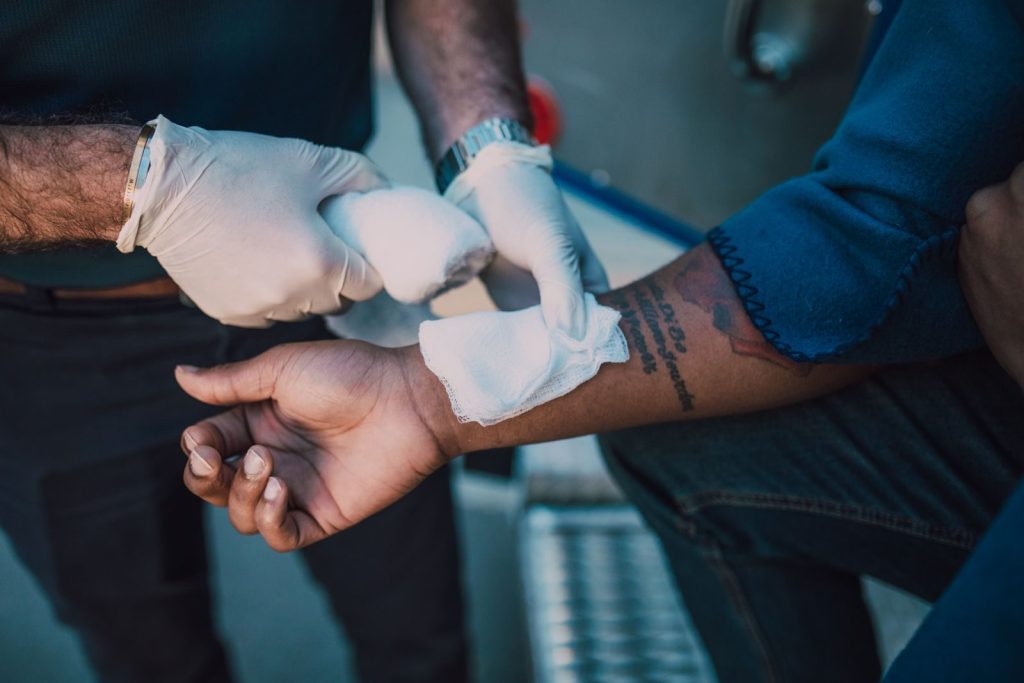
A rattlesnake bite is a medical emergency. Get away from the snake and seek emergency medical care immediately. Do not waste time trying to capture or kill the animal for identification.
CDC guidance says not to cut the wound, suck out venom, or apply a tourniquet. Keep the person as calm and still as practical while help is arranged. Modern medical treatment is far safer than improvised “snakebite cures.”