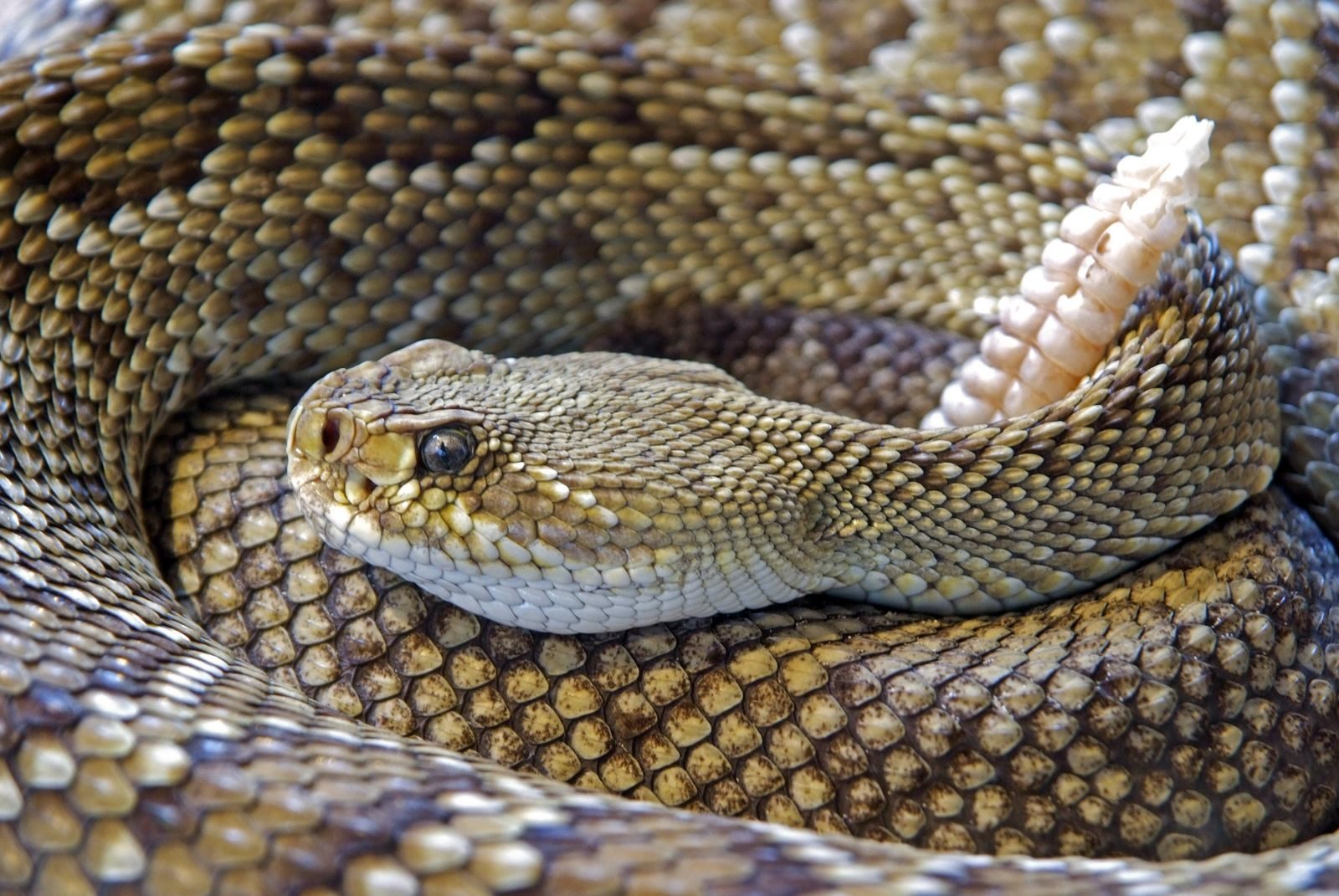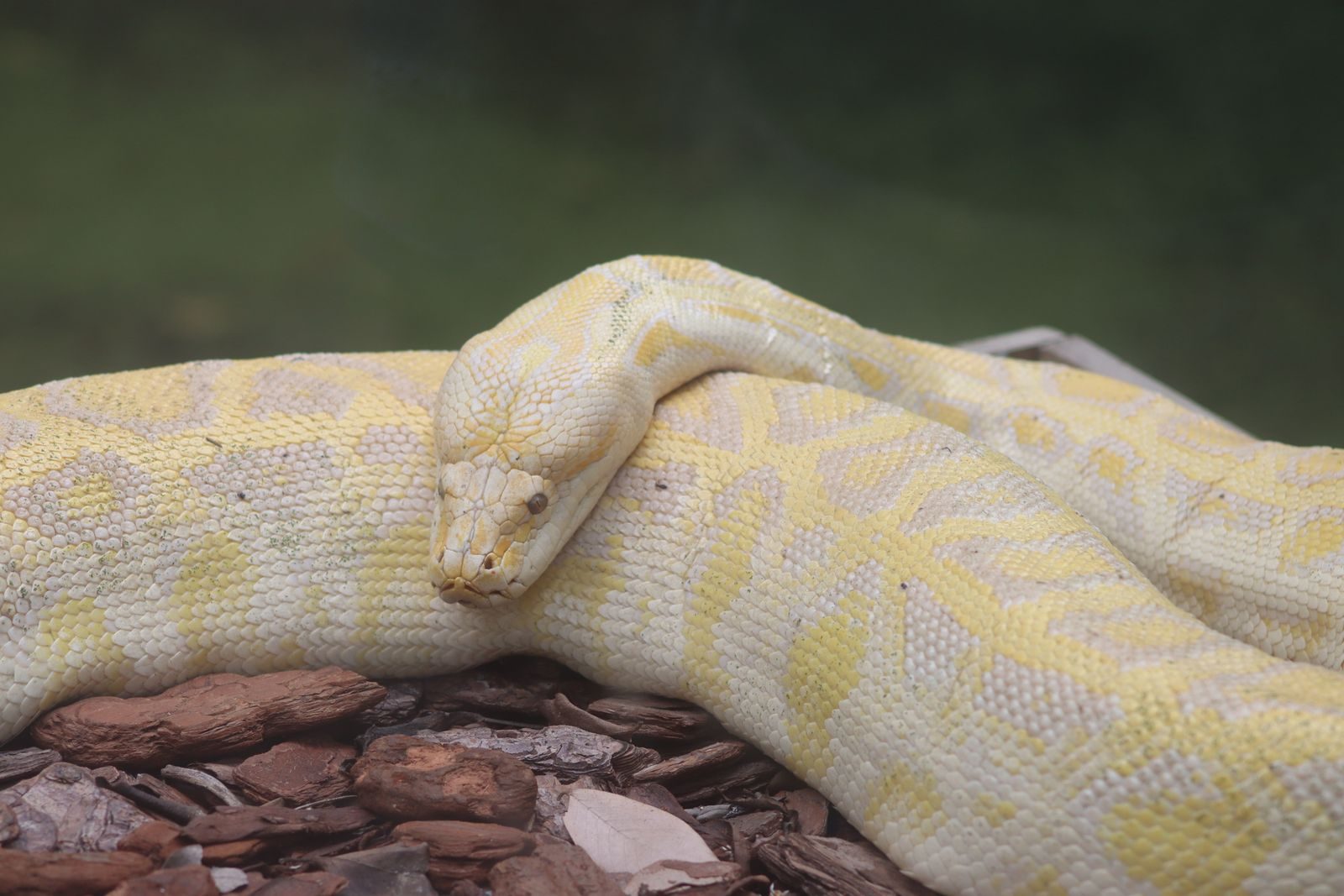
The title does not identify a specific snake or verified handling incident, so assigning an exact species or backstory to an unseen clip would be unreliable.
Burmese pythons provide a well-documented example of why very large constrictors require professional precautions. Their danger comes from body size, muscular strength, bites, escape potential, and the consequences of a handling mistake—not venom.
Burmese Python Size

Burmese pythons are among the world’s largest snakes. U.S. Fish and Wildlife Service material notes that exceptional individuals can approach 20 feet, with thick, muscular bodies capable of overpowering substantial prey.
Size changes the practical meaning of handling. A small captive snake can often be safely moved with ordinary reptile experience, while an enormous constrictor creates far greater forces and is harder to control if it becomes defensive or attempts to move away. Body length alone is not the only issue; mass, strength, behavior, environment, and handler experience all affect risk.
Python Constriction

Burmese pythons are nonvenomous constrictors. They seize prey with the mouth and use coils to restrain it, applying pressure that disrupts circulation. That feeding biology is designed for prey animals, not deliberate attacks on humans.
Nevertheless, the same muscular strength means a large captive individual should never be treated like a harmless oversized rope. Rare serious and fatal incidents involving captive constrictors have occurred. USGS notes that known U.S. fatalities associated with large constrictors have involved captive snakes rather than Florida’s wild Burmese python population, an important distinction when discussing actual risk.
Python Defensive Bite

A frightened or defensive python may bite when it feels restrained, cornered, or threatened. Large snakes possess numerous recurved teeth designed to hold prey, so even a nonvenomous bite can produce substantial lacerations and bleeding.
The correct lesson is not that Burmese pythons are naturally aggressive toward people. Defensive behavior depends heavily on context, individual temperament, handling history, and stress. Professional reptile handling therefore aims to reduce surprises and unnecessary restraint. Assuming a familiar captive snake “would never bite” is poor risk management because wild animal behavior can change quickly under pressure.
Secure Snake Enclosure

Containment is one of the most important precautions with giant constrictors. A large snake can push strongly against doors, lids, gaps, and poorly designed fixtures, while an escape can place the animal, people, pets, and surrounding wildlife at risk.
The ecological consequences are especially obvious in Florida, where released or escaped Burmese pythons contributed to a major invasive population. Secure housing therefore protects more than the owner. It must account for the snake’s eventual adult size and strength rather than the much smaller dimensions of a juvenile purchased years earlier.
Trained Reptile Handler
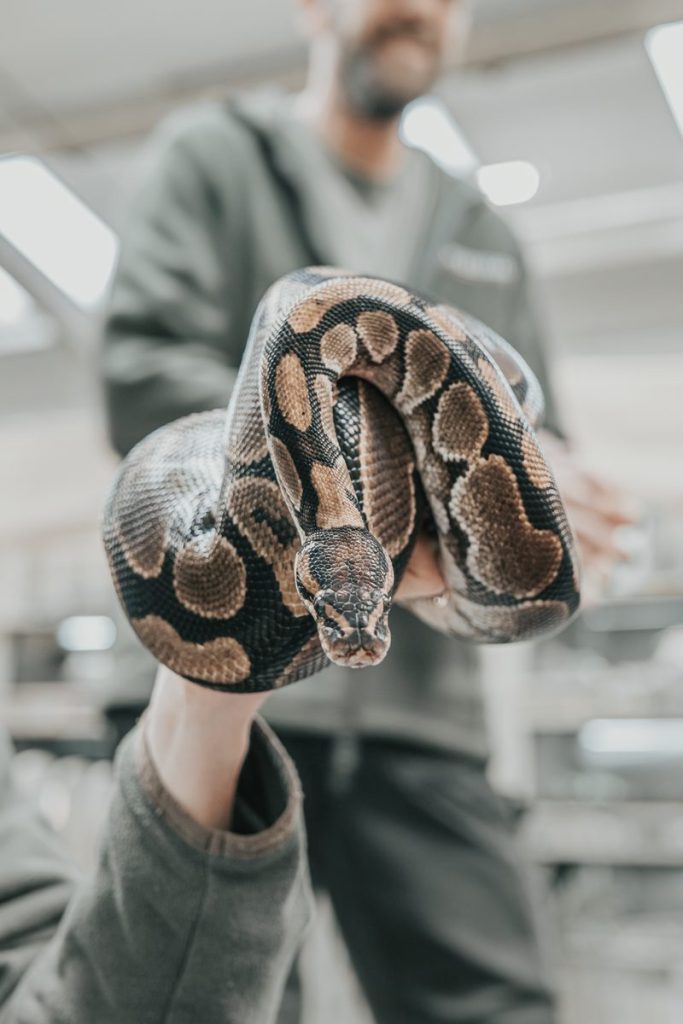
Professional handling relies on training, planning, and appropriate equipment rather than bravado. Veterinary guidance describes tools such as hooks, containers, barriers, towels, or restraint tubes for different reptiles and procedures, with technique chosen according to species, size, condition, and purpose.
That does not mean one tool provides universal control over a giant python. Large constrictors can require multiple experienced people and institution-specific procedures. Exact staffing and restraint rules vary, so copying a dramatic handling method from a video without understanding the animal or setting is not a sensible substitute for professional training.
Python Escape Response

Handling risk does not arise only when a python acts defensively. A large snake simply trying to escape can generate powerful, unpredictable movement, wrap around nearby objects, climb, enter inaccessible spaces, or make controlled transport difficult.
This is why professional precautions often focus on the surroundings as much as the animal. Doors, equipment, bystanders, obstacles, and transport containers all matter. The aim is to prevent an ordinary movement from turning into a dangerous struggle. Calm handling environments reduce the need for force, which is better for both the snake’s welfare and human safety.
Wild Florida Pythons
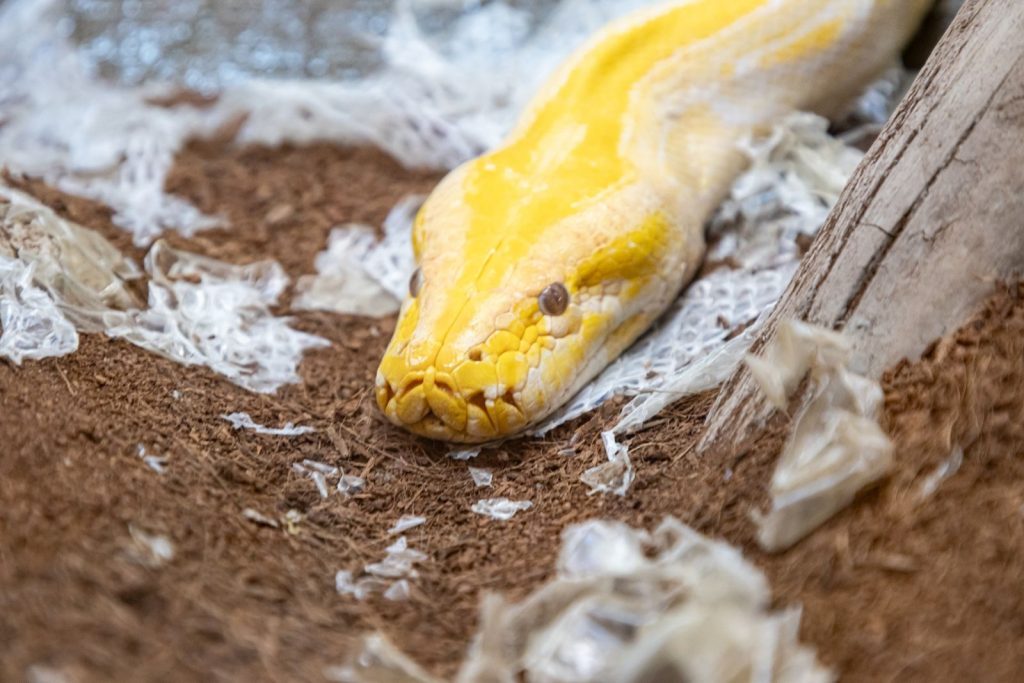
Wild Burmese pythons in South Florida are an enormous ecological concern, but their risk to people should not be exaggerated. USGS has assessed the direct risk of attack from wild pythons in the Everglades as low, with no established pattern of the snakes hunting humans.
That is different from intentionally restraining a large individual at close range. A handler who captures or examines a snake creates direct contact that ordinary park visitors generally do not experience. Capability and frequency must therefore be separated: a massive python can injure a person, while actual attacks by wild Florida pythons remain exceptionally uncommon.
Python Wildlife Impact

The most serious documented threat posed by Florida’s Burmese pythons is ecological. They consume mammals, birds, and reptiles and have become difficult to detect and remove across extensive wetland landscapes.
USGS research links established python populations with major changes to native mammal communities in parts of the Everglades. Specialized handling and removal programs therefore serve wildlife management as well as human safety. The snakes themselves are not villains; they are animals thriving where humans introduced them. The challenge is controlling an invasive predator without exaggerating its normal behavior or encouraging unsafe amateur capture.
Featured Image: Photo by Anielle souza on Pexels