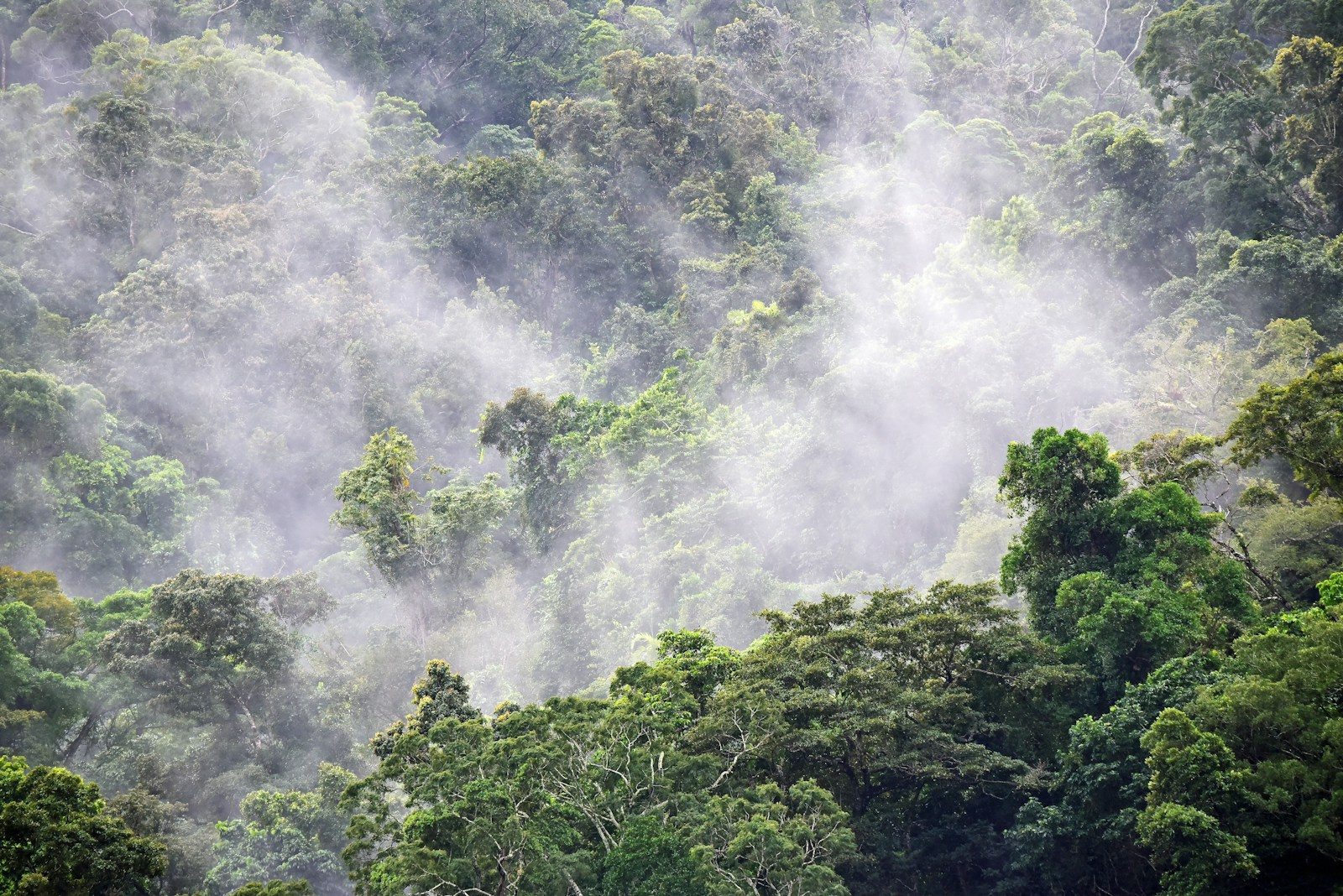
The specific “charismatic jungle guide” behind this title cannot be independently identified from the title alone, so attributing survival advice or a dramatic expedition to that person would require inventing details.
Instead, these slides focus on established rainforest safety principles drawn from public-health and wilderness guidance. Real survival is usually less cinematic than television makes it appear.
Rainforest Drinking Water

A clear jungle stream can still contain organisms capable of causing serious illness. Flowing water is generally preferable to stagnant pools when choosing a source, but appearance alone cannot establish that water is microbiologically safe.
National Park Service guidance recommends treating backcountry water rather than assuming natural-looking water is drinkable. In a survival situation, dehydration matters, but illness from contaminated water can make an already difficult emergency much worse. Reliable purification methods and advance planning therefore matter more than confidently judging a stream by its color or speed.
Mosquito Protection

Mosquitoes are not merely irritating in tropical environments. Depending on the country and region, they can transmit diseases including dengue, malaria, yellow fever, chikungunya, and others, making bite prevention an important part of jungle travel.
CDC travel guidance recommends appropriate repellents, protective clothing, and suitable sleeping protection where mosquito-borne disease is a concern. A person who focuses only on snakes and large predators can easily overlook the much more routine biological hazards created by biting insects. Preventing repeated bites is therefore a genuine survival measure rather than a comfort luxury.
Tropical Floodwater

Rainforest travel often means encountering mud, streams, flooded trails, and water contaminated by animal urine. CDC guidance warns that leptospirosis can spread through water or soil contaminated with the urine of infected animals, particularly after heavy rain or flooding.
Cuts and damaged skin can increase opportunities for exposure, so unnecessarily wading through questionable floodwater carries risks beyond simply getting wet. Tropical survival advice should therefore include hygiene and disease prevention, not just navigation and shelter. Water that appears harmless can contain hazards too small to see, making careful route decisions important.
Tropical Freshwater
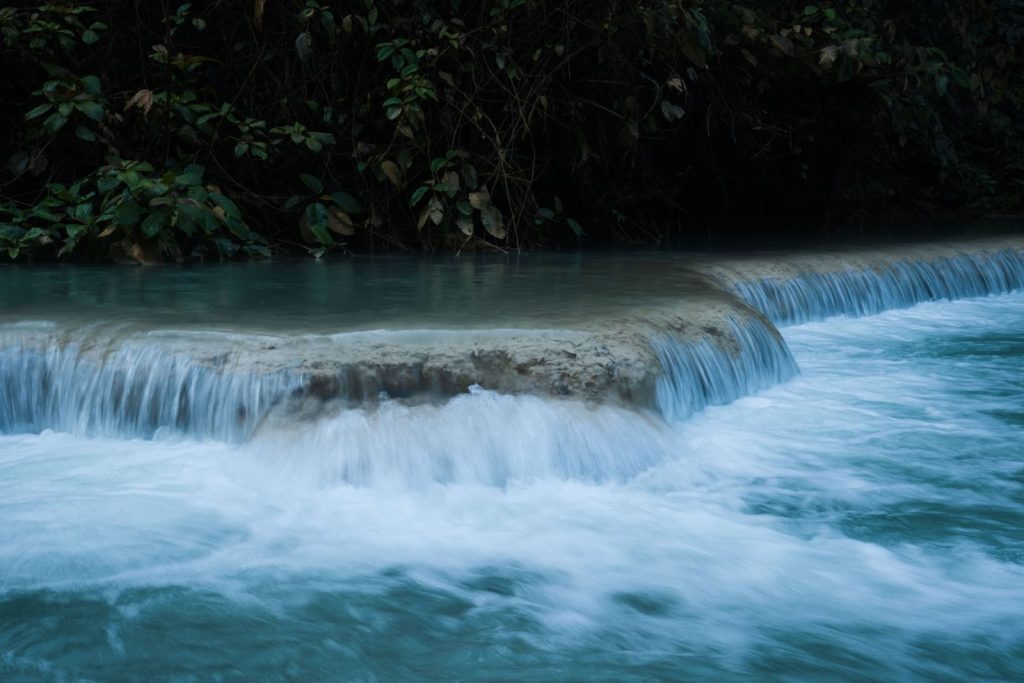
Some tropical freshwater presents risks unrelated to drinking. In regions where schistosomiasis occurs, parasitic larvae released by freshwater snails can penetrate human skin during contact with contaminated lakes, rivers, or streams.
WHO and CDC both describe schistosomiasis as a continuing concern in endemic tropical and subtropical areas. The risk is highly location-dependent, so not every jungle stream is dangerous in this way. The practical lesson is to understand local disease conditions before entering remote water rather than applying one universal rule to every rainforest around the world.
Rainforest Wildlife
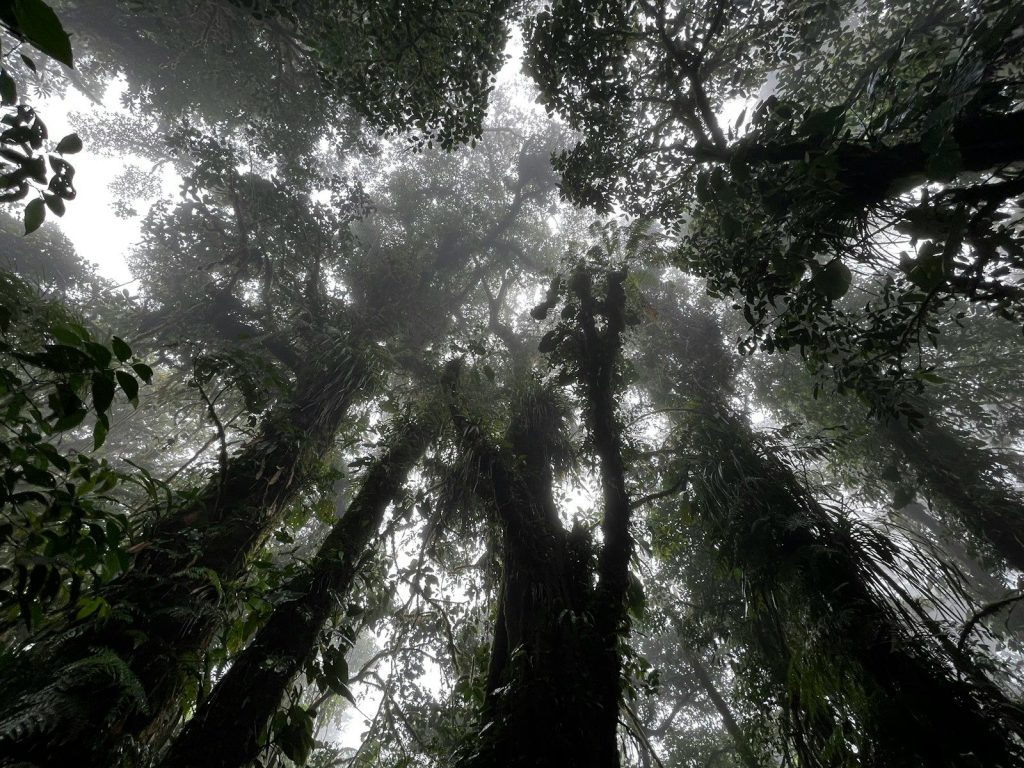
Wild animals encountered in a rainforest should be given space rather than approached for photographs, food, or improvised handling. Even animals that appear calm may defend themselves when cornered, surprised, touched, or separated from an escape route.
National Park Service wildlife guidance repeatedly emphasizes avoiding feeding and harassment. That principle applies well beyond national parks. In most encounters, the safest “wildlife skill” is not identifying how to capture or confront an animal; it is noticing the animal early, maintaining distance, and allowing it to move away without escalating the encounter.
Rainforest Rain Shelter

Persistent rain can create problems even where temperatures remain relatively warm. Wet clothing, poor sleep, skin damage, reduced visibility, soaked equipment, and difficulty maintaining body temperature can steadily weaken a traveler.
A useful rainforest shelter therefore prioritizes staying reasonably dry and protected from weather rather than constructing something elaborate. Good expedition planning also means carrying dependable rain protection instead of expecting to improvise everything from vegetation. Jungle television often celebrates clever shelter-building, but avoiding preventable exposure through suitable equipment is generally safer than relying on emergency improvisation after conditions deteriorate.
Jungle Navigation

Dense forests can remove the long-distance landmarks that make navigation intuitive in open country. Similar-looking vegetation, winding animal paths, river bends, and poor visibility can cause people to drift away from an intended route without immediately realizing it.
Reliable navigation therefore begins before entering remote terrain: maps, appropriate navigation tools, route knowledge, and a communicated itinerary matter more than confidently “following instinct.” If someone becomes uncertain of their location, continuing deeper into an unfamiliar country can make rescue harder. Good survival planning is often about preventing a navigation problem from becoming an emergency in the first place.
Jungle Guide

A knowledgeable local guide can add enormous value because rainforest risks vary by place. River behavior, seasonal flooding, venomous species, trail conditions, local diseases, weather patterns, and access to emergency help can differ even between nearby regions.
The important qualification is that charisma is not evidence of expertise. A responsible guide should use locally appropriate knowledge, avoid unnecessary wildlife disturbance, respect protected areas, and prioritize prevention over dramatic demonstrations. Genuine jungle competence usually looks cautious and methodical rather than reckless, because avoiding an emergency is far more reliable than showcasing how to escape one after it starts.
Featured Image: Photo by David Clode on Unsplash


