Skip to content

Recent Posts

  • Why a Wild Lynx May Tolerate a Nearby Camera
  • Eight of North America’s Most Imperiled Animals
  • What to Do When a Rattlesnake Enters Your Yard
  • The Reality of Hunting Giant Crabs for Survival
  • How Zebras Defend Their Foals From Lions

Most Used Categories

  • Nature & Wildlife (740)
  • Risk (75)
  • Human Interest (54)
  • Survival (27)
  • Bees/Swarms fear (27)
  • Exotic Animals (26)
  • Hunting (25)
  • Suspense (20)
  • Adventure (3)
  • Gears (2)
Skip to content
  • About Us
  • Contact Us
  • Disclaimer
  • Privacy Policy
  • Terms & Conditions

Hive Hunters Tales

  • Suspense
  • Nature & Wildlife
  • Human Interest
  • Hunting
  • Bees/Swarms fear
  • Exotic Animals
  • Risk
  • Survival
  • Adventure
  • Gears
  • Home
  • Human Interest
  • Reasons Great White Sharks Are Never Seen in Aquariums
people standing in front of fish tank

Reasons Great White Sharks Are Never Seen in Aquariums

JakeJune 2, 2026June 2, 2026

Great white sharks are among the ocean’s most powerful predators, but despite their fame, you’ll almost never find them in aquariums. Over the years, scientists and marine experts have tried to keep them in captivity, but the results have consistently failed. Here are the main reasons why.

They Need Huge Open Oceans to Survive
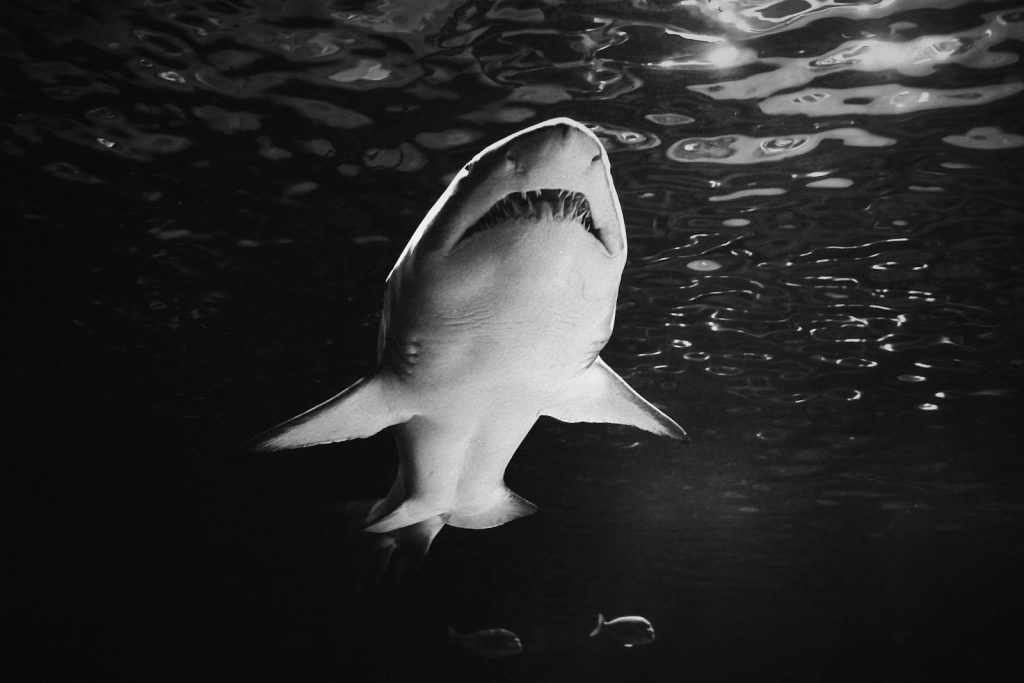
A dramatic black and white image of a shark swimming underwater, showcasing its powerful jaws.
Photo by Gilberto Olimpio on Pexels

Great whites are built for long-distance travel across vast open waters. Even the largest tanks cannot replicate the endless space they naturally need, making captivity highly unsuitable.

They Stop Eating in Captivity
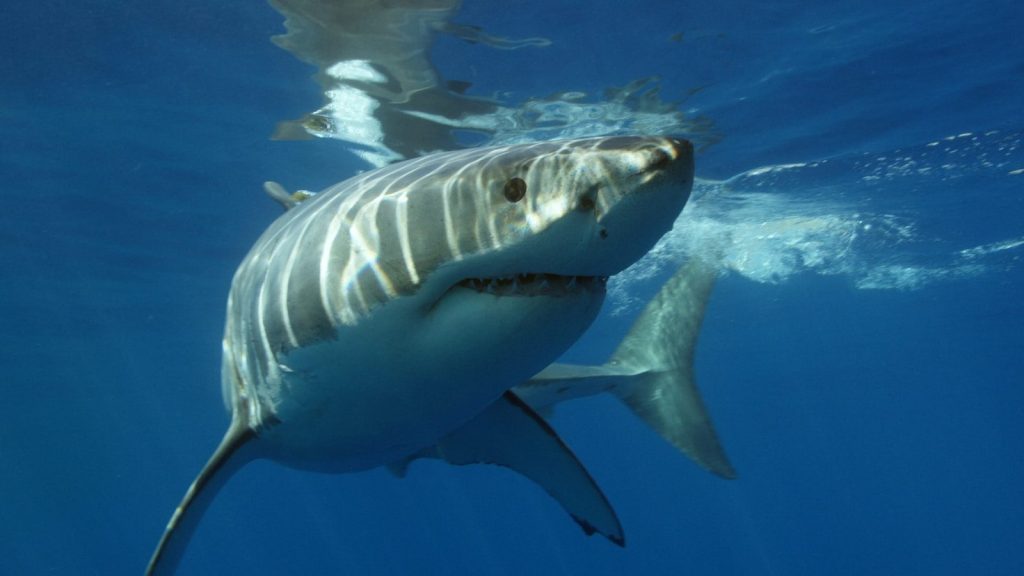
a great white shark swimming in the ocean
Photo by Oleksandr Sushko/Unsplash

One of the biggest challenges is feeding. In aquariums, great whites often refuse to eat properly because they rely on live hunting instincts that are difficult to trigger in confined environments.

They Become Highly Stressed
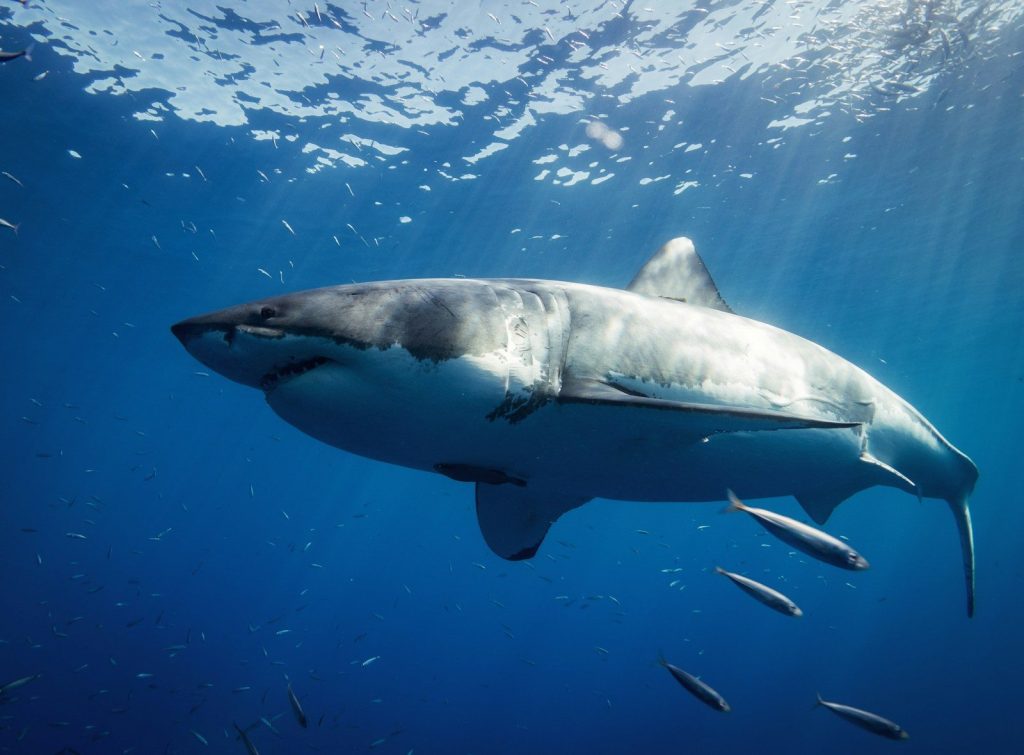
white and black shark underwater
Photo by Gerald Schömbs/Unsplash

Being trapped in enclosed spaces causes extreme stress. This can lead to abnormal behavior, including repeated attempts to escape and injury from swimming into tank walls.

They Can Damage Themselves in Tanks
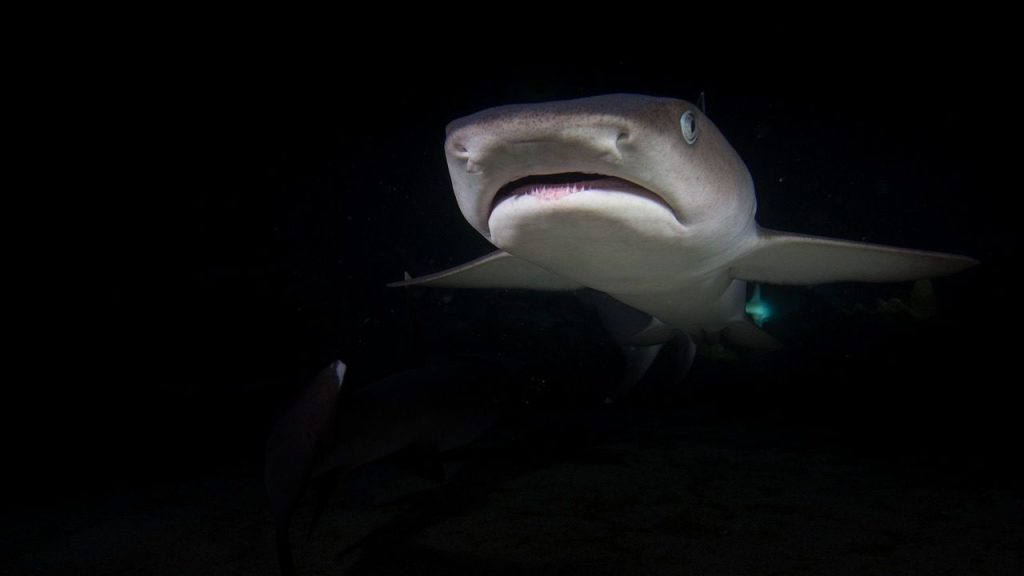
shark, underwater, night diving, night, white tip reef shark, reef shark, dark, shark, shark, shark, shark, shark
Photo by baechi on Pixabay

Great whites are fast, powerful swimmers. In captivity, they often crash into glass walls, injuring themselves due to lack of space and poor navigation in artificial environments.

Their Diet Is Extremely Difficult to Maintain
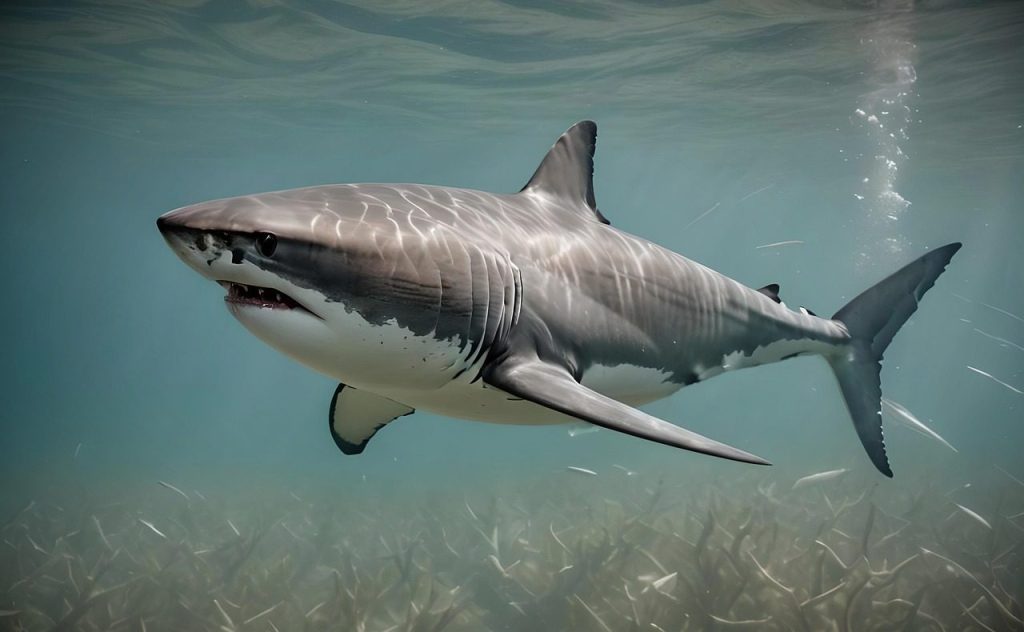
ai generated, great white shark, shark, fish, ocean, sea, animal, underwater, predator, marine, water, teeth, wildlife, jaws, dangerous, swimming, fauna, nature, hunter, fins
Photo by flutie8211 on Pixabay

These sharks are apex predators that require fresh, live prey. Providing a consistent and ethical food supply in captivity is extremely difficult and impractical.

They Struggle With Artificial Environments
body of water under sky
Photo by Matt Hardy/Unsplash

Aquariums cannot replicate natural ocean conditions such as depth, temperature shifts, and ocean currents, all of which are important for their survival and natural behavior.

They Don’t Survive Long in Captivity
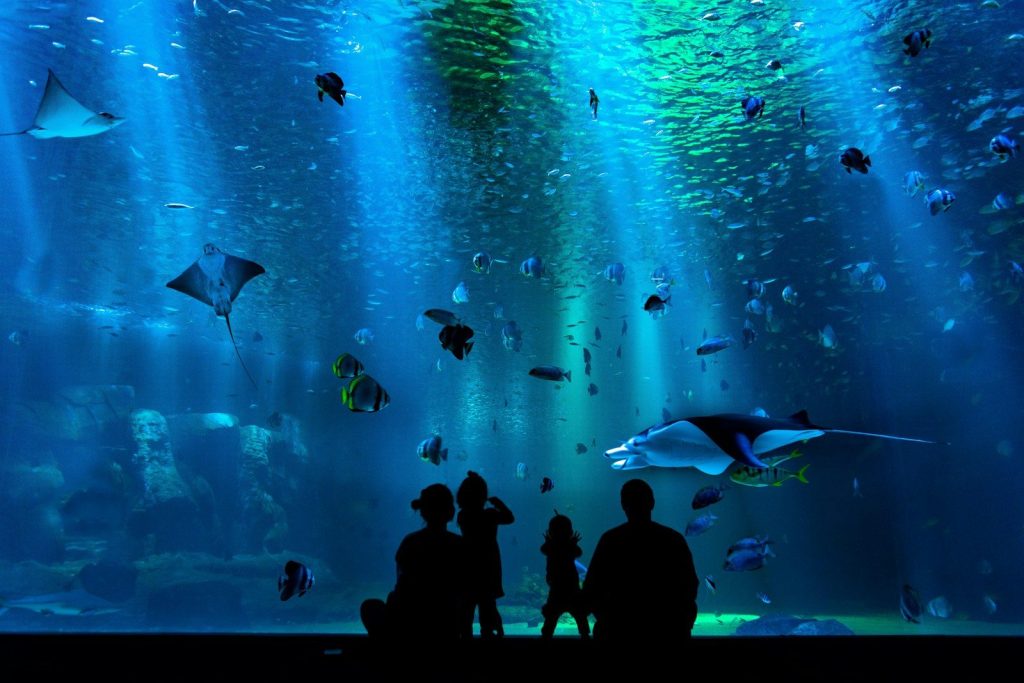
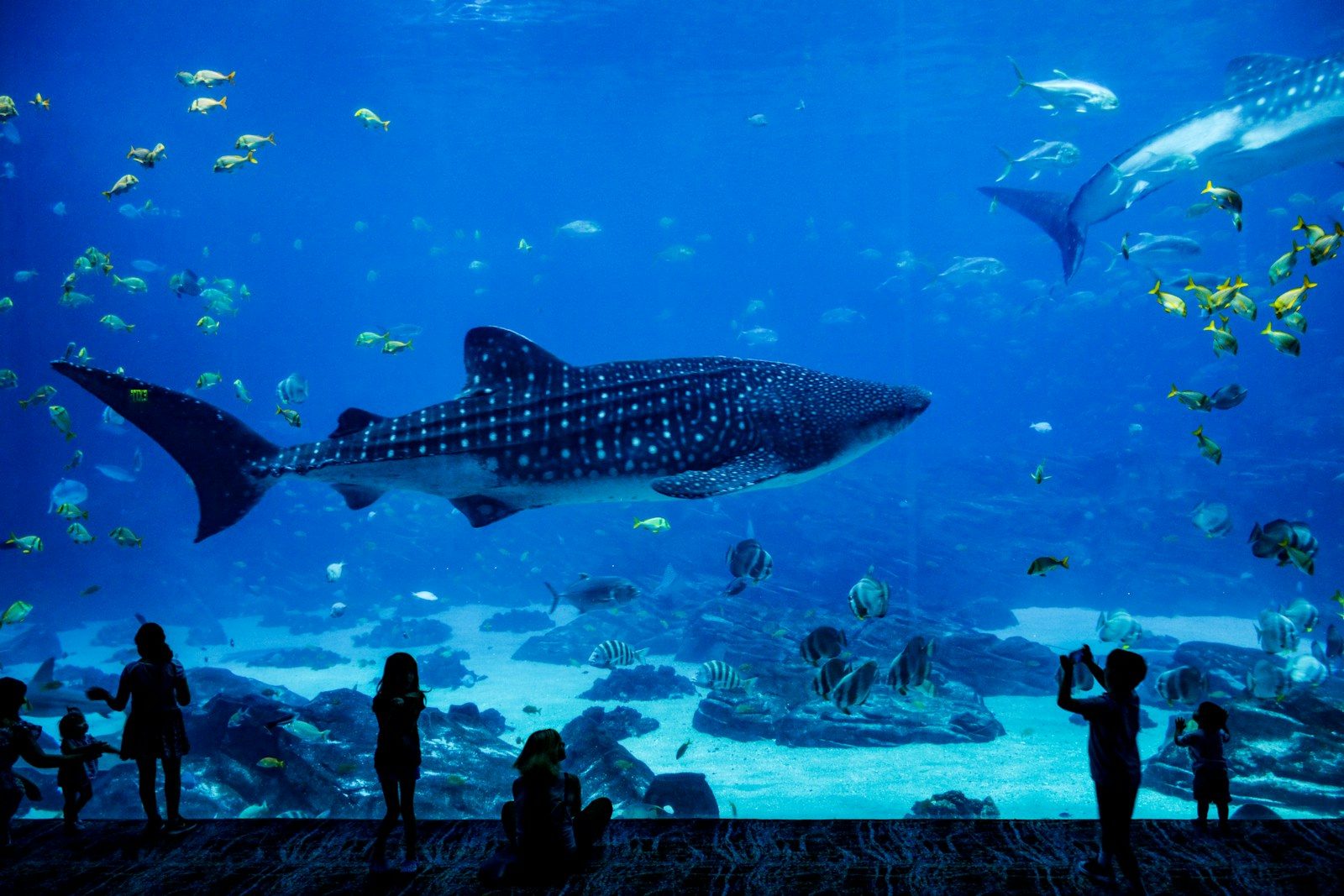
silhouette of people looking at auqrium
Photo by Tim B Motivv on Unsplash

Even when captured, great white sharks rarely survive for long. Most documented cases show they die within days or weeks, making long-term captivity nearly impossible.

Great white sharks remain best suited to the wild, where they can hunt, migrate, and play their essential role in maintaining ocean ecosystems.

Post navigation

Previous: 12 Wild Animals You Should Never Make Eye Contact With
Next: Shark Facts That Will Change How You See Them Forever

Related Posts

Adorable otter peering through a chain-link fence, showcasing its curious nature.

When Our Love of Cute Wildlife Becomes Cruel

August 14, 2026August 13, 2026 Jake
A fisherman carefully releases a carp back into a lake during a fishing trip.

What Happens When Rescued Wildlife Returns to Nature

August 13, 2026August 13, 2026 Jake
An osprey eagle peacefully resting on its nest, captured in soft morning light.

Iris: One of the Oldest Known Breeding Ospreys

August 11, 2026August 11, 2026 Jake

Leave a Reply Cancel reply

Your email address will not be published. Required fields are marked *

Recent Posts

  • Why a Wild Lynx May Tolerate a Nearby Camera
  • Eight of North America’s Most Imperiled Animals
  • What to Do When a Rattlesnake Enters Your Yard
  • The Reality of Hunting Giant Crabs for Survival
  • How Zebras Defend Their Foals From Lions
Copyright All Rights Reserved | Theme: BlockWP by Candid Themes.