Skip to content

Recent Posts

  • What to Do If You Ever Encounter an Aggressive Koala
  • Sea Creatures So Massive They Make Great White Sharks Look Tiny
  • Polar Bears Are Still Surviving Despite Sea Ice Loss
  • This Delicacy Is Driving a Rare Animal Toward Extinction
  • Unforgettable Wildlife Experiences Across British Columbia

Most Used Categories

  • Nature & Wildlife (105)
  • Risk (25)
  • Hunting (17)
  • Human Interest (15)
  • Survival (13)
  • Bees/Swarms fear (12)
  • Exotic Animals (7)
  • Suspense (6)
  • Adventure (3)
  • Gears (2)
Skip to content
  • About Us
  • Contact Us
  • Disclaimer
  • Privacy Policy
  • Terms & Conditions

Hive Hunters Tales

  • Suspense
  • Nature & Wildlife
  • Human Interest
  • Hunting
  • Bees/Swarms fear
  • Exotic Animals
  • Risk
  • Survival
  • Adventure
  • Gears
  • Home
  • Nature & Wildlife
  • 12 Wild Animals You Should Never Make Eye Contact With
brown lion on green grass field

12 Wild Animals You Should Never Make Eye Contact With

JakeJune 2, 2026June 2, 2026

In the animal world, eye contact doesn’t always mean curiosity or connection. For many wild species, direct staring can be seen as a challenge or threat. That can quickly escalate dangerous encounters in the wild. Here are 12 animals where avoiding eye contact is often the safest choice.

Lions
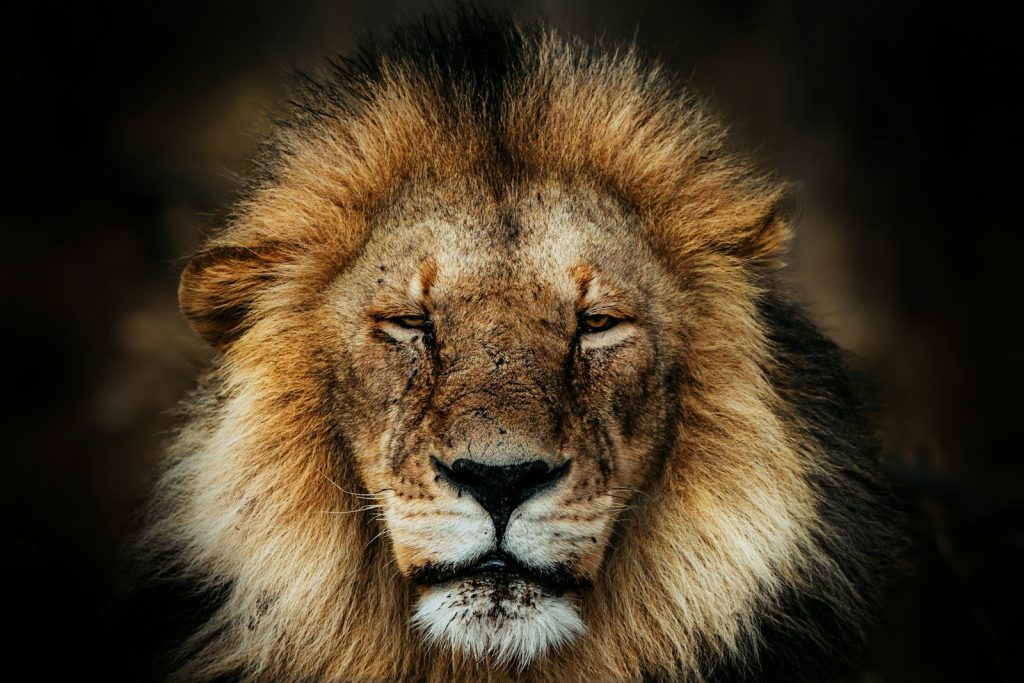
A majestic lion stares directly ahead with closed eyes.
Photo by Matthew Stephenson on Unsplash

Lions interpret prolonged eye contact as a challenge, especially in the wild. If encountered, looking directly at them can be seen as a sign of confrontation, increasing the risk of aggression.

Tigers
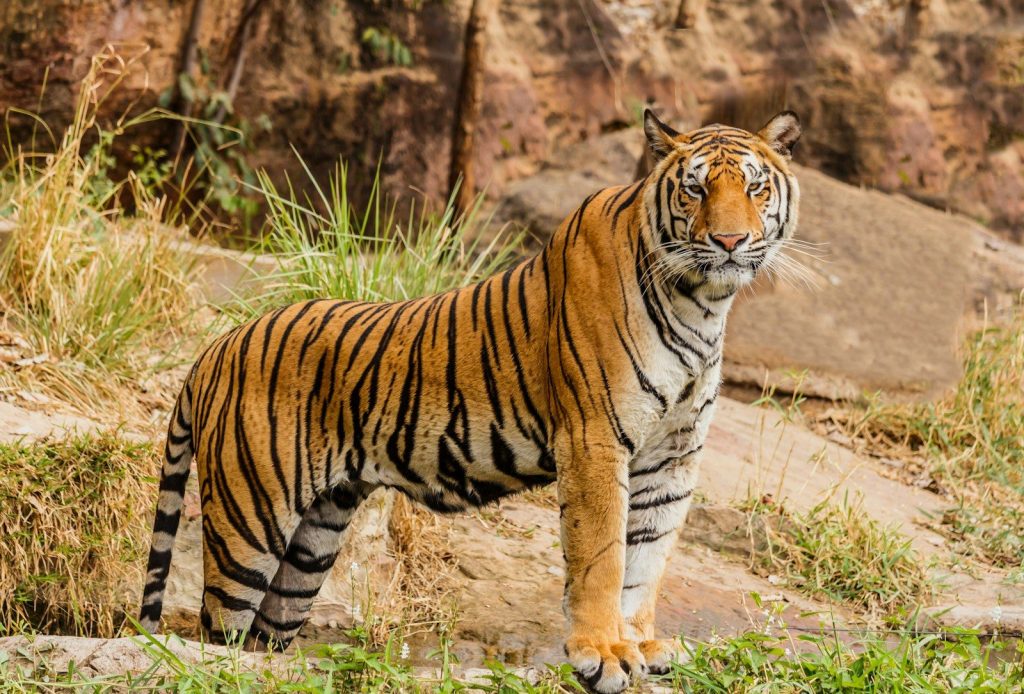
brown and black tiger on focus photography
Photo by A G on Unsplash

Tigers are solitary and highly territorial predators. Direct eye contact may trigger defensive or predatory behavior, making it important to avoid staring if one is ever encountered.

Bears
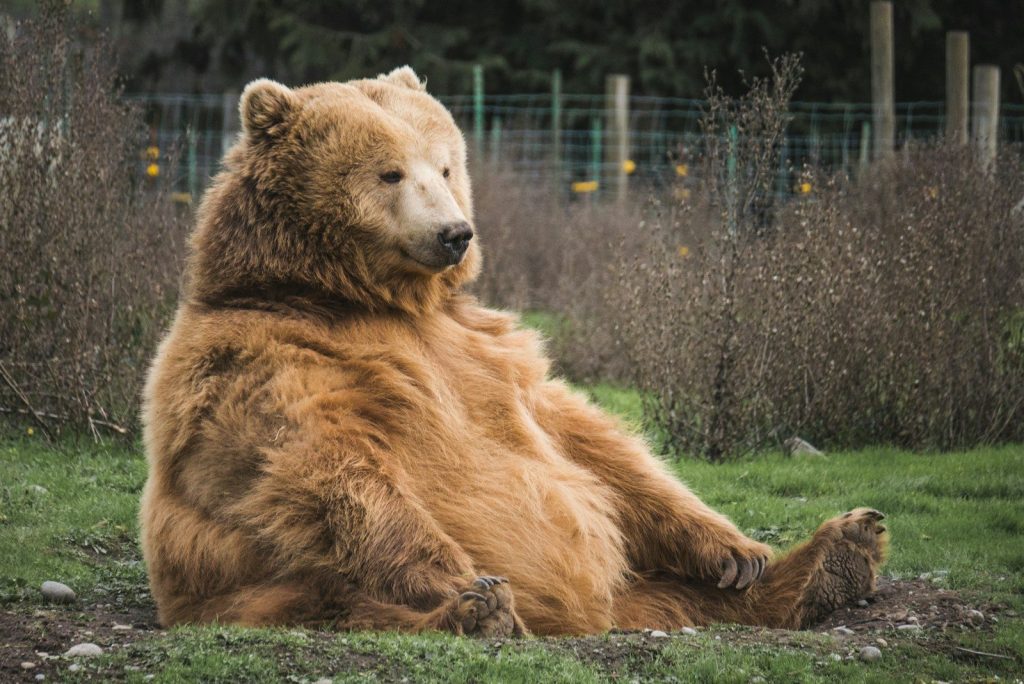
brown bear sitting on grass field
Photo by Mark Basarab on Unsplash

Bears, especially grizzlies, can view eye contact as a threat. Experts often recommend avoiding direct staring and instead backing away slowly while keeping the animal in peripheral view.

Wolves
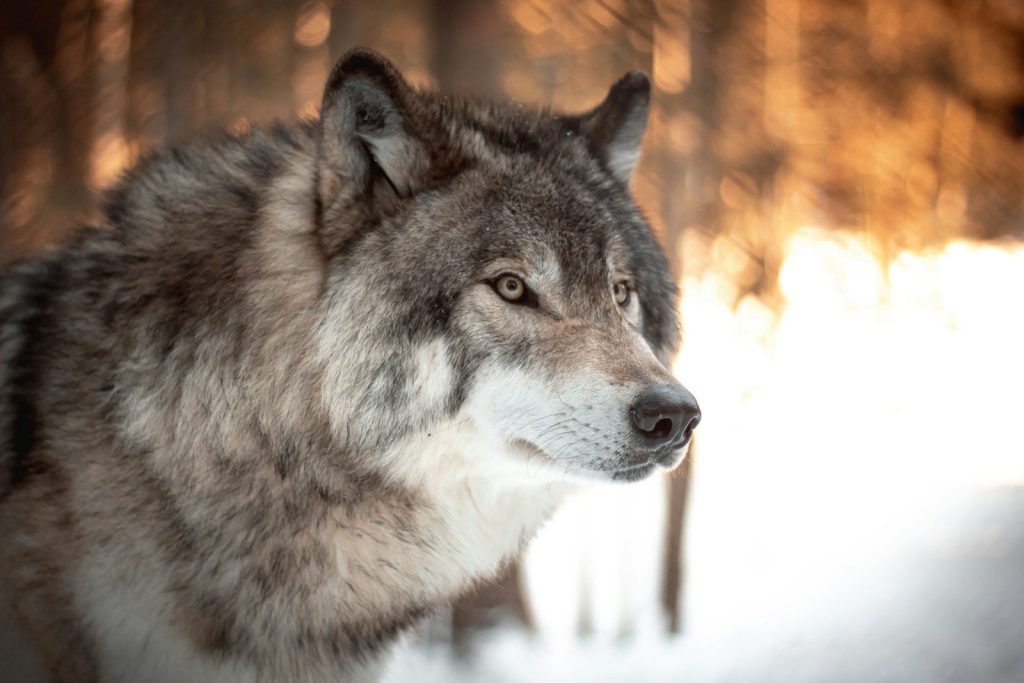
white and black wolf in tilt shift lens
Photo by Milo Weiler on Unsplash

Wolves use eye contact as part of their social hierarchy. In the wild, staring can be interpreted as dominance behavior, which may provoke a response.

Crocodiles
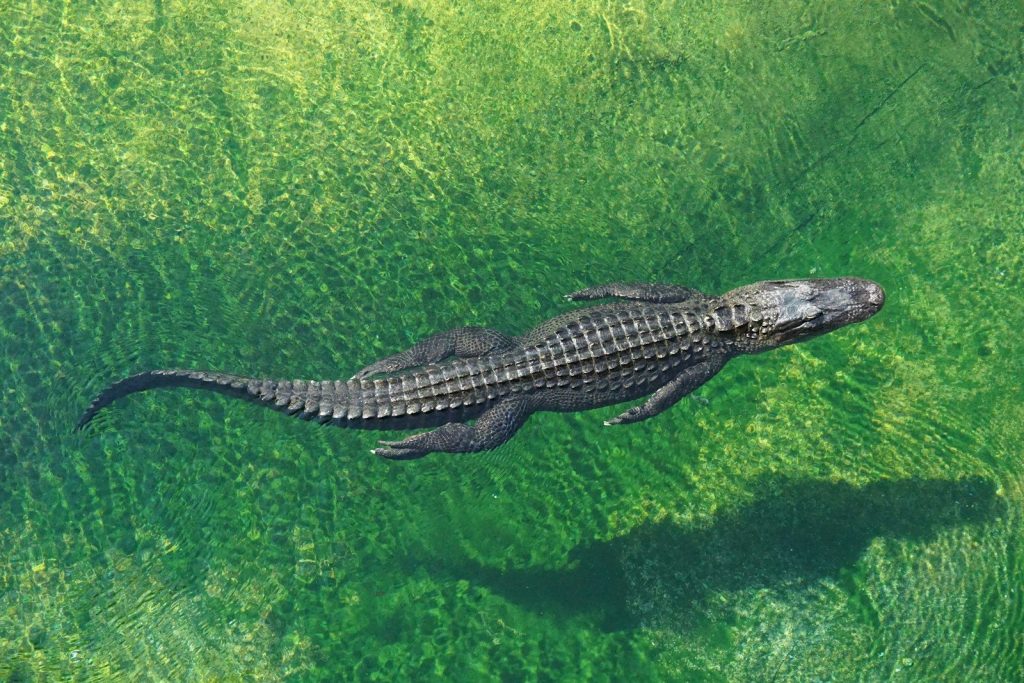
crocodile in body of water
Photo by Shelly Collins on Unsplash

Crocodiles are stealth predators that can react quickly if they feel threatened. Eye contact may not “calm” them and can instead signal awareness of their presence, sometimes triggering action.

Hippopotamuses
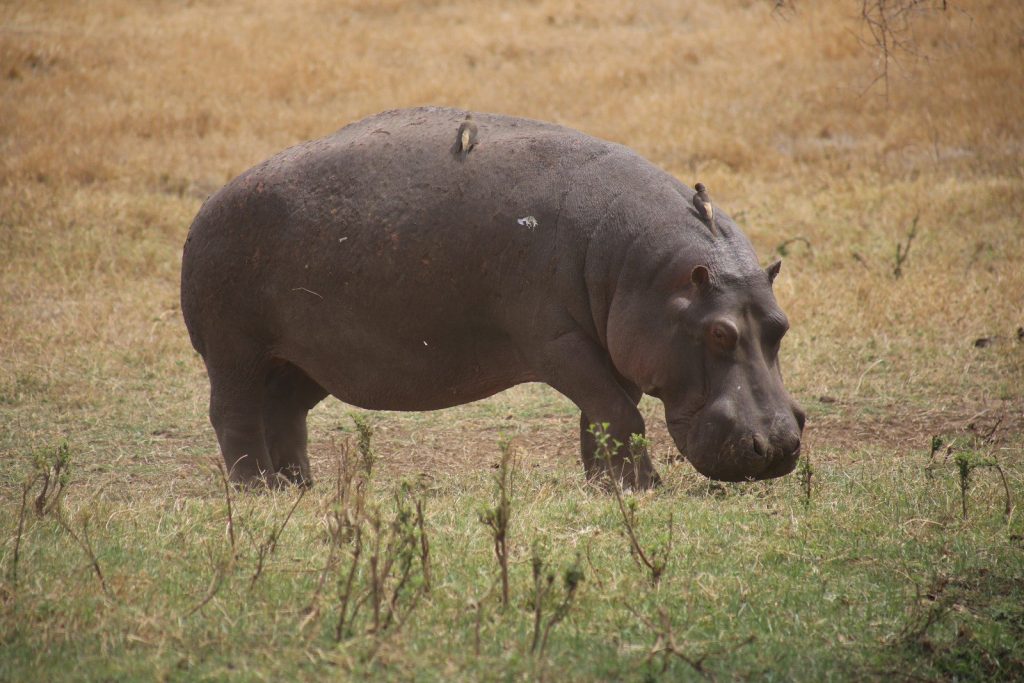
black rhinoceros on green grass field during daytime
Photo by Greg Flessing on Unsplash

Hippos are among the most dangerous large animals in Africa. They are highly territorial in water, and direct eye contact can be interpreted as a challenge in close-range encounters.

Gorillas
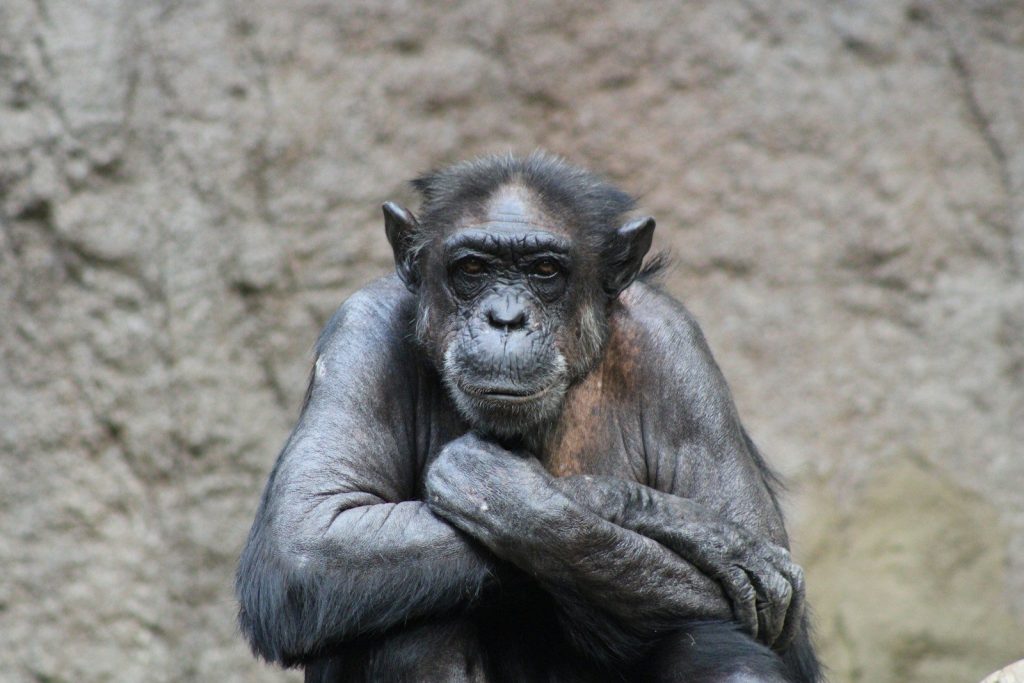
a gorilla sitting on the ground
Photo by MediaEcke on Unsplash

Gorillas often interpret staring as disrespect or aggression. In rare encounters, it is recommended to remain calm, avoid direct eye contact, and appear non-threatening.

Elephants
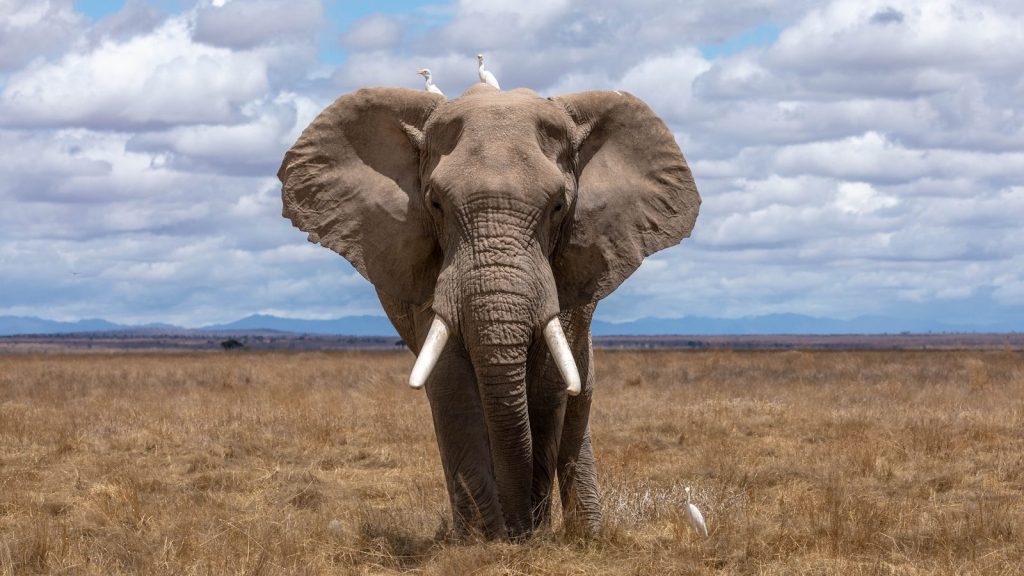
elephant walking during daytime
Photo by Nam Anh on Unsplash

Elephants are intelligent and emotional animals, but in tense situations, prolonged eye contact can be perceived as confrontation, especially by dominant or protective individuals.

Moose
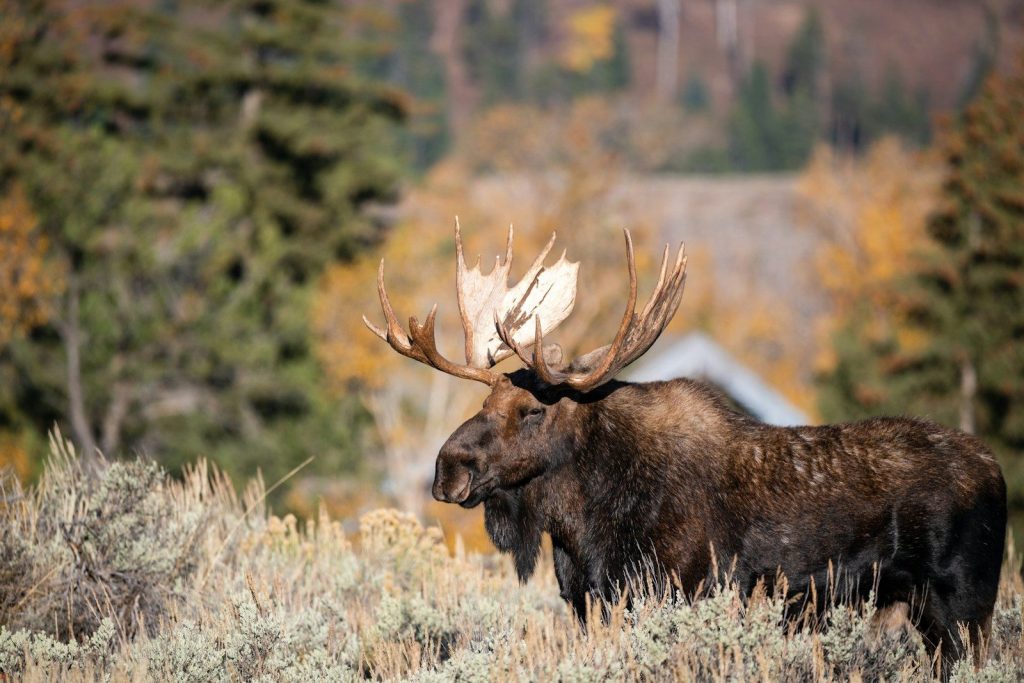
brown moose on green grass during daytime
Photo by Hari Nandakumar on Unsplash

Moose can be unpredictable and aggressive, particularly during mating season. Staring at them can escalate their defensive behavior.

Bison
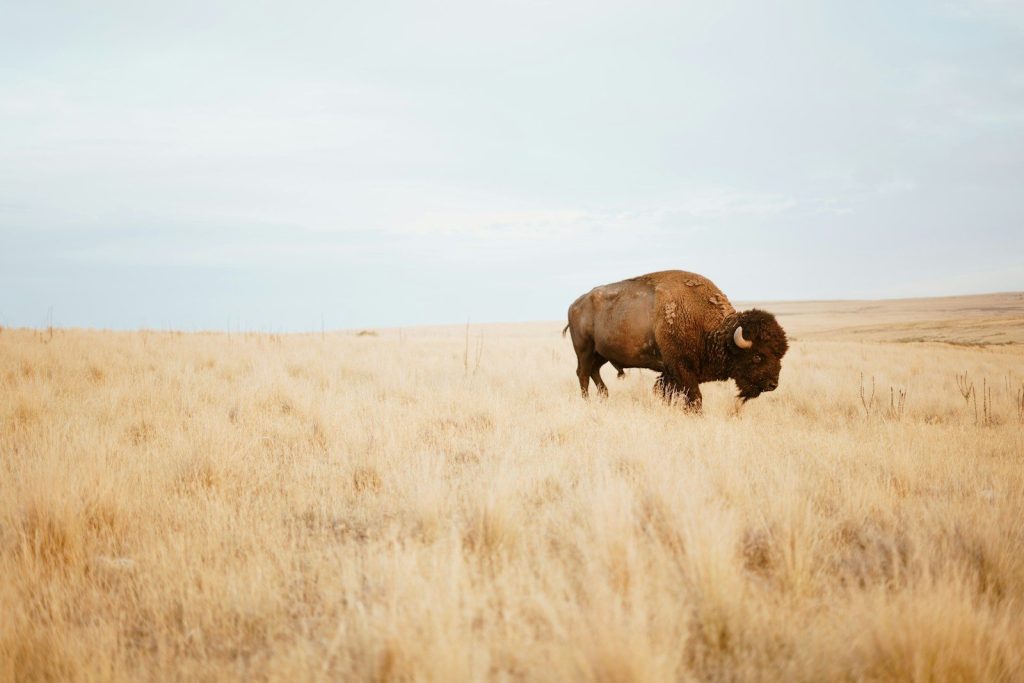
brown yak on brown grass field during day
Photo by Bryce olsen on Unsplash

Bison may look calm, but they can charge quickly if they feel threatened. Eye contact may increase tension in close encounters.

Cougars
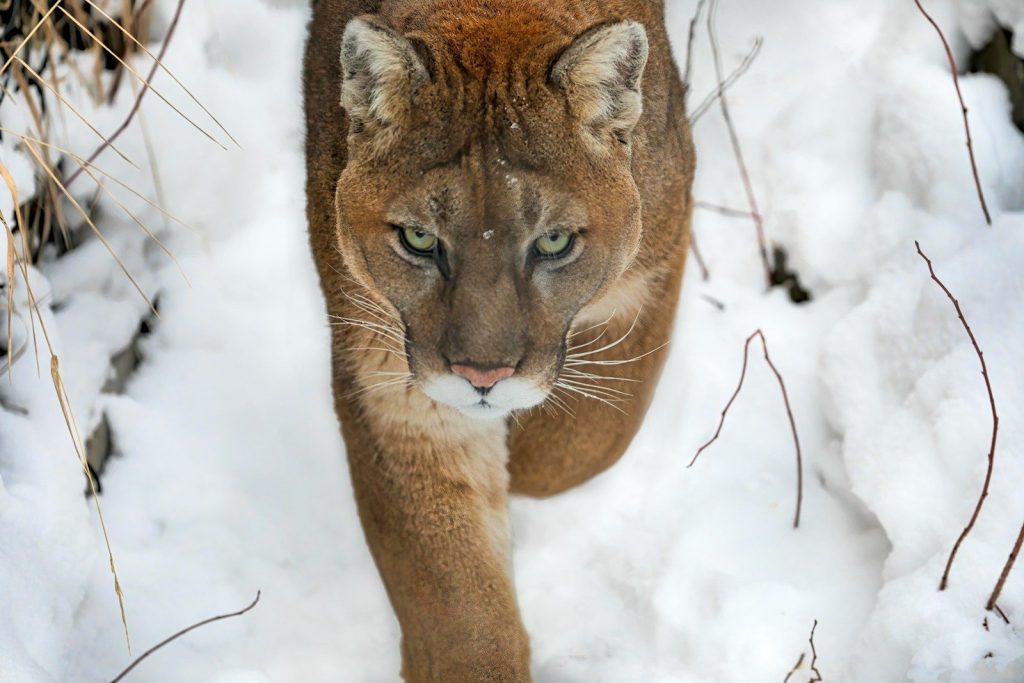
a lion walking through the snow
Photo by Robert Sachowski on Unsplash

Cougars are stealth predators that prefer to avoid confrontation. However, if they feel challenged or cornered, direct eye contact may be interpreted as a threat.

Rhinoceroses
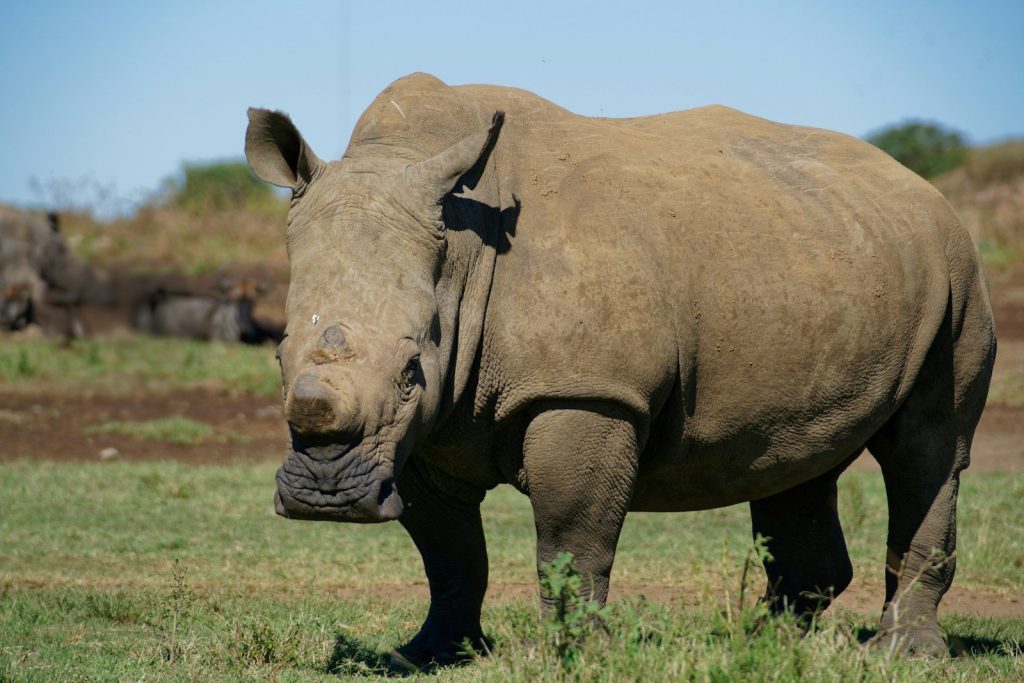
black hippopotamus
Photo by Colin Watts on Unsplash

Rhinos have poor eyesight but strong defensive instincts. Sudden staring or movement in their direction can startle them and lead to aggressive behavior.

Wild animals rely heavily on instinct and perception. In many cases, avoiding direct eye contact helps reduce tension and increases safety during rare encounters in the wild.
Post navigation

Previous: Record Number of Badger Cubs Delight Visitors at Fingringhoe Wick Nature Reserve
Next: Reasons Great White Sharks Are Never Seen in Aquariums

Related Posts

koala bear on brown tree

What to Do If You Ever Encounter an Aggressive Koala

June 4, 2026June 4, 2026 Jake
white and black shark underwater

Sea Creatures So Massive They Make Great White Sharks Look Tiny

June 4, 2026June 4, 2026 Jake
polar bear on snow covered ground during daytime

Polar Bears Are Still Surviving Despite Sea Ice Loss

June 4, 2026 Jake

Leave a Reply Cancel reply

Your email address will not be published. Required fields are marked *

Recent Posts

  • What to Do If You Ever Encounter an Aggressive Koala
  • Sea Creatures So Massive They Make Great White Sharks Look Tiny
  • Polar Bears Are Still Surviving Despite Sea Ice Loss
  • This Delicacy Is Driving a Rare Animal Toward Extinction
  • Unforgettable Wildlife Experiences Across British Columbia
Copyright All Rights Reserved | Theme: BlockWP by Candid Themes.