
Sharks have long been misunderstood as mindless predators, but science reveals a far more complex and fascinating reality. These ancient creatures are highly evolved survivors that have ruled the oceans for hundreds of millions of years. Here are some eye-opening facts that may completely change your perspective.
Sharks Are Older Than Dinosaurs

Sharks have existed for over 400 million years, long before dinosaurs appeared on Earth. Their survival through multiple mass extinction events shows just how adaptable they are.
Some Sharks Can Glow in the Dark

Certain deep-sea shark species are bioluminescent, meaning they can produce light. This ability helps them camouflage, communicate, and even hunt in the darkness of the deep ocean.
Sharks Don’t Have Bones

Instead of bones, sharks have skeletons made entirely of cartilage, the same flexible material found in human noses and ears. This makes them lighter and more agile swimmers.
Shark Skin Feels Like Sandpaper

Shark skin is covered in tiny tooth-like structures called dermal denticles. These reduce drag in water and make their skin feel rough like sandpaper when touched.
Some Sharks Must Keep Swimming to Survive
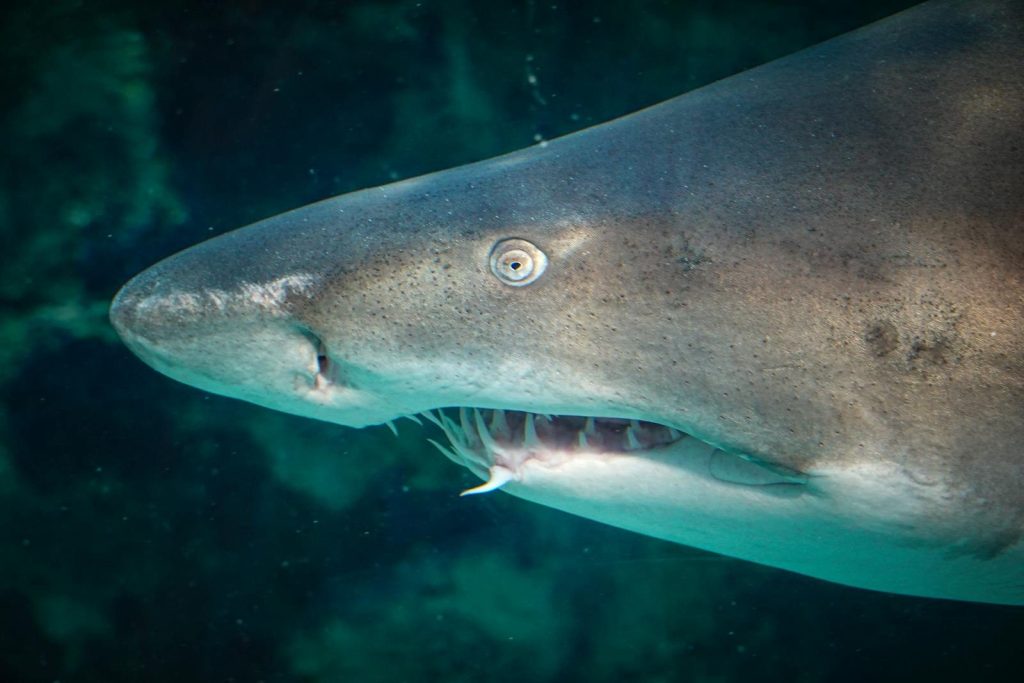
Many shark species need to swim constantly to force water over their gills in a process called ram ventilation. Without movement, they can suffocate.
Sharks Can Detect Tiny Electrical Signals

Sharks have special organs called ampullae of Lorenzini that allow them to detect electrical signals from other animals. This helps them locate prey even when it is hidden in sand.
Sharks Play an Important Role in Ocean Health

As apex predators, sharks help maintain balance in marine ecosystems by controlling populations of other species and keeping the ocean food chain stable.
Sharks are not just fearsome hunters; they are essential, highly specialized survivors that play a vital role in ocean life.