A widely shared video published by The Dodo shows a rhino calf staying close while people attend to its mother. The calf repeatedly moves toward the humans, creating the appearance of trying to defend her.
“Protecting mom” is a reasonable viewer interpretation, but the calf’s exact thoughts cannot be known from the video alone.
Mom Receives Foot Care
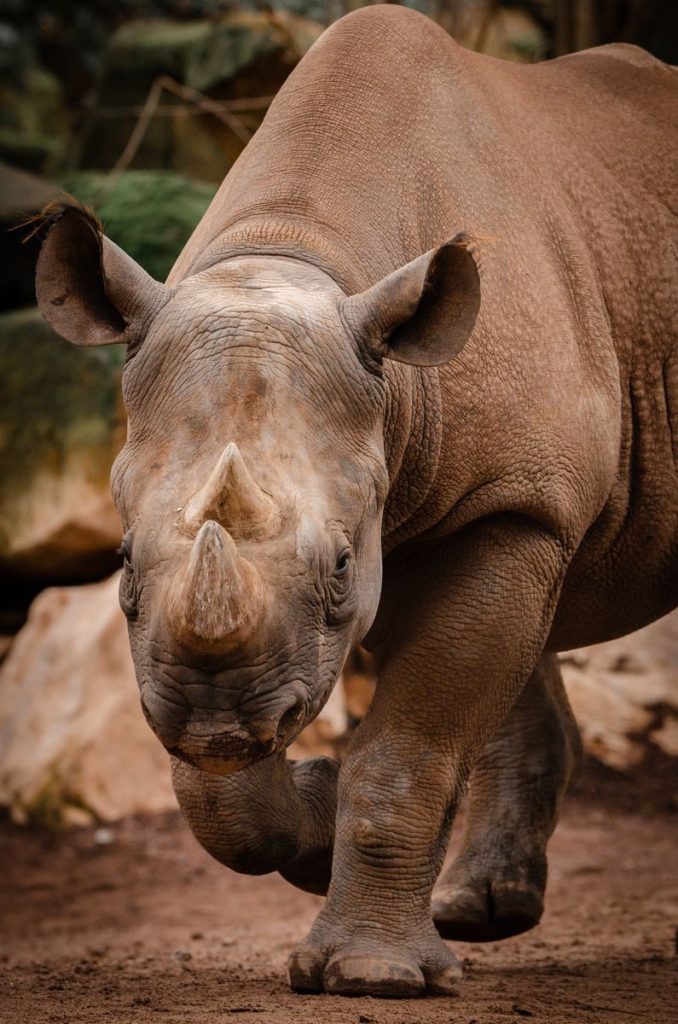
The original footage shows people working around the adult rhino’s foot while the calf remains nearby. Routine foot care can be important for managed rhinos because cracks, injuries, overgrowth, or infections can affect how comfortably such a heavy animal walks.
The Calf Moves In
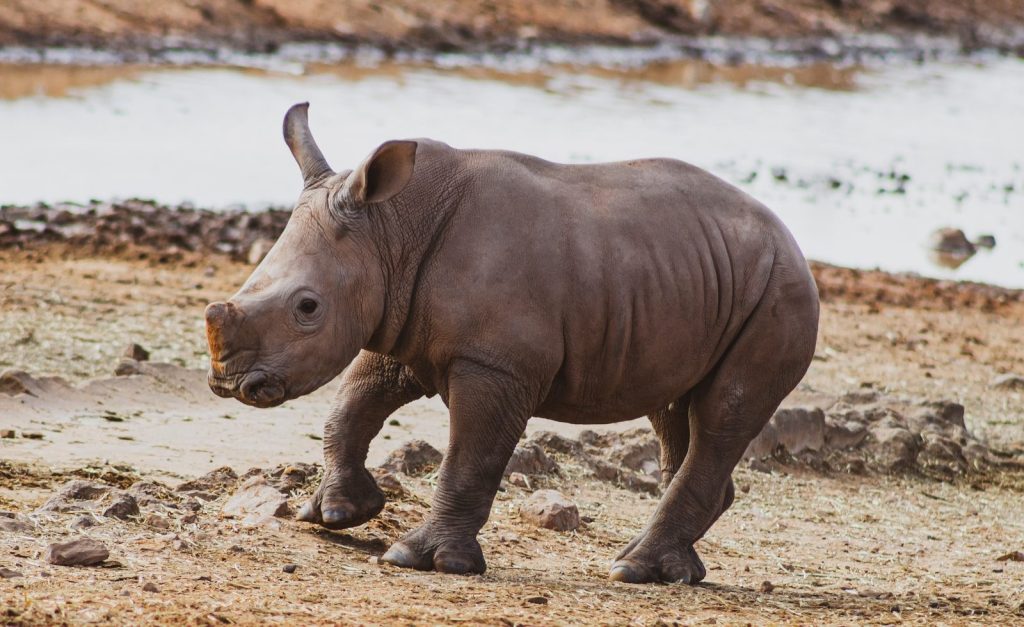
Rather than standing far away, the youngster repeatedly approaches the humans attending its mother. The behavior looks defensive because the calf places its body close to the interaction and appears unwilling to leave the adult unattended.
Intent Cannot Be Proven

The calf may have been concerned by unfamiliar handling, following its mother, investigating the people, or responding to changed behavior from the adult. A short video does not allow researchers to distinguish all these possibilities, so calling the response “protection” remains an interpretation.
Rhino Calves Follow Mom

Young rhinos depend heavily on their mothers and remain close for food, security, and learning. White rhino calves may stay with their mothers for up to several years, giving them a long period in which to learn normal movements, feeding locations, and responses to potential danger.
Mothers Usually Protect Calves

In the wild, the normal protective relationship runs primarily in the opposite direction. An adult female is vastly larger and better equipped to confront a threat. Calves stay close because their mother provides the best available defence while they are young.
Rhinos Have Poor Eyesight
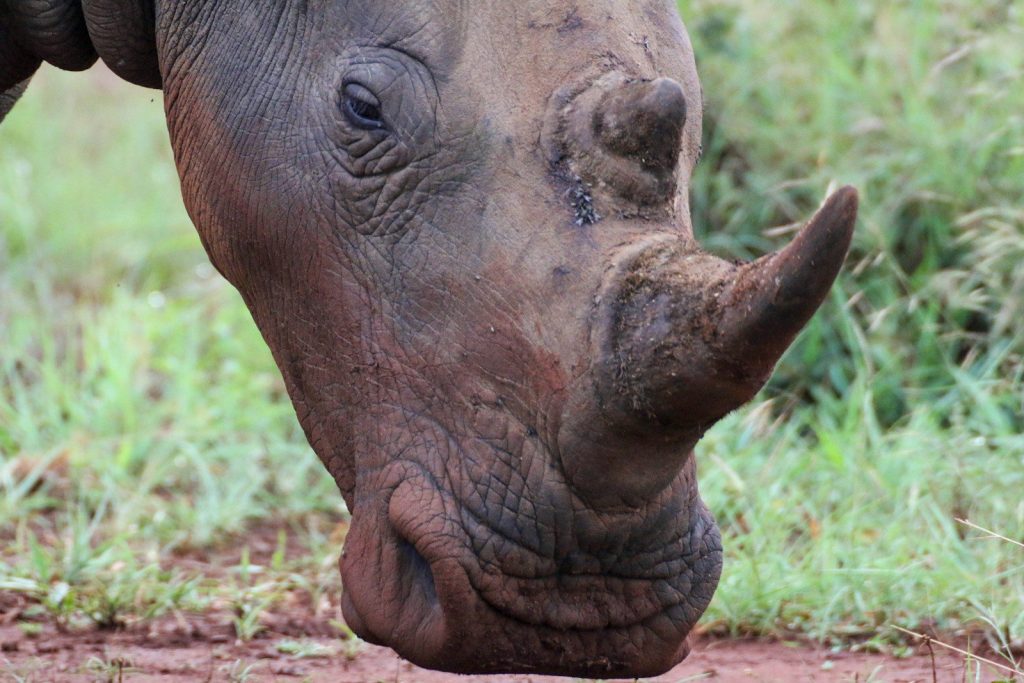
Rhinos rely heavily on hearing and smell because their eyesight is relatively poor. A young animal watching people handle its mother may therefore respond to sounds, smells, touch, and body movement it cannot fully interpret from a distance.
Care Requires Safe Procedures

Even a habituated rhino is large enough to injure people accidentally. Professional facilities use trained staff, protected working positions, veterinary planning, and positive reinforcement where possible rather than assuming a familiar animal will always remain calm.
The Bond Is Still Clear

It is unnecessary to assign the calf a detailed human-style thought to appreciate the footage. The important observation is straightforward: a young rhino remained closely engaged while its mother received care, reflecting the strong dependency that defines the early years of a rhino’s life.
Featured Image: Photo by Guerrero De la Luz on Pexels