Rodgers Oloo Magutha, known as the Nairobi Birdman, rescues injured and orphaned wild birds while living in Nairobi’s Kayole neighbourhood. His unusual work has attracted widespread attention.
Magutha says he has cared for more than 20 bird species and aims to release recovered animals whenever possible, despite limited money, space and formal wildlife-care resources.
His Love Began in Nakuru
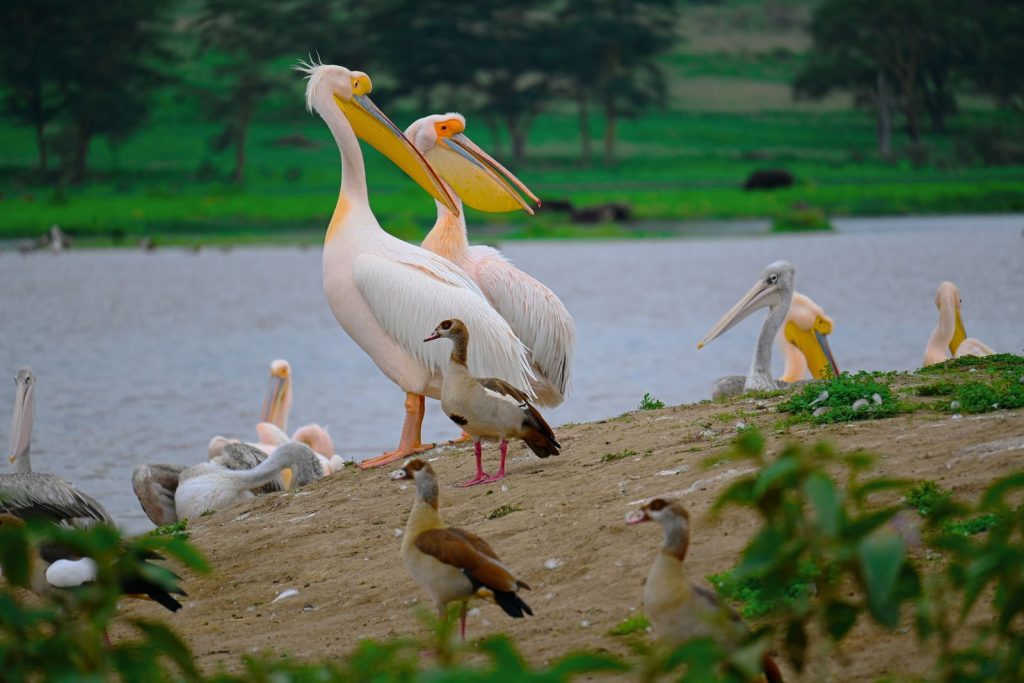
Magutha says his fascination with birds began while growing up near Lake Nakuru National Park. He spent time watching the area’s famous birdlife and remembers helping an abandoned flamingo reach the lakeshore. Those early encounters eventually grew into a personal commitment to rescuing injured birds.
Life Was Not Easy

Magutha has spoken openly about periods of homelessness before eventually securing a small room in Nairobi. His background makes his current work especially unusual: he supports himself partly through collecting recyclable material while also paying for food and basic needs for the birds under his care.
More Than 20 Species

His rescues have included black kites, African pied crows, barn owls, marabou storks and pigeons. Magutha told Associated Press that he has handled more than 20 species and tries to restore each bird to sufficient health before allowing it to return to the wild.
Birds Share His Home

Footage shows rescued birds moving freely around Magutha’s modest living space. Black kites may perch near him while pigeons walk around the room. The unusual arrangement has made him a social-media figure, but it also demonstrates the shortage of specialised space available for his rescue work.
Food Is a Challenge

Different birds require different diets, and larger scavengers such as marabou storks consume substantial amounts of food. Magutha has said that shortages sometimes make long-term rehabilitation difficult and can force difficult decisions about when an animal is ready to leave his care.
Authorities Have Concerns

Close contact with wild birds can raise disease, welfare and legal concerns, particularly when protected wildlife is kept inside a residential area. Kenyan officials and conservation professionals have questioned parts of Magutha’s approach even while recognising his strong personal commitment to helping injured animals.
He Wants a Proper Shelter
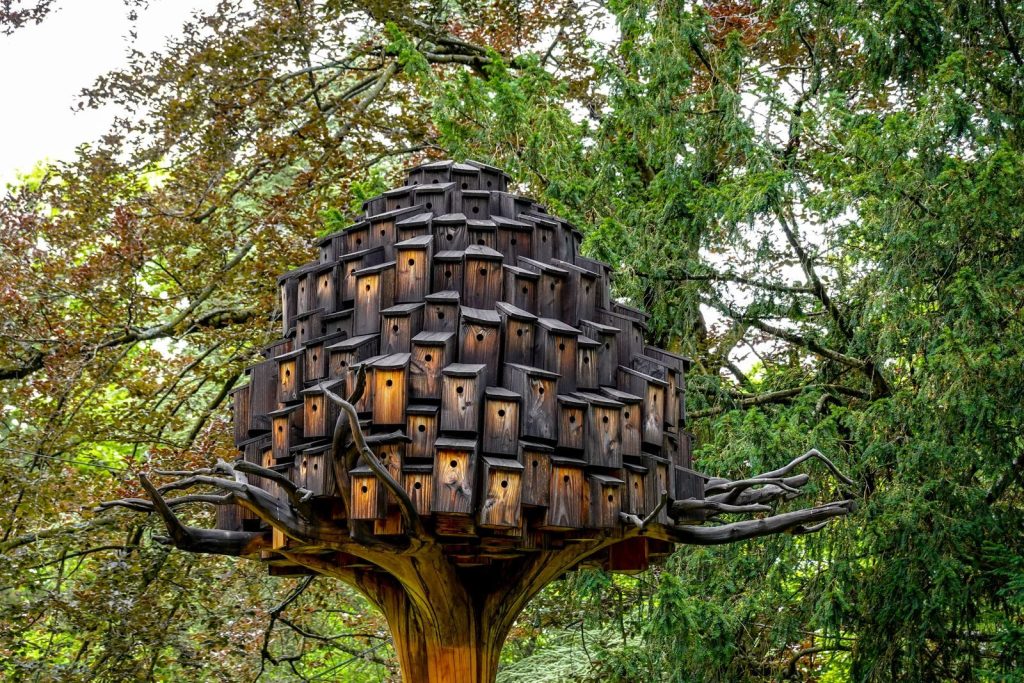
Magutha’s larger goal is to establish a dedicated shelter where birds can recover with more space and appropriate facilities. He says such a centre would let him help more wildlife while keeping different species separated and providing better conditions during rehabilitation.
Rescue Should Lead to Release

Magutha repeatedly describes release as the goal for birds capable of surviving independently. That principle is central to wildlife rehabilitation: treatment should restore a wild animal’s ability to feed, fly, avoid danger and live without permanent dependence on its human caregiver.
Featured Image: Photo by Magda Ehlers on Pexels