Wild animals can look fascinating, intelligent, or even affectionate in videos, but that does not make them domesticated. Many species have demanding social, physical, dietary, and safety needs that ordinary homes cannot meet, while some can also expose people to serious injury or disease.
This list is not a scientific ranking. It highlights animal groups that are especially difficult or risky to keep privately because of their size, strength, behavior, specialized care, zoonotic risks, or the consequences when owners can no longer manage them.
Big Cats

Lions, tigers, leopards, jaguars, and cougars are powerful predators, not oversized house cats. Their strength, territorial behavior, feeding needs, and need for secure space make private care exceptionally demanding. In the United States, the Big Cat Public Safety Act now sharply limits private possession and public contact with covered big cats. Even animals raised around people retain the physical equipment to cause catastrophic injuries. Proper lifetime care requires specialized enclosures, veterinary expertise, enrichment, and contingency planning that ordinary homes are not designed to provide. Those requirements remain for the animal’s entire life, not just adulthood.
Macaque Monkeys
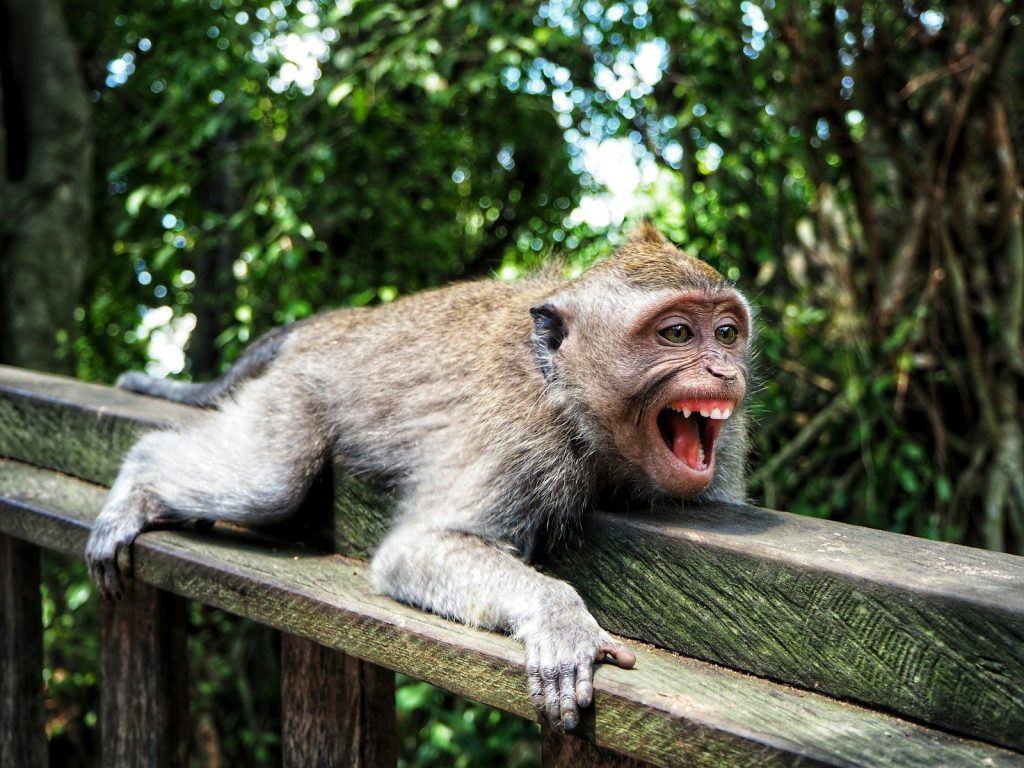
Monkeys are highly social, intelligent animals with complex behavioral needs, and macaques add a serious human-health concern. The CDC says B virus can spread from an infected macaque through bites, scratches, or exposure to certain bodily fluids. Human infections are rare, but they can be severe. The United States also prohibits importing nonhuman primates for use as pets. Beyond disease risk, keeping a primate isolated from an appropriate social group can create major welfare problems that affection from a human owner cannot simply replace. Specialized facilities use trained staff and carefully controlled housing for good reason.
Bears

A bear cub may appear manageable, but adult bears are large, exceptionally strong wild animals with powerful food-seeking behavior. National Park Service guidance repeatedly warns people to keep substantial distances from bears because attacks, while uncommon, can occur. Bears that become accustomed to human food may lose their normal wariness, damage property, and create public-safety problems. Meeting a bear’s needs also means providing space, seasonal feeding opportunities, enrichment, and secure containment on a scale far beyond normal pet care. Their natural behavior makes household life fundamentally unsuitable. Keeping one safely is a professional wildlife-management challenge, not conventional pet ownership.
Raccoons

Raccoons are clever, dexterous, and highly adaptable, which can make them look appealing as pets. Those same traits also make them difficult to confine and manage. In the United States, raccoons are among the wildlife species most often reported with rabies, and bites or scratches can trigger urgent public-health evaluation. They also retain strong foraging, climbing, denning, and defensive behaviors. A hand-raised raccoon is still a wild animal, and problems often become more difficult as it matures. Watching raccoons from a distance is safer for both people and wildlife. Local laws may also restrict possession, so legality varies by place.
Crocodilians
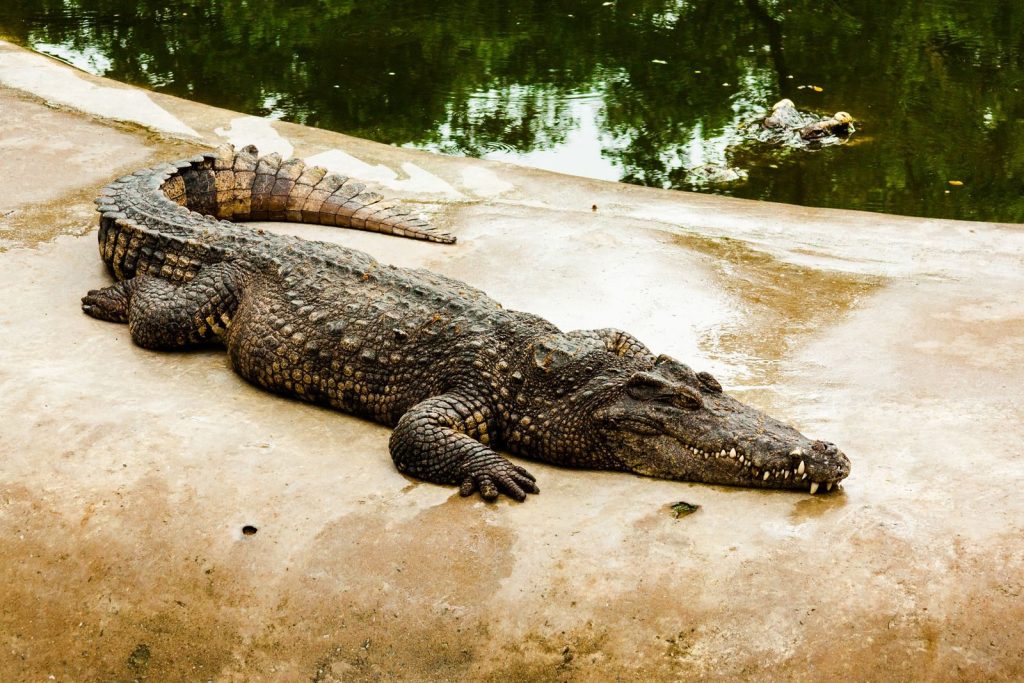
Alligators and crocodiles are built to seize prey with powerful jaws, and they grow far beyond the size most private owners can safely house. The U.S. Fish and Wildlife Service describes the American alligator as a large, semi-aquatic armored reptile that can reach impressive lengths. Secure pools, barriers, heat, water quality, food, and veterinary care quickly become major challenges. A juvenile sold at a small size does not stay small, and habituation does not remove instinctive feeding or defensive behavior. Crocodilians belong in professional facilities, not ordinary homes. Their size and aquatic needs only become harder to manage with age.
Venomous Snakes
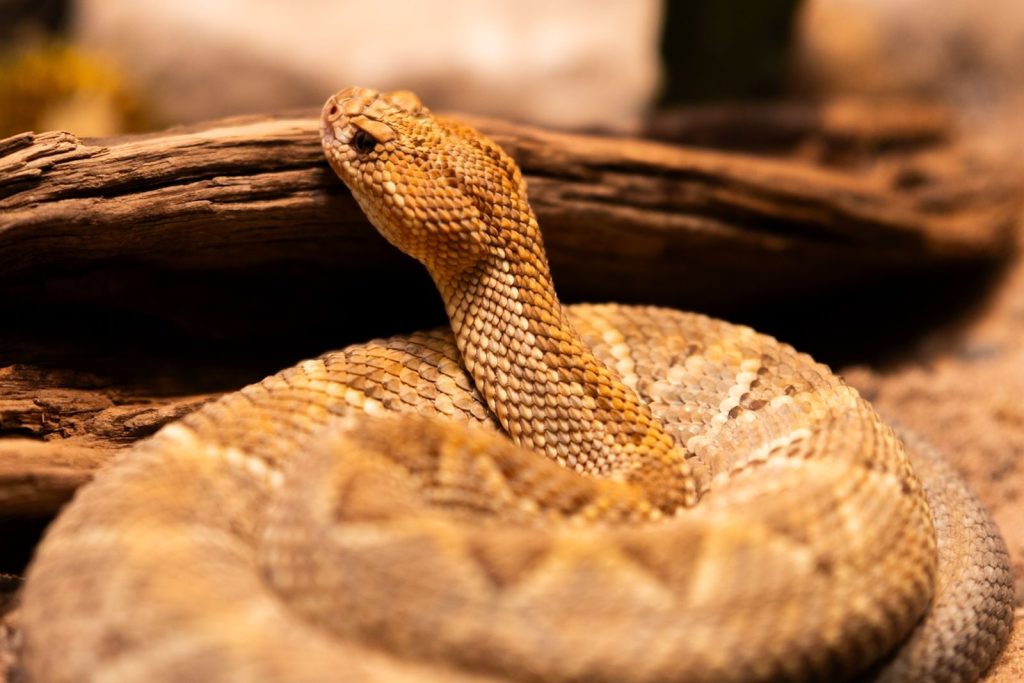
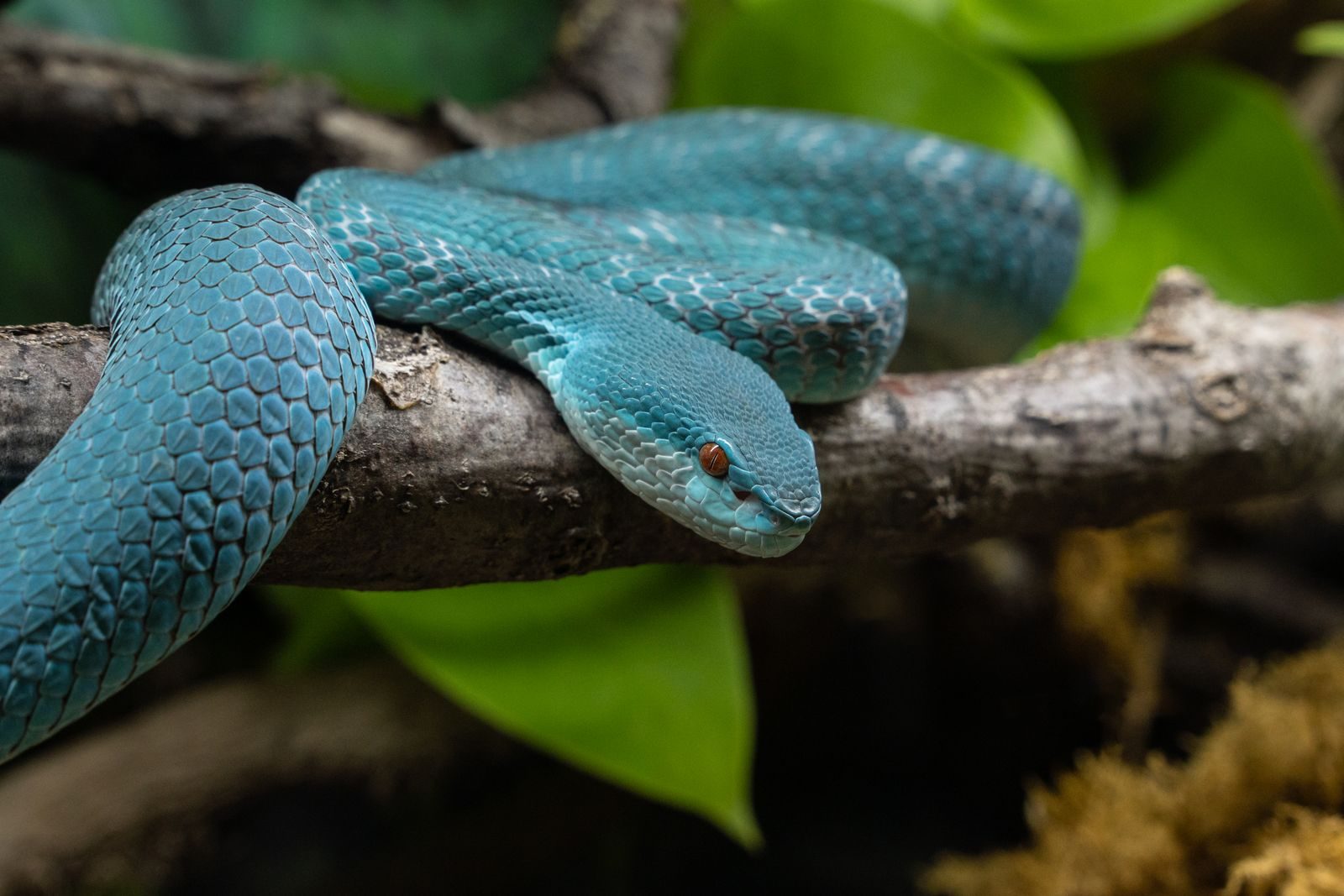
Venomous snakes combine demanding reptile husbandry with a hazard that can become a medical emergency after one handling mistake or enclosure failure. CDC guidance notes that certain reptiles can inflict venomous bites requiring immediate medical attention, while reptiles in general may also carry Salmonella without appearing sick. Safe professional care requires secure escape-proof housing, species-specific protocols, emergency planning, and trained handlers. For a private owner, the consequences of an error can extend beyond the keeper to family members, neighbors, first responders, or anyone who must enter the home. This is a level of risk management far beyond typical reptile keeping.
Large Constrictor Snakes

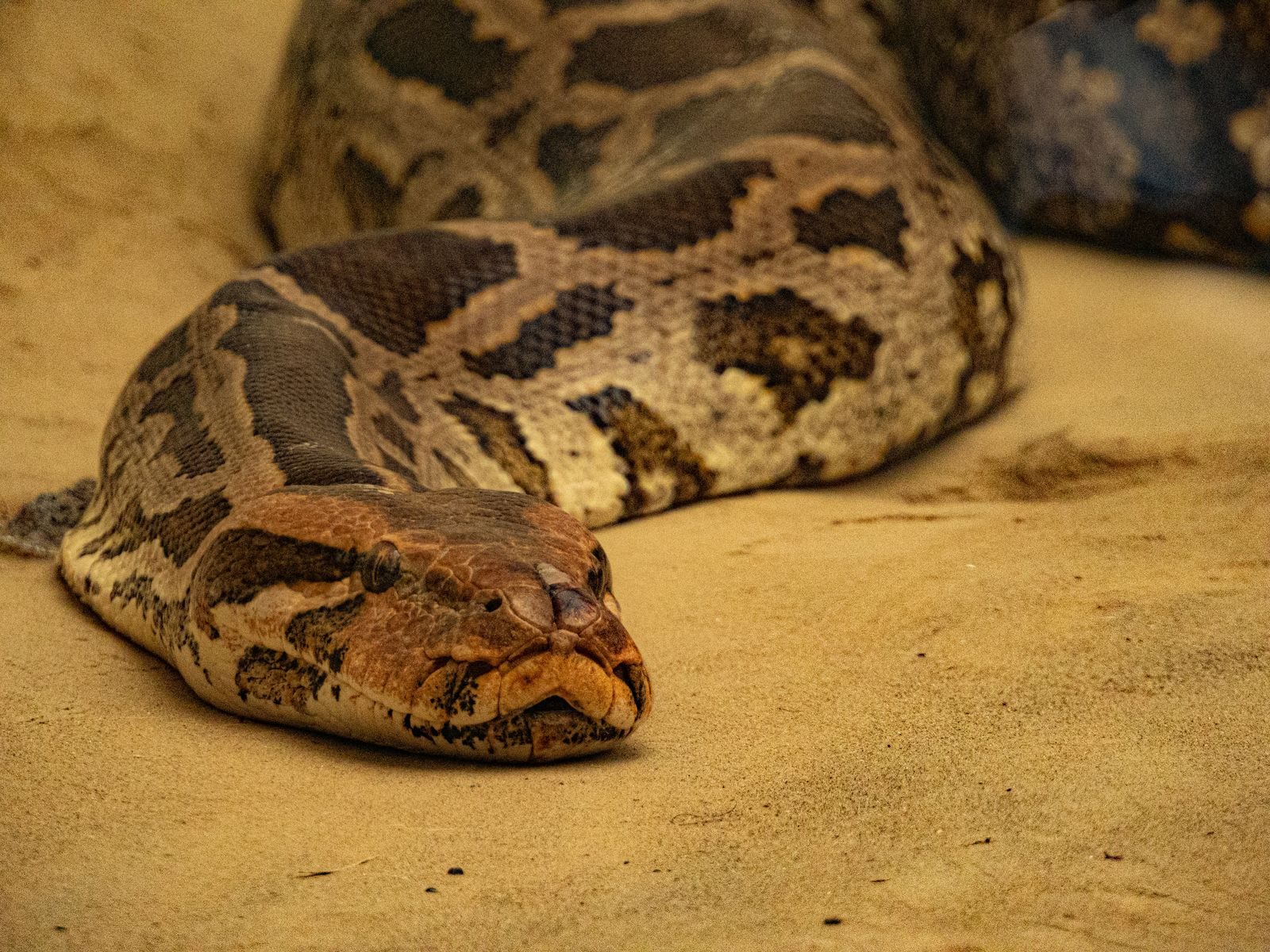
Large constrictors such as Burmese and reticulated pythons can become powerful animals requiring heavy-duty housing and experienced handling. The U.S. Fish and Wildlife Service has documented how Burmese pythons entered Florida through the exotic-pet trade and became established after releases and escapes. That history shows a second problem beyond private safety: an owner who can no longer manage a giant snake must never release it. Long lifespans, substantial food needs, enclosure security, and eventual body size make these snakes poor impulse purchases and difficult lifetime commitments. Responsible surrender through authorized programs is essential when ownership becomes impossible.
Wild Foxes
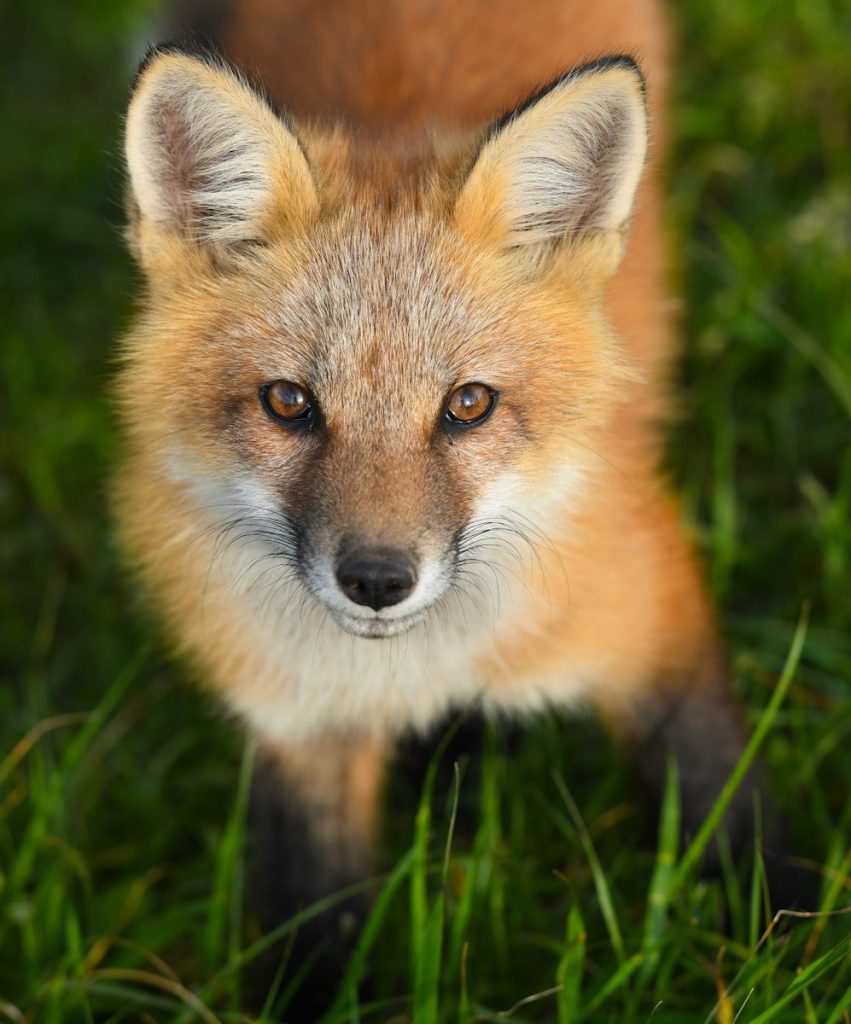
Foxes may resemble small dogs, but domestication and taming are not the same thing. Wild foxes retain strong digging, scent-marking, hunting, escape, and defensive behaviors that can clash with household life. National Park Service guidance notes that foxes can bite and may carry parasites or rabies, while the CDC lists foxes among important wildlife rabies reservoirs in the United States. Their welfare is also tied to species-appropriate space, shelter, foraging opportunities, and behavior. A fox seen in nature is usually best appreciated without trying to turn it into a pet.