Skip to content

Recent Posts

  • Baby Elephant Linh Mai Takes Her First Steps
  • Why a Kangaroo May Challenge a Human
  • How Electric Eels Shock and Control Their Prey
  • How Giraffes Escape Attacks From Lions
  • How Orcas Turn Great White Sharks Into Prey

Most Used Categories

  • Nature & Wildlife (720)
  • Risk (68)
  • Human Interest (51)
  • Hunting (24)
  • Exotic Animals (24)
  • Survival (23)
  • Bees/Swarms fear (21)
  • Suspense (18)
  • Adventure (3)
  • Gears (2)
Skip to content
  • About Us
  • Contact Us
  • Disclaimer
  • Privacy Policy
  • Terms & Conditions

Hive Hunters Tales

  • Suspense
  • Nature & Wildlife
  • Human Interest
  • Hunting
  • Bees/Swarms fear
  • Exotic Animals
  • Risk
  • Survival
  • Adventure
  • Gears
  • Home
  • Nature & Wildlife
  • Why Birds Pluck Deer Fur for Their Nests
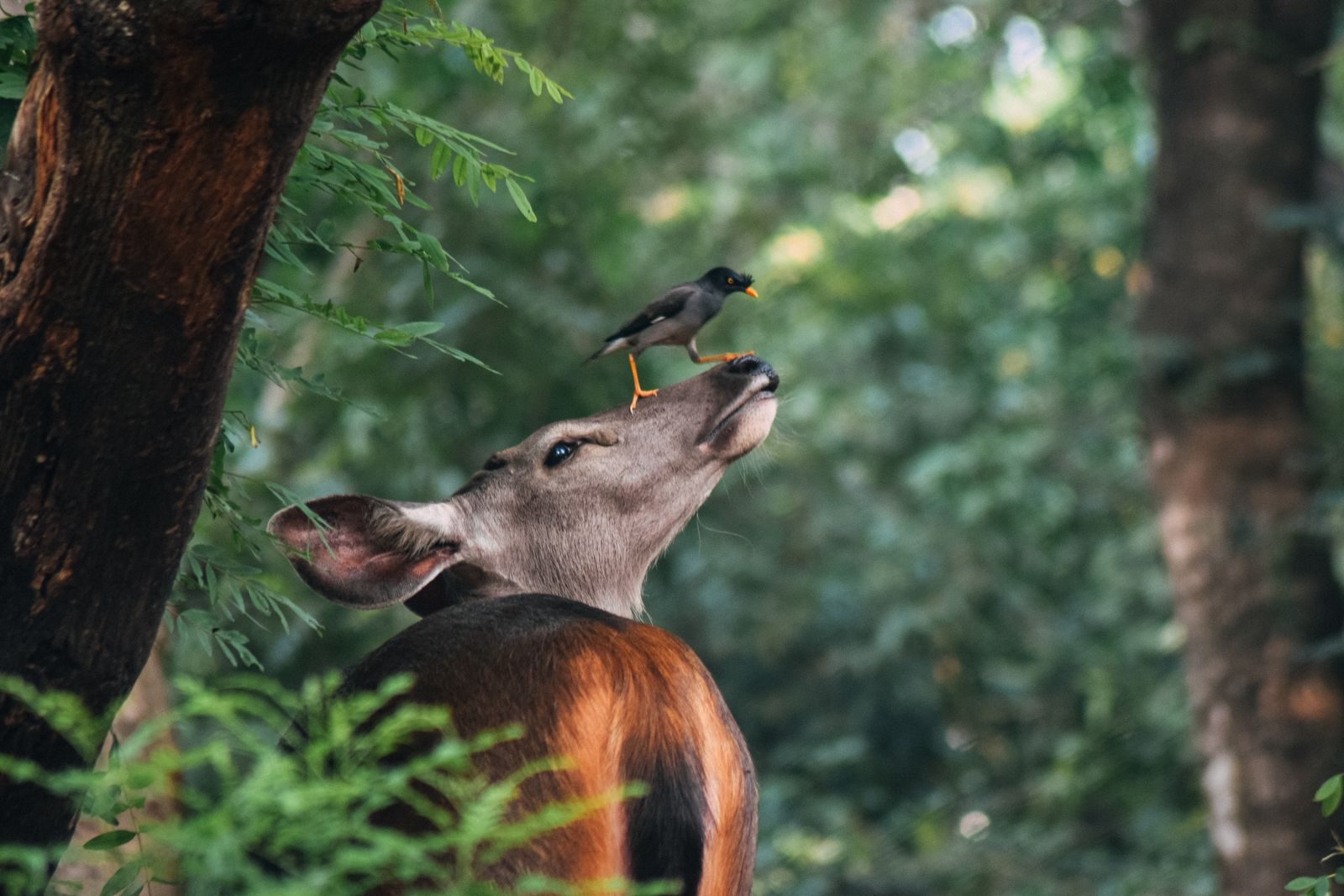
A vibrant image of a myna bird perched on a deer's head in a lush forest setting.

Why Birds Pluck Deer Fur for Their Nests

JakeAugust 10, 2026August 10, 2026

Photographer Paul Browning filmed birds landing on a deer in London’s Richmond Park in March 2021 and pulling loose fur directly from its coat.

The deer continued grazing while the birds collected material. Fur is valuable because many small birds use soft animal hair to line the inner cup of a nest.

Birds Land on the Deer

A close-up of a kudu with an oxpecker on its back in the African savanna.
Photo by Charl Durand on Pexels

Storyful verified footage from Richmond Park showing several birds perched directly on a deer and removing tufts of hair. The animal continued feeding and showed little obvious reaction while its loose coat became a source of nesting material.

Fur Makes a Soft Lining

A detailed view of hatchlings resting in a nest on a tree in a forest setting.
Photo by CocaKolaLips on Pexels

Outer nest structures may rely on twigs, moss, leaves, grasses, or bark, while the inner cup often contains softer material. Hair and fur can cushion eggs and chicks while providing additional insulation during cool spring nights.

Deer Shed Seasonally

A deer with antlers grazes in a field under a clear blue sky surrounded by lush greenery.
Photo by Zhengyang TIAN on Pexels

The timing works particularly well when deer shed thicker winter coats as temperatures rise. Loose hair becomes easier for birds to remove, reducing the need to search widely for small scraps scattered across the landscape.

Some Birds Pluck Mammals
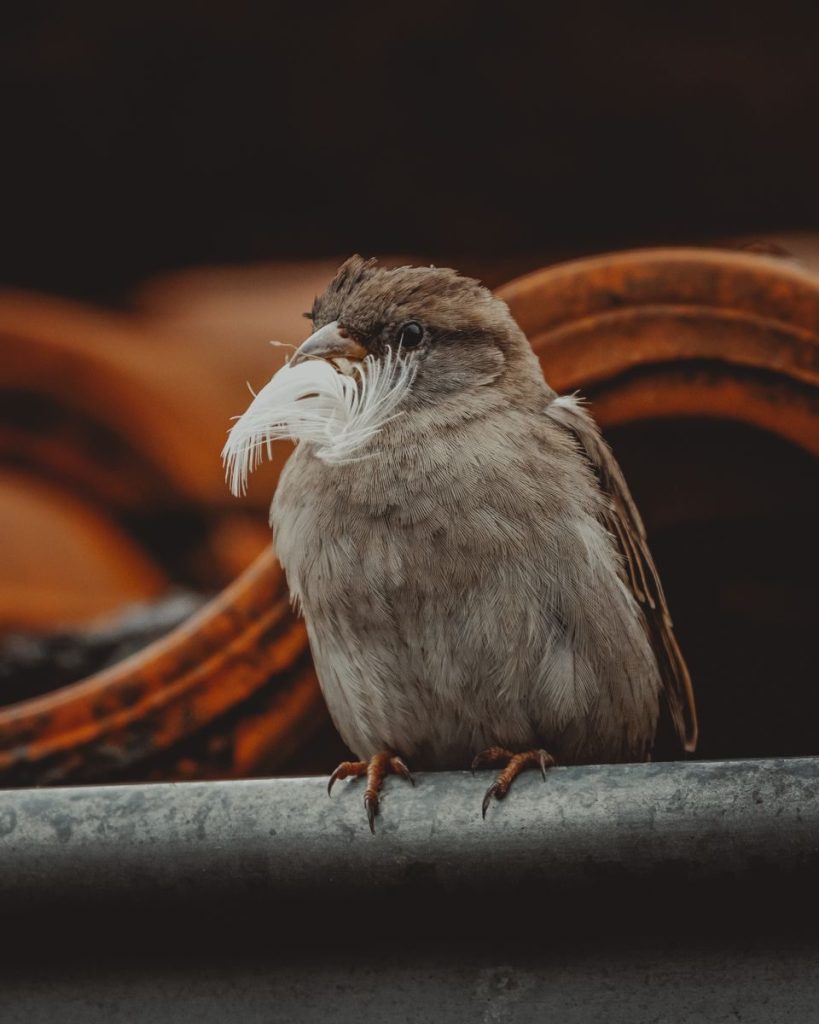
Small curious common sparrow bird with brown plumage sitting on fence in street in daylight
Photo by David Selbert on Pexels

Directly taking hair from a living mammal is not unique to the Richmond Park video. Tufted titmice have been documented pulling hair from animals, while several other cavity-nesting birds readily incorporate mammal fur into their nests.

Deer Hair Appears in Nests

brown bird nest on tree branch
Photo by Luke Brugger on Unsplash

Chestnut-backed chickadees are among birds known to use large quantities of fur and hair in nesting material, including deer hair. What looks like a strange encounter therefore fits a broader pattern of birds exploiting whatever soft natural fibers are locally available.

The Deer Was Not Helping Deliberately

A serene deer grazing in the lush green fields of Amsterdam's rural landscape.
Photo by Sonny Vermeer on Pexels

The deer’s calm behavior should not automatically be interpreted as intentionally donating fur. It may simply have tolerated the birds because the light pulling was not sufficiently irritating to interrupt feeding. The video reveals tolerance, but not a proven cooperative agreement.

Fur Can Help Insulation
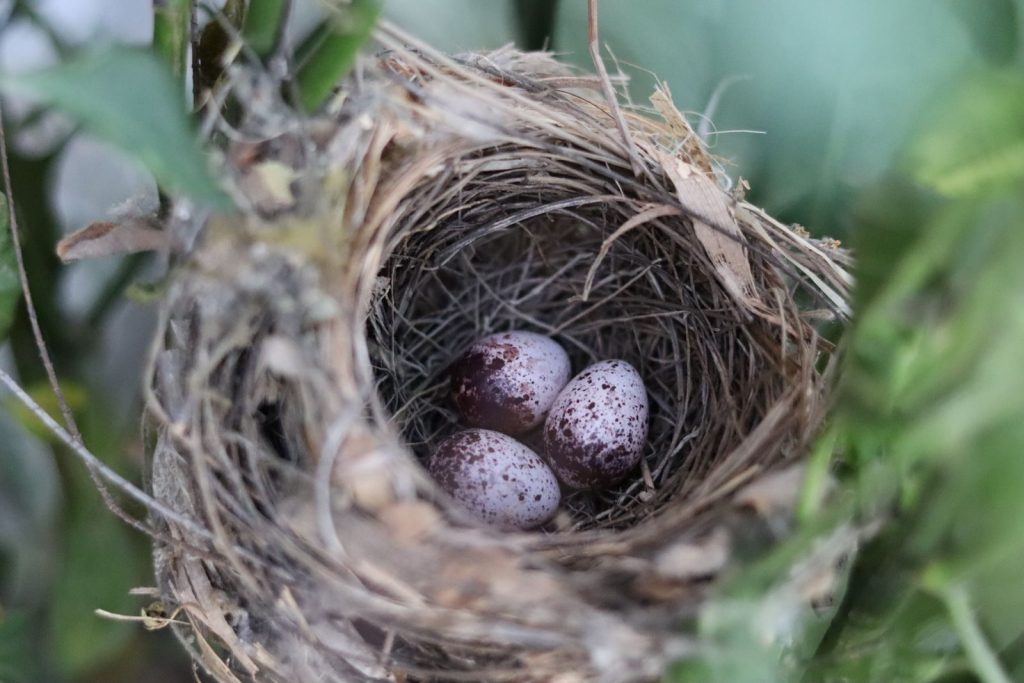
From above of spotted bird eggs in dry nest coiled of tree twigs near green leaves in daylight in park
Photo by PRIYA MISHRA on Pexels

A small nestling loses heat far more quickly than a large adult bird. A layer of mammal hair traps air and creates a softer insulated cup around eggs and chicks, making shed fur an attractive construction material during nesting season.

Not All Pet Fur Is Safe

A white stork stands in its nest atop a tall tree, surrounded by vibrant leaves under a clear blue sky.
Photo by Manuel Torres Garcia on Pexels

People sometimes leave pet hair outdoors for nesting birds, but conservation groups warn against fur contaminated with flea or tick pesticides and other chemicals. Natural nesting habitat, native plants, and undisturbed materials are safer than offering potentially treated hair.

Featured Image: Photo by Anshuman Mohapatra on Pexels
Post navigation

Previous: A Day Harvesting Honey With Azerbaijani Beekeepers
Next: Baby Rhino Stays Close During Mom’s Foot Care

Related Posts

Focused close-up of a Greater Kudu showcasing its large ears and gentle expression.

8 Animals With Remarkably Large Ears

August 10, 2026August 10, 2026 Jake
a rhino laying down in a grassy field

8 Wildlife Species Declared Extinct This Century

August 10, 2026August 10, 2026 Jake
Detailed portrait of a colorful wreathed hornbill amidst lush greenery.

8 Unusual-Looking Animals That Still Need Saving

August 10, 2026August 10, 2026 Jake

Leave a Reply Cancel reply

Your email address will not be published. Required fields are marked *

Recent Posts

  • Baby Elephant Linh Mai Takes Her First Steps
  • Why a Kangaroo May Challenge a Human
  • How Electric Eels Shock and Control Their Prey
  • How Giraffes Escape Attacks From Lions
  • How Orcas Turn Great White Sharks Into Prey
Copyright All Rights Reserved | Theme: BlockWP by Candid Themes.