Animal myths can survive for generations because they are simple, memorable, and repeated in cartoons, films, sayings, and social media.
The real biology is often more interesting. Bats can see, camel humps contain fat, and lemmings do not deliberately leap from cliffs to control their population.
Bats Are Blind
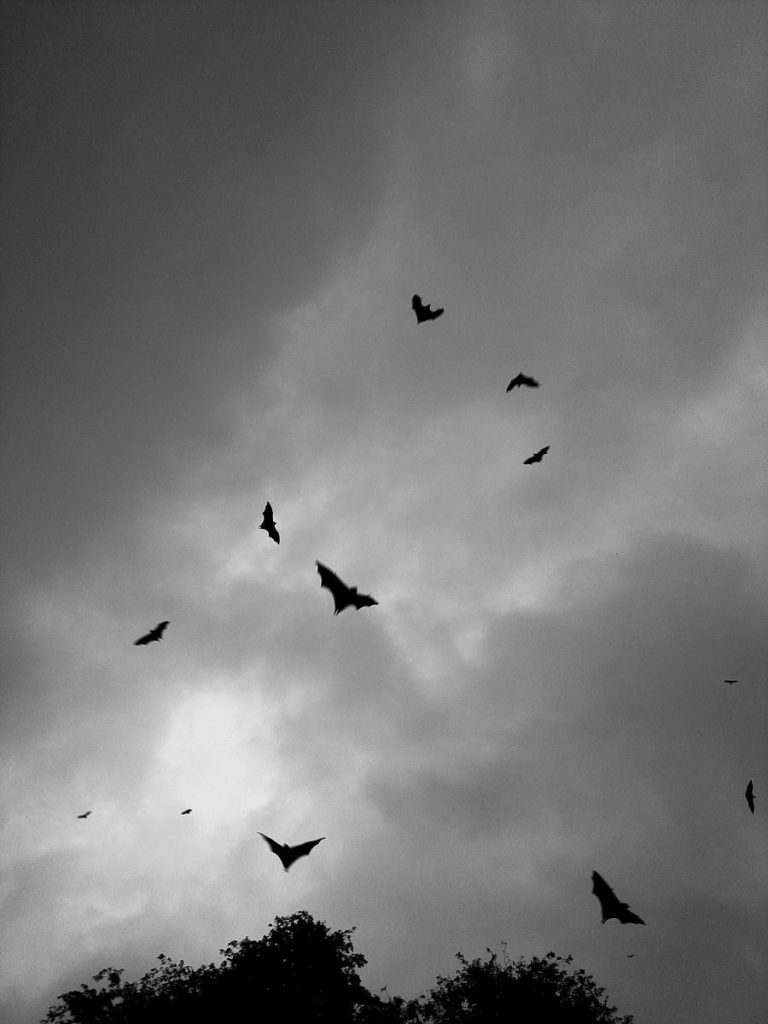
Bats are not blind. Bat Conservation International states that all bats have functional eyes, although visual abilities vary between species.
Many bats combine eyesight with echolocation, using returning sound echoes to detect surroundings and locate prey. Echolocation therefore supplements vision rather than proving that vision is absent. Some species rely heavily on visual cues, especially under low-light conditions. The familiar phrase “blind as a bat” badly misrepresents animals whose sensory systems allow them to navigate complex environments remarkably effectively after dark.
Porcupines Shoot Quills
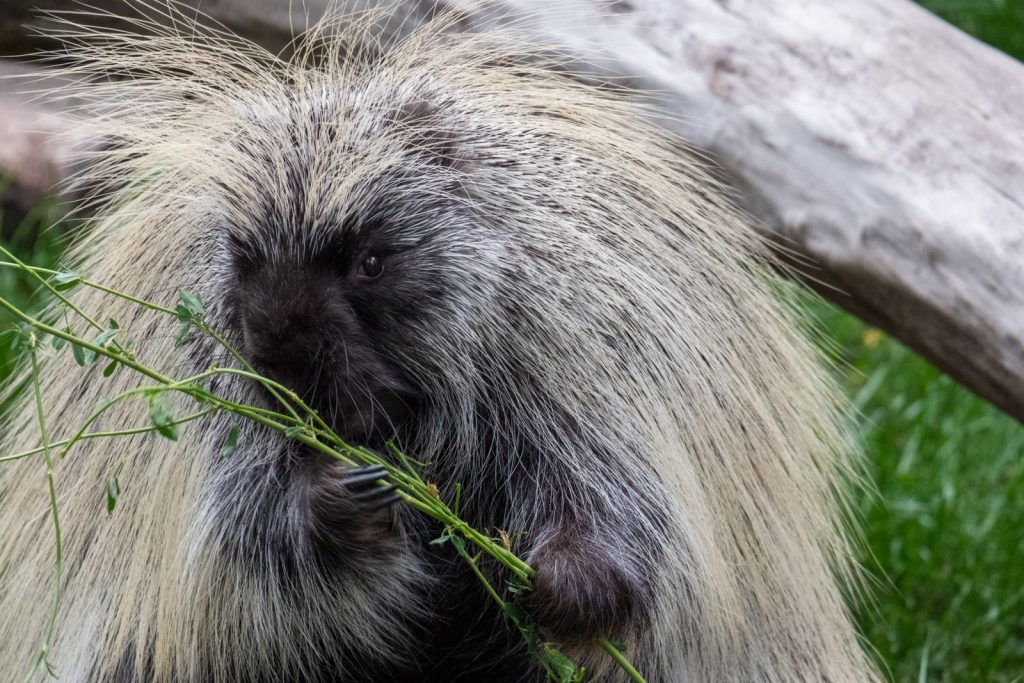
Porcupines cannot shoot or throw their quills. Smithsonian’s National Zoo explains that the quills are loosely attached and detach when a predator physically contacts them.
A threatened porcupine may raise its quills, turn its back toward the attacker, and lash with its tail. The predator can suddenly retreat with quills embedded in its skin, which probably helped create the illusion that the animal fired them from a distance. The real defence requires contact, but thousands of barbed quills still make grabbing a porcupine extremely risky.
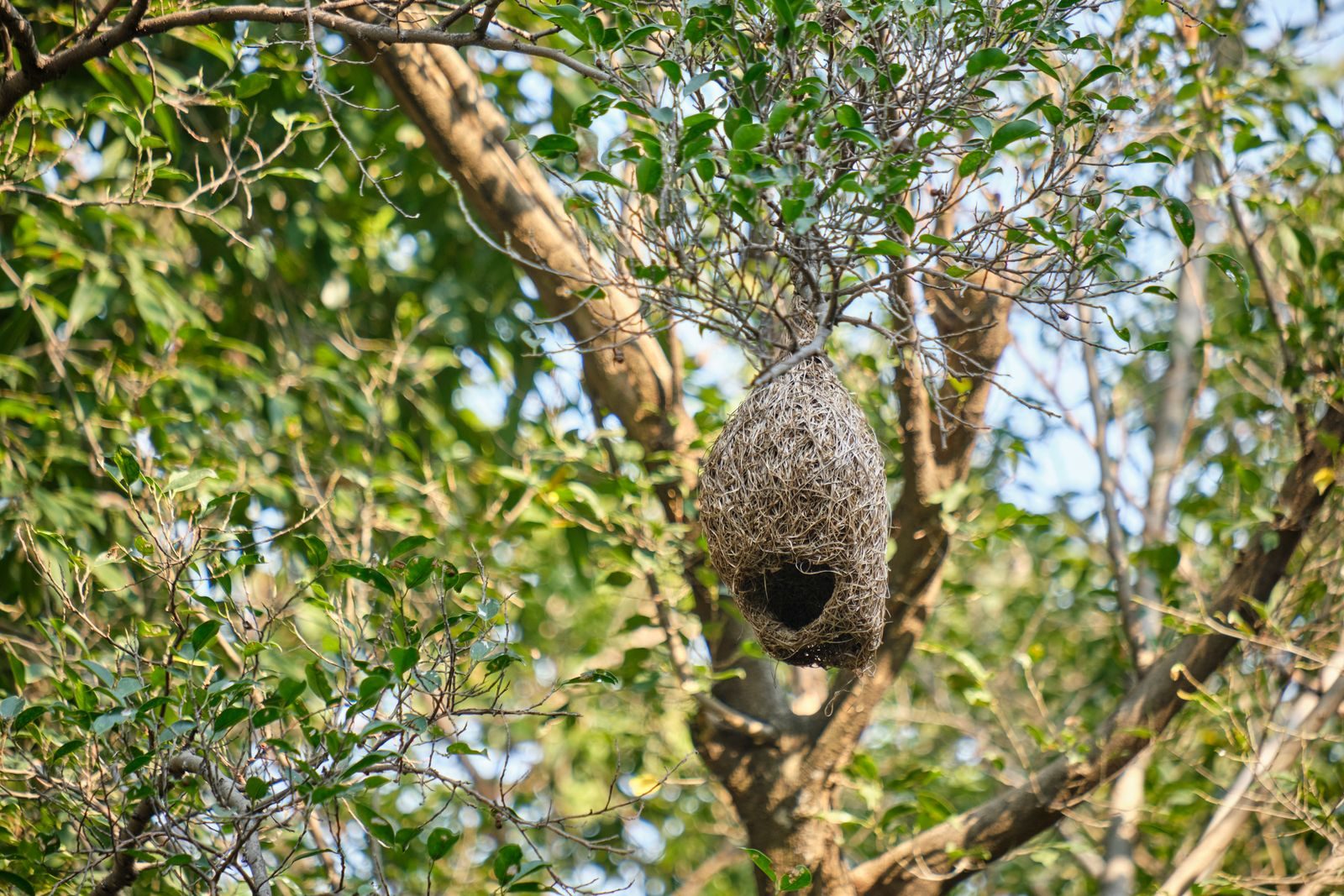
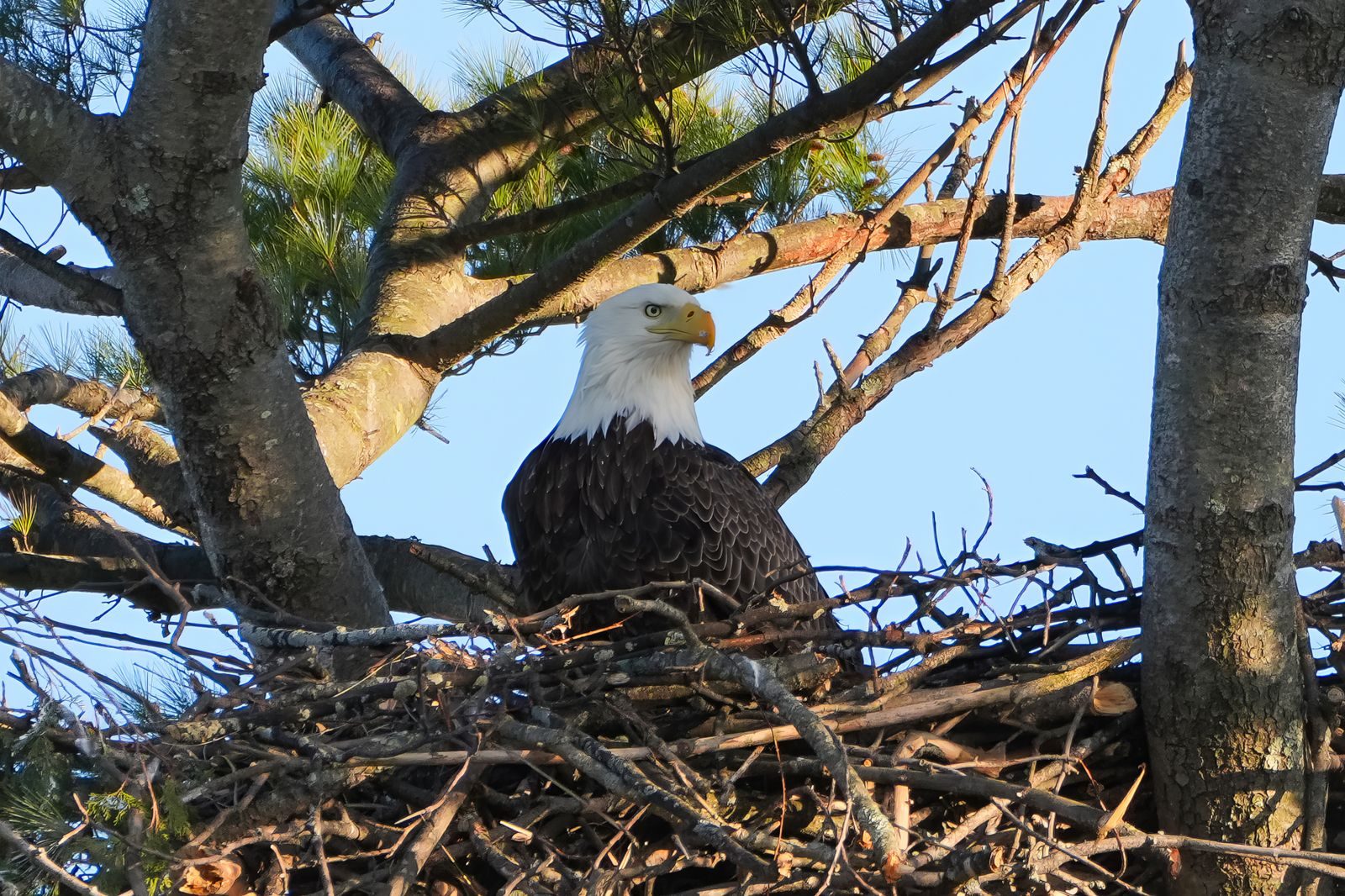
Birds Reject Touched Chicks
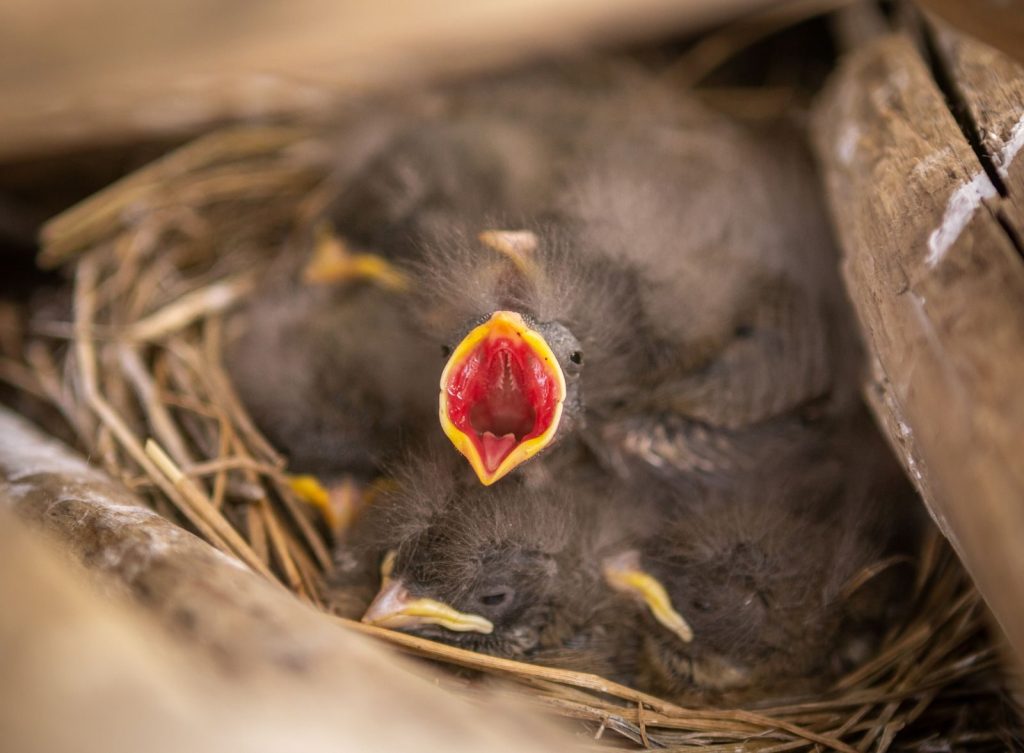
Most parent birds will not abandon their young merely because a human touched them. Cornell Lab specifically identifies this as a myth.
Parents have already invested substantial time and energy into raising their offspring and do not simply reject a chick because its scent changed. A fallen nestling can sometimes be returned to its nest, while a healthy fledgling on the ground is often going through a normal stage of learning to fly. Handling should still be minimized, and injured birds may need professional wildlife-rehabilitation advice.
Ostriches Bury Their Heads

Ostriches do not bury their heads in sand when frightened. San Diego Zoo explains that a bird unable to run may lie flat with its head and neck stretched along the ground.
Because the head and neck are lightly colored, they can blend with the surrounding soil when viewed from a distance. This creates the illusion that the head has disappeared underground. In reality, an ostrich relies primarily on awareness and running speed to escape danger. If cornered, its powerful legs can also provide serious physical defence.
Camels Store Water in Humps
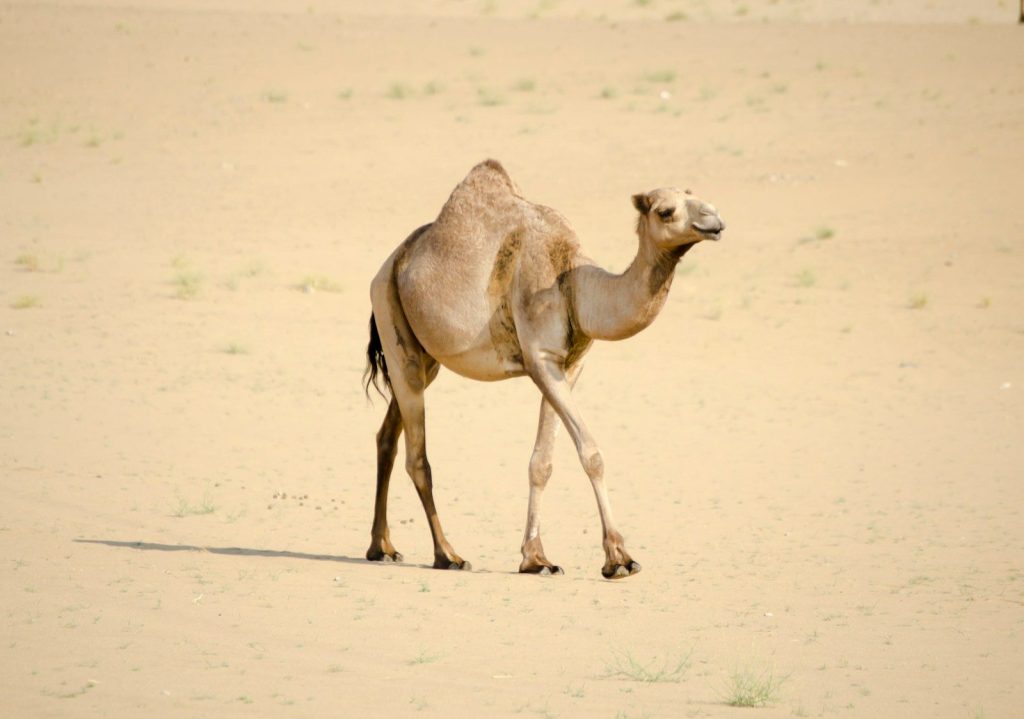
A camel’s hump contains fat, not a tank of stored drinking water. San Diego Zoo and the Library of Congress both explicitly correct this common myth.
Concentrating fat in the hump gives the camel an energy reserve that can be used when food becomes scarce. Camels survive dry environments through several physiological adaptations that help them conserve water and tolerate dehydration, but the water itself is not sitting inside the hump. As stored fat is used, the hump can shrink or become less firm until the animal rebuilds its reserves.
Lemmings Commit Suicide

Lemmings do not deliberately migrate to cliffs and jump to their deaths. Alaska Department of Fish and Game calls mass lemming suicide a myth.
Their populations can increase dramatically, causing individuals to disperse in search of food and habitat. Some may die while crossing difficult terrain or water, but they are trying to survive rather than participating in collective suicide. The myth became especially famous through staged wildlife footage in the twentieth century, which helped turn an unusual population phenomenon into a fictional story about deliberate mass death.
Goldfish Forget in Seconds
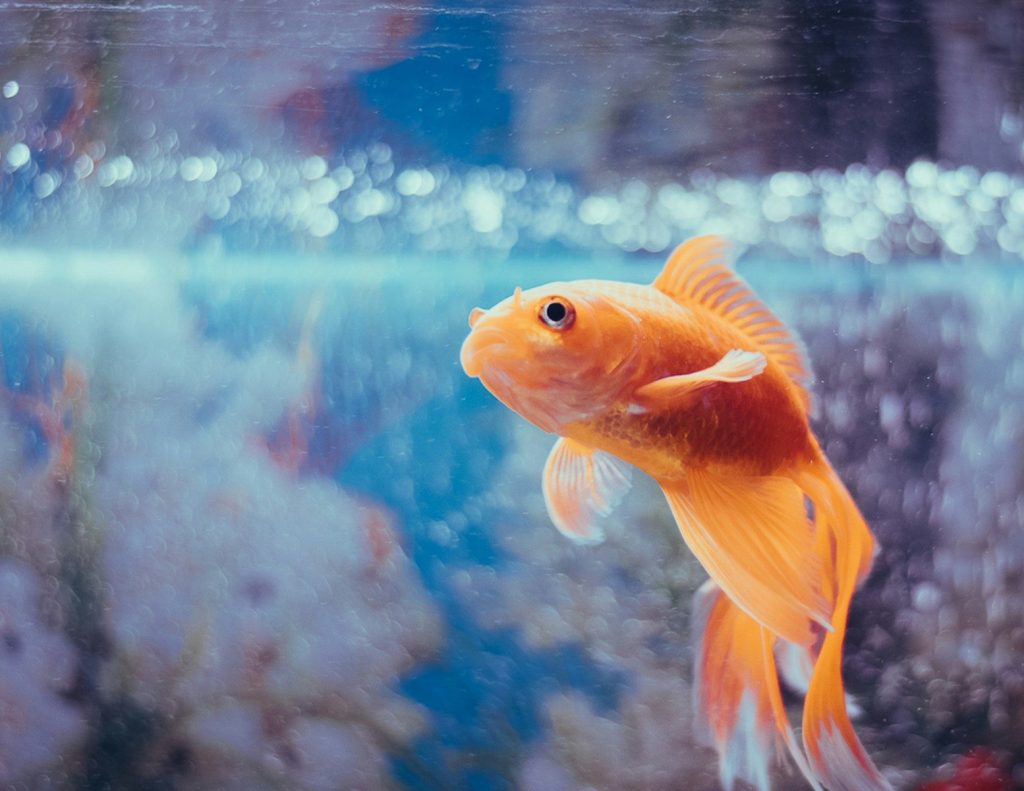
Goldfish do not have a three-second memory. Experiments have repeatedly shown that they can learn tasks, use spatial information, and remember what they learned far longer than a few seconds.
An educational research project hosted by the American Museum of Natural History found goldfish capable of learning quickly and retaining maze-related information for at least a month. Modern studies of fish cognition continue to show that these animals can learn from their surroundings. The familiar “three-second memory” claim survives mainly because it is memorable, not because experimental evidence supports it.
Sharks Must Keep Swimming

Not every shark has to swim constantly to stay alive. The belief comes from species that rely heavily on forward movement to push oxygen-rich water across their gills.
Other sharks can remain relatively still while moving water across the gills through different mechanisms. Shark researcher Eugenie Clark famously helped challenge the universal version of this myth after observing resting sharks in underwater caves. The accurate statement is therefore species-specific: some sharks depend strongly on continuous swimming for ventilation, while the claim that all sharks die whenever they stop moving is false.
Featured Image: Photo by Lorenzo Manera on Pexels