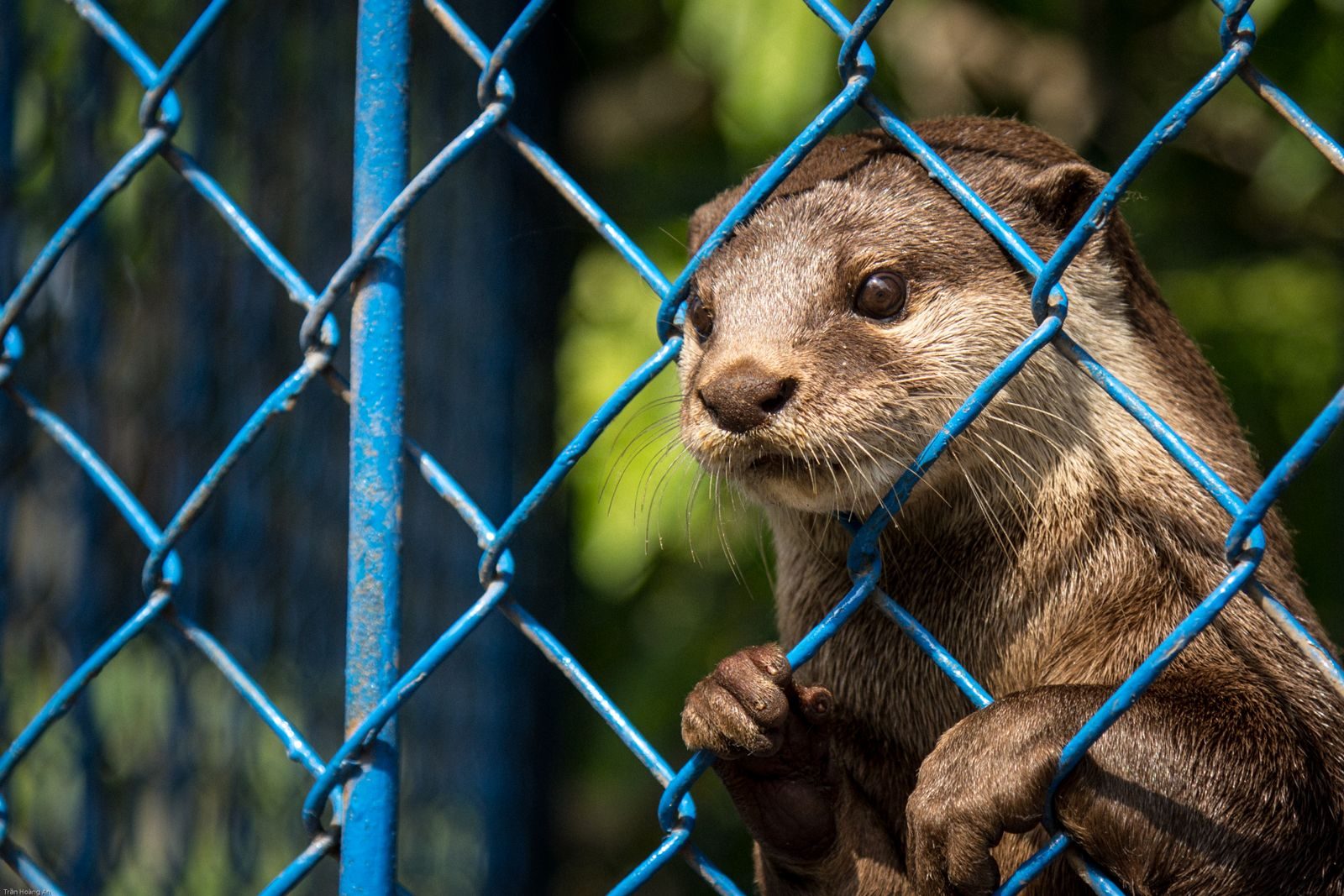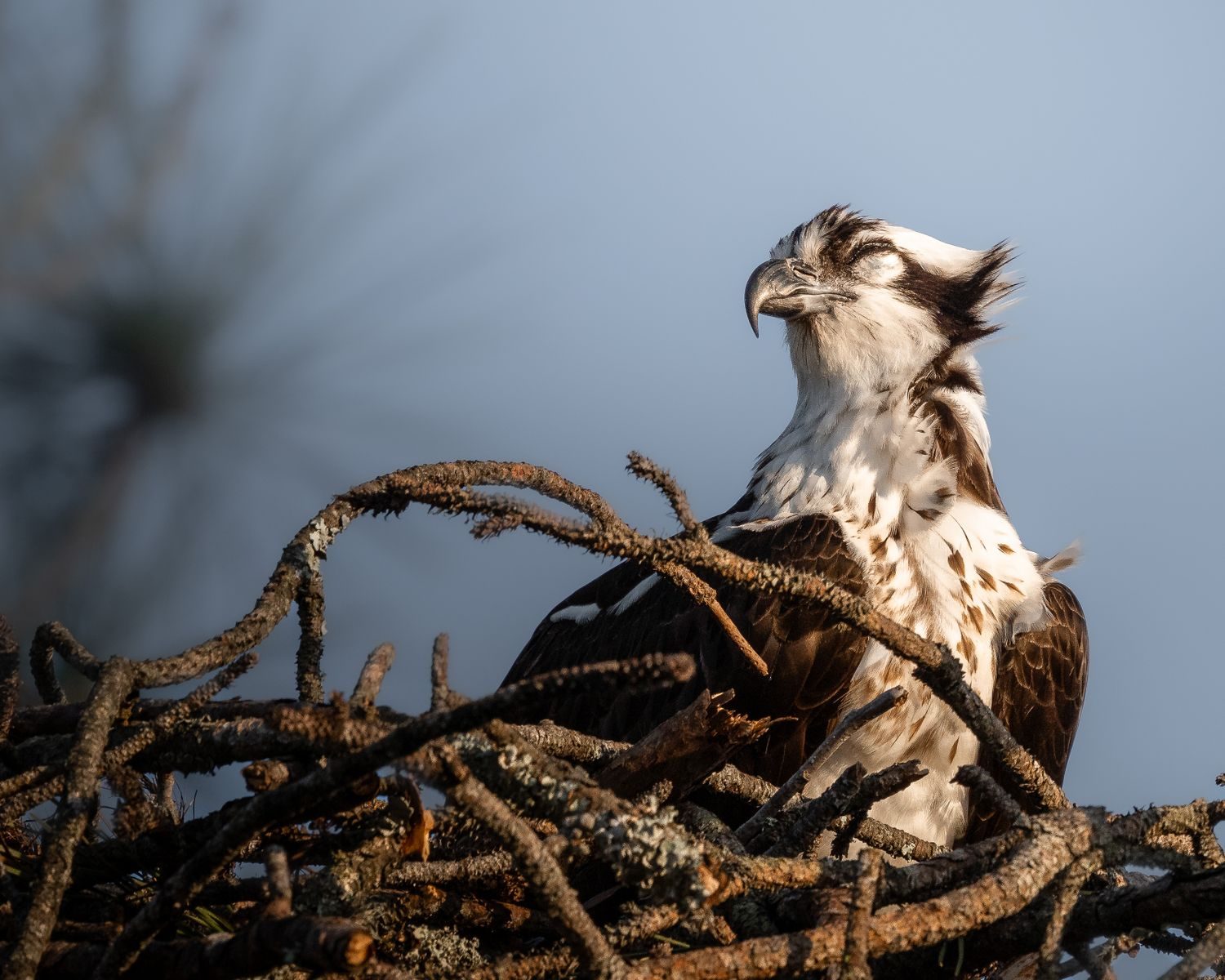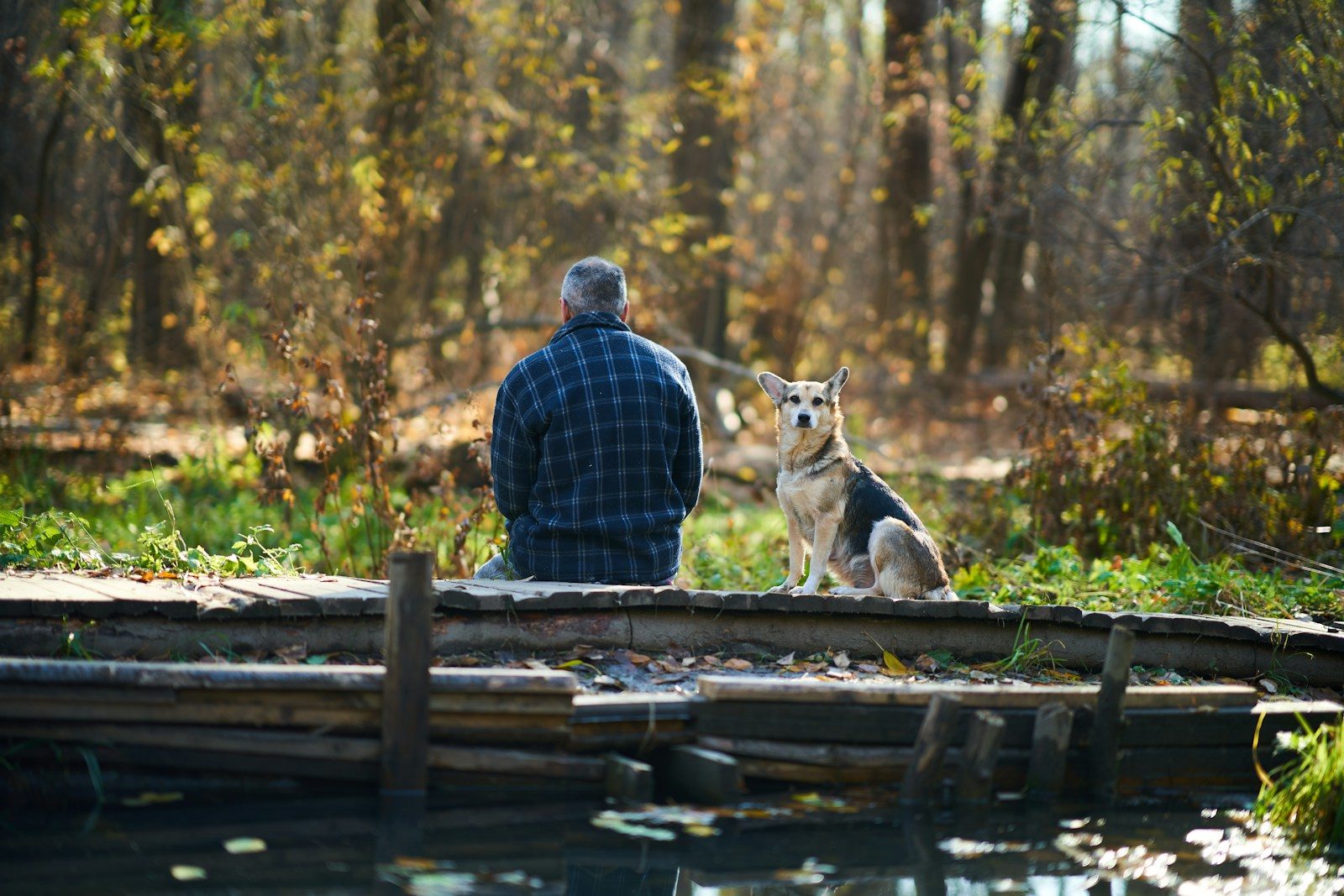
For years, humans have treated national parks and wilderness areas as places where wildlife simply “gets used” to people. But new research suggests the opposite may be true. Even in landscapes with minimal development, animals are constantly adjusting their behavior around us, treating ordinary human activity as a serious threat.
A major 2025 study published in Proceedings of the Royal Society B tracked 229 mammals from 10 species across 14 U.S. national parks using GPS collars. Researchers compared movement patterns between 2019, when parks operated normally, and 2020, when COVID shutdowns dramatically reduced human presence. The difference was striking.
Animals that normally avoided roads, trails, and campgrounds during the day suddenly began using them more freely once people disappeared. Mule deer crossed open trails in daylight. Predators expanded their movement ranges. Species that had become mostly nocturnal shifted back toward daytime activity.
The moment visitors returned, wildlife retreated again.
The findings suggest animals are not merely aware of us. They actively reorganize their lives around avoiding human encounters.
Human Presence Changes Animal Behavior
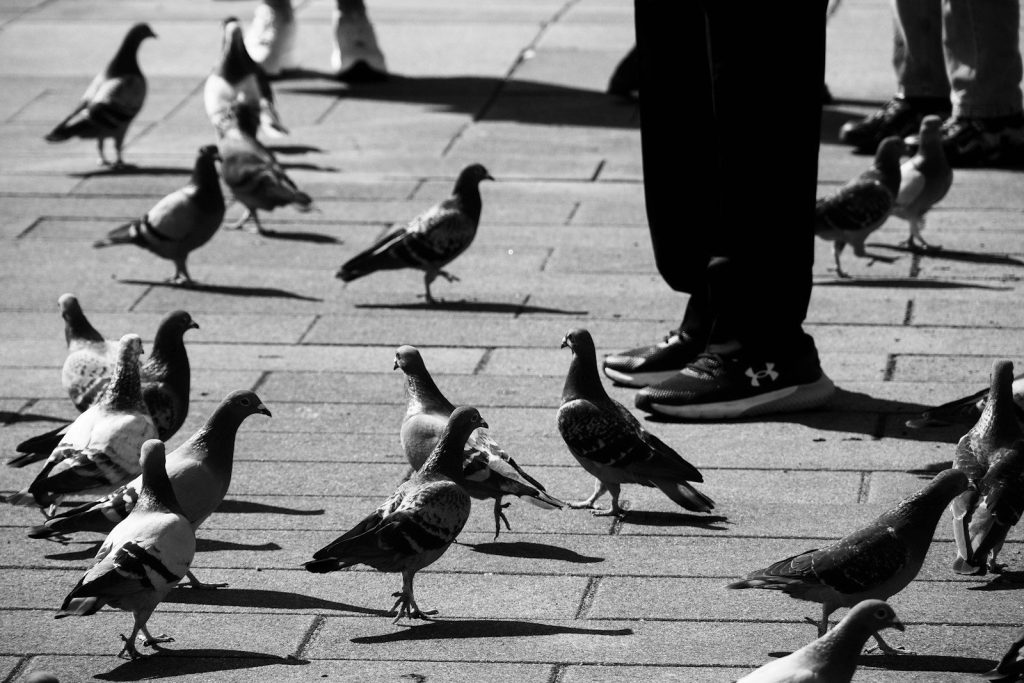
What makes the study so significant is that researchers weren’t examining hunting, logging, or urban development. They were studying the effect of simple recreation: hiking, walking, camping, and sightseeing.
Even low-impact human activity altered wildlife movement.
Camera-trap studies published in recent years have shown similar patterns. Mammals often become more nocturnal near busy trails, shifting feeding and movement schedules to avoid daytime visitors. Some species abandon otherwise ideal habitat if human traffic becomes too frequent.
Researchers increasingly believe animals interpret humans much like they would natural predators.
That reaction appears deeply ingrained. Many animals evolved alongside predators for thousands of years, and the safest strategy is usually avoidance. To wildlife, a human walking through the forest may not look very different from any other potentially dangerous hunter.
Even Predators Fear Humans
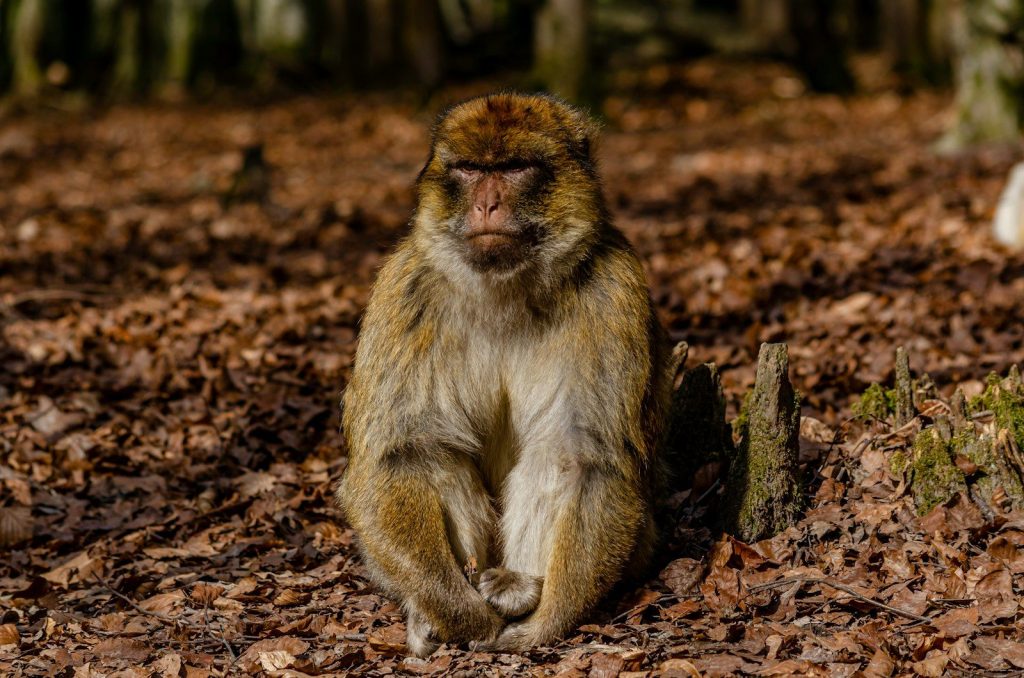
One of the most revealing experiments involved pumas in California’s Santa Cruz Mountains. Researchers played recordings of ordinary human conversations near puma feeding sites.
The response was immediate.
The big cats abandoned kills more frequently, spent less time feeding, and delayed returning to carcasses after hearing human voices. No aggressive action occurred. There were no vehicles, weapons, or direct encounters.
The sound of people talking alone was enough to trigger fear behavior.
That finding supports the growing scientific idea that humans function as what some researchers call a “super predator.” Animals may respond to us more strongly than they do to wolves, bears, or other natural threats because human activity historically carries such high risk.
National Parks Are Not Invisible Sanctuaries
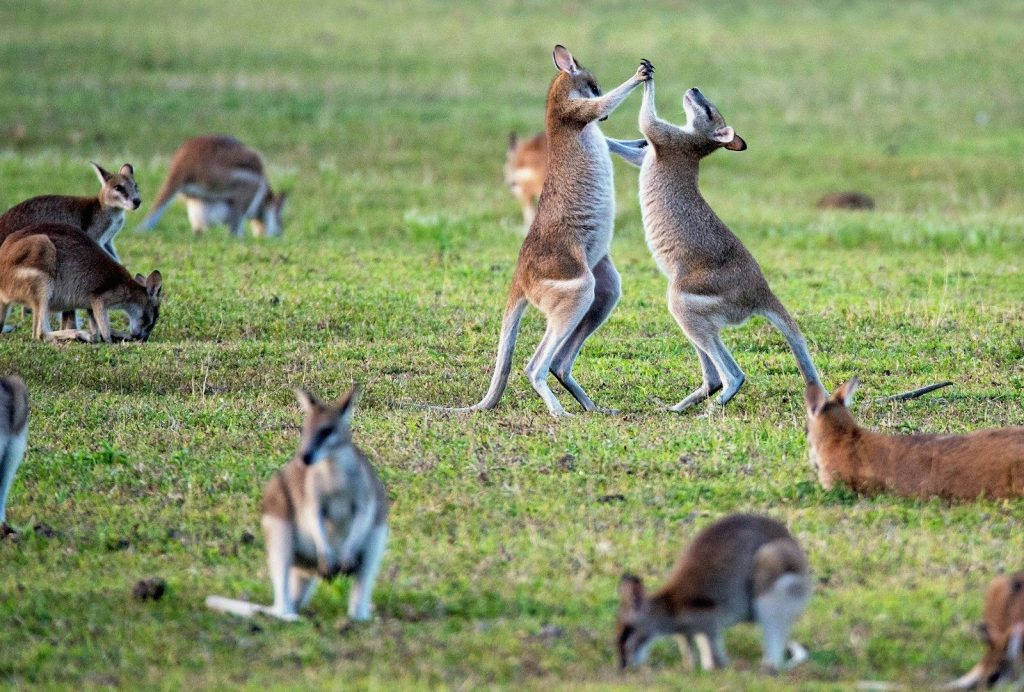
Many people assume wildlife eventually ignores visitors in protected areas, especially where hunting is banned. But the new data suggests animals remain highly sensitive to our presence even inside refuges designed for conservation.
That has important consequences.
When animals avoid trails or shift activity to nighttime hours, they may lose access to food, resting areas, or migration routes. Constant avoidance behavior can also increase stress and energy use, especially during breeding or harsh seasonal conditions.
Researchers still do not fully understand the long-term population impacts. Some species may adapt successfully, while others could suffer hidden costs over time.
What is clear is that parks are not untouched ecosystems once humans enter them. Our presence changes how wildlife uses the landscape.
Why Closures and Trail Rules Matter
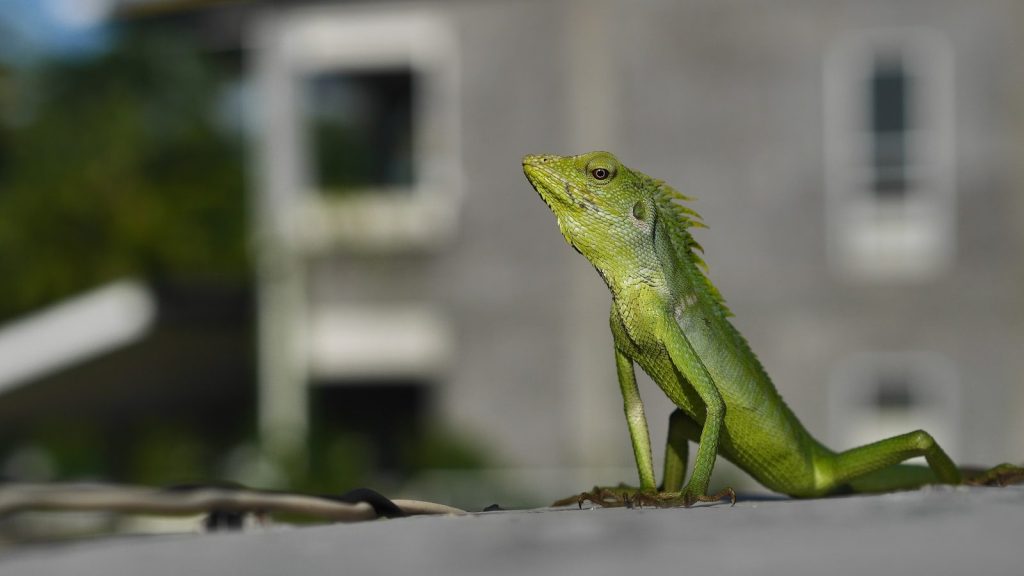
The research may also explain why seasonal closures and restricted areas are so important for conservation. Wildlife managers often limit access during nesting, breeding, or migration periods to reduce disturbance during vulnerable moments.
Studies now show those protections likely make a real difference.
Concentrating recreation into designated corridors may allow animals to retain larger quiet zones for feeding and resting. Staying on marked trails also minimizes surprise encounters that force animals to flee.
Even simple visitor behavior matters. Loud noise, approaching wildlife too closely, or leaving designated paths can unintentionally increase stress on animals already trying to avoid human contact.
Wildlife Has Been Adapting to Us All Along

Perhaps the most fascinating part of the research is not that animals fear humans. It’s how quickly they respond when we disappear.
During pandemic shutdowns, many species reclaimed daytime movement patterns within weeks. That flexibility shows wildlife constantly monitors human activity and adjusts accordingly.
The forest does not stop reacting when we enter it.
Animals notice us long before we notice them. They track our sounds, movement, and routines. In many ways, they are studying human behavior just as scientists study theirs.
The difference is that wildlife has been doing it for far longer.