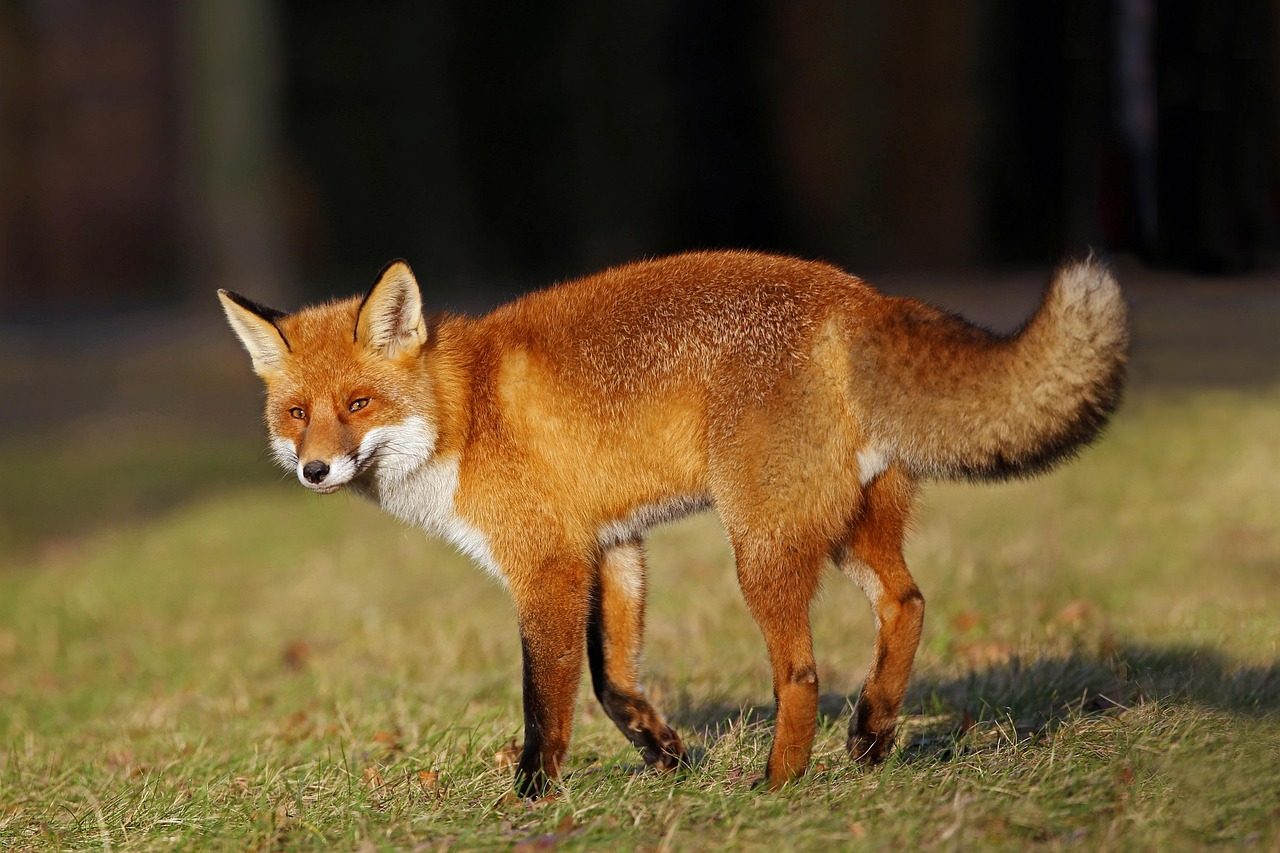
The Santa Catalina Island fox is a tiny, charismatic animal found nowhere else on Earth except Catalina Island off the coast of Los Angeles. Once pushed to the brink of extinction, this species has made one of the fastest recoveries ever recorded for an endangered mammal.
Its story is a rare example of how fast conservation action can reverse a near-total collapse in the wild.
A Species Found Nowhere Else in the World

The Santa Catalina Island fox is an island endemic, meaning it exists only on Catalina Island. These small foxes typically weigh just a few pounds, yet they play a major ecological role.
As the island’s top native land predator, they help control small prey populations and even assist in seed dispersal, supporting the balance of Catalina’s fragile ecosystem.
A Sudden Population Collapse in 1999

In 1999, disaster struck when a canine distemper virus spread rapidly across the island and devastated the fox population.
Within a single year, numbers crashed from about 1,300 foxes to just around 100. Scientists feared the species might disappear completely.
The outbreak is believed to have originated from a raccoon brought to the island by boat, showing how easily mainland diseases can reach isolated ecosystems.
Why the Foxes Matter So Much
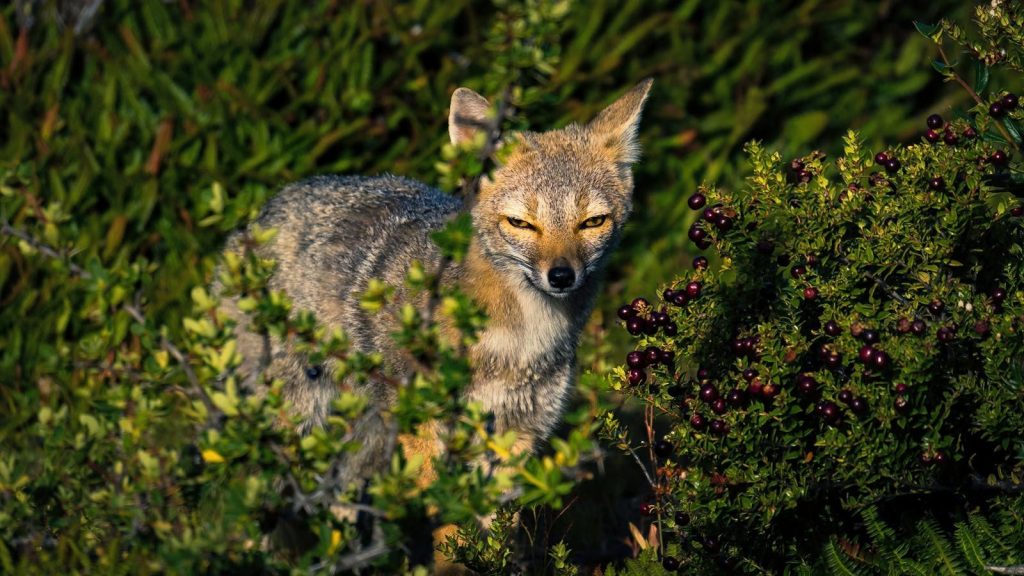
Despite their small size, Catalina Island foxes are ecological powerhouses.
They help control populations of rodents and insects, spread native plant seeds, and maintain balance in the island’s food web.
Without them, Catalina’s ecosystem would have shifted dramatically, affecting many other species.
Emergency Conservation Efforts Begin
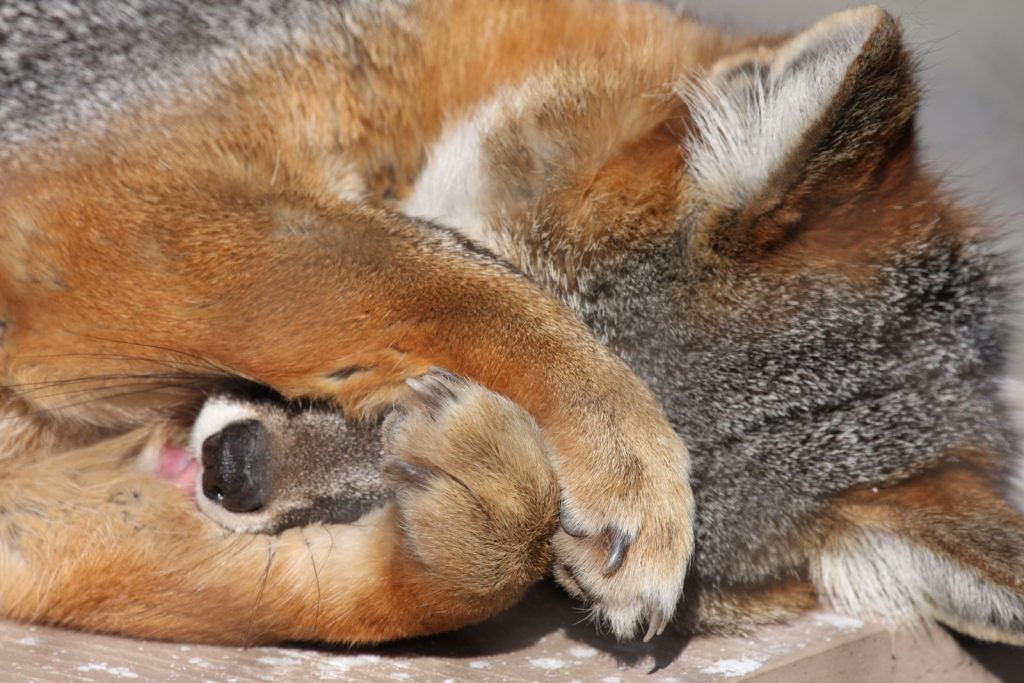
Once the collapse was identified, conservation teams moved quickly.
The Catalina Island Conservancy and the Institute for Wildlife Studies launched an intensive recovery program that included captive breeding, vaccination against distemper and rabies, health monitoring and tracking, and field recovery operations.
Every surviving fox became part of a carefully managed conservation effort.
A Rapid Rebound Few Expected
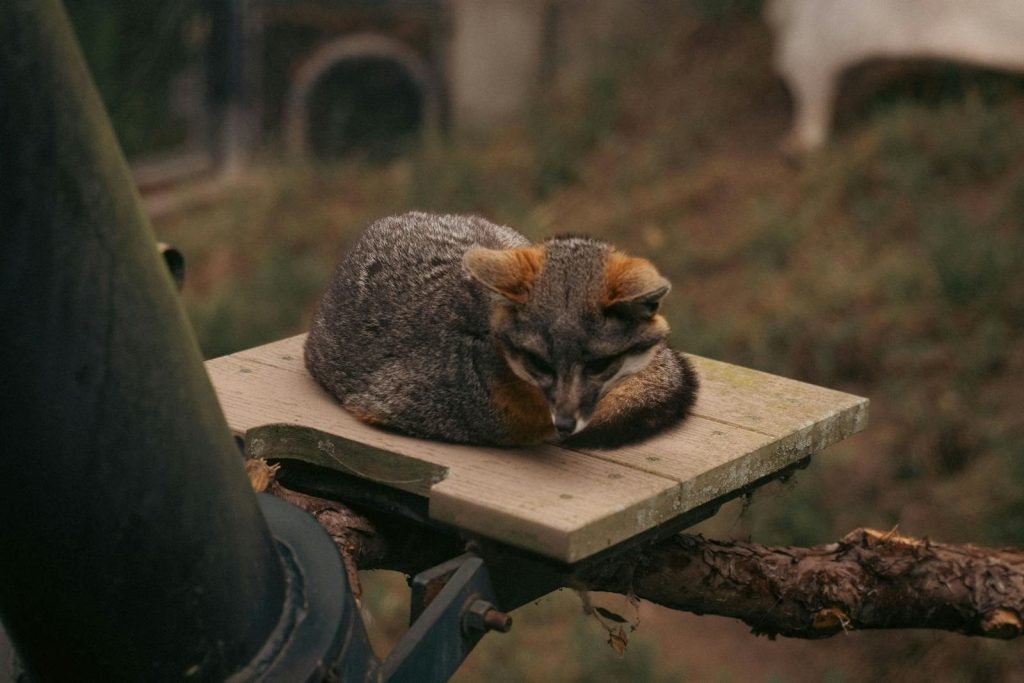
The results were extraordinary.
By 2004, the population had already tripled, and continued recovery work led to even stronger growth in the following years.
By 2016, the species was officially downlisted from endangered to threatened, marking one of the fastest mammal recoveries under the Endangered Species Act.
Few conservation stories move this quickly from collapse to recovery.
Still Vulnerable Despite Success
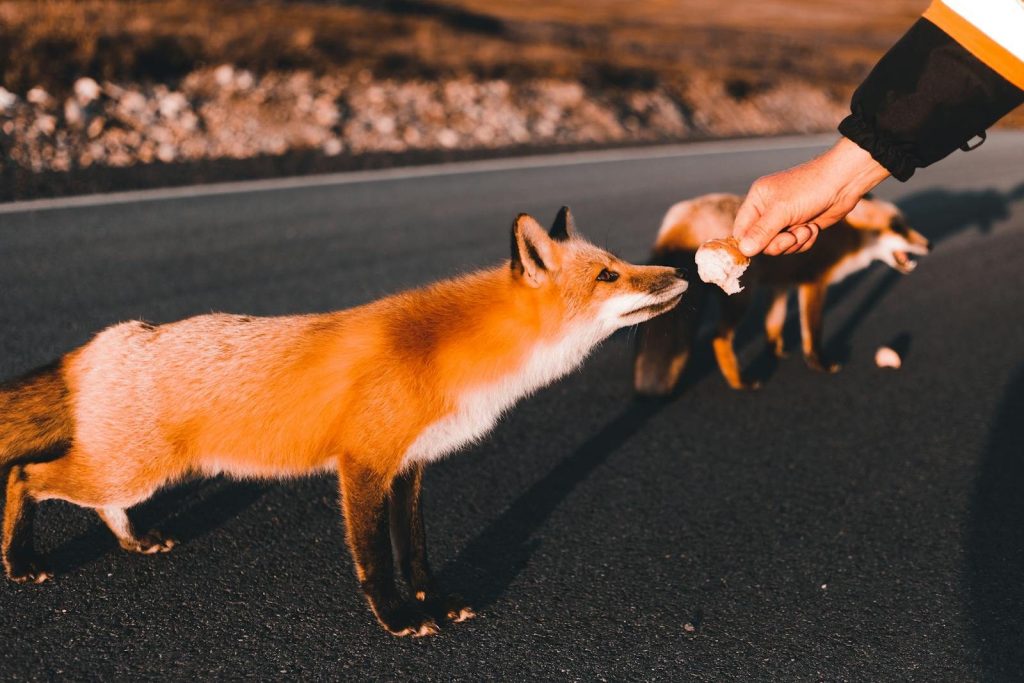
Even with this success, the Catalina Island fox is not out of danger.
The species still faces ongoing threats such as disease outbreaks, parasites like ear mites, vehicle collisions on island roads, and limited habitat range.
Because the entire population exists in one small geographic area, any future outbreak could still have serious consequences.
Ongoing Protection and Monitoring

Conservation work has not stopped.
Experts continue to vaccinate foxes regularly, monitor population health, track individuals using telemetry, and respond quickly to any signs of disease.
Local residents also play a role by reporting sick or injured animals when spotted.
The fox has even become a symbol of Catalina Island conservation efforts.