Glacier National Park in Montana is often called the “Crown of the Continent” because of its dramatic mountains, glaciers, and untouched wilderness. It is also one of the best places in the lower 48 United States to see both grizzly bears and black bears in their natural habitat.
A Landscape Built for Bears
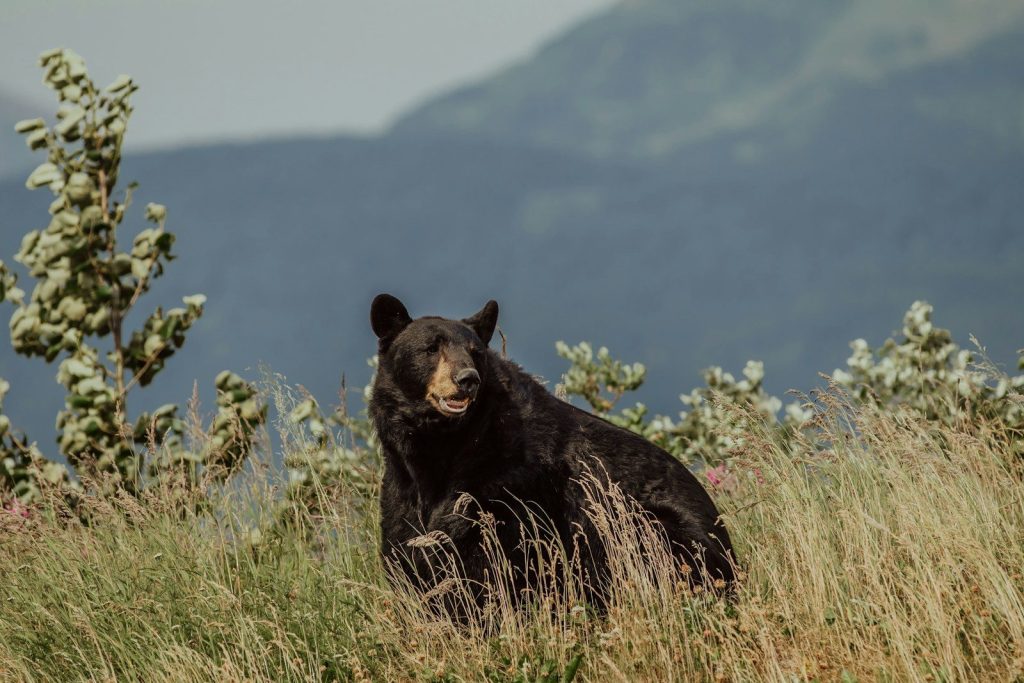
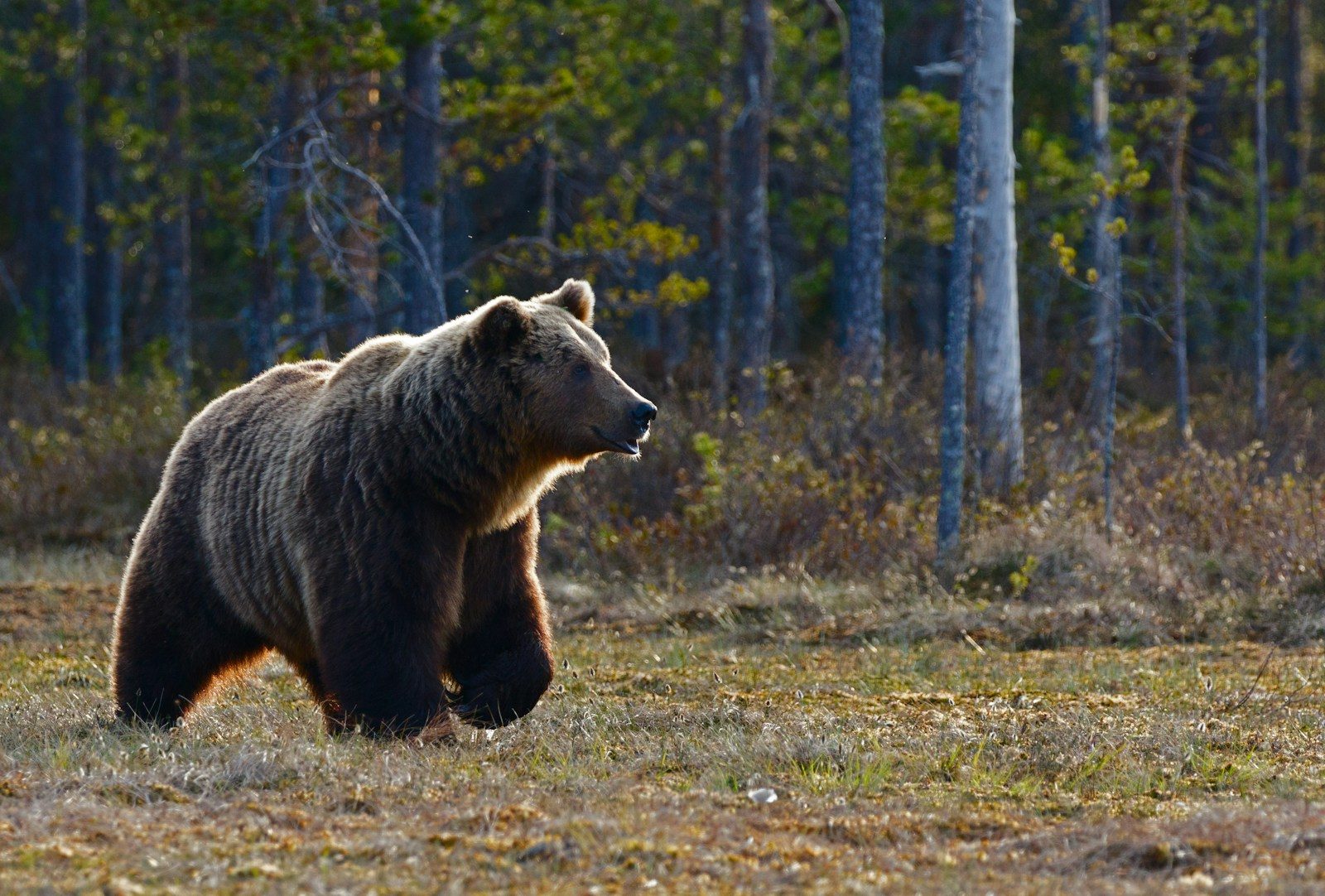
Glacier National Park supports a large population of grizzly bears, making it one of the most important bear habitats in the continental U.S. The park’s forests, valleys, and alpine meadows provide abundant food sources like berries, roots, and small animals.
Black bears are also common throughout the park and are often spotted in forested areas. Wildlife officials emphasize that bears can move anywhere in Glacier, even if they are not always visible to visitors.
Bear Safety Is Taken Seriously in the Park
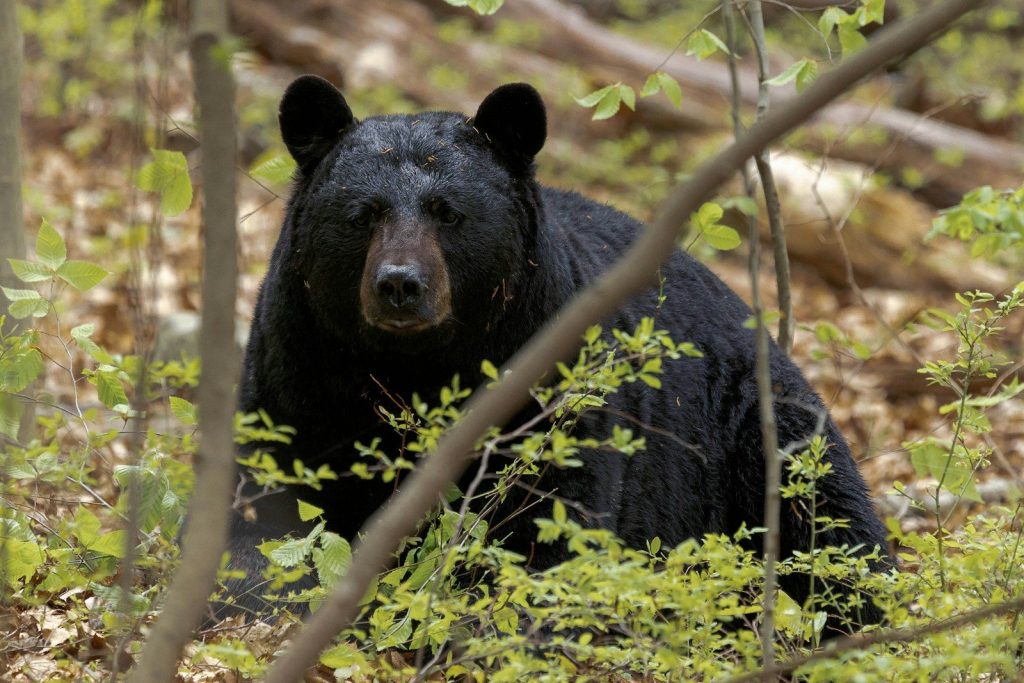
Campgrounds in Glacier are designed with strict rules to reduce bear encounters. Visitors are required to properly store food and scented items to avoid attracting wildlife into camping areas.
Even with these precautions, bears may still pass through developed areas, especially if food is not secured correctly. Park officials stress that human behavior is the most important factor in preventing dangerous encounters.
Best Places to Spot Bears
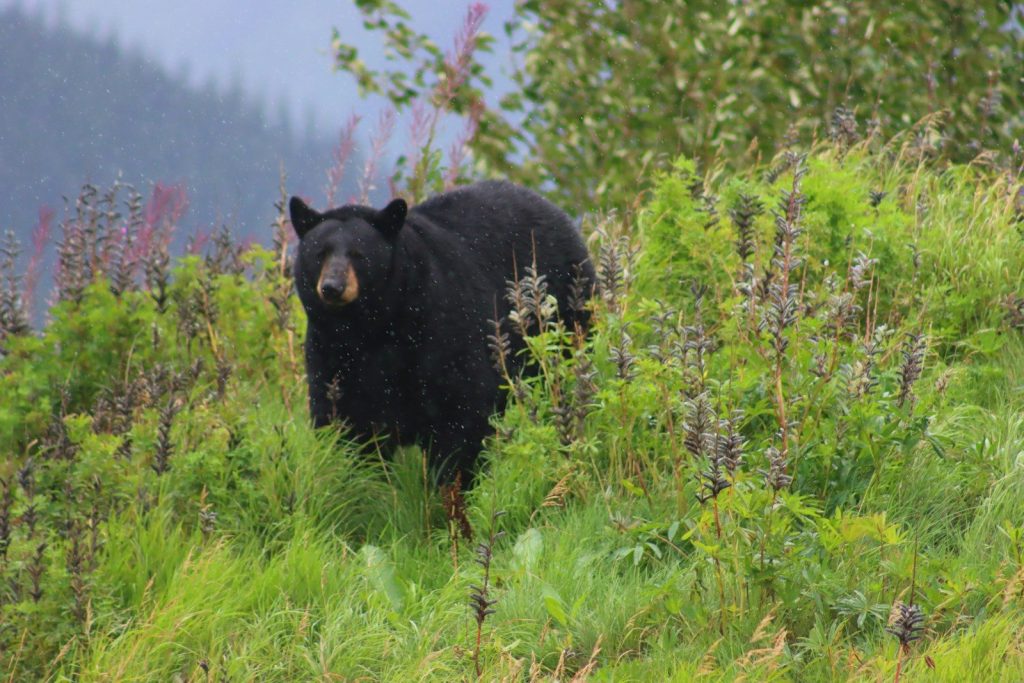
Some areas of Glacier National Park are better than others for wildlife viewing. Locations such as Logan Pass, Two Dog Flats, and the Many Glacier area are known for frequent bear activity.
These regions offer open landscapes where bears often feed, especially during early morning or evening hours. Visitors are more likely to spot wildlife when the park is quiet and less crowded.
The Many Glacier Area Is Especially Active
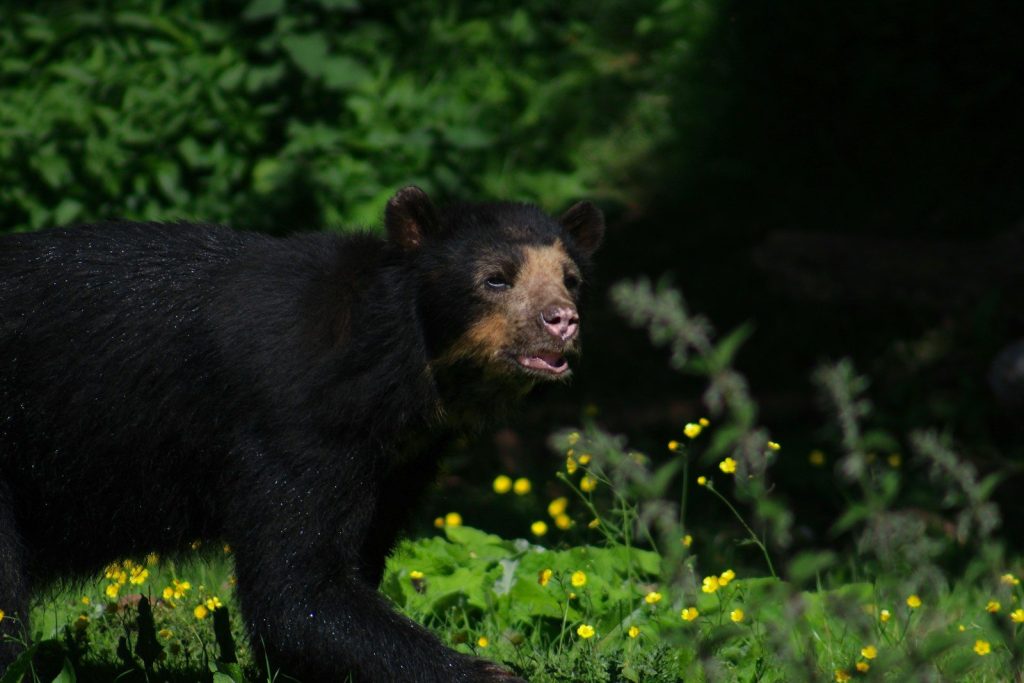
The Many Glacier region is considered one of the top bear-viewing areas in the park. Both grizzly bears and black bears are regularly seen in nearby valleys and hiking areas.
The Many Glacier Campground also offers opportunities for wildlife sightings, though safety precautions are essential. Nearby lodges provide a safer alternative while still keeping visitors close to bear habitat.
Bears Are Always Nearby, Even When You Don’t See Them
Wildlife experts note that it is rare to be anywhere in Glacier without a bear having passed through recently. Bears roam large territories and often move through the same valleys and trails as visitors.
Because of this, hikers and campers are advised to stay alert at all times. Making noise on trails and carrying bear spray are common safety recommendations.
Wilderness Camping Offers a True Backcountry Experience
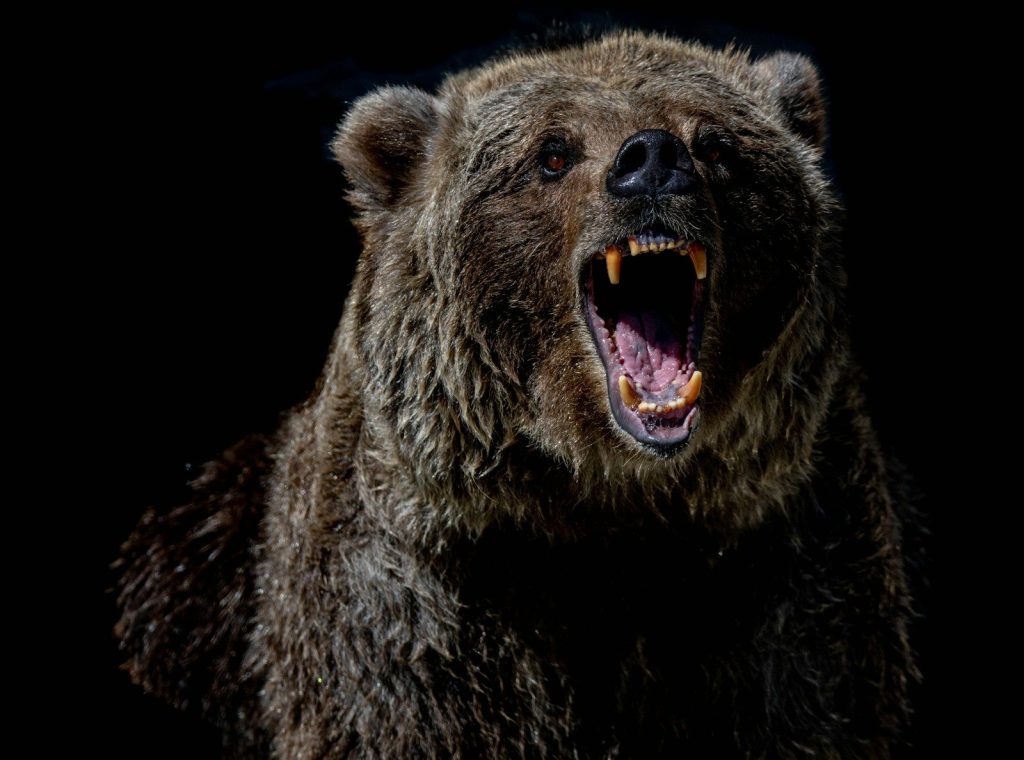
Glacier also offers permits for backcountry camping for experienced hikers. These remote areas provide a more immersive wilderness experience but come with increased responsibility and risk.
During berry season, bears are often drawn to specific areas where food is abundant. This makes careful planning and awareness especially important for anyone venturing into the backcountry.
Respecting Wildlife Is Key to a Safe Visit
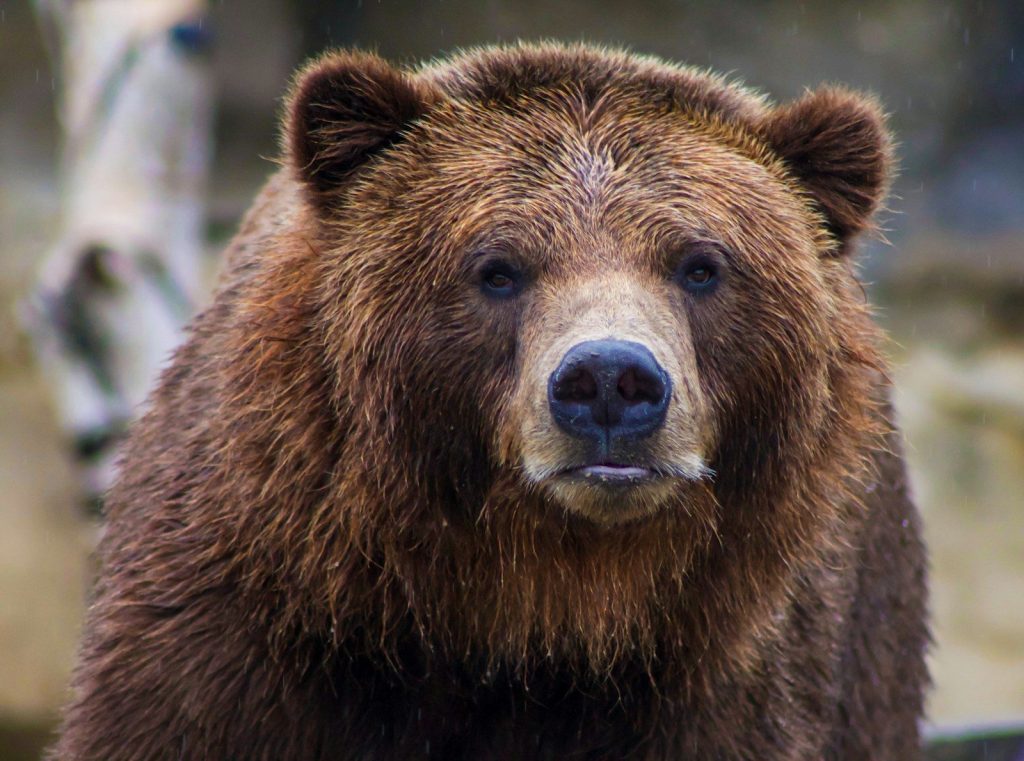
Seeing a bear in the wild is one of the most memorable experiences Glacier National Park can offer. However, maintaining a safe distance and respecting wildlife rules is essential for both human safety and animal protection.
With proper precautions, visitors can enjoy one of North America’s most spectacular national parks while sharing the landscape with its most iconic residents.