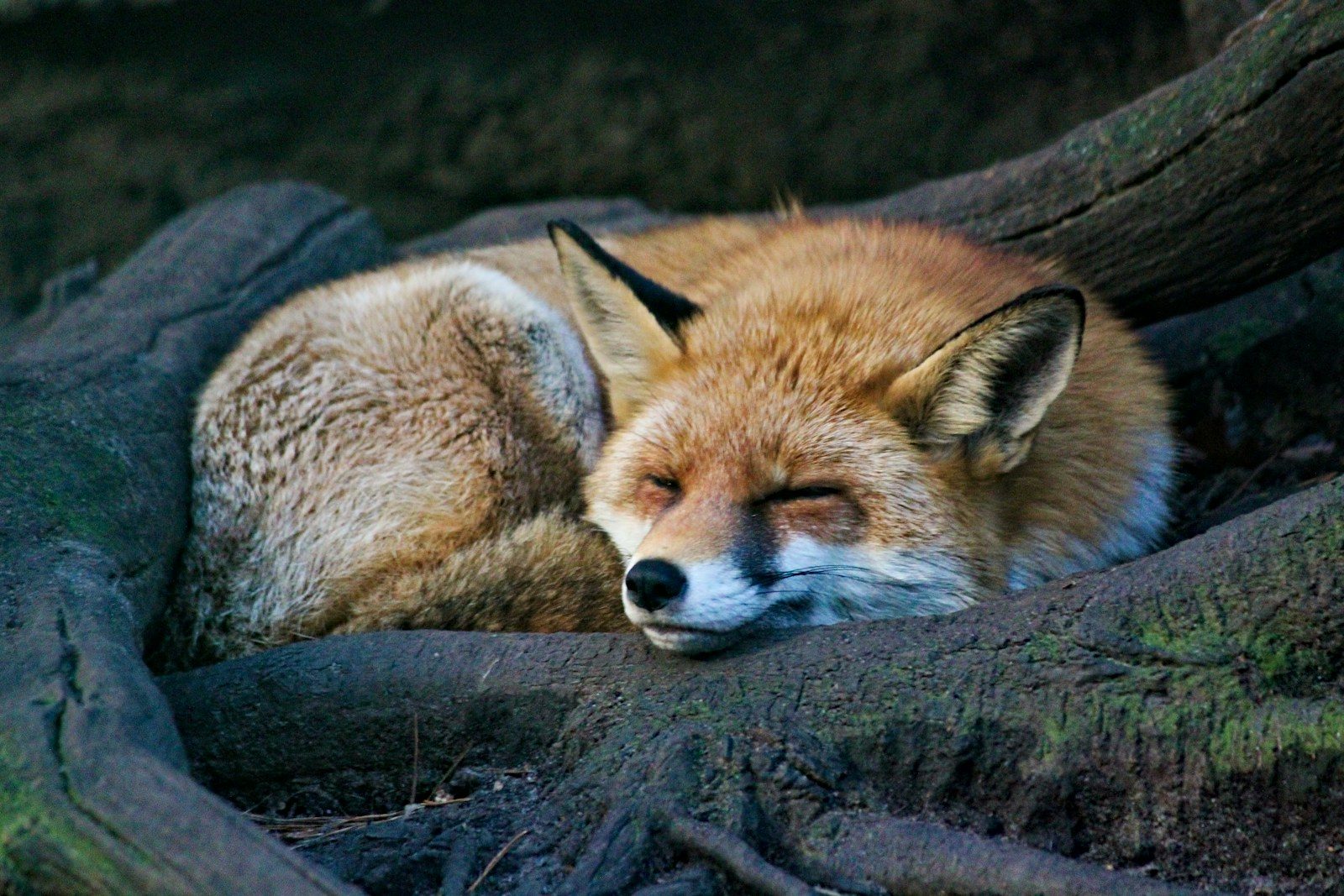
Foxes are increasingly being spotted in suburban neighborhoods and even city yards. While seeing one can be surprising, experts say these animals are usually more curious than dangerous and often avoid direct contact with humans.
Foxes Are Usually Just Passing Through
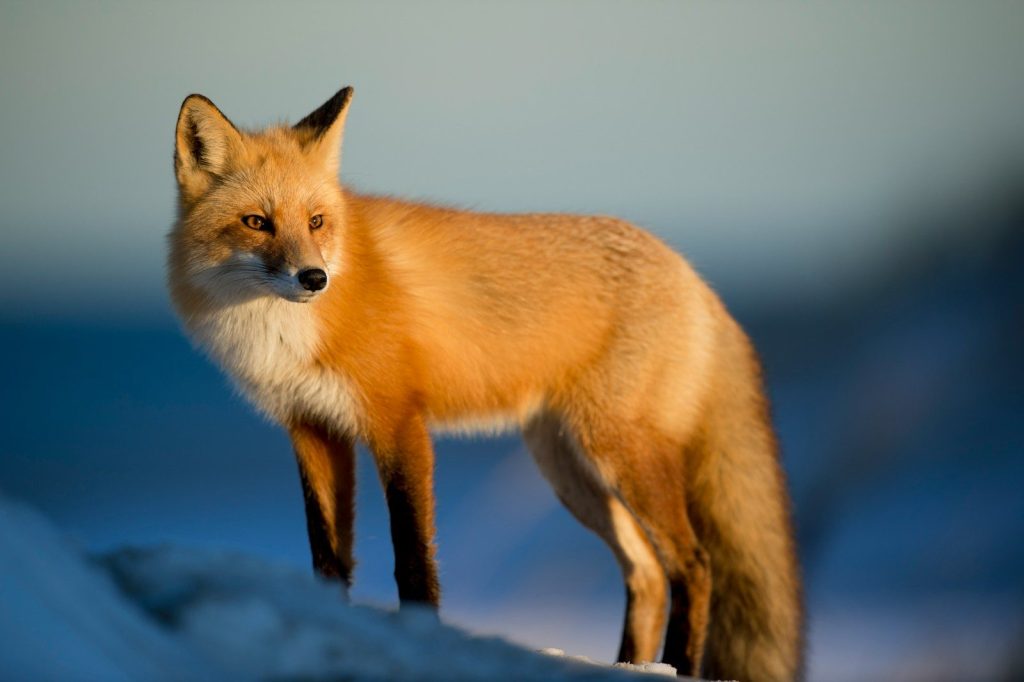
In most cases, a fox in your yard is simply searching for food or moving through its territory. Urban environments often provide easy access to small animals, garbage, or pet food.
Foxes are naturally cautious and tend to avoid people whenever possible. If you spot one, it will likely leave on its own once it notices human activity.
Keep Pets Indoors or Supervised
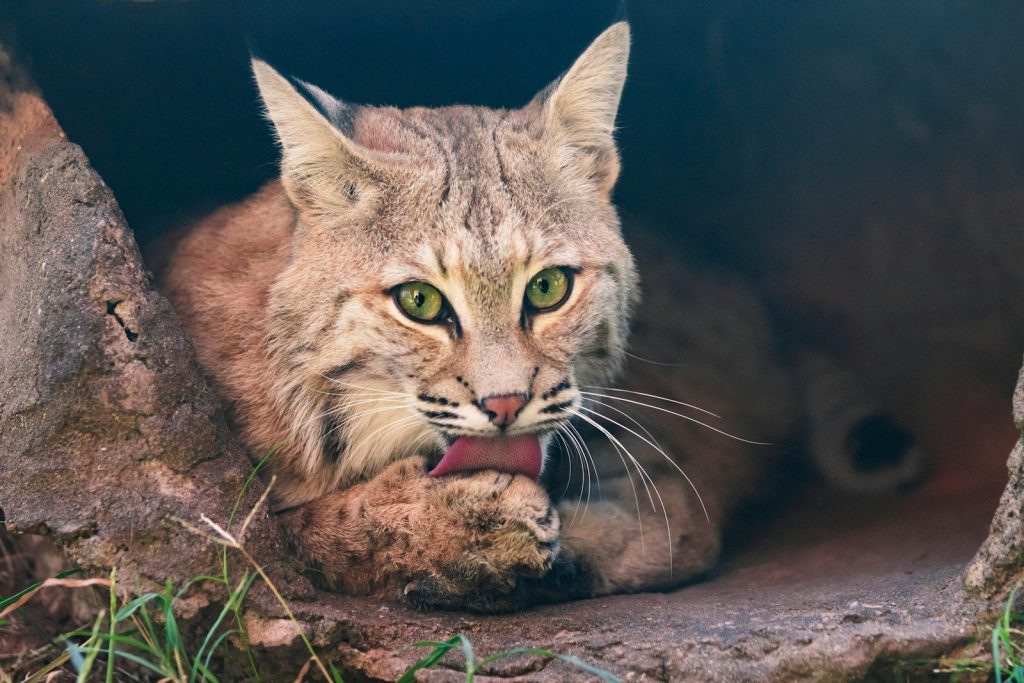
Small pets like cats, rabbits, or small dogs may attract a fox’s attention, especially at dawn or dusk. Experts recommend supervising pets when they are outside in areas where foxes are known to roam.
Bringing pets inside at night is one of the simplest ways to reduce risk. Foxes rarely pose a threat to larger dogs or humans.
Don’t Leave Food Outside

One of the biggest reasons foxes return to residential areas is food availability. Pet food, unsecured trash, or fallen fruit can all attract them.
Securing garbage bins and avoiding outdoor feeding can discourage repeat visits. Removing food sources helps ensure foxes move back to more natural habitats.
Avoid Direct Contact
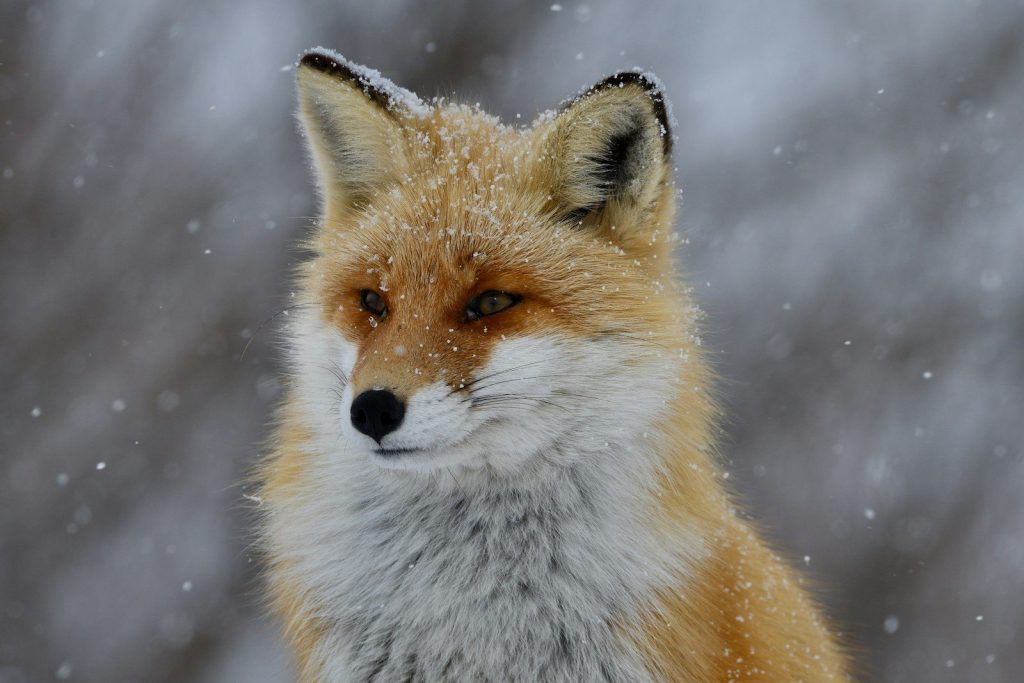
Even though foxes are generally not aggressive, they are still wild animals. Approaching, feeding, or trying to touch one can lead to stress or defensive behavior.
If a fox appears sick or unusually bold, it’s best to contact local wildlife authorities. Healthy foxes will typically keep their distance from humans.
Make Your Yard Less Attractive
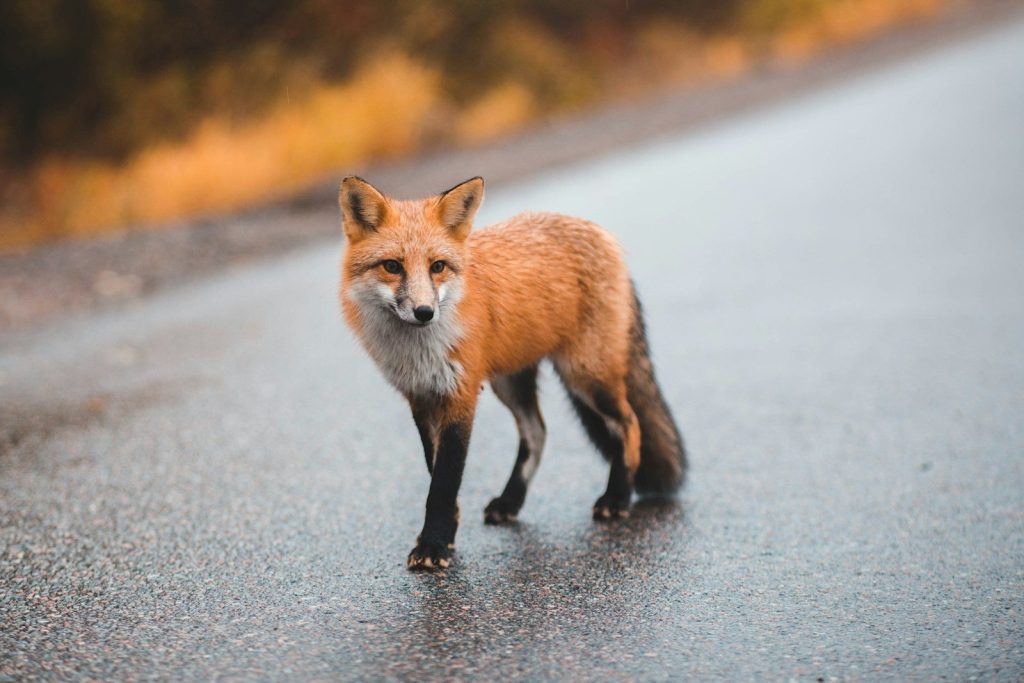
Simple changes can make a yard less appealing to foxes over time. Motion-activated lights, fencing, and removing hiding spots like dense brush can all help.
Consistency is important, as foxes are intelligent and may test boundaries if conditions remain favorable. Prevention is more effective than removal.
When to Be Concerned
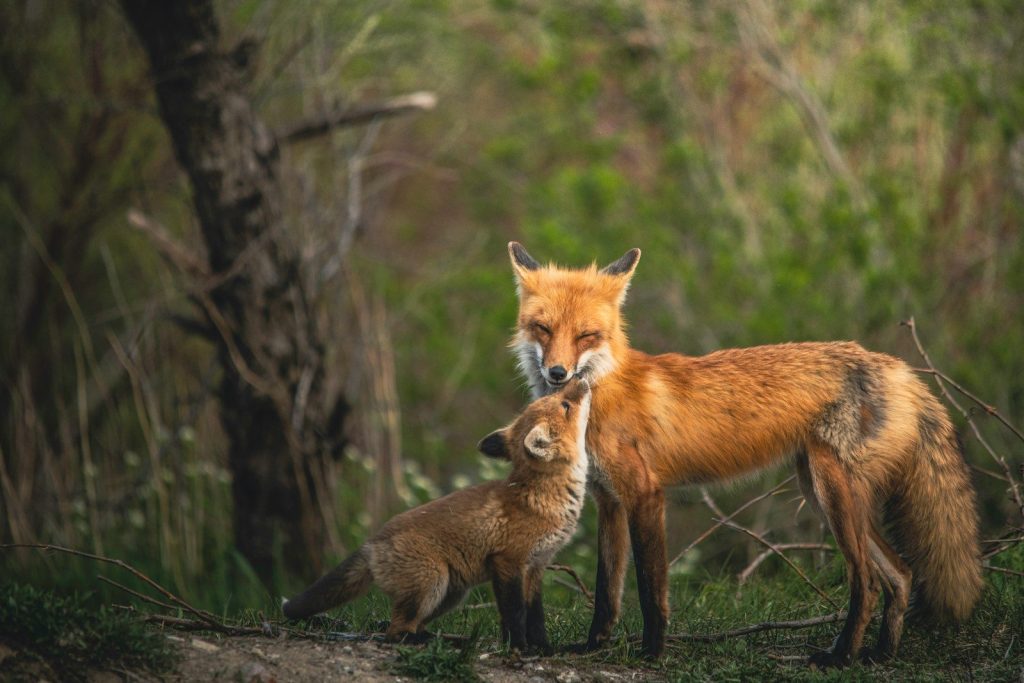
In rare cases, foxes that act unusually tame or aggressive may be ill, often due to diseases like mange or rabies. These situations require professional attention rather than DIY solutions.
Wildlife experts recommend observing from a distance and reporting unusual behavior. Most encounters, however, are harmless and temporary.