Calling one mountain the “world’s deadliest” depends on the metric being used. Guinness currently identifies Annapurna I as the deadliest Himalayan mountain by its historical ratio of recorded deaths to successful ascents.
Using Himalayan Database figures through February 2025, Guinness listed 75 deaths against 559 ascents, or 13.42%. That statistic describes climbing history, not an individual climber’s guaranteed risk.
Annapurna I
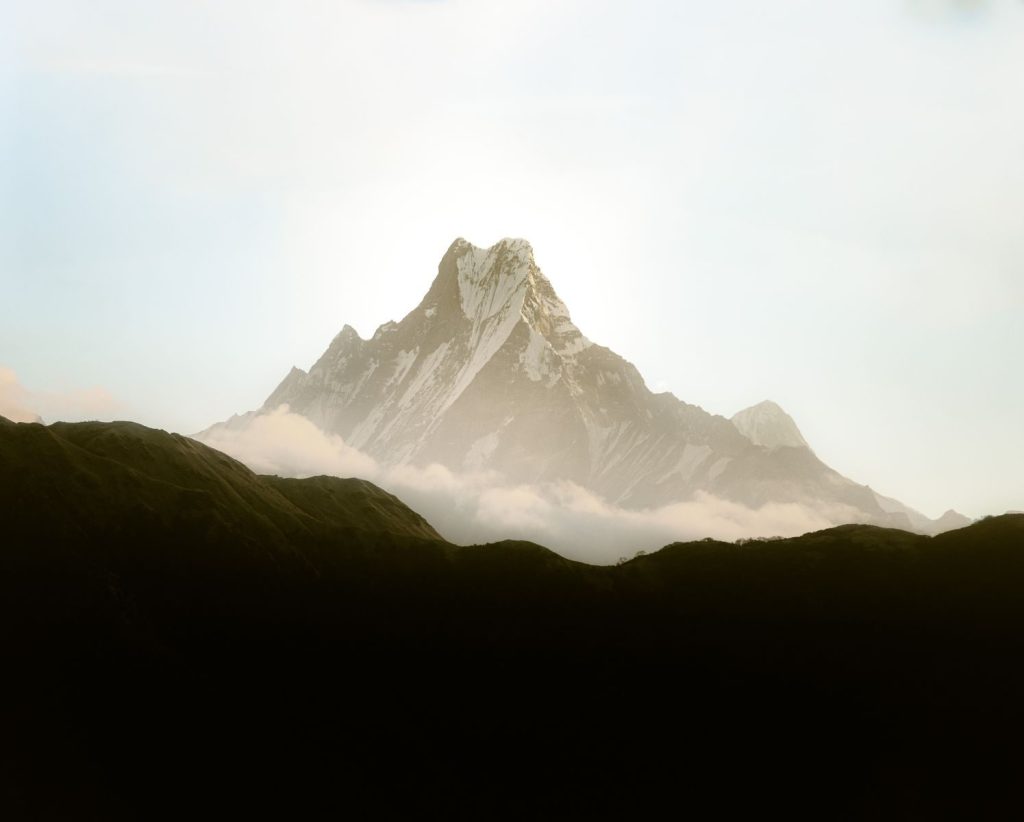
Annapurna I rises to 8,091 meters, or 26,545 feet, in Nepal’s Himalaya. It is one of the world’s fourteen mountains exceeding 8,000 meters and was the first of those giants to receive a documented successful ascent.
Its elevation alone places climbers in an environment where oxygen is severely limited. Yet altitude is only part of the challenge. Avalanche exposure, technical terrain, changing weather, fatigue, and the difficulty of rescue combine to make Annapurna a historically dangerous objective even among other Himalayan giants.
Historic Fatality Ratio
Guinness calculated a historical fatality ratio of 13.42% for Annapurna I using 75 deaths and 559 recorded ascents in Himalayan Database information available through February 2025. That was slightly above Dhaulagiri’s 13.01% in the same comparison.
The percentage must be interpreted carefully. It divides recorded deaths by successful ascents; it is not the probability that any individual attempt will end fatally. Routes, eras, expedition practices, weather, experience, rescue resources, and climbing numbers all change, so the historical ratio evolves over time.
Avalanche Zone
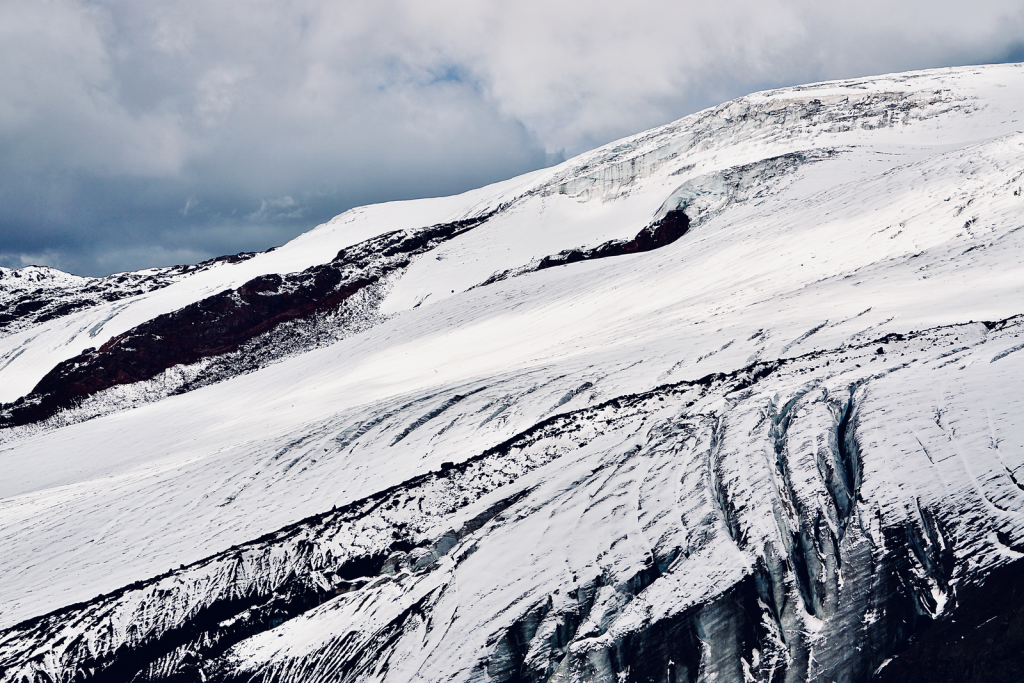
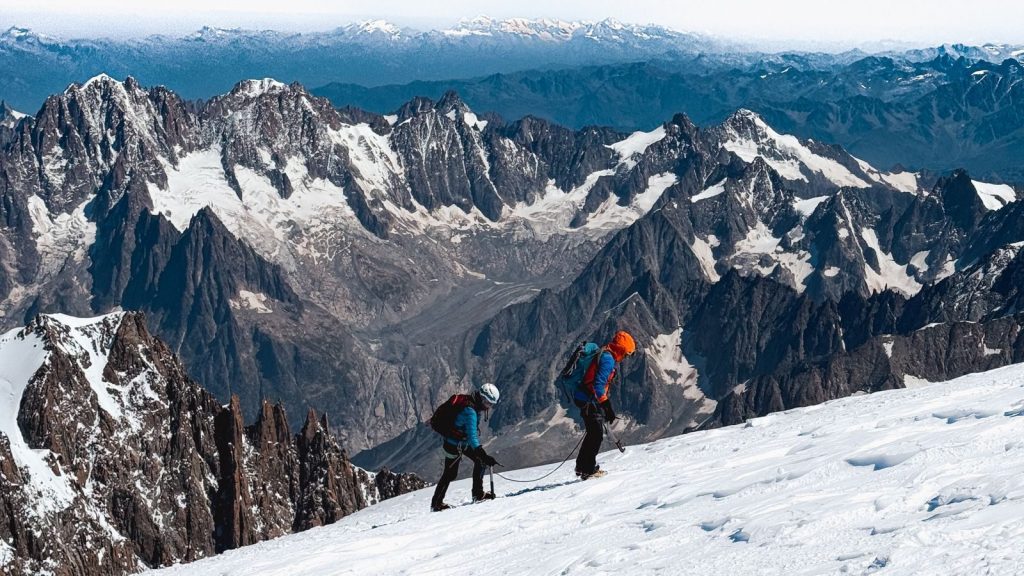
Avalanches are central to Annapurna’s reputation. Guinness reports that the majority of recorded deaths have occurred around a major avalanche-prone section near 5,900 meters, between Camp II and Camp III.
Snow conditions can transform quickly, and being an excellent technical climber cannot eliminate objective hazards produced by the mountain itself. In 1991, Annapurna suffered its deadliest recorded year, when seven climbers died; six were killed in a single avalanche on September 19. This history explains why route timing and snow assessment are critical expedition decisions.
Extreme Altitude
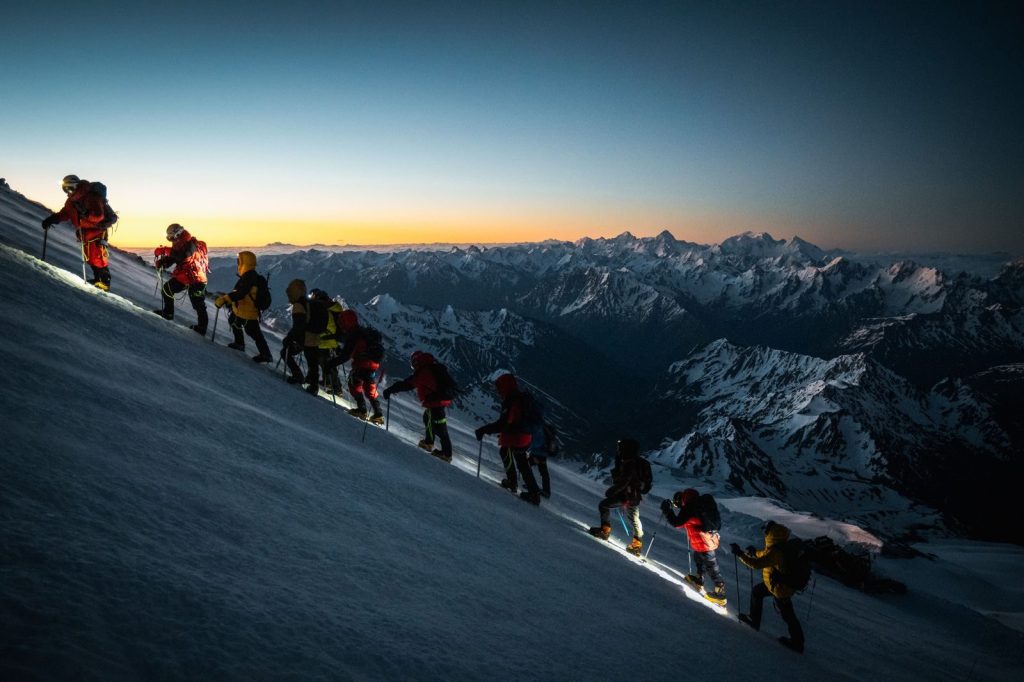
Anyone sleeping above about 2,450 meters can develop altitude illness if insufficiently acclimatized, according to CDC guidance. Annapurna’s summit is more than three times that elevation, placing upper sections of the climb in an extreme physiological environment.
Lower oxygen availability impairs physical and mental performance, while serious altitude illnesses can become life-threatening. Fitness does not make a person immune. Climbers therefore use staged acclimatization and carefully manage ascent, yet susceptibility differs among individuals. On an 8,000-meter mountain, altitude stress compounds every technical and weather-related difficulty.
Summit and Descent
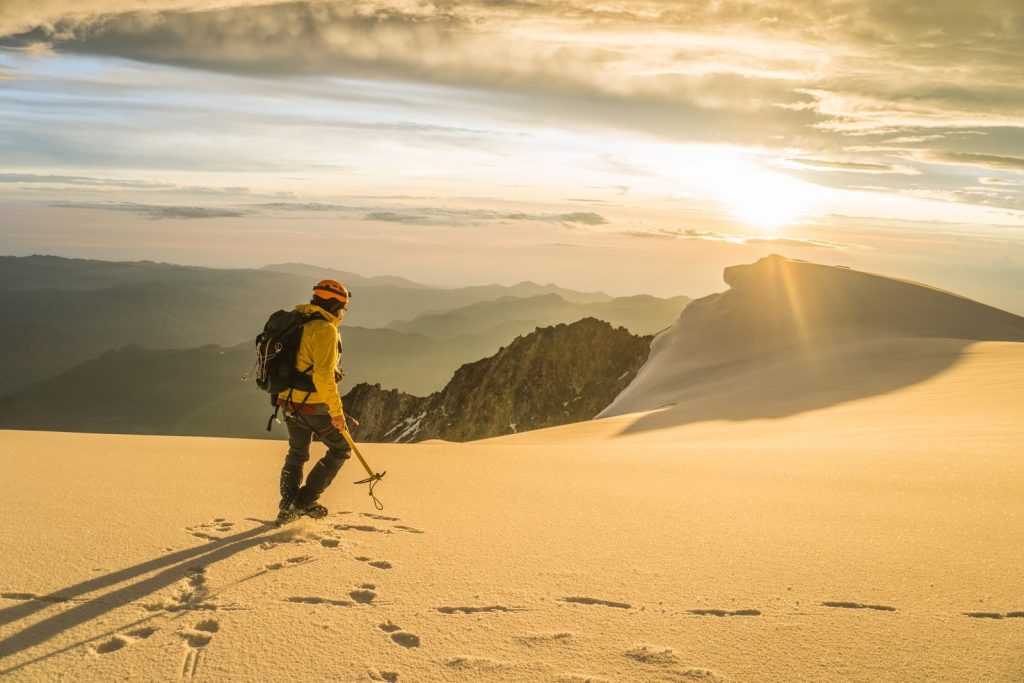
Reaching the summit is only half of a high-altitude climb. A climber must still descend while tired, depleted, cold, and exposed to many of the same avalanche and terrain hazards encountered on the way upward.
At extreme altitude, deteriorating judgment or coordination can make ordinary movement harder, while weather may change during the hours spent above high camps. Celebrating too early can therefore be dangerous. Annapurna’s historical statistics include deaths across different phases of expeditions, reinforcing the basic mountaineering principle that success means returning safely rather than merely reaching the highest point.
Mountain Weather
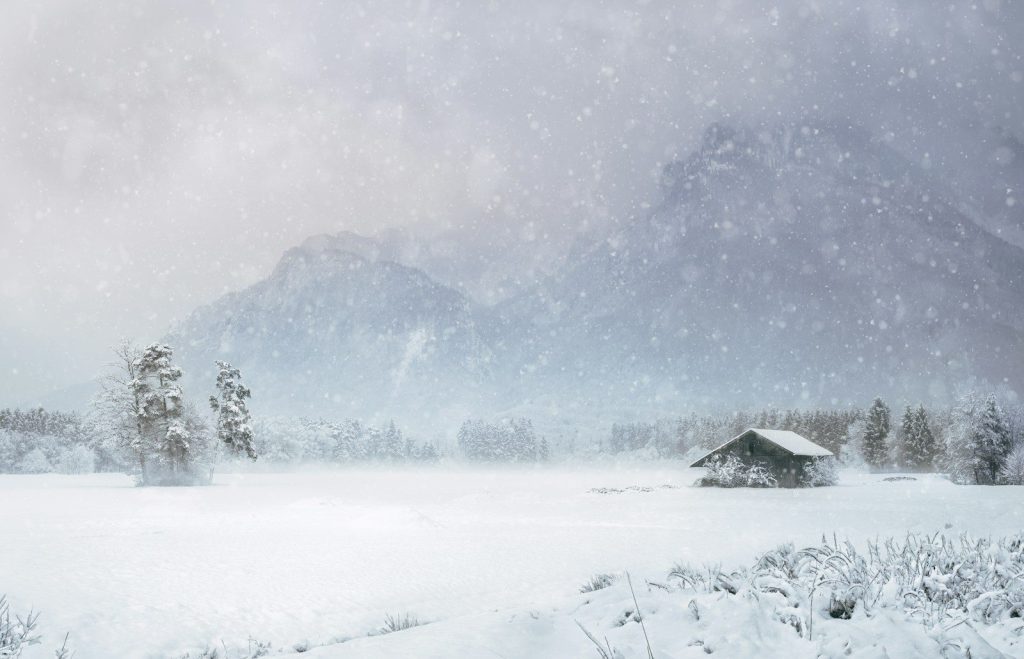
High Himalayan conditions can change rapidly, affecting visibility, snow stability, wind exposure, and the ability of climbers to move safely. A route that appears manageable under one set of conditions can become far more dangerous after snowfall or strong winds redistribute snow.
Forecasting has improved considerably, which is one reason historical fatality ratios should not be treated as fixed modern probabilities. Guinness notes that better weather forecasts, equipment, professional expedition support, and rescue options have contributed to declining death rates across Himalayan mountains.
Difficult Rescue
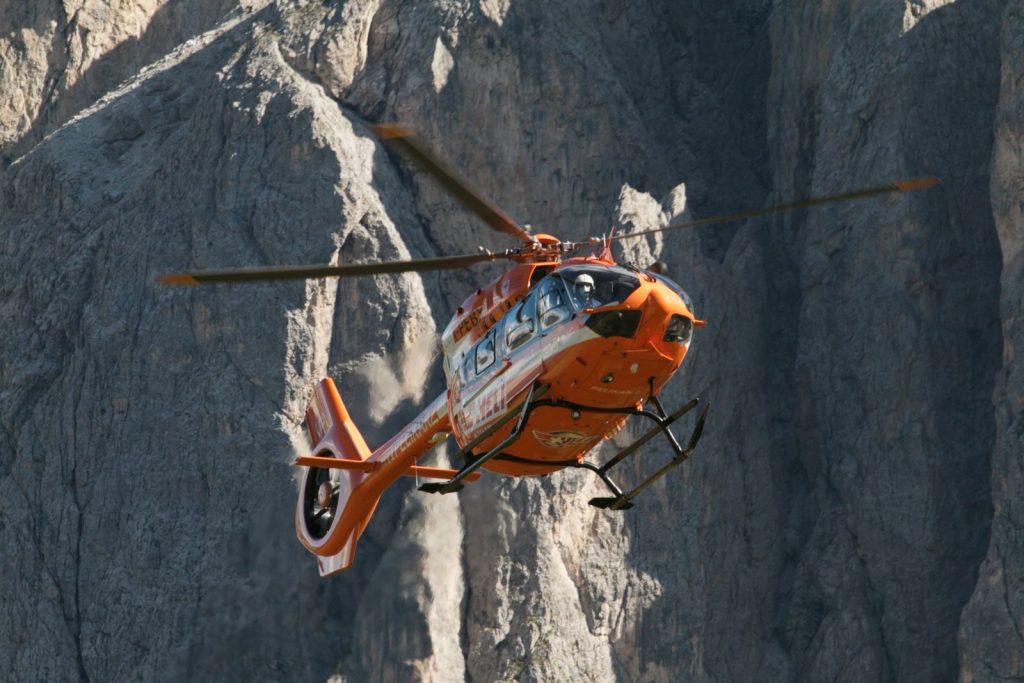
Rescue becomes increasingly complicated as climbers move higher. Severe weather can prevent aircraft from operating, while altitude, terrain, and avalanche danger may also expose rescuers attempting to reach an injured or ill climber.
Modern helicopter rescue has improved outcomes in the Himalaya, but it cannot guarantee rapid evacuation from every position or in every condition. Expedition teams must therefore remain capable of responding when outside assistance is delayed. Guinness specifically identifies improved helicopter rescue as one factor helping reduce Himalayan death rates, showing how access to emergency support has changed climbing risk over time.
Changing Mountain Risk
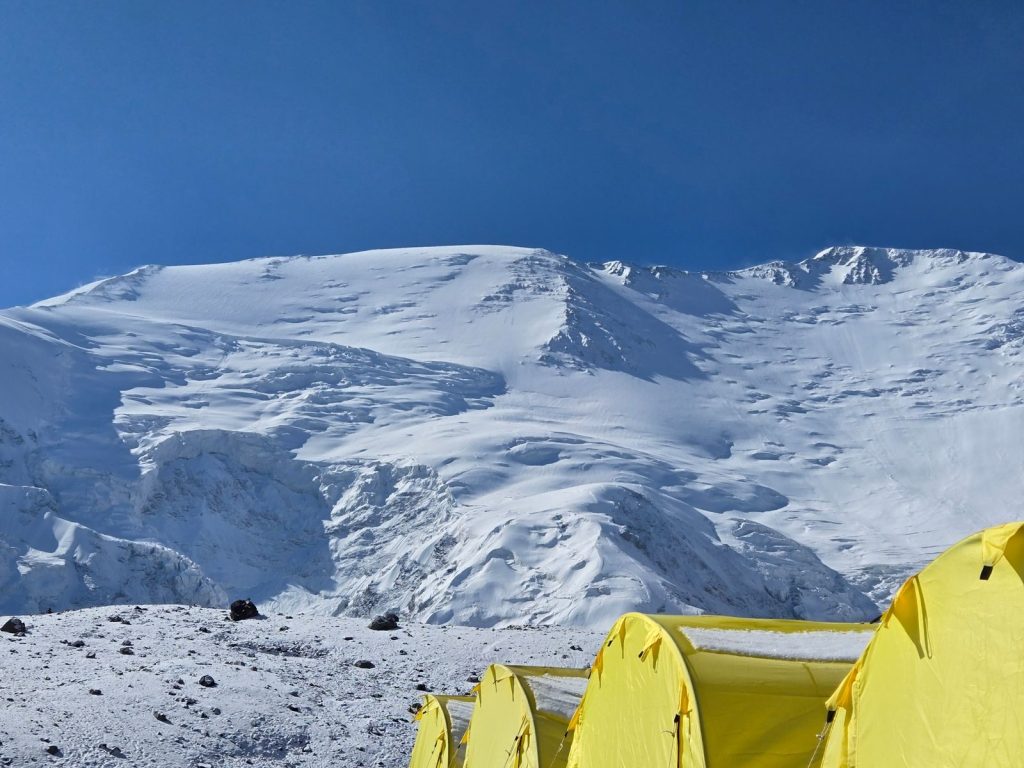
Annapurna’s historical reputation is real, but its statistics are not frozen. Guinness explicitly notes that mountain records change as additional ascents and deaths are recorded, while modern forecasting, equipment, route knowledge, and rescue systems have generally improved.
That makes “deadliest mountain” useful only when its measurement is explained. Annapurna I has the highest historical death-to-ascent ratio in Guinness’s current Himalayan comparison, but that does not mean every climber faces a 13.42% personal chance of dying. Mountain risk depends heavily on circumstances, decisions, conditions, and era.
Featured Image: Photo by Sean Martin on Unsplash