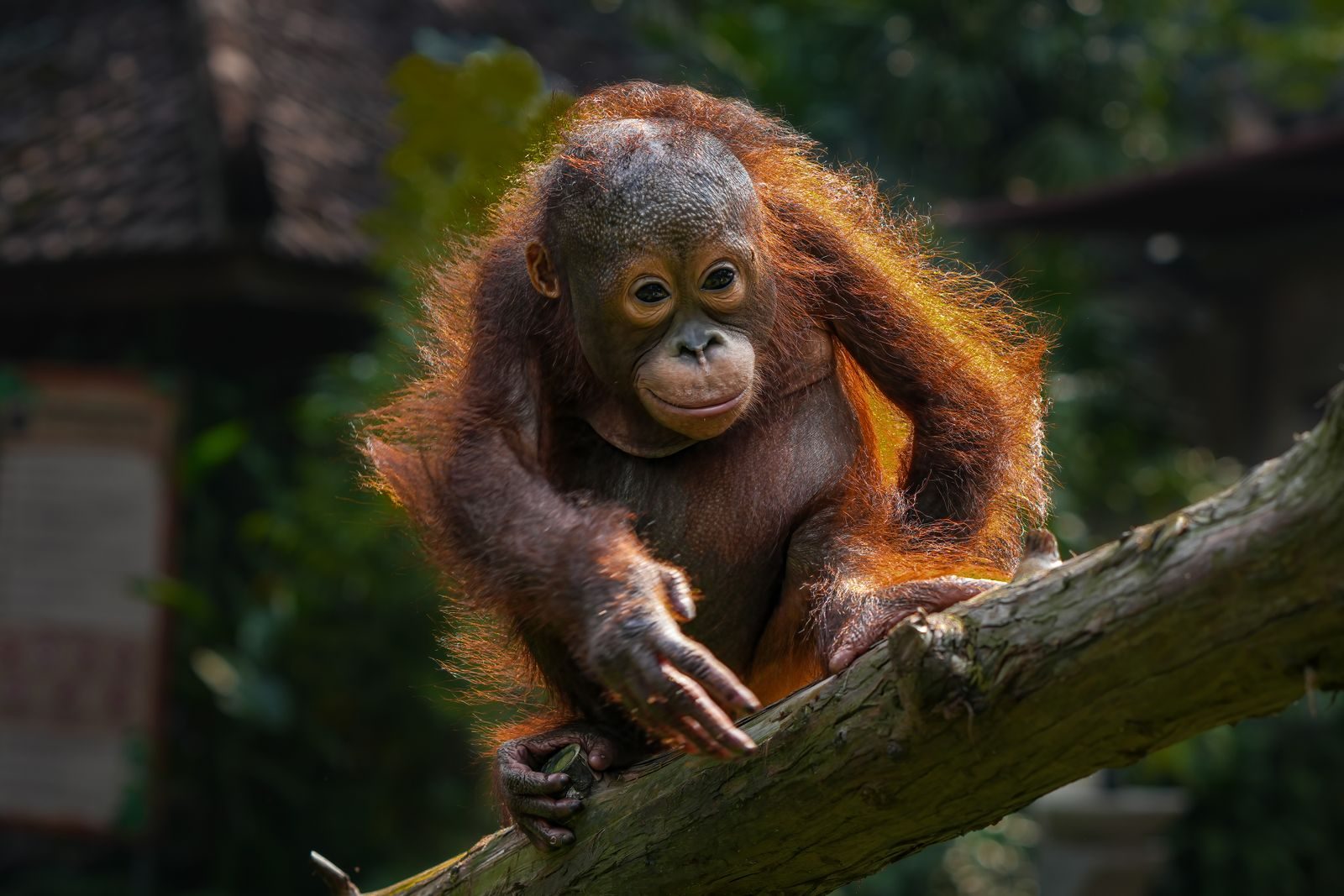
This title has a verifiable subject. Popi, a female Bornean orangutan, was confiscated as an approximately eight-week-old infant in East Borneo in September 2016.
After nearly nine years of rehabilitation, she was released into the protected Busang ecosystem on August 10, 2025. Her journey shows why successfully returning an orphaned orangutan to the forest can take most of a decade.
Popi’s Rescue
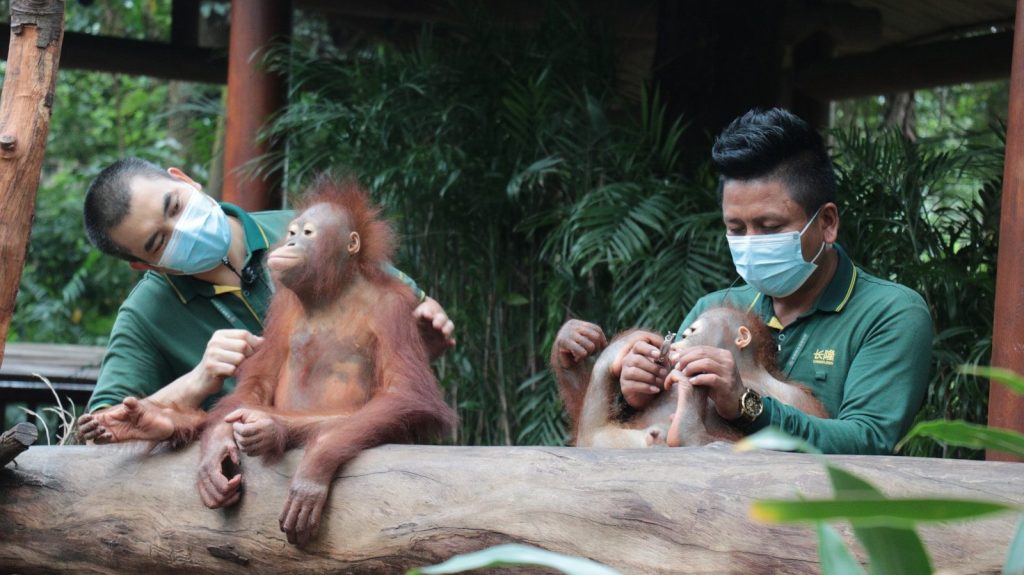
The Orangutan Project says its rescue team confiscated Popi from a family in Sempayau village near a palm-oil plantation in September 2016. She was estimated to be only eight weeks old and had not yet developed teeth.
The organization believes her mother was probably killed and Popi subsequently sold as a pet, but that part of the history was inferred rather than directly observed. What is confirmed is that an extremely young dependent orangutan entered professional rehabilitation after being found in human possession.
Round-the-Clock Care
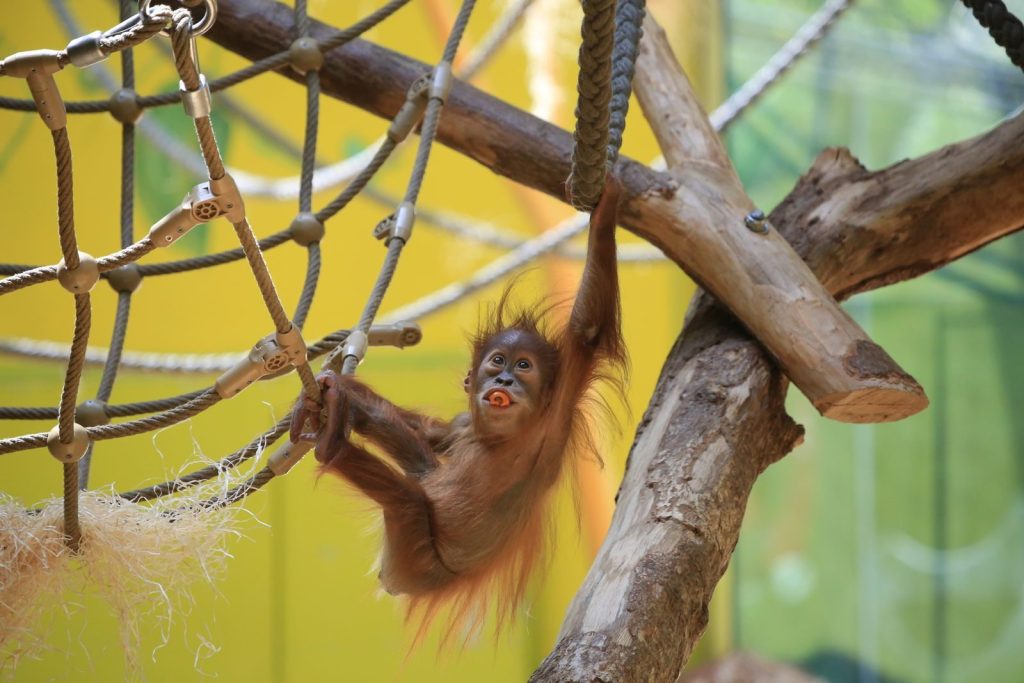
An orangutan only eight weeks old would naturally be almost continuously dependent on its mother. Popi therefore required intensive substitute care when she arrived at the BORA rehabilitation center.
The Orangutan Project says a dedicated babysitter remained with her around the clock, while two veterinarians helped oversee her health and milk feeding. This stage was not intended to turn her into a human-dependent pet. The challenge was keeping a highly dependent infant alive while gradually preparing her for increasingly natural development.
Jungle School
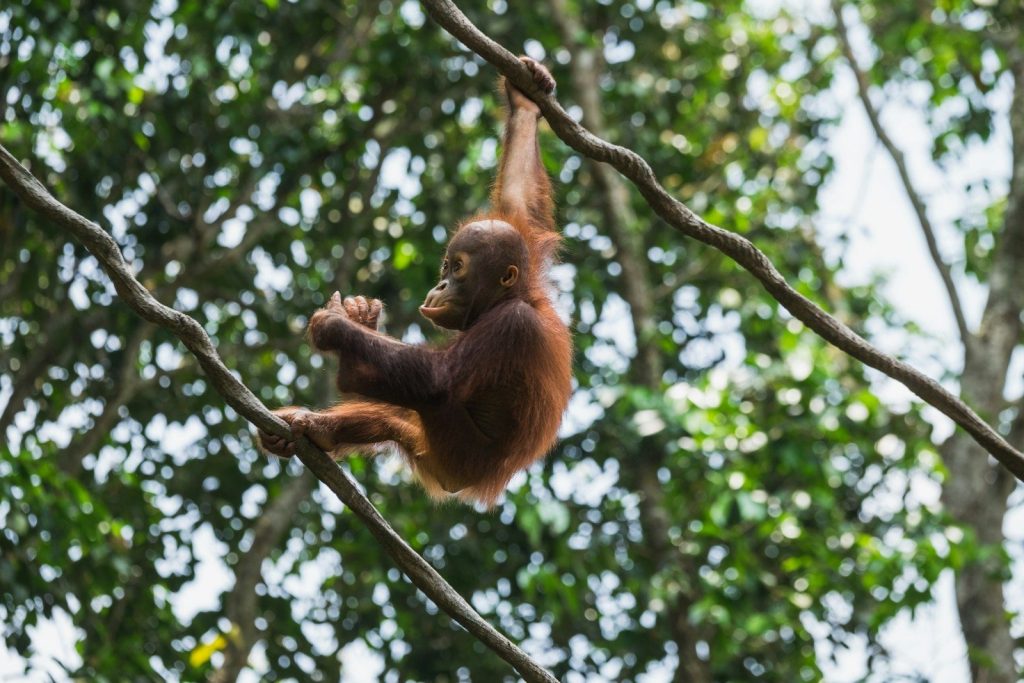
As Popi grew, she entered Jungle School, where rehabilitating orangutans practice the behaviors needed for forest life. Her early development reportedly included reluctance to climb far from carers and occasional mistakes when choosing branches unable to support her.
Those errors were part of learning. Young wild orangutans normally spend years watching their mothers navigate trees, locate food, and build nests. Orphans must acquire comparable survival skills through carefully managed rehabilitation rather than being released simply because they are physically healthy.
Forest Food Lessons
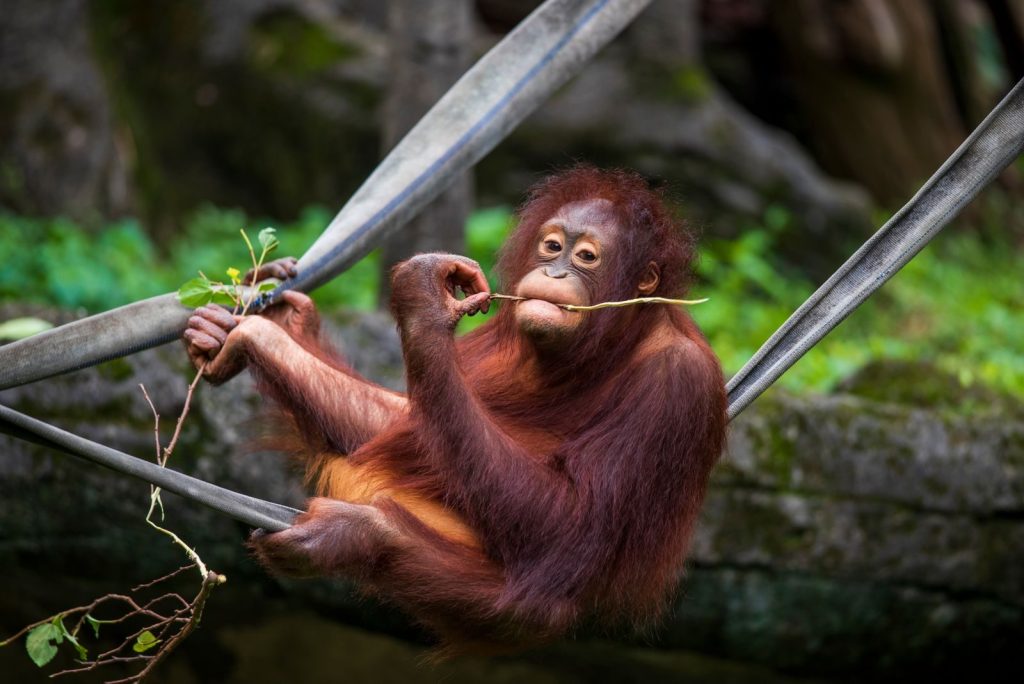
Popi gradually learned to forage for natural foods including fruits, bark, flowers, rattan, cambium, and termites. Identifying edible resources is a critical skill because rainforest food changes with location and season.
Wild orangutans develop extensive knowledge of where fruiting trees are likely to be available and how to process many different foods. Rehabilitation therefore requires far more than teaching an ape to climb. A release candidate must increasingly feed herself without depending on predictable meals provided by human carers.
Climbing and Nesting
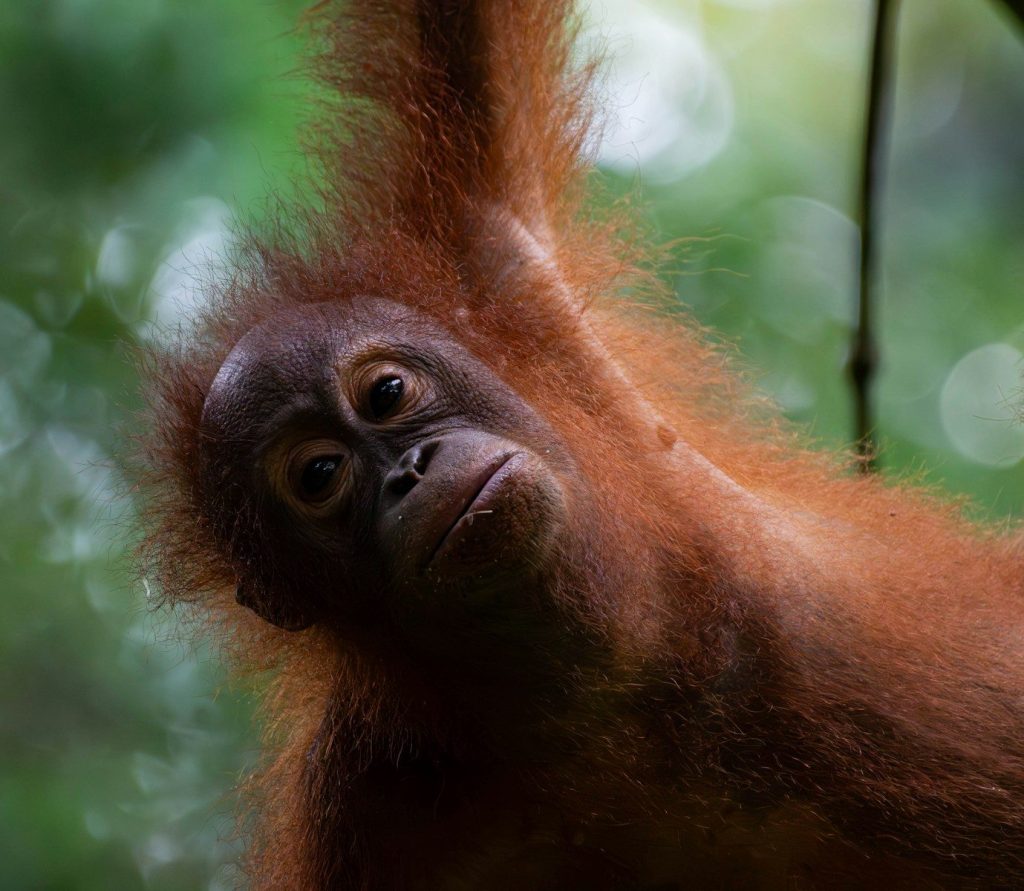
Life high in the canopy demands balance, strength, route selection, and the ability to construct secure sleeping nests. Popi’s rehabilitation documented increasing climbing ability as she matured and moved farther through forest environments.
Nest building became especially important because a wild orangutan must create its own sleeping platform rather than returning to an enclosure every night. These abilities were later evaluated during the pre-release stage, where human assistance was reduced and Popi had to demonstrate that years of Jungle School had translated into practical independence.
Pre-Release Island
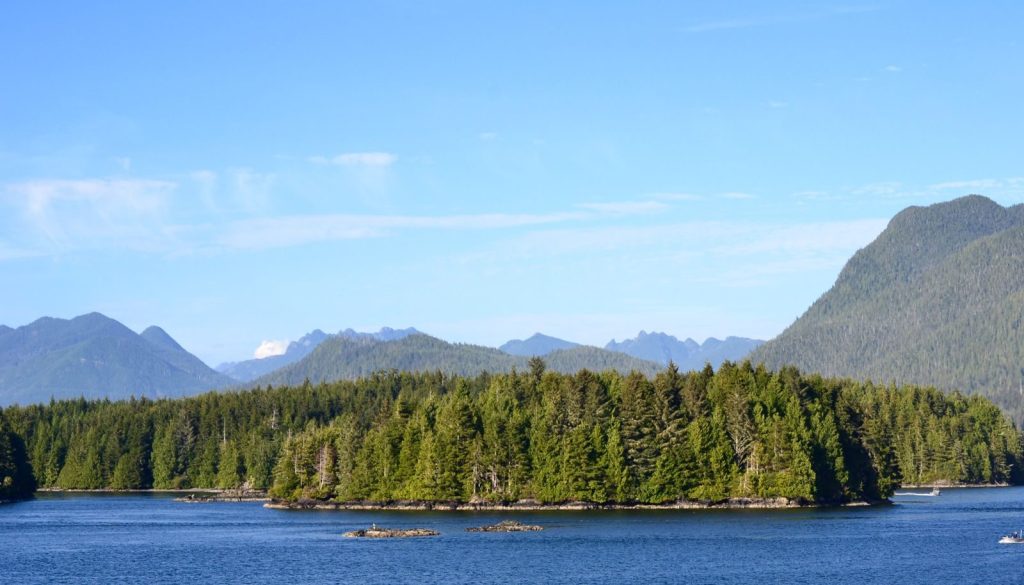
In May 2025, Popi and another orangutan named Devi moved to a forested pre-release island. This environment provided a final test between structured rehabilitation and true release.
The Orangutan Project reported that Popi foraged independently, built nests, climbed higher, and continued strengthening her forest skills there. Pre-release islands are designed to reduce human dependence while allowing teams to monitor whether an orangutan can cope with a more natural environment before committing to release in remote protected forest.
August 2025 Release
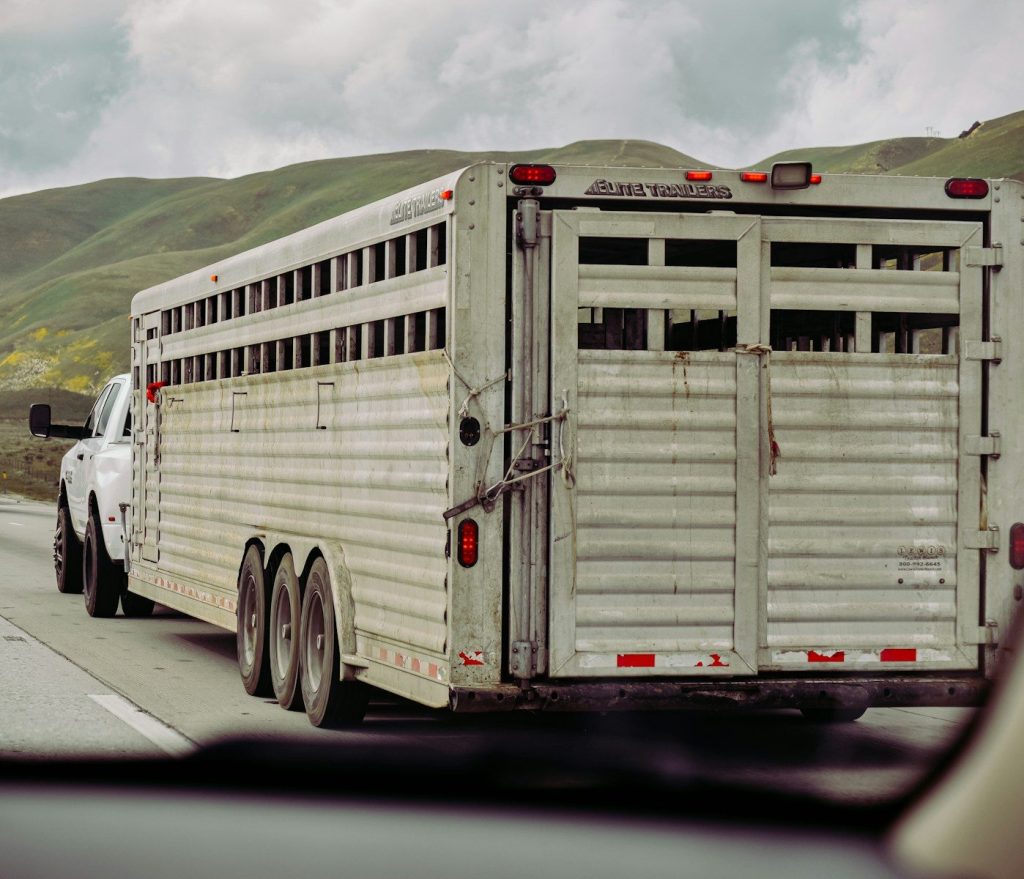
On August 10, 2025, Popi traveled by road and boat to the Busang forest in East Borneo. Her carers and veterinary team accompanied the complicated transport into the release landscape.
When the transport crate was opened, Popi moved out and climbed into the forest canopy. That behavior provided an encouraging beginning, but leaving the crate was not proof that rehabilitation had permanently succeeded. Release programs still need observations afterward because survival, feeding, movement, and adaptation unfold over much longer periods.
Life After Release
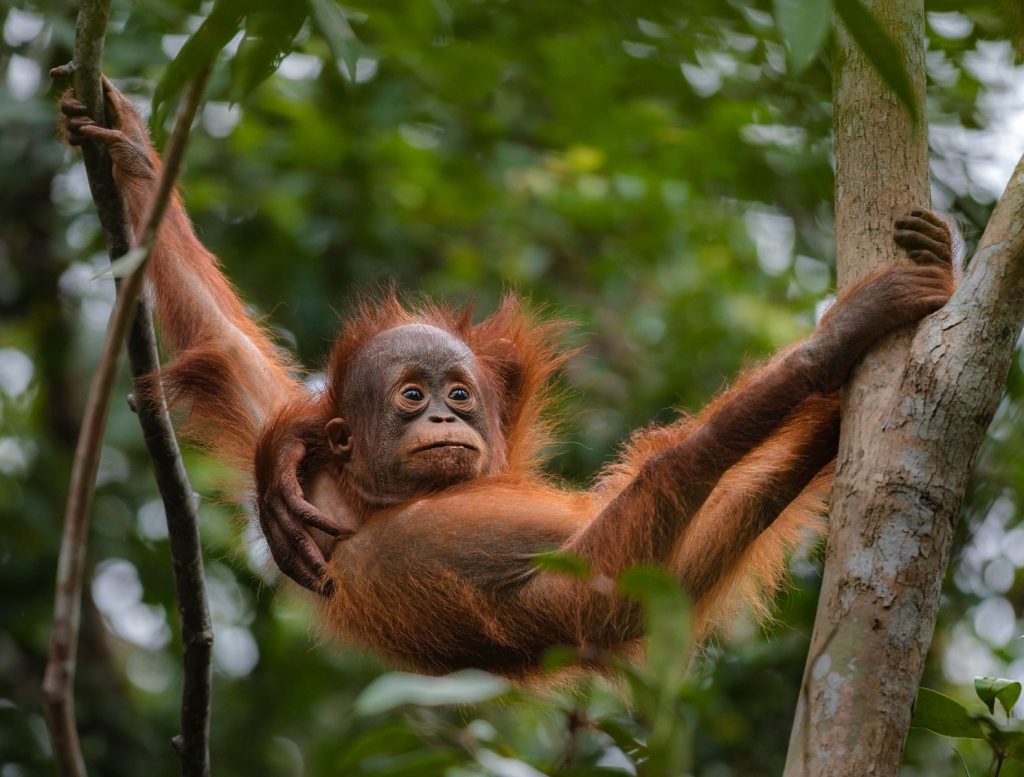
The day after Popi’s release, monitoring teams recorded her near Mary and Bonti, two orangutans that had been released into the Busang ecosystem earlier in 2025. The organization continued following her movements in the forest.
Those observations are more useful than assigning Popi human emotions about “finally being free.” Her successful progression can be measured through natural behaviors: climbing, feeding, nest building, moving independently, and functioning without routine human support. After almost nine years of preparation, those are the outcomes her rehabilitation was designed to achieve.
Featured Image: Photo by Nadirsyah Nadirsyah on Pexels