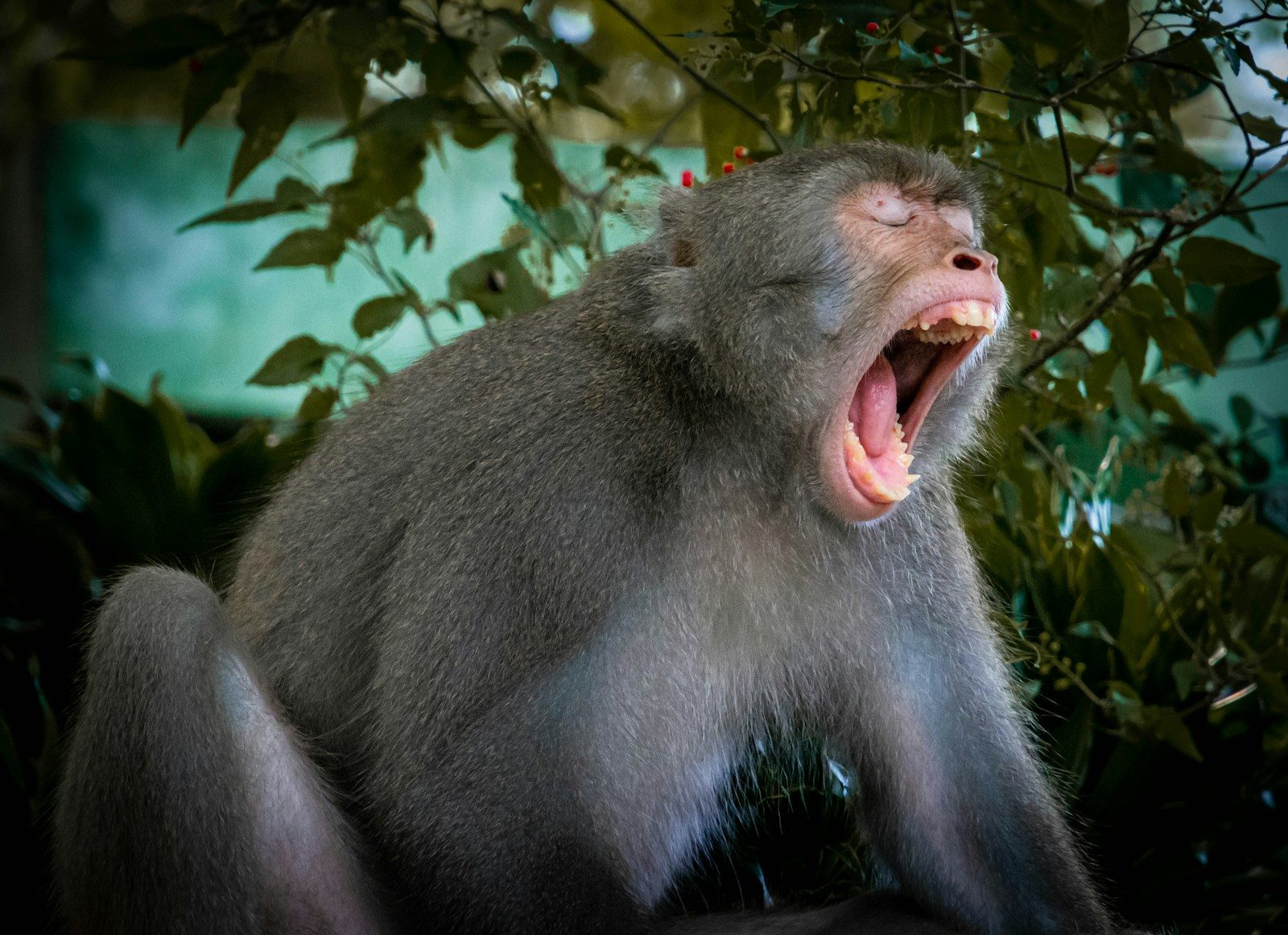
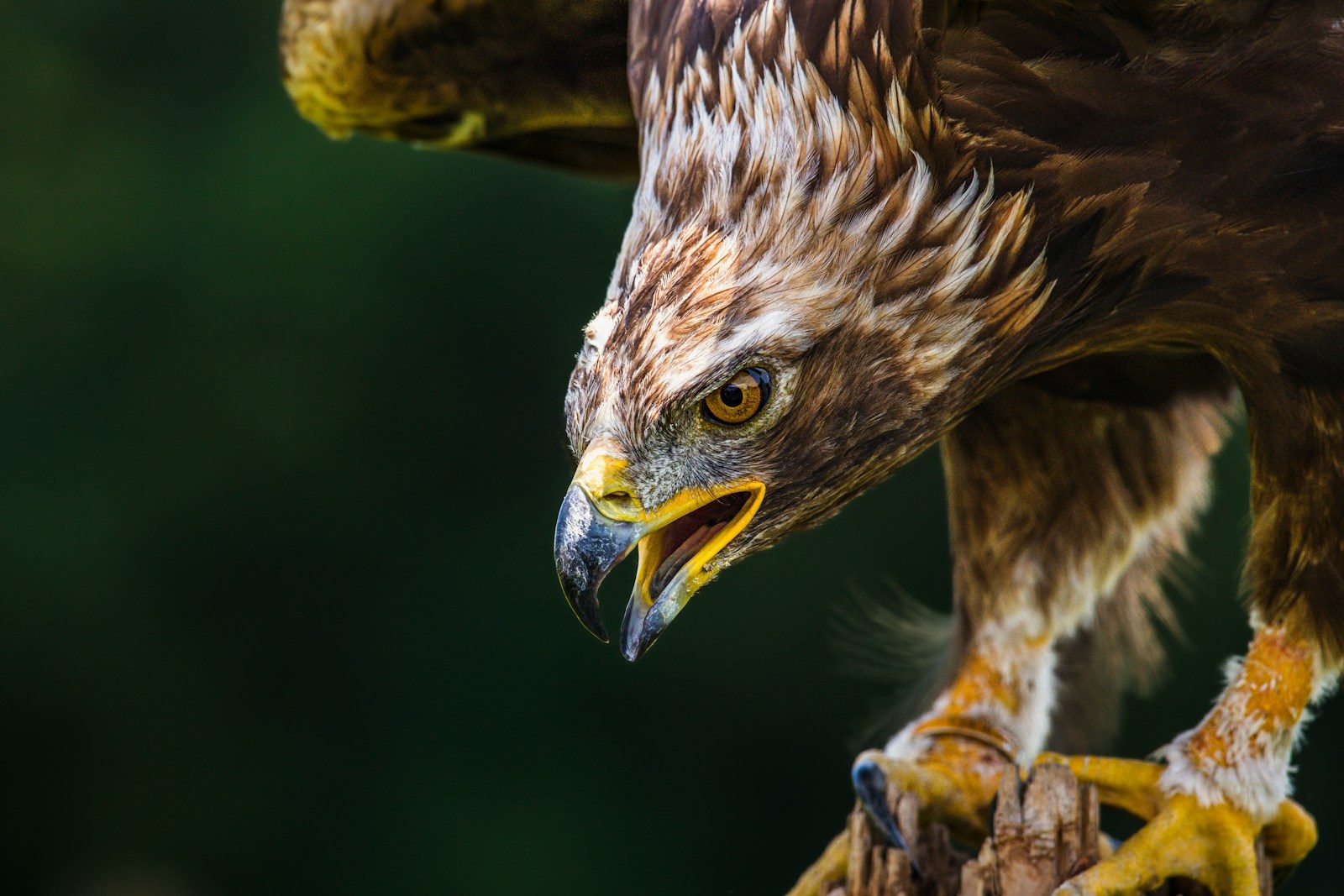
There is no single scientific ranking of the planet’s “most trafficked animals.” Illegal wildlife trade affects thousands of species, and seizure data captures only detected crime. The UN says more than 4,000 wildlife species are affected by trafficking each year.
These eight animals or animal groups illustrate some of the best-documented global trafficking pressures, including demand for scales, ivory, horn, skins, traditional medicines, meat, pets, ornaments, and luxury products.
Pangolins

Pangolins are commonly described as the world’s most trafficked wild mammals. TRAFFIC estimates that around one million were poached over a decade, with animals and scales moving through international criminal networks.
Their scales are made of keratin, the same basic material found in human fingernails, yet they remain sought for traditional medicine and other uses. Pangolins are also consumed as meat in some markets. All eight species are protected under strict international trade controls, but illegal trafficking continues across Africa and Asia.
African Elephants

Elephants have long been targeted for ivory, with tusks carved into jewelry, ornaments, and decorative objects. International commercial ivory trade has been heavily restricted, yet illegal killing and trafficking have continued in parts of Africa.
Recent UN wildlife-crime assessments indicate progress against some elephant trafficking compared with earlier peaks, but that does not mean the threat has disappeared. Seizure and poaching patterns vary between regions. Elephant conservation also faces habitat loss and human-wildlife conflict, making illegal ivory trade one major pressure within a much broader conservation challenge.
Rhinoceroses
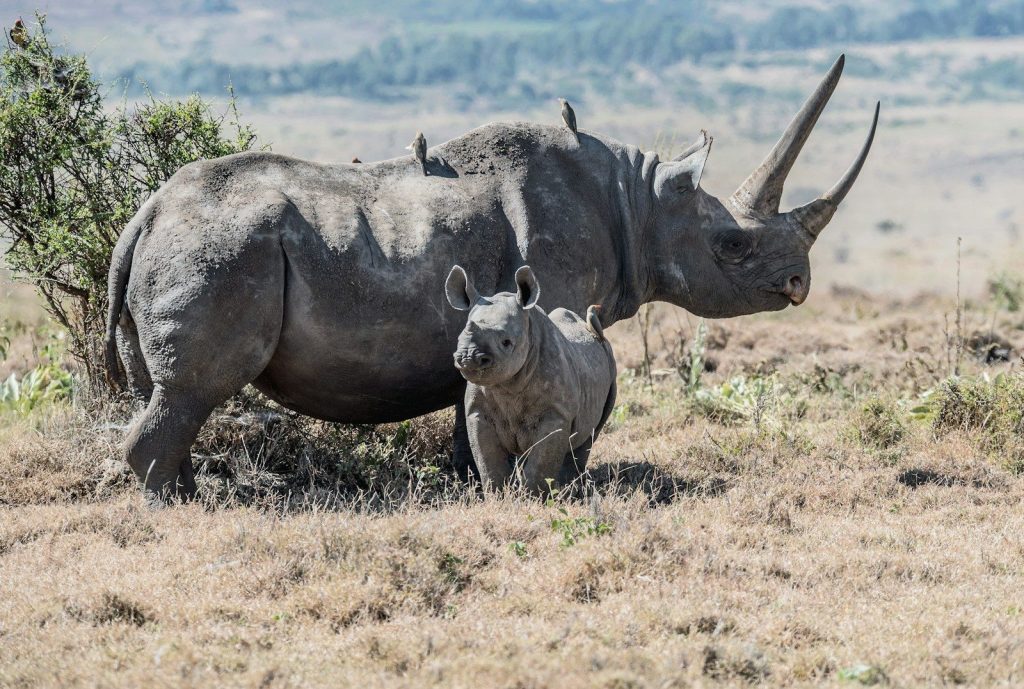
Rhinos are killed primarily for their horns, which are trafficked into illegal markets despite having no unique medicinal ingredient that justifies the extraordinary prices they can command. Rhino horn consists largely of keratin.
Poaching has severely affected several populations, although trends differ among countries and species. The UN’s 2024 wildlife-crime assessment found signs of progress against some high-profile trafficking markets, including rhino horn. That progress remains fragile because a single breeding adult lost to poaching can matter greatly for a small, slow-reproducing population.
Tigers

Tigers are trafficked for skins, bones, teeth, claws, meat, and other body parts. Live animals may also enter illegal or poorly regulated captive trade. Their rarity makes exploitation particularly damaging because wild tiger populations are already fragmented across Asia.
Trafficking is not limited to animals poached directly from forests. Captive breeding can complicate enforcement when illegally sourced parts are mixed into commercial networks. Conservation therefore requires protecting wild habitats while also disrupting organized trafficking routes, reducing consumer demand, and maintaining strong controls on captive tiger facilities and international trade.
Parrots
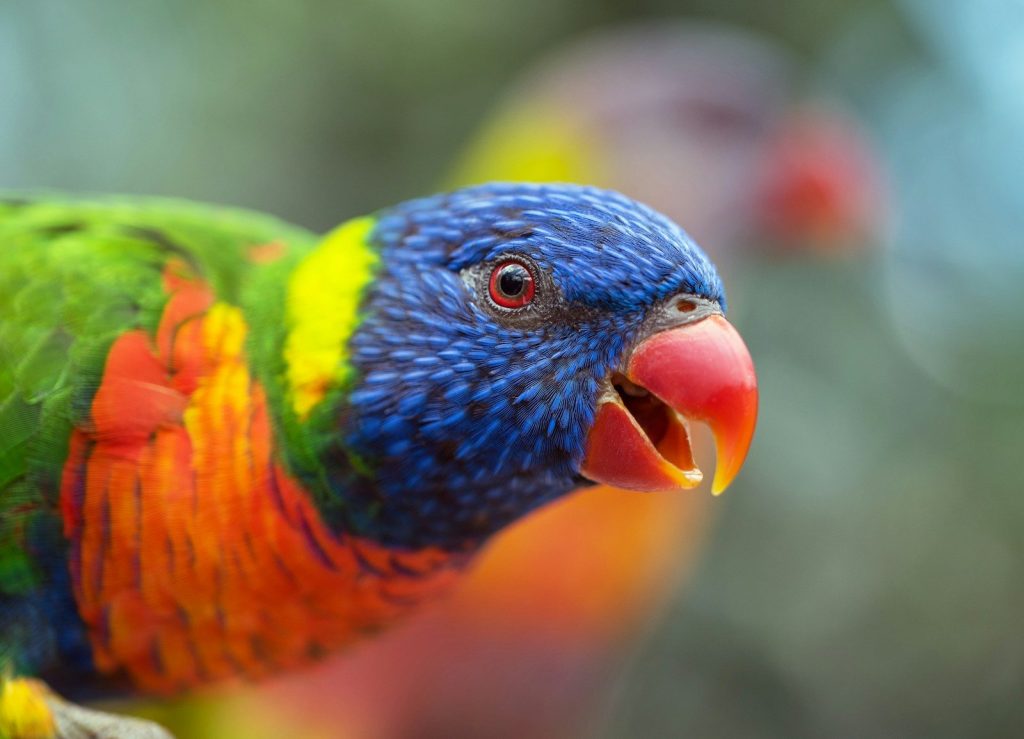
Parrots and other colorful birds are heavily affected by the live wildlife trade. Their intelligence, appearance, and ability to imitate sounds make some species valuable in international and domestic pet markets.
Legal captive breeding exists, but wild birds can still be trapped and moved illegally. The wider wildlife-crime data compiled under CITES shows that trafficking involves far more than famous mammals; birds, reptiles, fishes, and many less-publicized groups appear repeatedly in international seizures. Removing adults or chicks from small wild populations can damage reproduction long after one shipment is intercepted.
Turtles and Tortoises

Turtles and tortoises are trafficked for several different markets, including pets, meat, traditional remedies, and decorative shells. Rare species can command especially high prices from collectors, creating strong incentives for illegal removal from the wild.
The problem is intensified by their biology. Many turtles mature slowly and can live for decades, so populations may take years to replace breeding adults taken by traffickers. UN wildlife-crime reporting emphasizes that illegal trade affects thousands of species rather than only elephants, rhinos, and pangolins, with reptiles forming an important part of the global trade.
Reptiles

Snakes, lizards, geckos, chameleons, and other reptiles frequently enter international wildlife commerce. Much of that trade can be legal when properly regulated, but illegal collection and laundering of wild animals remain conservation concerns.
Rarity itself can create demand. Newly described or geographically restricted species may suddenly become attractive to collectors before authorities fully understand their population size. CITES exists specifically to ensure that international wildlife trade remains legal, traceable, and sustainable rather than threatening species survival. A legal reptile market therefore should not be confused with unrestricted collection from wild populations.
Sharks and Rays
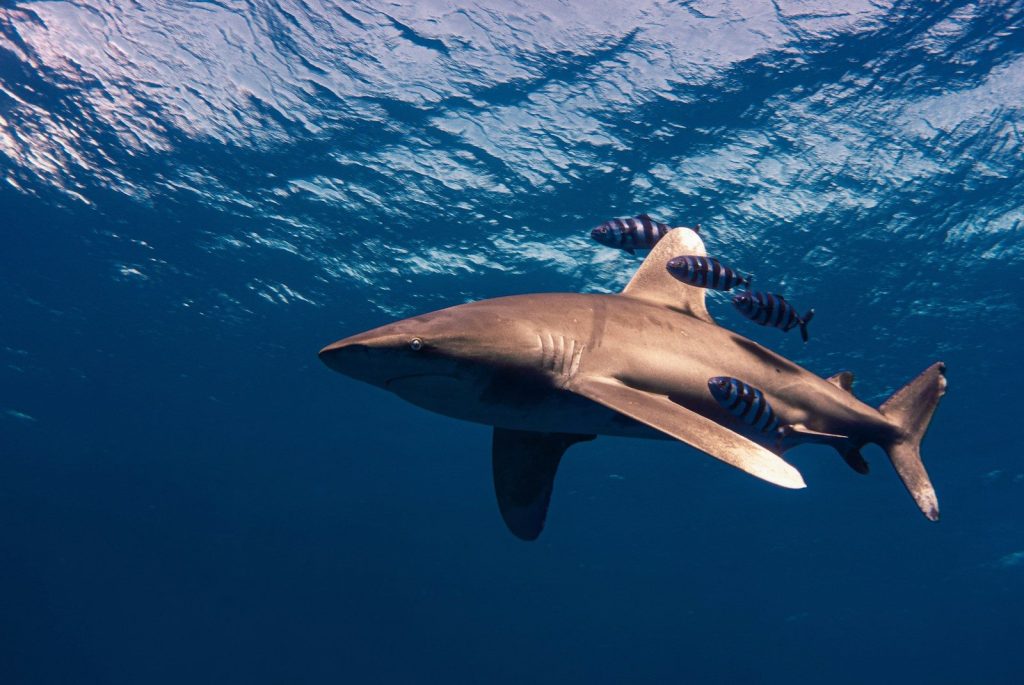
Wildlife trafficking also happens beneath the waves. Sharks and rays may be targeted for fins, meat, gill plates, leather, teeth, and other products that enter international supply chains.
Marine trafficking can be particularly difficult to detect because catches move through fishing ports, processing facilities, and international seafood markets. CITES increasingly regulates trade in threatened shark and ray species so shipments can be monitored and checked for legality. Their inclusion shows why “wildlife trafficking” is much broader than images of poachers hunting elephants on land.