A viral August 2026 video from Poland showed a tourist knocked down after approaching a wild European bison in Białowieża Forest. Unlike many vague wildlife clips, this incident was documented by Polish reporting and the photographer who witnessed it.
The man survived, but the encounter became a clear demonstration of why a calm-looking bison should never be treated as approachable. European bison are enormous, fast, agile wild animals that may defend their space when people move too close.
Białowieża Forest Incident
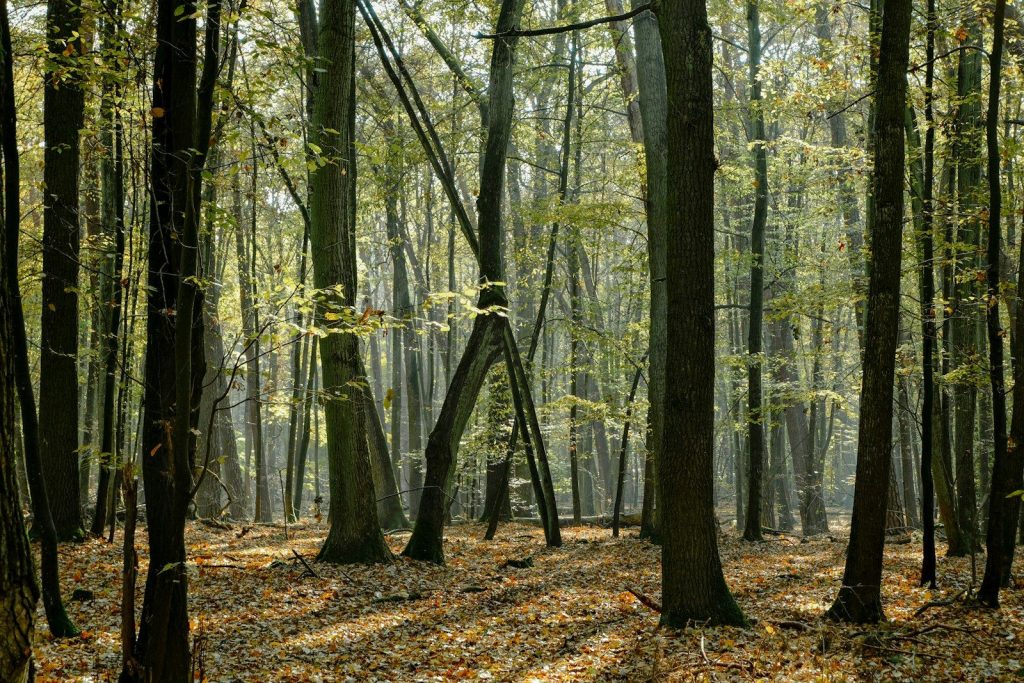
On August 4, 2026, TVP World reported that a tourist had been knocked to the ground and injured after approaching a European bison within a few meters in Poland’s Białowieża Forest. Nature photographer Grzegorz Ryński witnessed and recorded the encounter.
The video showed the man on the ground with the bison standing close over him. Ryński and his wife, Aneta, warned him not to make sudden movements while they tried to help. The incident was not an unexplained attack from a distant animal; the tourist had entered very close range.
European Bison
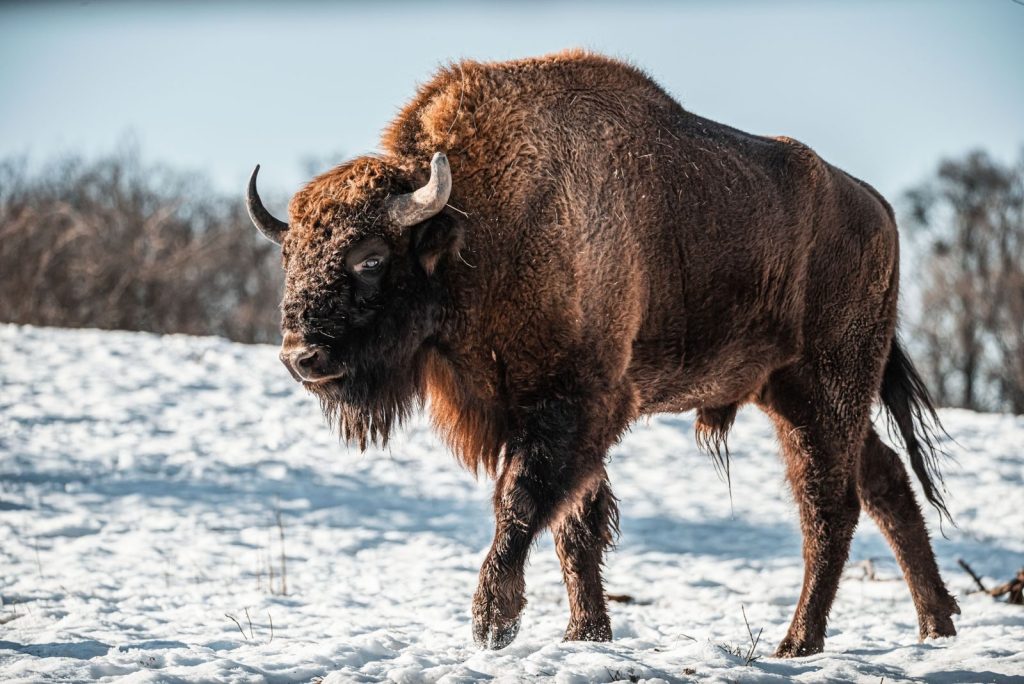
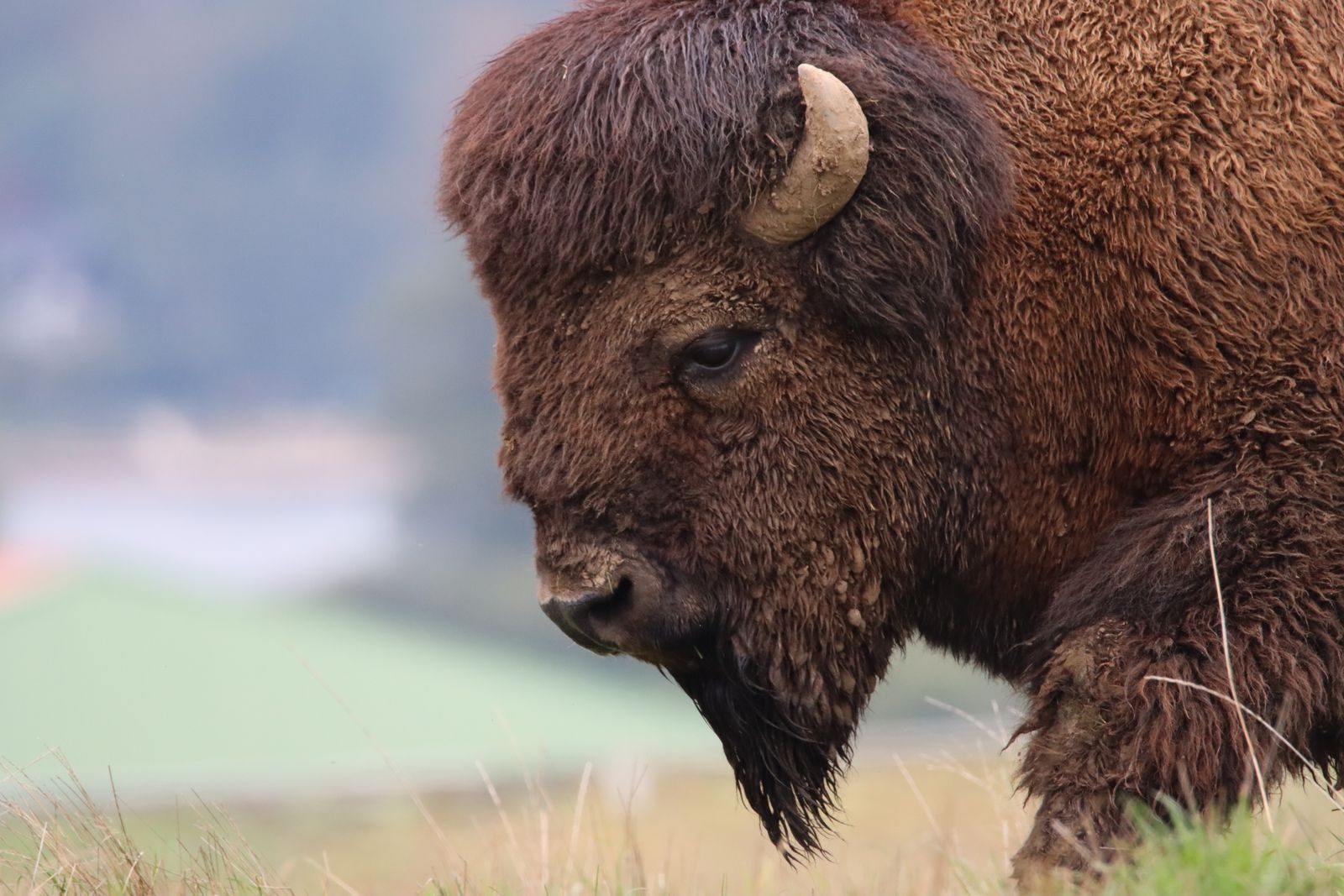
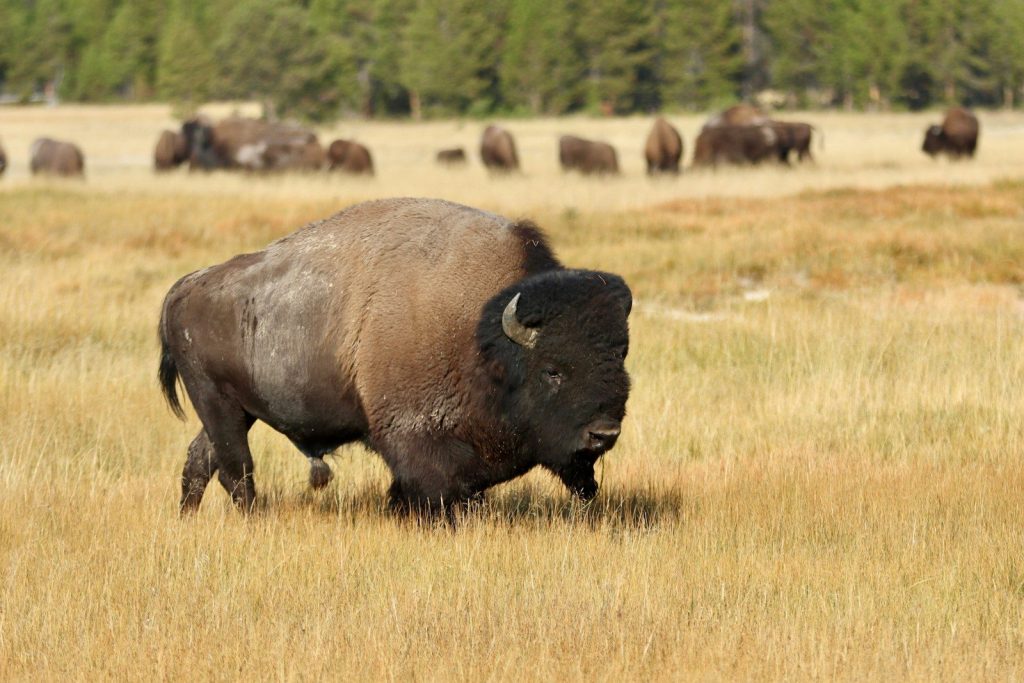
The animal in the video was a European bison, not the American bison familiar from Yellowstone. European bison are the continent’s largest land mammals. Polish State Forests information lists adult males at nearly 800 kilograms on average and females around 550 kilograms.
Their heavy build can make them appear slow when grazing, yet that impression is misleading. Official Polish forestry material says European bison can run at speeds up to about 60 kilometers per hour. A person standing only a few meters away has very little time to react if the animal suddenly closes the distance.
Getting Too Close
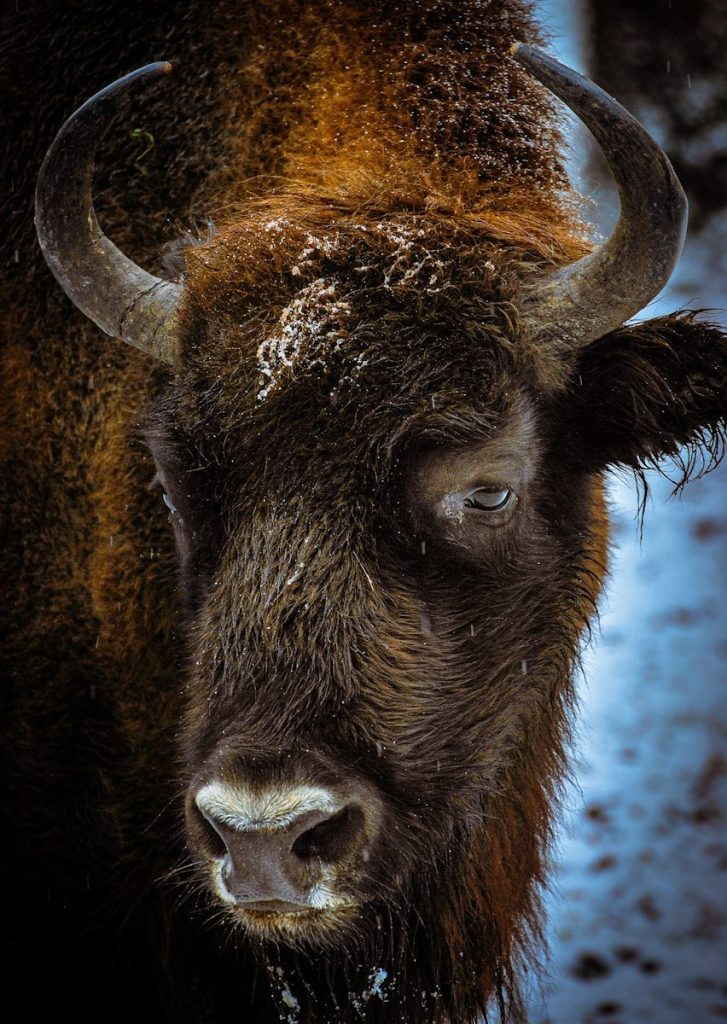
Reports of the Białowieża encounter said the tourist approached within only a few meters of the bison. That decision placed him inside a distance where the animal could reach him almost immediately if it became uncomfortable with his presence.
Wildlife does not need to display aggression before creating danger. A bison may look calm while grazing or standing and still react when someone crosses its tolerance threshold. Polish State Forests guidance simply advises visitors to maintain a safe distance. The photographer who witnessed this incident later stressed that the animal should not be blamed for responding to the close approach.
Defensive Charge
The bison suddenly moved toward the tourist and knocked him down. Witnesses interpreted the reaction as defensive after the man entered the animal’s space, rather than evidence that the bison had been searching for a human to attack.
That distinction matters when describing wildlife behavior. European bison are herbivores, but herbivores can be extremely dangerous when threatened because body mass, horns, and rapid acceleration provide powerful defenses. A defensive response can still cause severe injury. “Not a predator” and “safe to approach” are therefore completely different ideas when dealing with an animal weighing several hundred kilograms.
Bison Standing Over Him
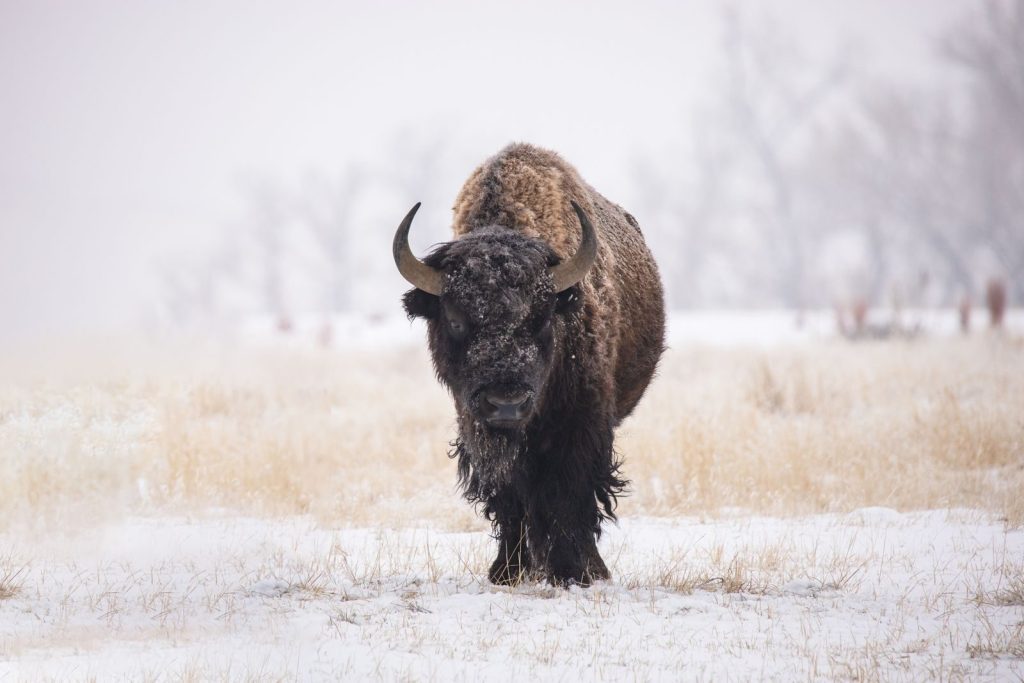
After knocking the tourist down, the bison remained very close while he lay on the ground. Video reports showed the animal watching him, and attempts to rise risked triggering more movement from the bison.
Observers shouted for the tourist to stay still while they worked out how to create a safer escape. It would be misleading to claim the bison was deliberately “guarding” or “punishing” him, because footage cannot reveal that intention. What can be seen is a dangerous standoff in which one sudden movement could have changed the encounter again within seconds.
Photographer Uses His Car
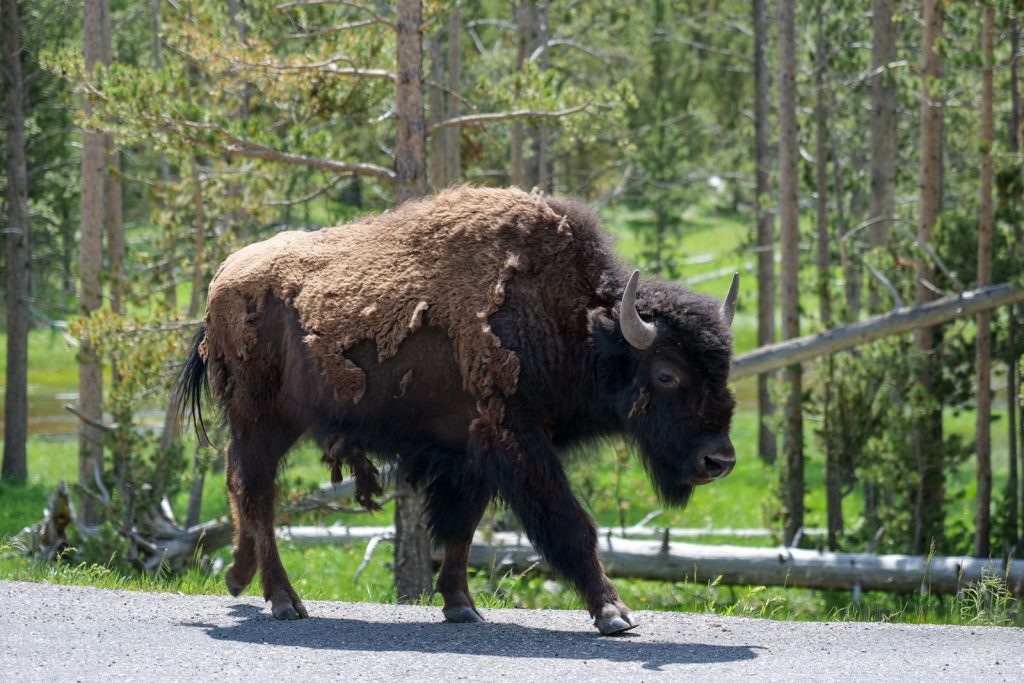
Ryński eventually used his vehicle to help separate the man from the bison. He slowly approached in the car, attempting to distract the animal and create enough space for the tourist to move away without another close confrontation.
The intervention worked, and the man reached safety. This does not make driving toward wild bison a general rescue technique for visitors to copy. Ryński was reacting to an unfolding emergency he had witnessed directly. The preventive lesson is much simpler: maintaining distance in the first place avoids forcing bystanders into risky decisions around a powerful wild animal.
Tourist Injuries

Ryński’s wife, Aneta, told reporters that the tourist appeared to have a wound on his calf along with bruising. Other reports said he required medical treatment. The available accounts indicate he survived the encounter.
The outcome could have been considerably worse. European bison have strong horns, enormous body mass, and enough speed to knock an adult off balance before the person can outrun them. The fact that this tourist escaped should not be interpreted as evidence that approaching bison is usually survivable without serious injury; it shows how quickly an unnecessary close encounter can become a medical emergency.
Safe Bison Viewing
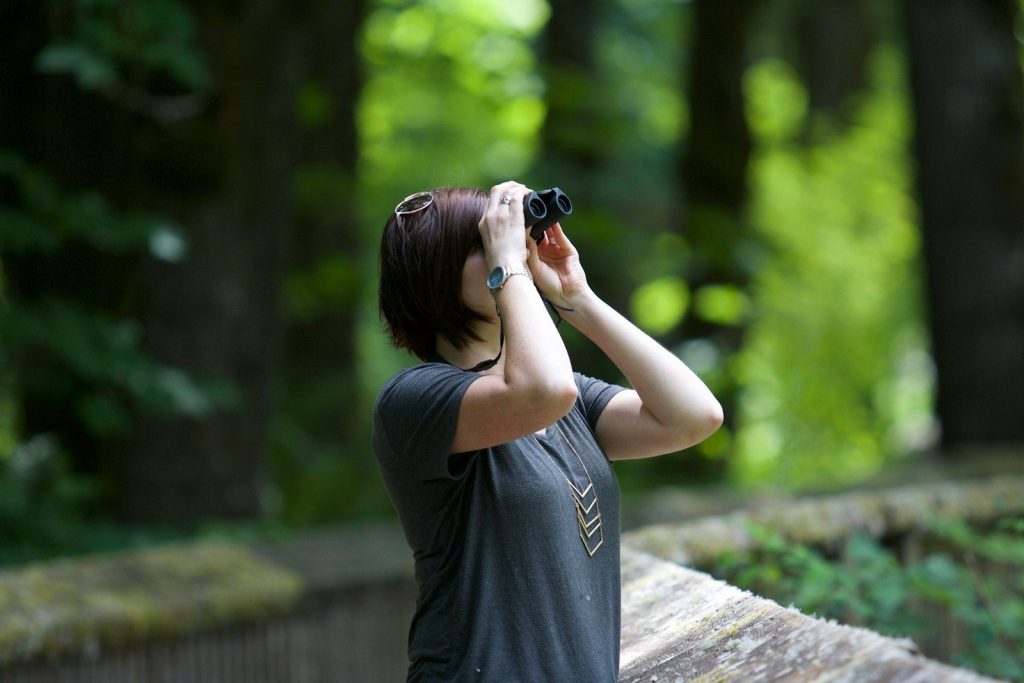
European bison are an extraordinary conservation success, but recovering a species does not make its free-ranging members tame. Polish forestry guidance reminds visitors that they are wild animals and that people should maintain a safe distance when observing them.
Use binoculars or a telephoto lens rather than walking closer for a dramatic photograph. Never block an animal’s path, surround it, or rely on its apparently relaxed posture as permission to approach. This Białowieża video became compelling because the tourist survived, but the safest wildlife encounter is one in which the bison never has to react to you at all.
Featured Image: Photo by patrice schoefolt on Pexels