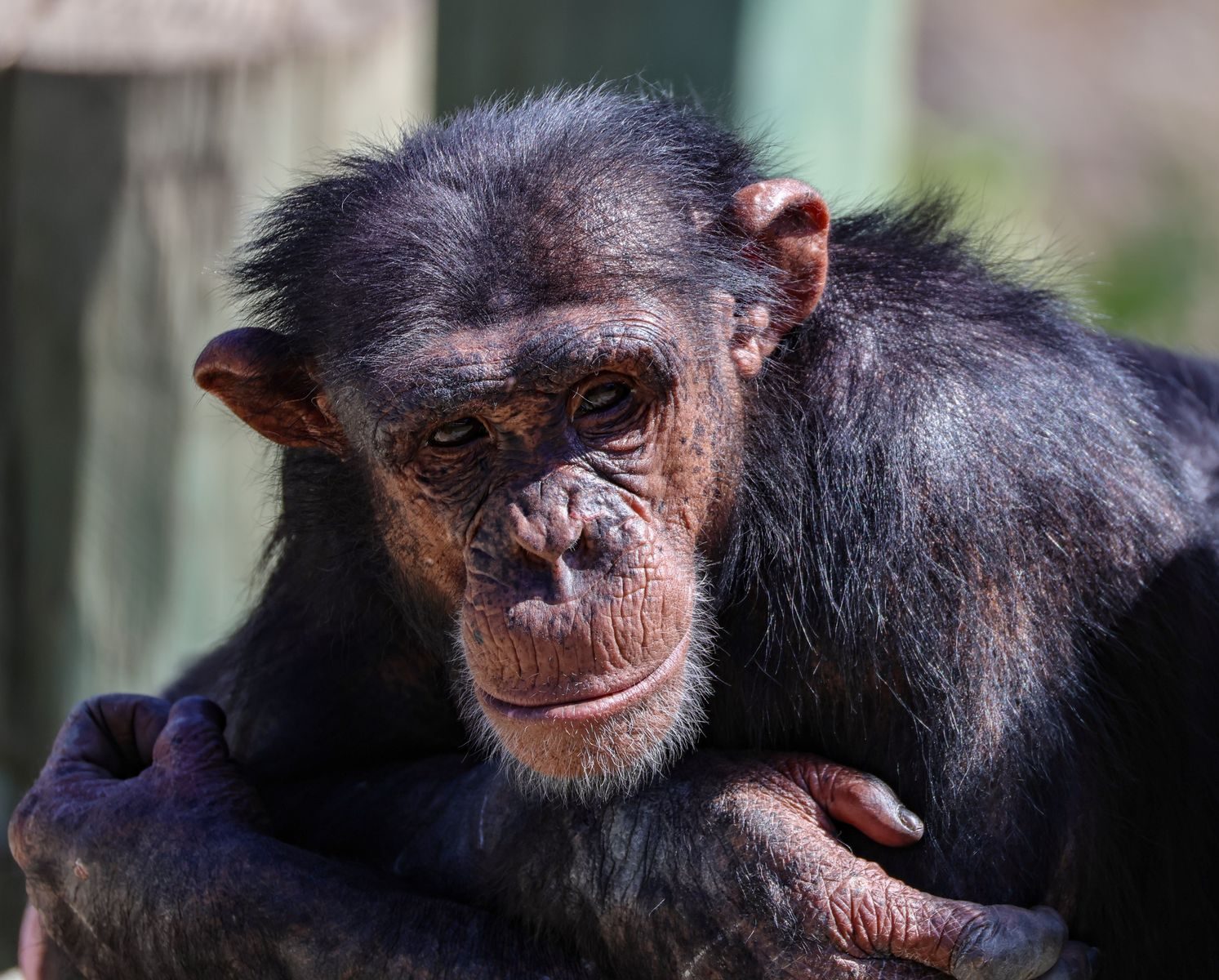
The exact attack implied by this title cannot be independently authenticated from the wording alone. Chimpanzees can cause devastating injuries, but popular claims that they are five or ten times stronger than people substantially exaggerate the scientific evidence.
Controlled research suggests chimpanzee muscular performance is about 1.5 times greater than humans on a mass-specific basis on average, not supernaturally strong.
Chimpanzee Strength Myth
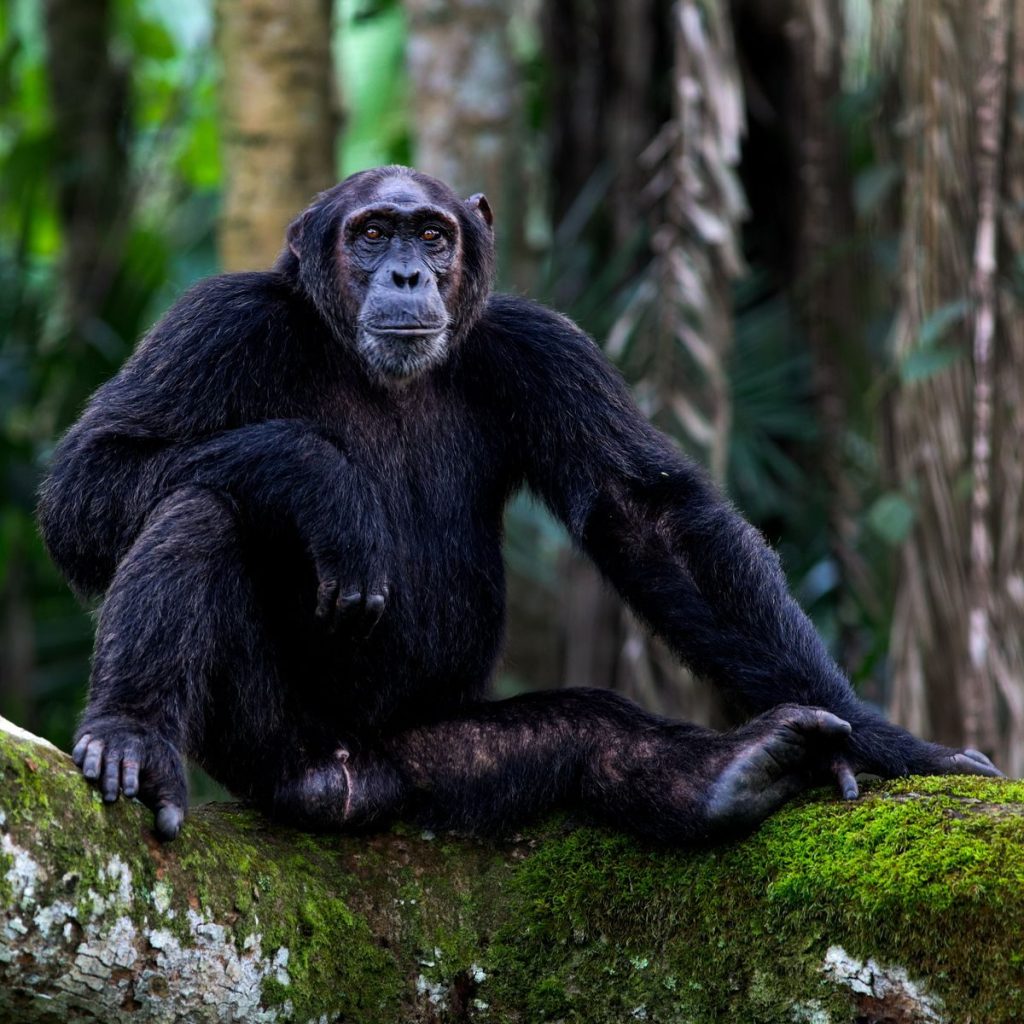
Stories describing chimpanzees as five, eight, or even ten times stronger than humans have circulated for decades. Researchers reviewing controlled measurements found much less dramatic differences.
A 2017 PNAS study concluded that average mass-specific muscular performance is approximately 1.5 times greater in chimpanzees than humans. That is still meaningful, especially when combined with chimpanzee speed, teeth, agility, and willingness to use the whole body during conflict. Correcting the exaggerated figure does not make close contact with an adult chimpanzee safe.
Chimpanzee Muscle Power
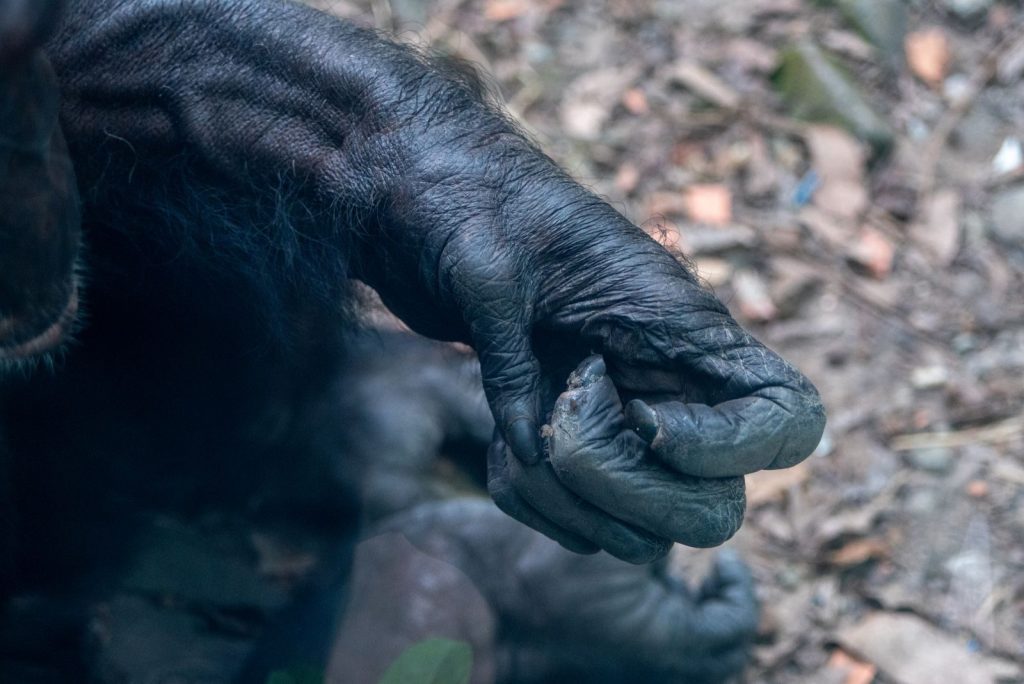
Researchers compared chimpanzee and human skeletal muscle and found that chimp muscle can produce greater dynamic force and power for its size. Their modeling estimated roughly a 1.35-fold advantage at the muscle level.
The difference appears to come largely from muscle architecture and fiber composition rather than chimpanzee muscle using fundamentally different biological machinery. Humans evolved greater emphasis on fatigue resistance and economical repetitive activity, while chimpanzees retain more muscle characteristics favoring explosive force and power. Each species therefore represents a different muscular tradeoff rather than one being universally “better.”
Fast-Twitch Muscle
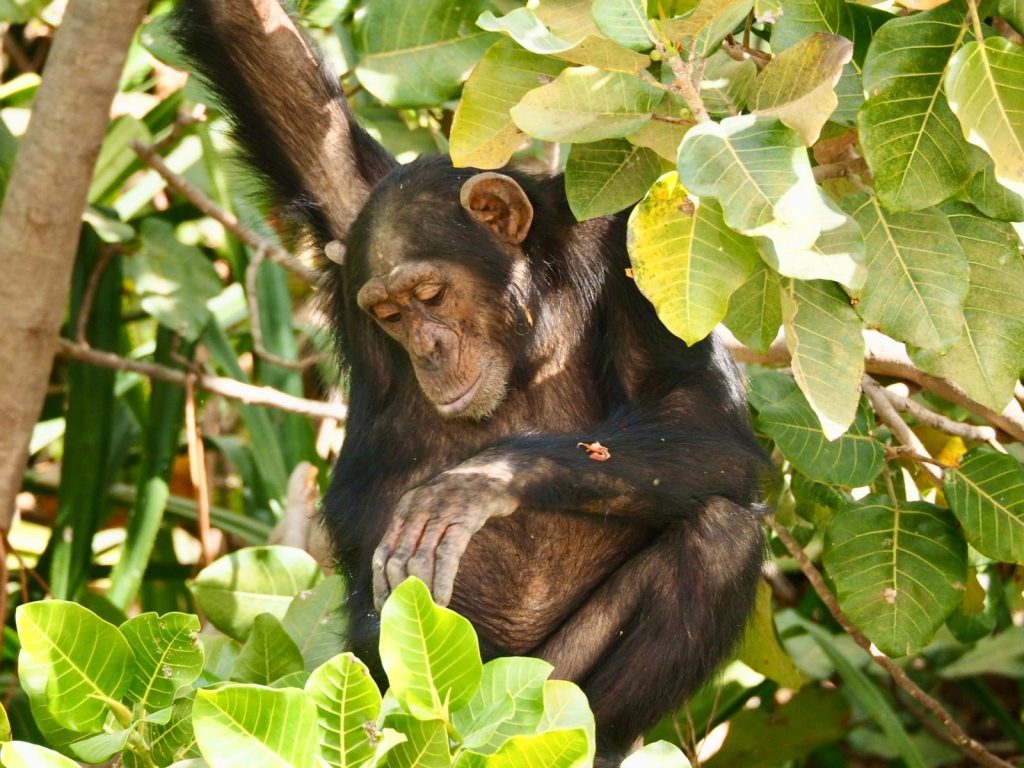
Chimpanzee muscles contain a greater proportion of fast-twitch fibers than typical human muscles. Fast-twitch fibers generate high force and power rapidly, although they fatigue sooner than muscle specialized for prolonged endurance.
Humans have more slow-twitch, fatigue-resistant capacity in many muscles, helping with sustained activities such as long-distance walking and running. A chimpanzee’s advantage therefore becomes most obvious in short, powerful movements rather than endurance contests. This physiological distinction helps explain why an animal of moderate body weight can feel extraordinarily powerful during sudden physical contact.
Chimpanzee Body Size

Chimpanzees are smaller than many people imagine. San Diego Zoo Wildlife Alliance lists adult males at roughly 90 to 120 pounds and females around 70 to 100 pounds, although individuals naturally vary.
Those weights can make a chimpanzee appear manageable beside a large human, especially when the animal is sitting quietly. Body weight alone is misleading, however. An adult chimp combines substantial muscular power with climbing ability, quick movement, strong grasping hands, and large canine teeth. A relatively compact body can therefore produce serious danger during direct conflict.
Chimpanzee Bites

Chimpanzees do not need mythical strength to cause severe injuries. Their teeth and physical ability to grab and pull can make a close attack medically devastating.
A published case involving a 55-year-old woman attacked by a captive 14-year-old chimpanzee documented extensive life-threatening trauma. Occupational guidance for working with great apes also records serious bites, scratches, lacerations, and finger injuries. These cases are important for safety but should not be used to portray ordinary chimpanzee behavior as constant violence toward humans.
Wild Chimpanzee Aggression

Aggression is part of natural chimpanzee social behavior, including disputes within groups and conflicts involving neighboring communities. Long-term field research has documented severe attacks between chimpanzees without requiring human provocation.
Human attacks can occur too, particularly where people and wild chimpanzees share heavily modified landscapes. A study at Bossou, Guinea, recorded 11 attacks on local people between 1995 and 2009; all were nonfatal. Such records demonstrate capability without implying that wild chimpanzees normally seek people to attack.
Captive Chimpanzees
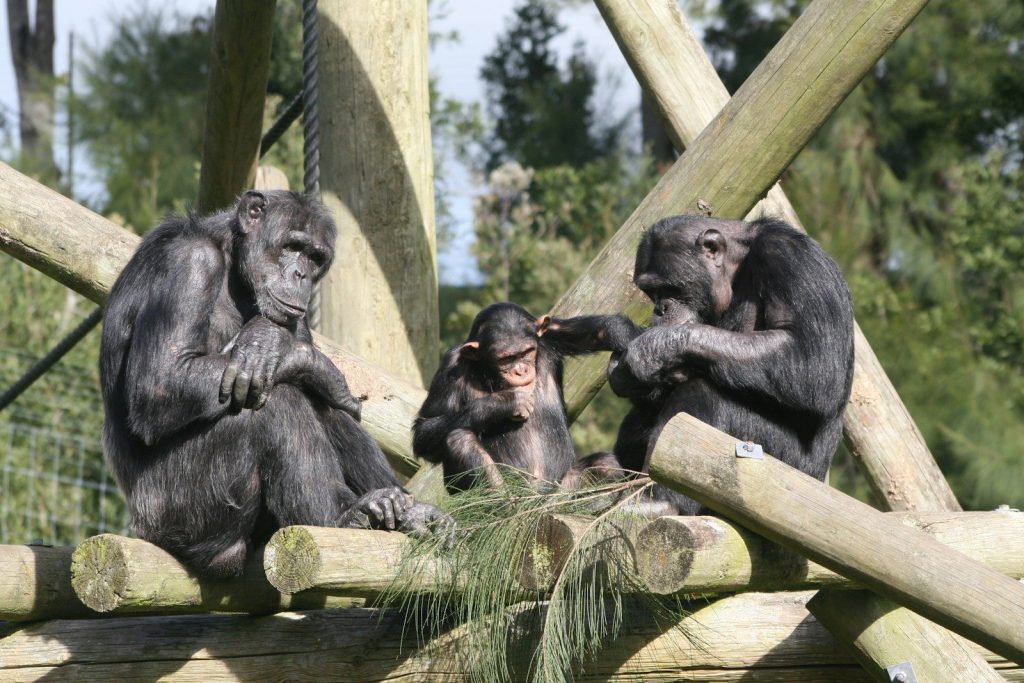
Chimpanzees kept as pets can become increasingly difficult to manage as they mature. The Jane Goodall Institute notes that young animals may initially appear docile and affectionate before their increasing size, intelligence, independence, and strength create serious management problems.
Human rearing also cannot provide the normal social environment of a chimpanzee community. An adult ape that has spent years treated like a human household companion remains a powerful wild species. Familiarity with an owner does not remove the possibility of severe defensive, frustrated, or aggressive behavior.
Respectful Distance
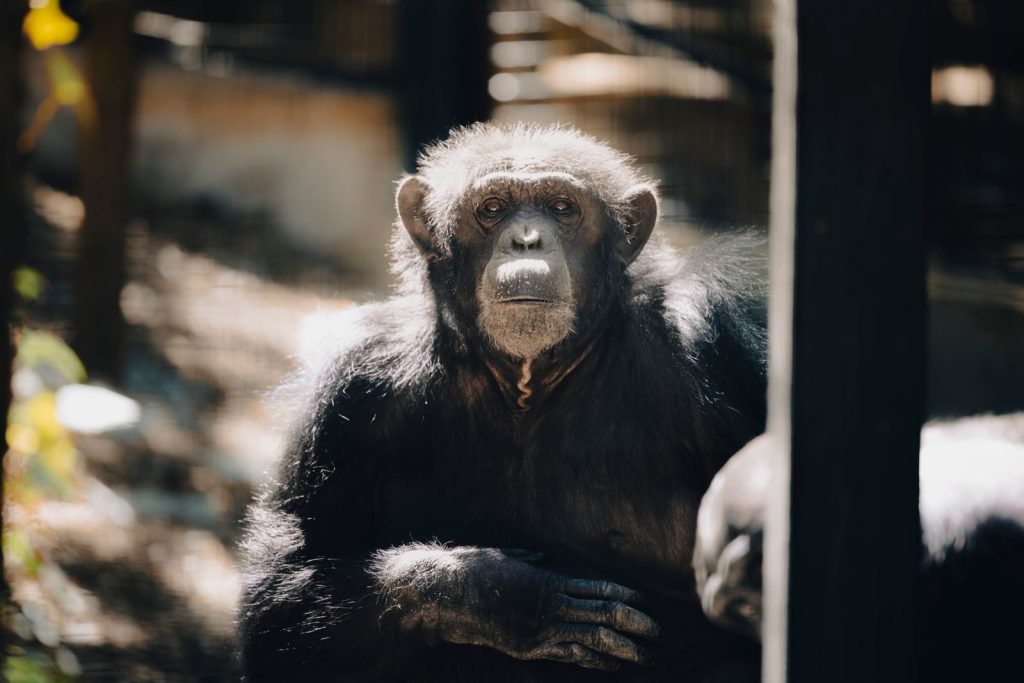
The safest way to appreciate chimpanzees is through responsible wildlife tourism, professional sanctuary care, accredited zoological programs, or remote observation—not direct physical interaction.
Researchers, keepers, and sanctuary professionals use barriers and established safety procedures precisely because experience does not eliminate risk. Chimpanzees deserve respect as socially complex endangered great apes, not fear-driven portrayals as monsters or misleading treatment as oversized pets. Their real muscular abilities are impressive enough without multiplying scientific estimates for dramatic effect.