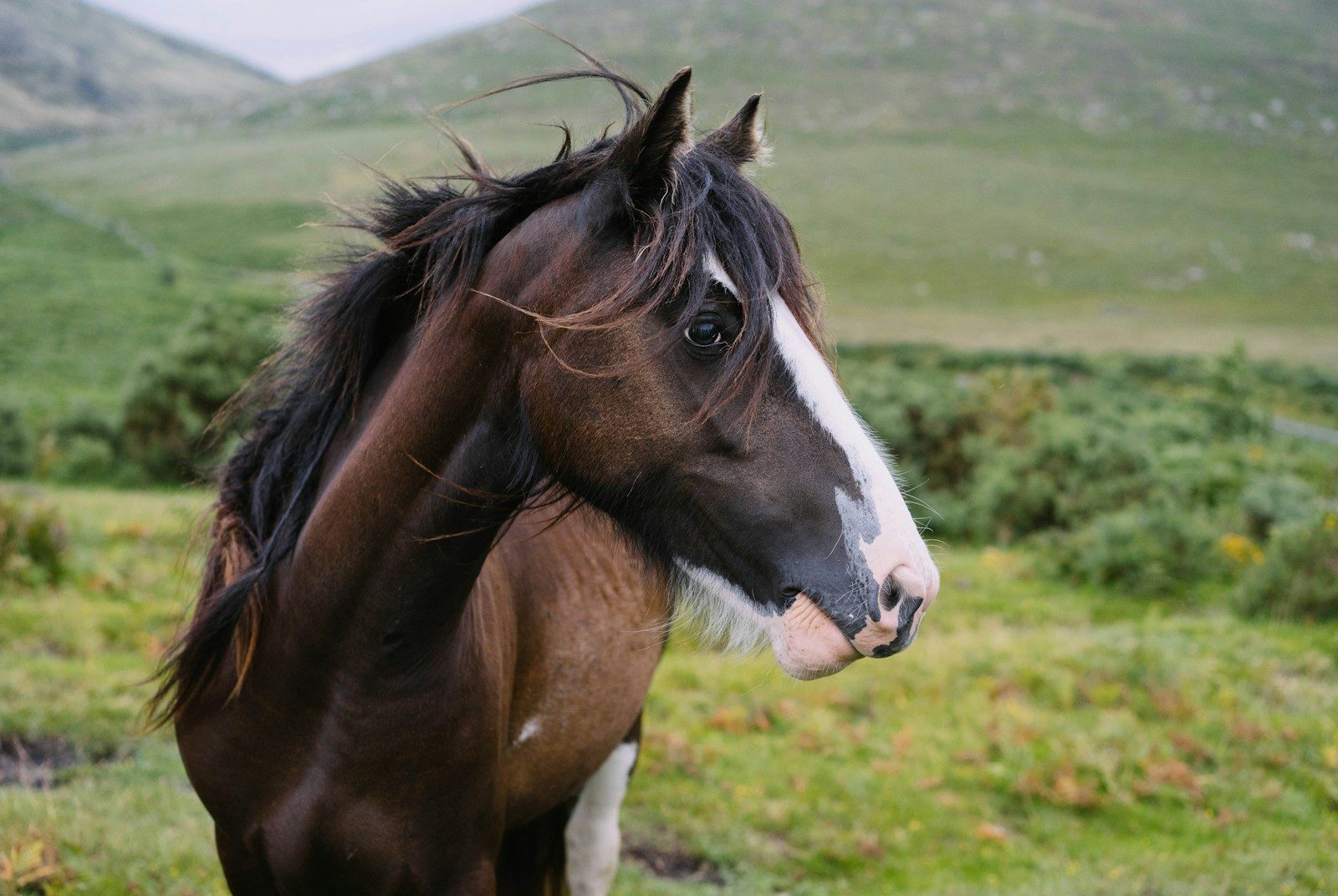
Free-roaming horses and their foals create some of the most memorable wildlife scenes in North America. The word “wild” needs context, however: most American mustangs descend from domesticated horses that returned to free-ranging life, rather than from an unbroken wild lineage.
Foals enter that demanding life quickly. They must stand, nurse, follow their mothers, learn herd behavior, and gradually shift toward grazing while facing weather, limited water, and other pressures of life on open rangelands.
Free-Roaming American Horses
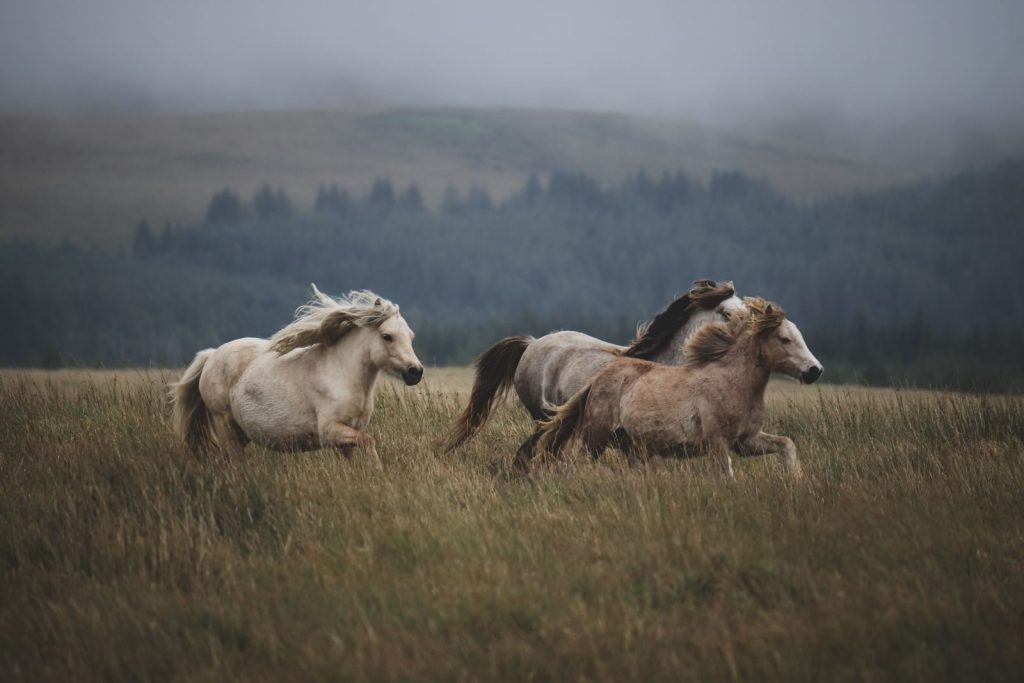
The Bureau of Land Management legally manages these animals as “wild horses,” although scientific literature commonly describes western free-roaming horses as feral descendants of domesticated stock. On March 1, 2026, BLM estimated 61,523 horses on the western public lands it manages.
That distinction does not make their lives tame. Many herds reproduce, travel, compete for water and forage, and form social groups without routine human control across open country. Assateague Island’s free-roaming horses likewise descend from domestic horses brought to barrier islands centuries ago, yet now display complex natural social behavior.
Spring Foaling Season

Across BLM-managed western herds, most foals are born from March through June. The agency identifies late April and early May as the peak foaling period, when newborns become especially visible on many ranges across western states.
Timing birth during spring generally places mares and foals in a season of increasing plant growth and milder conditions, although weather and forage still vary greatly between landscapes. BLM normally avoids helicopter-assisted gathers during March through June unless an approved emergency requires action, partly because this is the main period when very young foals are present.
Newborn Foal

A horse foal must become mobile remarkably quickly. Veterinary guidance says healthy newborn foals usually attempt to rise soon after birth, with most standing on their own within about one hour and nursing within roughly two hours.
That rapid start is especially important for free-roaming foals that cannot depend on a stall or human caretaker. Their first milk, called colostrum, supplies antibodies the newborn does not receive before birth. Early nursing therefore provides both calories and crucial immune protection while the foal begins coordinating its long legs and learning to follow its mother.
Mare and Foal Bond
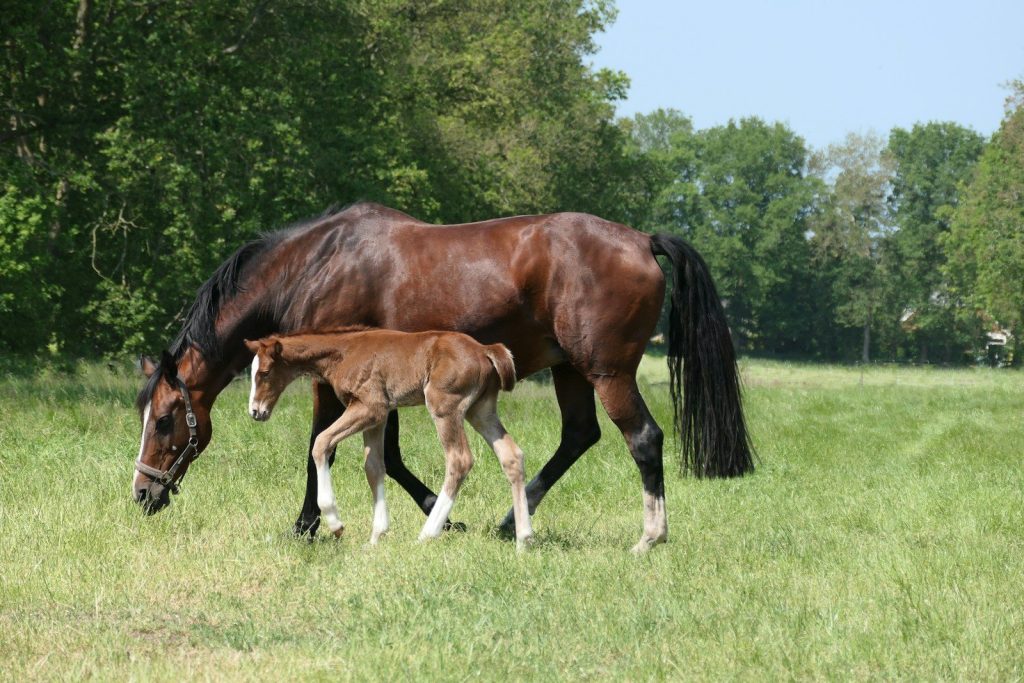
Mares and foals form a close association during the first hours after birth. Young foals normally follow when their mothers move, while mares remain especially close when their offspring are very small. Most nursing behavior is initiated by the foal.
During the first month, foals nurse frequently and spend much of their time near their mothers. That dependence gradually decreases as the youngster explores farther away. Staying close provides reliable access to milk and helps the foal move with the social group rather than becoming separated in an open landscape where weather, terrain, and other horses can create challenges.
Wild Horse Bands

Free-roaming horses commonly live in social groups often called bands. BLM educational material describes bands containing mares, foals, yearlings, and a stallion that fathers offspring and helps guard the group. Real herd structure can be more complicated, with individuals joining, leaving, or forming different associations.
Foals therefore grow up surrounded by more than their mothers. They encounter adult horses and other youngsters while learning spacing, following movements, and social signals. National Park Service observers on Assateague emphasize the horses’ complex social structure, which produces a wide range of behaviors visible to patient wildlife watchers.
Foal Play
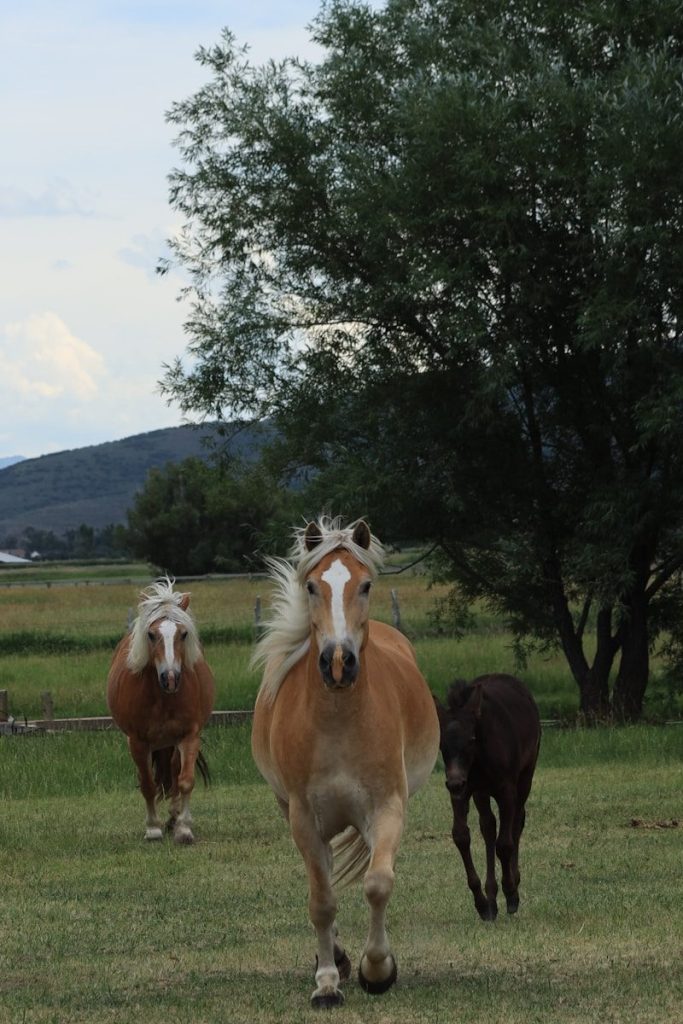
Young foals do not spend every waking moment nursing and following their mothers. During the first month, they gradually venture farther away, explore their surroundings, and begin playing more with other foals. Running, chasing, grooming, and physical play become part of their development.
Play gives a growing horse opportunities to practice movement and social interaction without the full stakes of adult competition. Veterinary behavior references note that foals initially play mainly with their mothers before expanding their social contact. Those awkward sprints and sudden bursts of energy are therefore normal parts of becoming a coordinated herd animal.
Learning to Graze

Milk dominates a foal’s earliest nutrition, but young horses gradually begin spending more time performing adult maintenance behaviors such as grazing and standing rest. The change happens alongside continued nursing rather than in one sudden switch.
A free-roaming youngster also learns where the band travels to find forage and water. Those resources can become limited on arid western ranges, especially where populations exceed what managers consider sustainable. Learning to move with older animals therefore connects a foal to both food and social protection while its body increasingly depends on vegetation instead of milk alone.
Watching Wild Horses
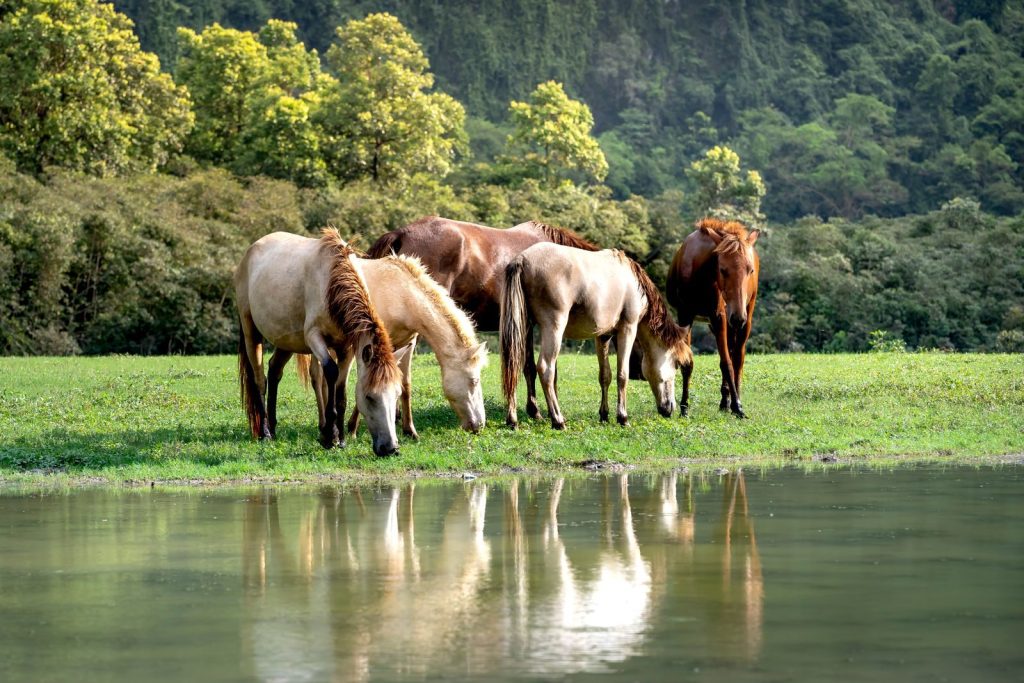
Wild horse foals can look approachable, especially when they are small, but visitors should not treat them like pasture pets. The National Park Service warns people not to feed or pet Assateague horses because habituated animals can become dangerous and may approach roads seeking food.
People are bitten, kicked, or knocked down after getting too close. Feeding can also make horses sick and encourage risky roadside behavior. The best view comes from enough distance that the mare, foal, and band continue behaving normally, with binoculars or a telephoto lens providing the close-up instead.
Featured Image: Photo by Melissa Keizer on Unsplash