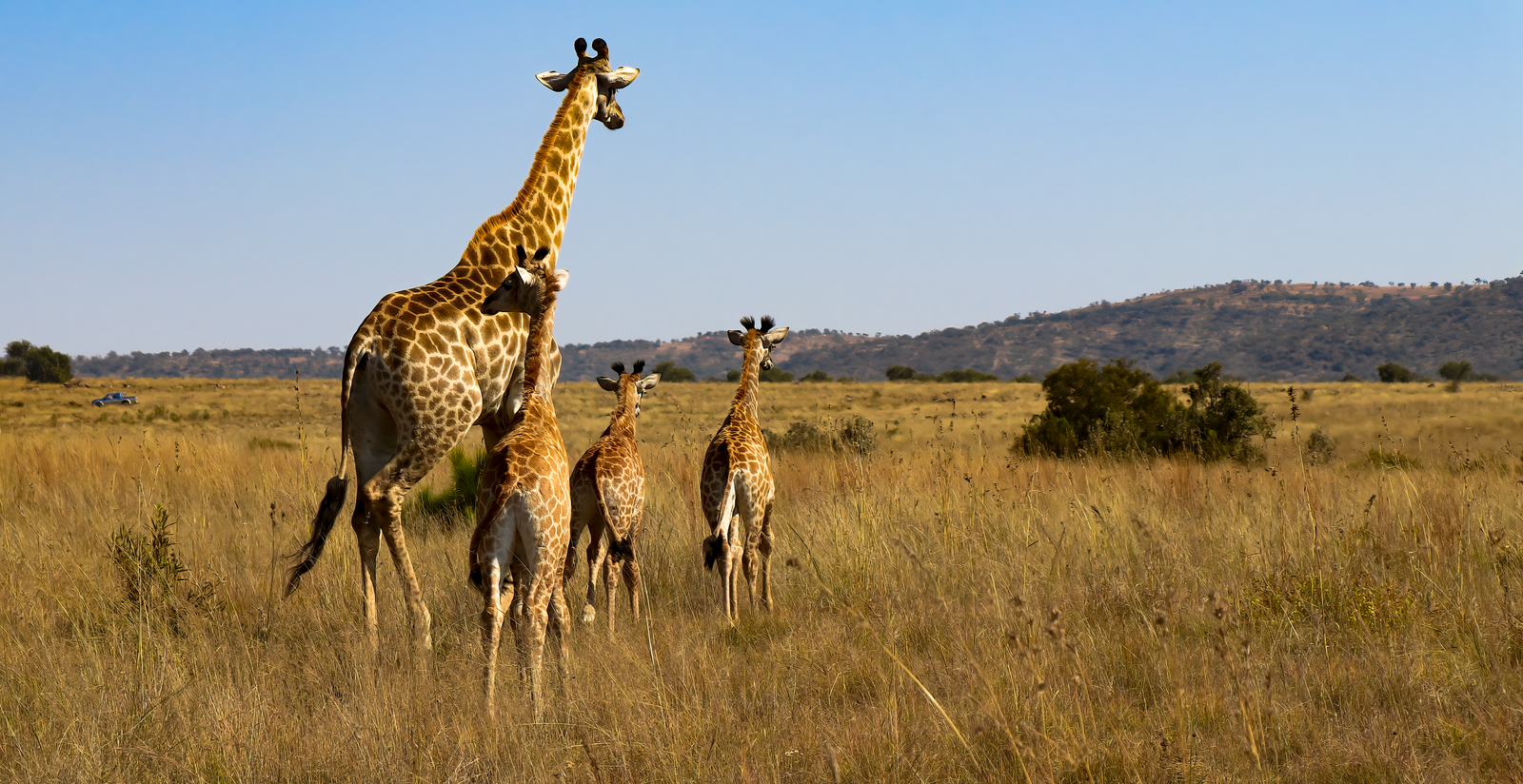
No animal can literally survive anything. Every species has biological limits, and even famous extremophiles die when conditions exceed those limits. Some animals, however, possess adaptations that let them endure environments lethal to most others.
From frozen frogs to mammals coping with almost no oxygen, these eight examples demonstrate very different survival strategies. Their resilience depends on specialized biology, dormancy, behavior, or physiology rather than supernatural toughness.
Tardigrades

Tardigrades, or water bears, are microscopic animals famous for surviving severe environmental stress. Some species can enter cryptobiosis, dramatically reducing metabolic activity as their bodies lose water and contract into a compact form called a tun.
Experiments have exposed tardigrades to extreme drying, radiation, temperature stress, and even space conditions. Their reputation needs one qualification: they are not indestructible. Survival varies among species and conditions, and many of their most remarkable tolerances occur while animals are dormant rather than normally active.
Wood Frog

Wood frogs in northern North America survive winter in a way that would kill most vertebrates: much of their body can freeze. During this period, breathing stops, the heart stops beating, and ice forms around tissues.
The frog protects its cells with high concentrations of substances including glucose that act as cryoprotectants. Ice forms mainly outside cells rather than destroying them from within. When temperatures rise, circulation and normal activity resume, allowing these frogs to survive remarkably severe subarctic winters.
Naked Mole-Rat

Naked mole-rats spend their lives in crowded underground tunnel systems where oxygen can become scarce and carbon dioxide can rise. Their physiology is unusually well suited to these conditions compared with that of most mammals.
Smithsonian material notes that naked mole-rats can survive remarkably long periods in oxygen-free experimental conditions and tolerate low-oxygen environments that would be lethal to typical mammals. Their metabolism can shift dramatically when oxygen disappears, making them valuable research animals for understanding how mammalian tissues cope with oxygen deprivation.
Antarctic Midge
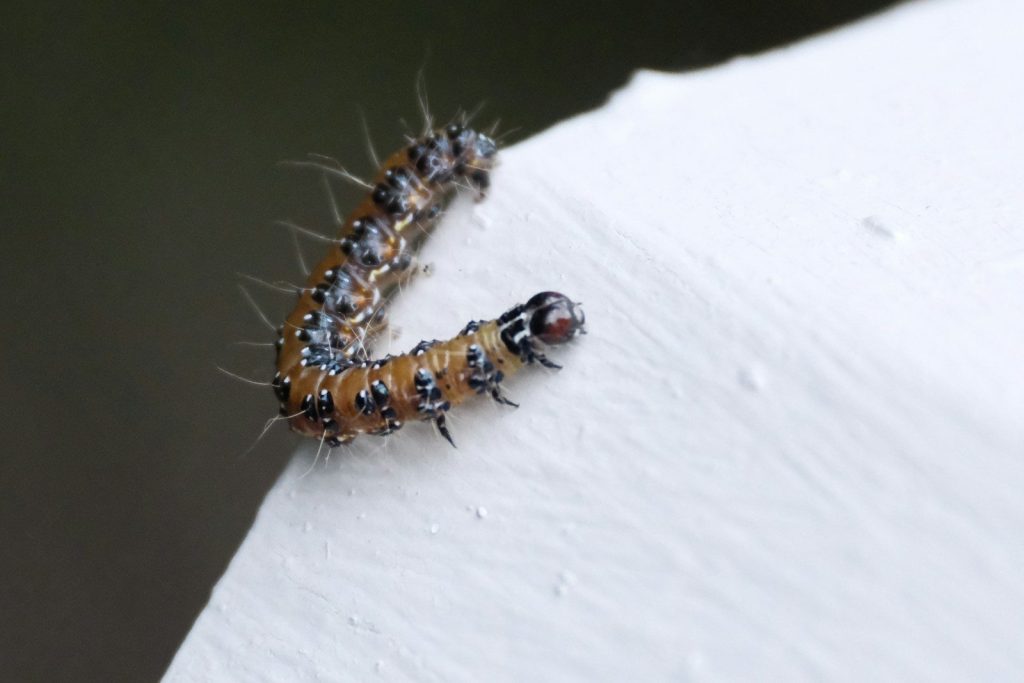
Belgica antarctica is a tiny, wingless midge found only in Antarctica. Its larvae must endure freezing, dehydration, and long periods when conditions are unsuitable for growth, making it one of the continent’s most specialized terrestrial animals.
Recent research found that later-stage larvae enter an obligatory diapause and can survive winter using cold-tolerance strategies that include freezing. Their roughly two-year life cycle is synchronized with Antarctica’s brief summers, allowing development and reproduction during short windows when environmental conditions become favorable.
Kangaroo Rat
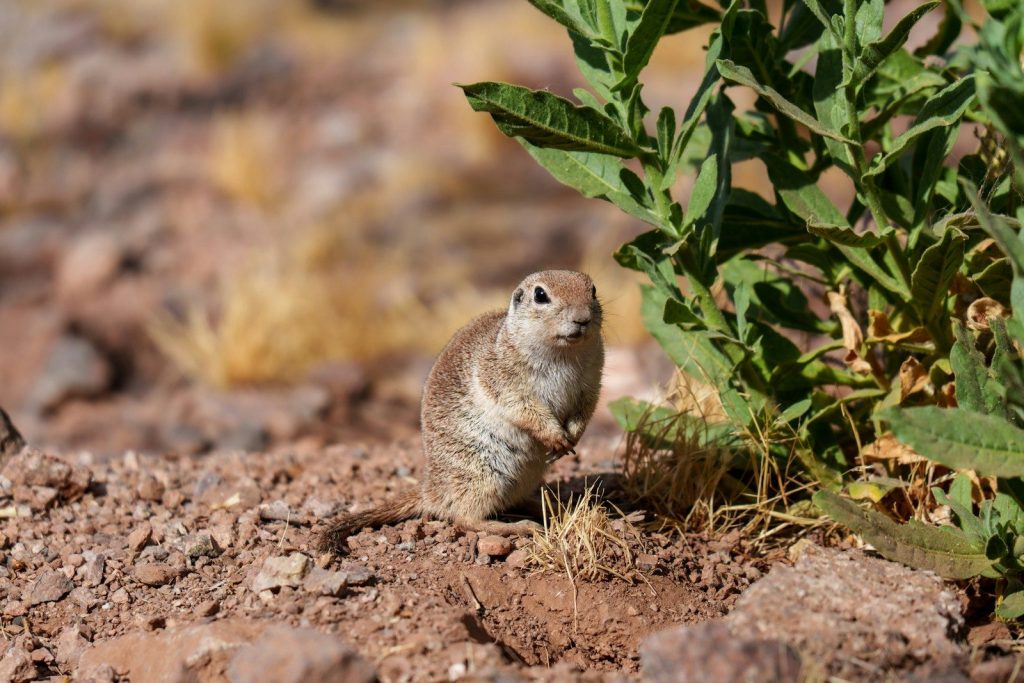
Kangaroo rats are built for landscapes where free water may be almost nonexistent. National Park Service sources explain that some can live their entire lives without drinking, obtaining the water they require from seeds and from water generated during metabolism.
They also conserve moisture by producing highly concentrated urine and dry feces, while specialized nasal passages reduce water lost during breathing. Staying underground during hot daytime hours further limits dehydration. These combined adaptations allow a small mammal to survive where drinking opportunities can remain scarce for very long periods.
Desert Tortoise

Desert tortoises survive intense heat mainly by avoiding it. They spend much of their lives inside underground shelters and emerge when temperatures and moisture conditions are favorable. This greatly reduces both overheating and unnecessary water loss.
Some desert tortoises can endure more than a year without drinking during prolonged drought. Their bladder also acts as an important water reservoir. This is one reason wildlife authorities warn people not to handle them casually: a frightened tortoise may empty its bladder and lose water that could be vital for survival.
Emperor Penguin

Emperor penguins breed during the Antarctic winter, facing darkness, powerful winds, and temperatures far below freezing. Their dense plumage, body fat, and social behavior allow them to survive conditions that would rapidly overwhelm an unprotected human.
Males incubating eggs huddle together to reduce heat loss while relying on stored body fat. The Australian Antarctic Program notes that males may fast for roughly four months by the time their chicks hatch. Survival therefore depends on both remarkable cold tolerance and energy stored before winter begins.
Pompeii Worm

The Pompeii worm lives beside hydrothermal vents on the deep Pacific seafloor, where steep temperature gradients occur over very short distances. Its tube-dwelling lifestyle places parts of the animal remarkably close to extremely hot vent water.
Research associated with NOAA-supported deep-sea expeditions recorded water near the worm’s rear at temperatures approaching 80°C while the exposed head occupied much cooler water. The animal does not simply sit uniformly at that temperature, making the gradient important when describing its extraordinary heat tolerance accurately.
Featured Image: Photo by Francesco Ungaro on Pexels