A viral wildlife title claiming that a man was surrounded by exactly 16 wolves sounds precise, but I could not independently verify that number from a reliable primary account. What can be verified is that people have repeatedly approached wolf packs too closely in places such as Yellowstone, where park rules require a minimum distance of 100 yards from wolves for both human and animal safety.
Wild wolves normally avoid people, and serious attacks are rare, but that does not make walking toward a pack responsible. Close encounters can encourage habituation, disrupt natural behavior, and place both visitors and wolves at risk. The better story is not whether a person survived standing among a particular number of wolves. It is what wildlife managers say should happen whenever distance between humans and a wolf pack becomes dangerously small.
Unverified Count
The exact claim that 16 wolves surrounded one man should not be repeated as fact without the original footage, location, date, and a reliable source confirming the count. Wolf packs can contain many individuals, but a video angle may hide animals, double-count movement, or lack context about who approached whom. Viral captions often become more dramatic as clips are reposted. A responsible article can still discuss the danger of getting too close to a pack while being clear that the precise number in this headline remains unverified.
Hundred-Yard Rule

Yellowstone National Park requires visitors to remain at least 100 yards, or 91 meters, from wolves. The rule exists even though wolves are not normally a major danger to people. Park managers also sometimes create larger viewing distances when packs gather near roads, dens, or carcasses. If a wolf moves closer, the person is expected to restore distance rather than use the encounter for a closer photograph. Keeping space protects visitors and reduces the chance that wolves become comfortable around crowds, vehicles, or human food.
Wolves Avoid People

Yellowstone describes wolves as skilled predators that are not normally dangerous to people, with very few documented confrontations in the park. Their usual response to humans is avoidance, especially when animals have not become habituated. That makes deliberate approach particularly unnecessary. A wolf standing its ground or watching a person is not an invitation to continue forward. Human safety improves when wolves retain their natural caution, and wolf conservation also benefits because animals that repeatedly approach people can become management problems through no deliberate fault of their own.
Pack Behavior

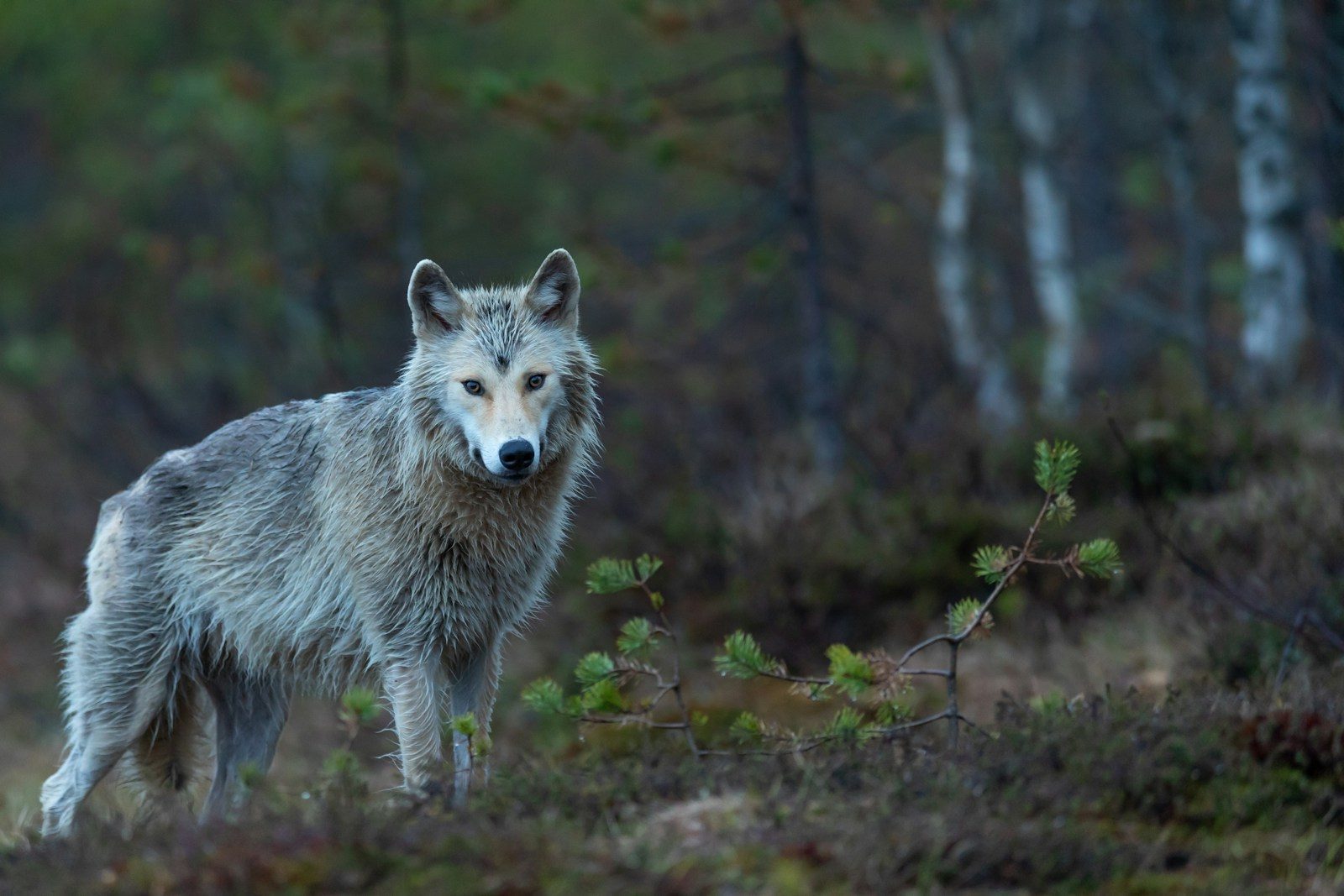
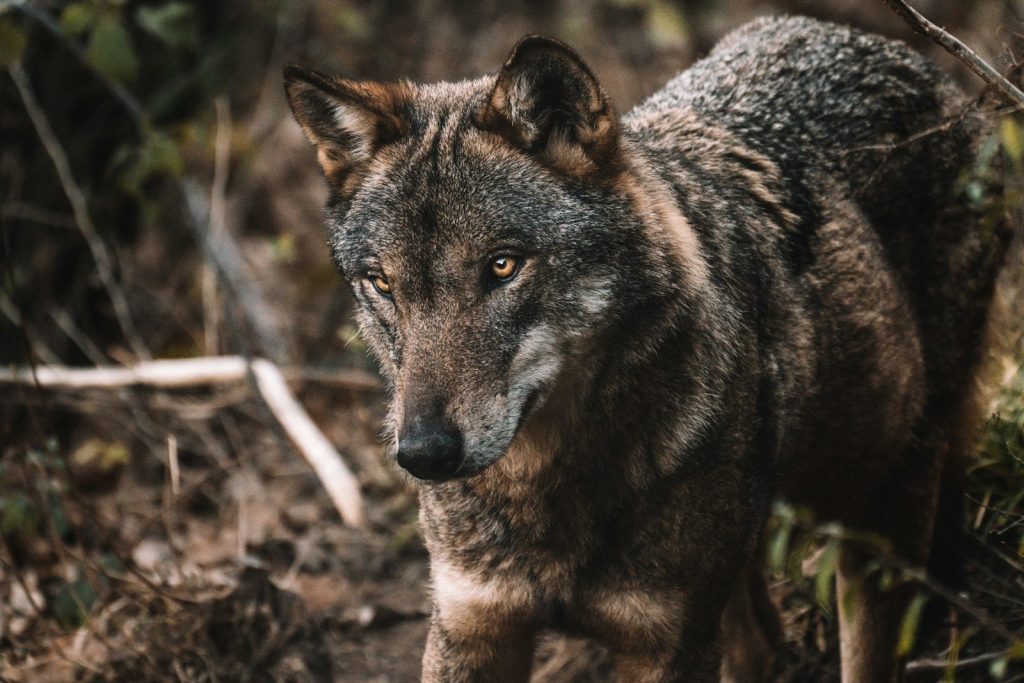
A wolf pack is usually a family-based social group whose members cooperate in raising young, defending territory, and hunting large prey. Seeing several wolves together therefore does not mean they have formed a hunting circle around a person. Context matters. The animals may be traveling, resting, returning to a carcass, interacting socially, or simply reacting to human presence. Interpreting every coordinated movement as an attack sequence exaggerates normal wolf behavior. The correct response remains distance because observers cannot reliably predict what an individual pack will do next.
Stand Your Ground
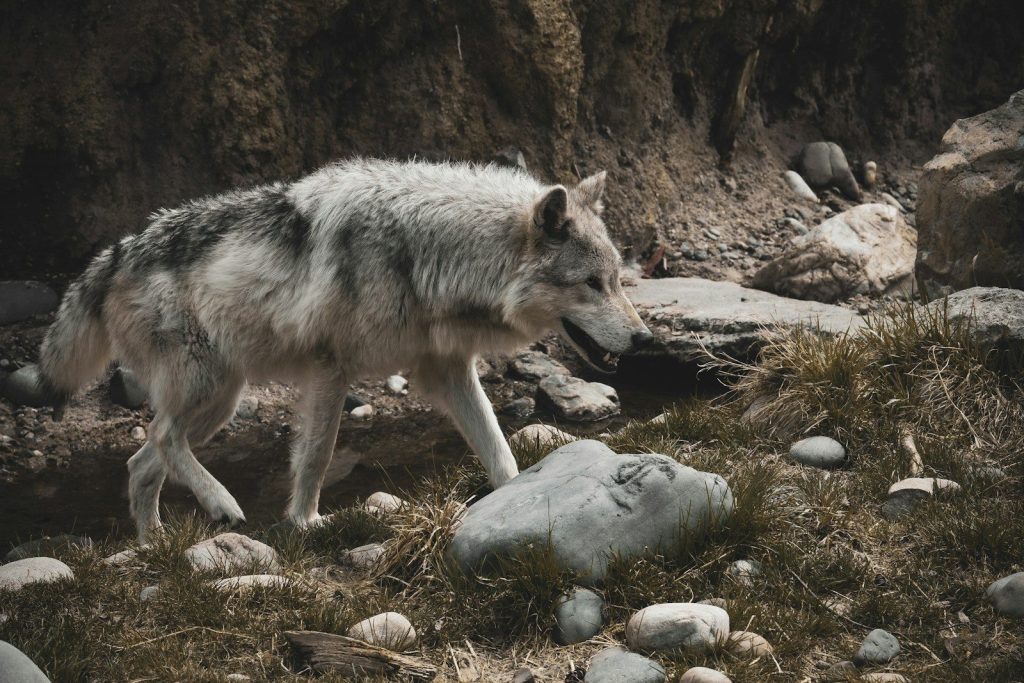
If a wolf is unexpectedly too close and is not showing normal fear of people, Yellowstone advises standing tall and holding your ground rather than running. If it approaches, the park recommends waving your arms, yelling, and making yourself conspicuous. If that fails, people can throw an object or use bear spray. Groups should stay together and report the encounter to a ranger. These instructions apply to an unwanted close encounter, not to someone intentionally approaching wolves to create dramatic footage or test how near they can get.
Habituation Risk

Wildlife managers work to prevent wolves from becoming habituated to humans because repeated close exposure can reduce their normal avoidance. Yellowstone’s wolf program has used distance rules and, in certain situations, aversive conditioning to keep wolves wary of people. Habituation does not automatically lead to attack, but it removes a useful behavioral barrier between large predators and crowded visitor areas. A person who approaches a tolerant wolf for a memorable video may therefore contribute to a longer-term problem that affects the animal after the visitor has gone home.
Food Changes Behavior
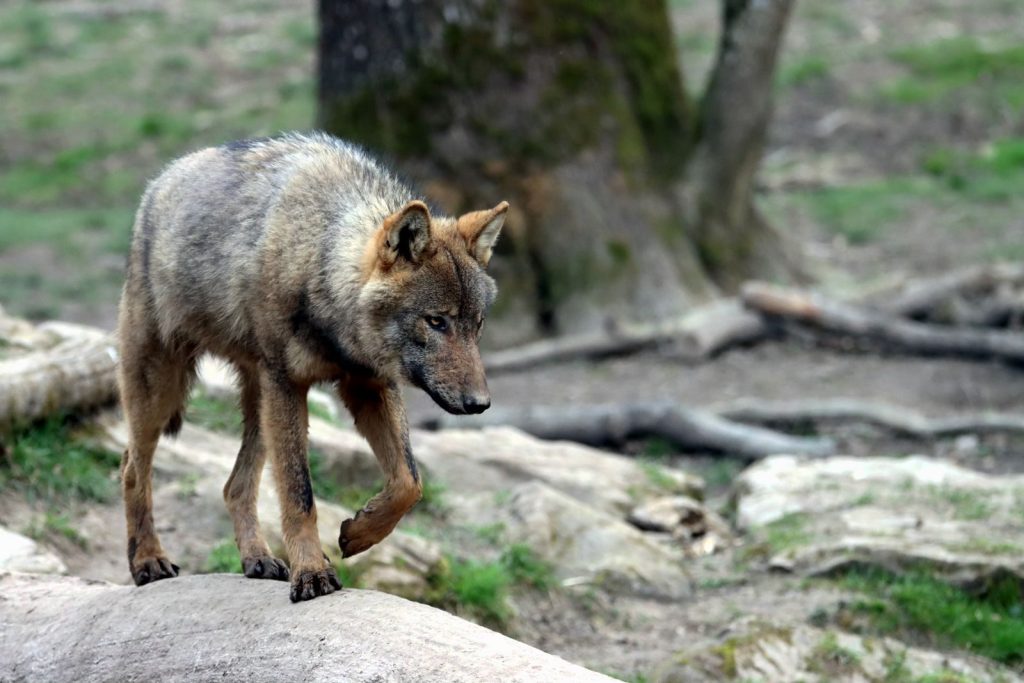
Human food can make habituation more dangerous by teaching wildlife that people are a source of reward. Yellowstone emphasizes keeping food and garbage unavailable to animals, and historical wolf-management work has linked dangerous familiarity with repeated human exposure. Feeding a wolf directly would be especially irresponsible, but even unsecured food around campsites or roads can change wildlife behavior. The safest wild wolf is one that continues treating human activity as something to avoid rather than something worth approaching, investigating, or waiting around to exploit.
Watch From Afar

Yellowstone is one of the world’s best-known places for observing wild wolves precisely because people can watch them without entering the pack’s space. Spotting scopes, binoculars, long camera lenses, and managed roadside viewing allow detailed observation from legally required distances. That creates a better encounter than being surrounded. Wild behavior remains more natural, people remain safer, and wolves are less likely to associate humans with disturbance or opportunity. A dramatic close approach may last seconds, while the consequences of habituation can follow the animals much longer.
Featured Image: Photo by Vincent van Zalinge on Unsplash