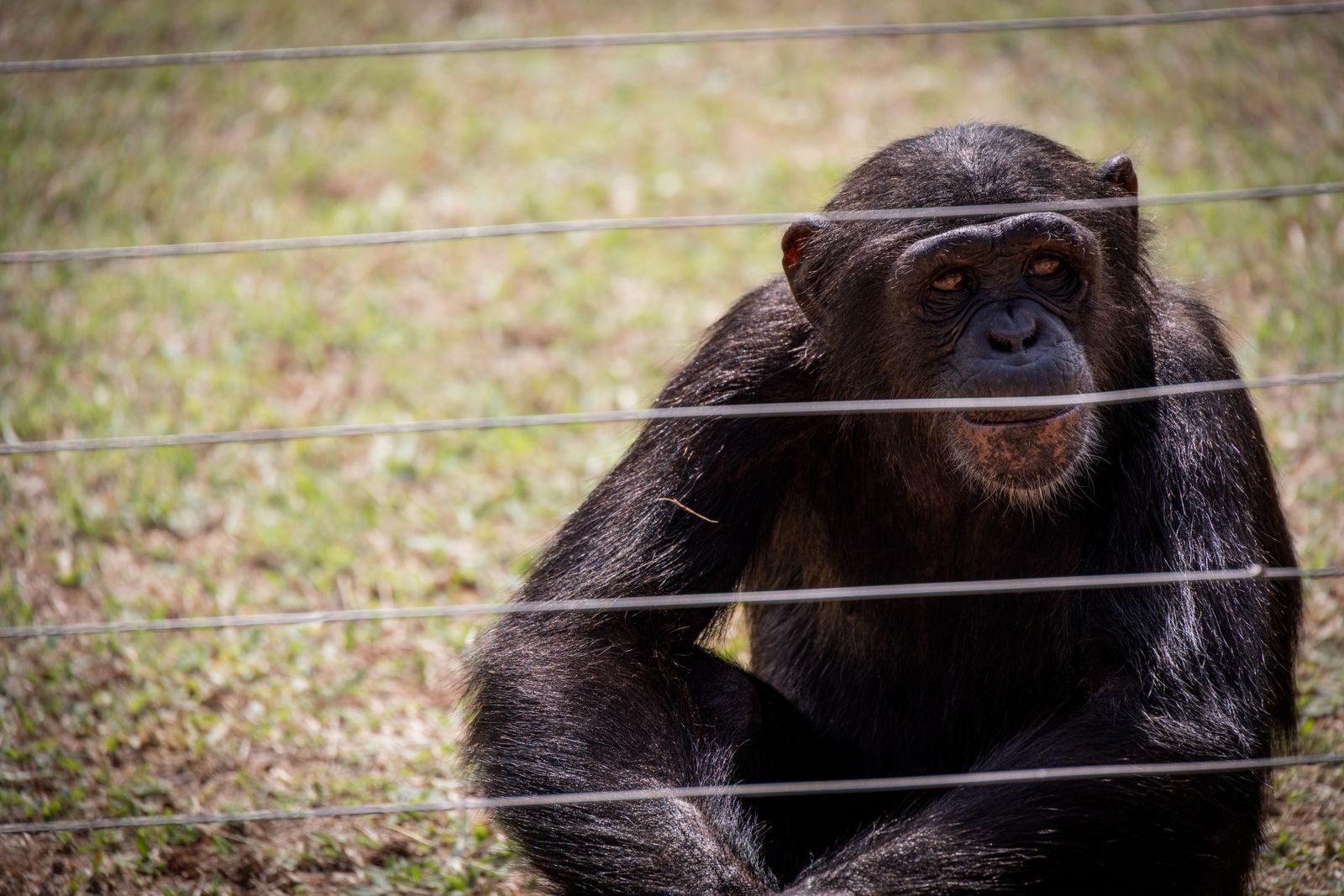
On February 16, 2009, a privately kept chimpanzee named Travis attacked Charla Nash outside the Stamford, Connecticut, home of his owner and Nash’s friend, Sandra Herold. Travis weighed close to 200 pounds. Nash survived, but the injuries were catastrophic. Police eventually shot the chimpanzee after he approached an officer responding to the emergency. The case became a defining warning about keeping great apes as household pets.
The story is sometimes compressed into the claim that a friendly pet “suddenly snapped,” but that framing leaves out important context. Chimpanzees are immensely strong, socially complex wild animals capable of serious aggression, and Travis had already displayed troubling behavior before 2009. The attack should not be explained through invented motives or one speculative trigger. Its clearest lesson is that lifelong familiarity does not turn a powerful wild primate into a domesticated animal.
Travis

Travis had been raised by humans from infancy and became well known locally because he lived unusually close to ordinary household life. His owner treated him as a companion, and he had appeared in commercial entertainment. That familiarity could make him seem less like wildlife, but biological development did not disappear. An adult male chimpanzee is vastly stronger and more physically capable than an infant. Human rearing can change experience and behavior, yet it does not produce the generations of genetic selection that distinguish a domesticated species from a wild one.
February Attack

On February 16, 2009, Herold called Nash to the property after Travis became difficult to control. The chimpanzee then attacked Nash, causing devastating injuries to her face and hands. Contemporary reporting described an extended assault rather than a harmless interaction that changed for only an instant. It is important not to invent exactly what triggered Travis because several explanations circulated afterward and motive cannot be recovered with certainty. What is beyond dispute is that a powerful adult chimp inflicted life-altering trauma within minutes.
Emergency Response

Herold called 911 while attempting unsuccessfully to stop the attack. When Stamford police arrived, Travis eventually approached a police vehicle and was shot by an officer. The chimpanzee later died from his wounds. The emergency illustrates one of the most difficult realities of keeping dangerous exotic animals in residential settings: once control is lost, ordinary family members, neighbors, paramedics, and police can all become involved in a crisis they were never supposed to face. Containment failures can therefore endanger far more than the owner alone.
Charla Nash

Nash survived injuries that included the loss of both hands, severe damage to her face, and blindness. Her recovery required years of medical treatment and assistance. The details are disturbing, but they matter because they show the difference between a pet bite and an attack by an adult great ape. Describing chimpanzees as cute, humanlike companions can obscure their physical capabilities. Nash later became a public voice in discussions about the dangers of privately keeping chimpanzees and other powerful exotic animals in domestic settings.
Face Transplant
In 2011, Nash underwent an extensive face transplant at Brigham and Women’s Hospital in Boston, becoming one of the best-known recipients of the emerging procedure. Later updates have described the transplant as transformative for her quality of life, although she continues living with major effects of the attack. Her medical story became intertwined with advances in reconstructive transplantation and long-term rehabilitation. The survival and recovery story should never obscure what caused those injuries: a preventable close-contact relationship between people and an adult wild great ape.
Earlier Warnings
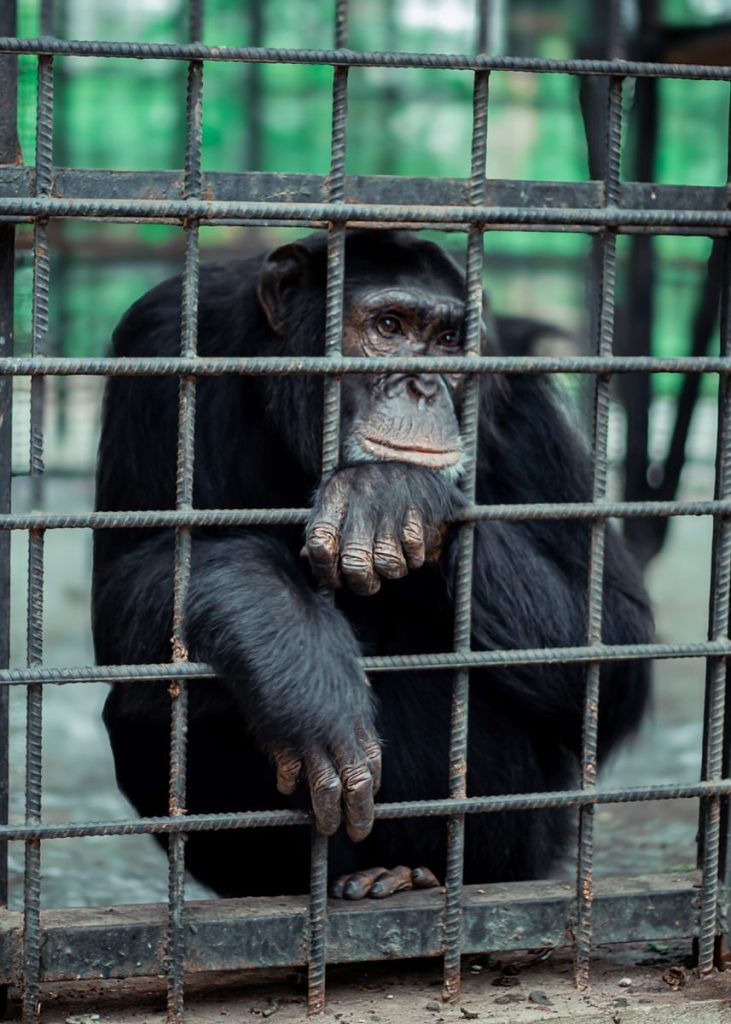
The 2009 attack was not the first sign that keeping Travis created risks. Earlier reporting documented a 2003 incident in which he escaped and disrupted traffic, and a state wildlife biologist reportedly warned in 2008 that the chimpanzee’s size and strength made him capable of seriously injuring someone. Those facts challenge the simplistic idea that nobody could have imagined a dangerous outcome. A wild animal may behave predictably for years and still become far harder to manage as it matures physically and socially.
Chimpanzee Behavior
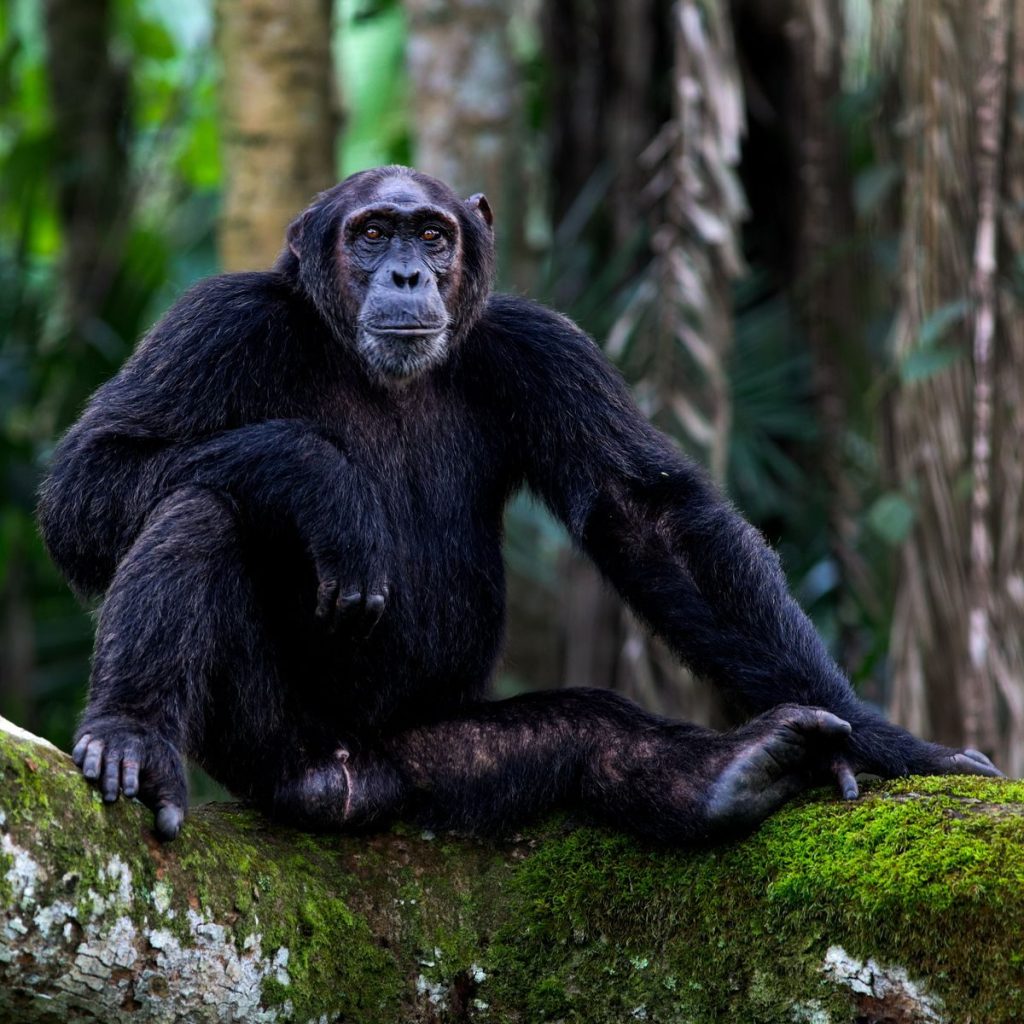
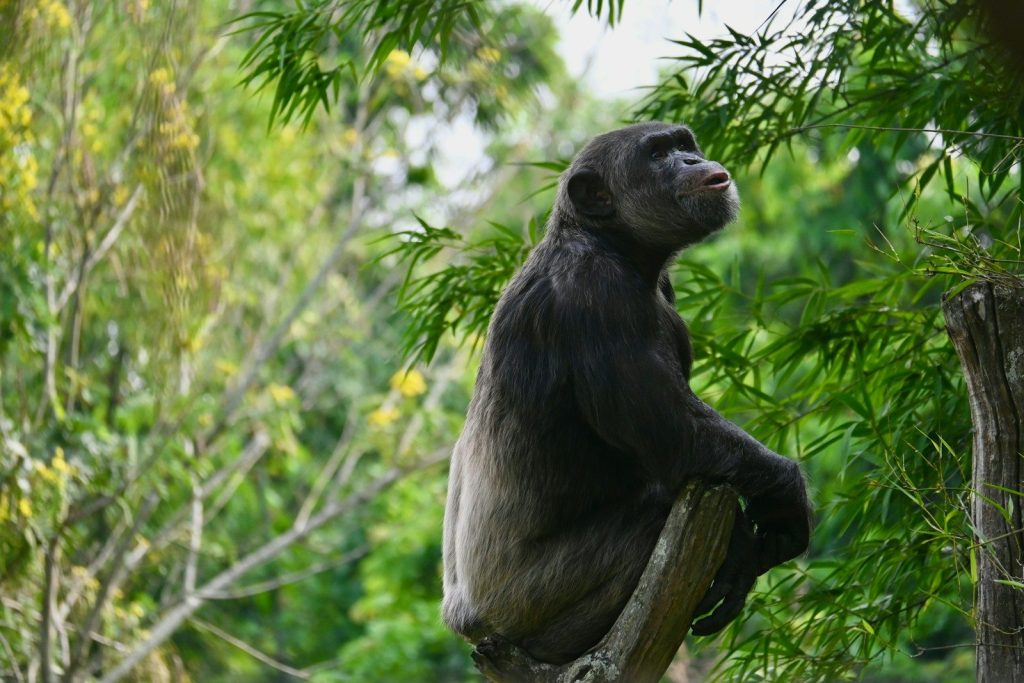
Wild chimpanzees live in complicated societies where cooperation, alliance formation, competition, territorial aggression, and occasional severe violence are all documented. That does not mean chimpanzees are constantly aggressive, nor does it make wild populations uniquely malicious. It means aggression is part of the natural behavioral repertoire of an immensely strong social primate. Captive circumstances can also create behavioral challenges very different from life in a natural community. Human affection cannot guarantee that an adult chimpanzee will respond like a domesticated dog when frightened, frustrated, aroused, or challenged.
Exotic Pet Risk
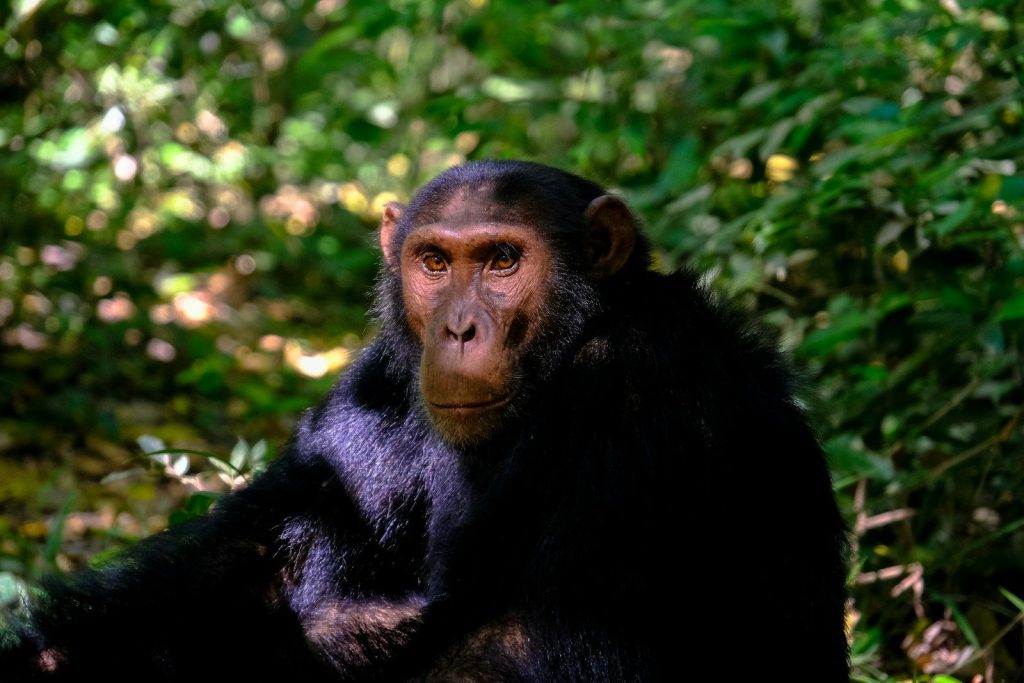
In 2015, the U.S. Fish and Wildlife Service extended endangered status under the Endangered Species Act to all chimpanzees, including captive individuals, strengthening federal protections and permitting requirements for covered activities. The Travis case remains a powerful illustration of the welfare and safety issues surrounding private great-ape ownership. Chimpanzees require complex social, physical, veterinary, and environmental care that a household cannot replicate easily. Admiring their intelligence should lead to better protection and appropriate professional care, not to treating them as unusually strong human children.
Featured Image: Photo by Magda Ehlers on Pexels