In 2011, South African farmer Marius Els was killed by Humphrey, a hippopotamus he had raised and treated as a pet. Contemporary reporting says the animal bit Els to death and his body was found submerged in the river running through his farm. Reliable accounts do not support the more sensational claim that Humphrey began eating him while bystanders simply watched.
The documented story is disturbing enough without adding unverified details. Els had publicly described the hippo as being like a son, yet people around him had already expressed concerns about the animal’s behavior. Humphrey had chased people, escaped his enclosure, and reportedly killed livestock before the fatal incident. The case remains a stark example of why familiarity cannot domesticate a powerful wild animal.
Marius Els
Marius Els was a South African army major and farmer who kept several large animals on his property in Free State province. Humphrey became the most famous because Els treated the hippo as a close companion and allowed unusual physical contact. Photographs showed him riding on the animal’s back in the water. Els publicly argued that he had a genuine relationship with Humphrey. That confidence became central to later coverage because it contrasted so sharply with repeated warnings that a hippopotamus remains a wild animal regardless of human attachment.
Young Humphrey
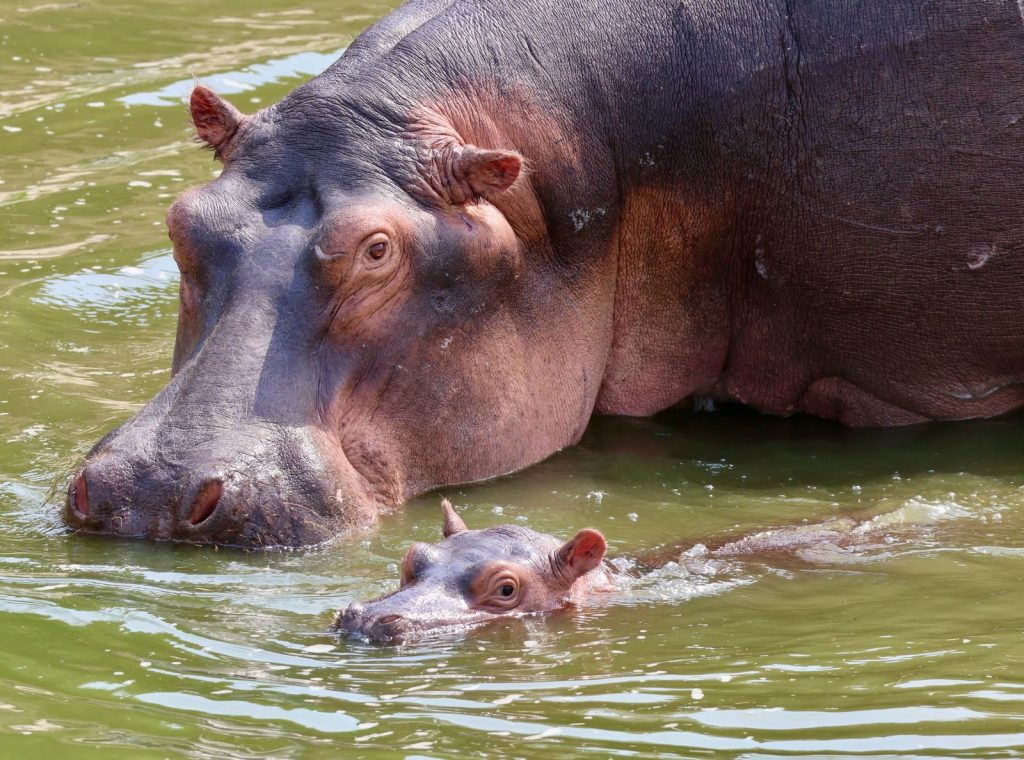
Humphrey had been rescued from a flood as a young hippo and was later bought by Els when the animal was about five months old, according to contemporary reporting. Growing up around people did not make the hippo domesticated. Domestication is a population-level evolutionary process involving selection across generations, not simply the taming or hand-rearing of one individual. As Humphrey matured into an enormous adult, the physical consequences of any defensive, territorial, or aggressive behavior became far greater than they had been when he was a calf.
Human Bond

Els repeatedly described Humphrey in human family terms and said he trusted the animal. That emotional bond was real from the human side, but it did not remove species-typical hippo behavior. Common hippos are massive semiaquatic mammals, and dominant males can be strongly territorial in water. San Diego Zoo notes that conflicts between hippos can be violent enough to injure or kill other hippos. A person living closely with an adult male therefore faced risks that affection and familiarity could not reliably predict or control.
Earlier Incidents
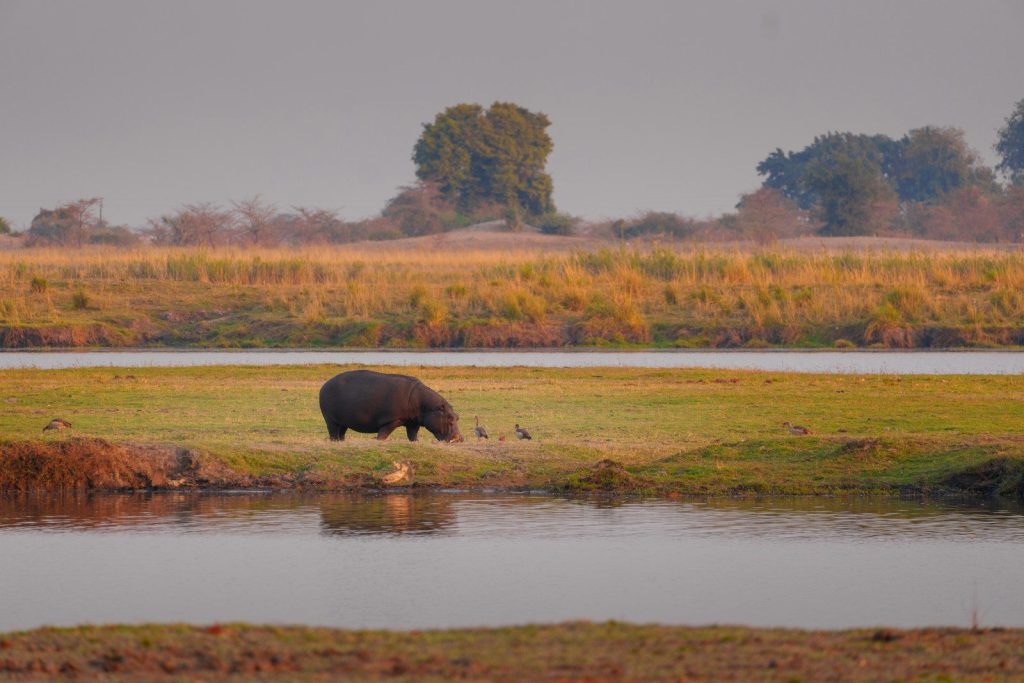
Humphrey had already been involved in dangerous incidents before Els died. The Guardian reported that a man and his young grandson once spent hours in a tree after the hippo chased them while they were canoeing. Humphrey was also blamed for killing calves, breaking out of his enclosure, and chasing golfers. These episodes matter because they show that the fatal attack did not emerge from a completely spotless behavioral history. People close to Els had reasons to worry long before the final incident occurred.
Warning Signs

Els’s wife reportedly expressed concern about the hippo, and the animal’s earlier behavior had already drawn warnings. The later tragedy therefore illustrates a common problem in exotic-animal ownership: repeated familiarity can encourage a person to discount warning signs because previous close encounters ended safely. A wild animal does not need to become permanently hostile for risk to increase. One defensive or territorial episode from an animal weighing well over a tonne can cause catastrophic injury before a familiar handler has time to react.
Fatal Attack
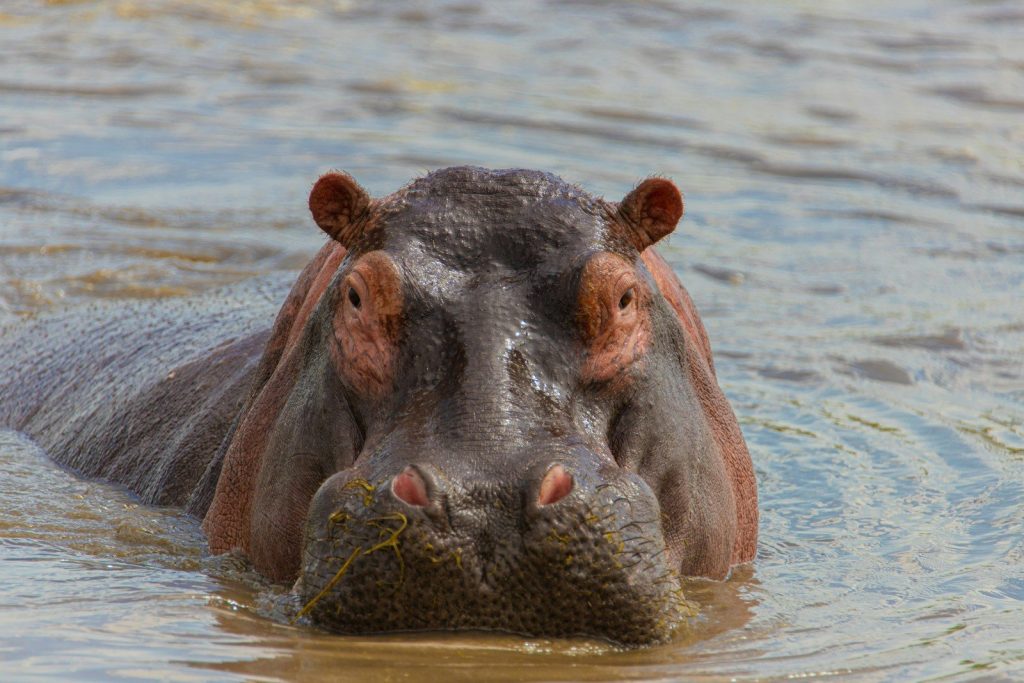
In November 2011, Els was found dead in the river running through his farm. Contemporary reports said Humphrey had bitten him to death and left his body submerged. The available credible accounts do not establish that the hippo ate him, nor do they document a crowd simply standing by during the attack. Those additions should therefore be removed from the headline. The verified facts already show a fatal encounter between a farmer and a massive wild animal he had tried to keep as a trusted companion.
Hippo Behavior

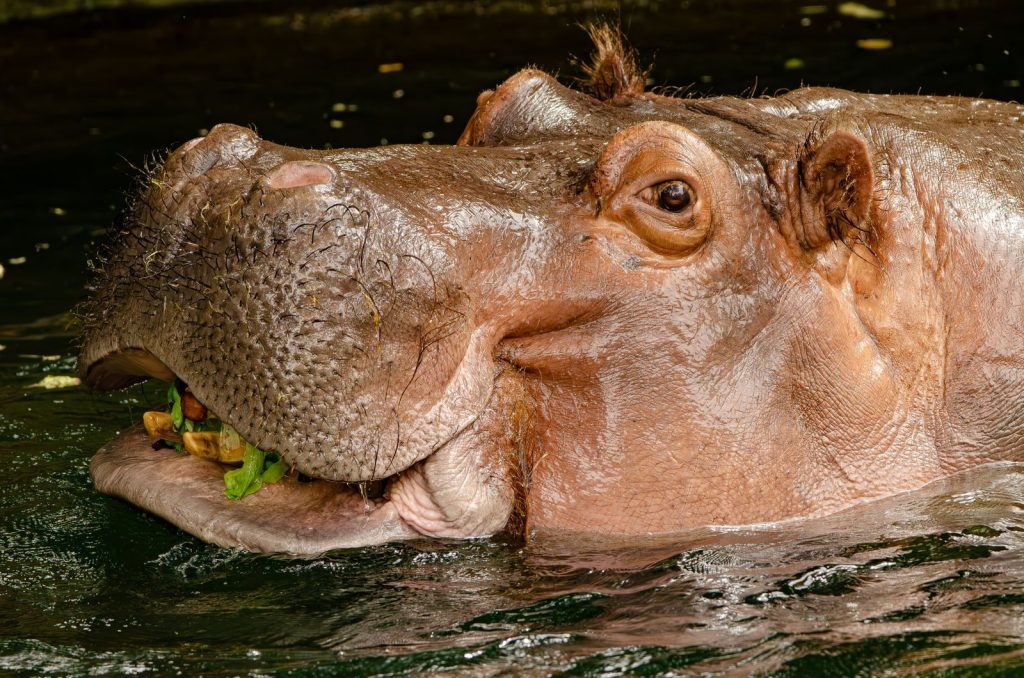
Hippos spend much of the day in water, where adult males can defend territories and social conflicts can become intense. They are herbivores, so attacks on people should not automatically be described as predatory feeding. Their danger comes from size, powerful jaws, large canine teeth, and defensive or territorial behavior. That distinction is important in the Els case because “eating its owner” implies a feeding motive that reliable reports do not support. A fatal bite is not the same thing as documented predation.
Wild Animal Lesson
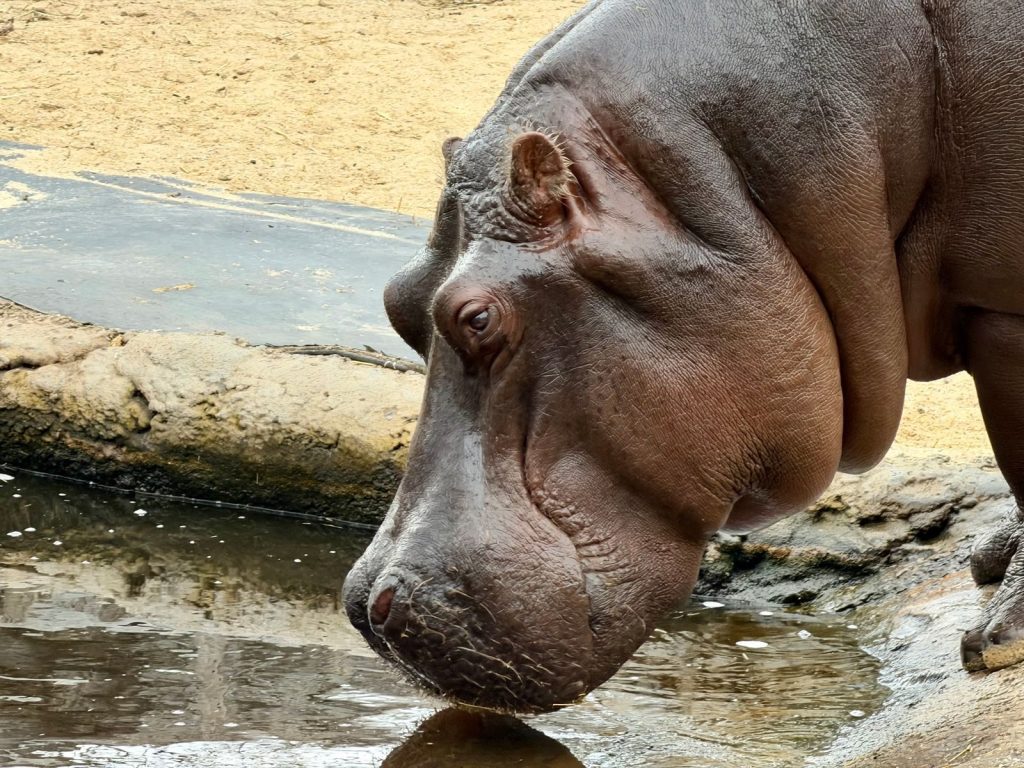
Humphrey’s story is not evidence that every hand-raised wild animal will eventually attack a person. It is evidence that tameness should never be confused with domestication or guaranteed safety. Adult hippos possess the same anatomy and behavioral capacities whether they grew up near people or far from them. Responsible wildlife care requires barriers, trained professionals, appropriate facilities, and respect for species-specific behavior. Turning a powerful wild mammal into a household-style companion can expose owners, visitors, neighbors, responders, and the animal itself to preventable risk.
Featured Image: Photo by Hannah Burns on Unsplash