A June 2026 ABC News video from Ohio shows children interacting with a young wild buck that reportedly visits the family regularly. The deer appears to run back and forth with the children, which makes the scene look remarkably like a game of chase. Still, “play” describes the visible pattern better than it proves the animal understands the interaction in the same way a child does.
The video is charming, but close familiarity with wild deer also raises a safety issue. Repeated exposure to people can reduce an animal’s normal avoidance, especially if food is involved. A young buck that seems gentle today will continue growing, develop seasonal reproductive behavior, and remain capable of kicking or striking with antlers. Enjoying the encounter responsibly means separating what looks friendly from what is reliably safe.
Ohio Buck

ABC News published the video on June 28, 2026, describing an Ohio family that had developed a special relationship with a wild buck that came around regularly. The footage shows children moving back and forth while the deer follows and changes direction nearby. That repeated interaction is the observable part of the story. The report does not establish what the deer understood about the game or whether food had influenced its visits, so stronger claims about friendship, attachment, or deliberate play should remain cautious.
Chase Behavior
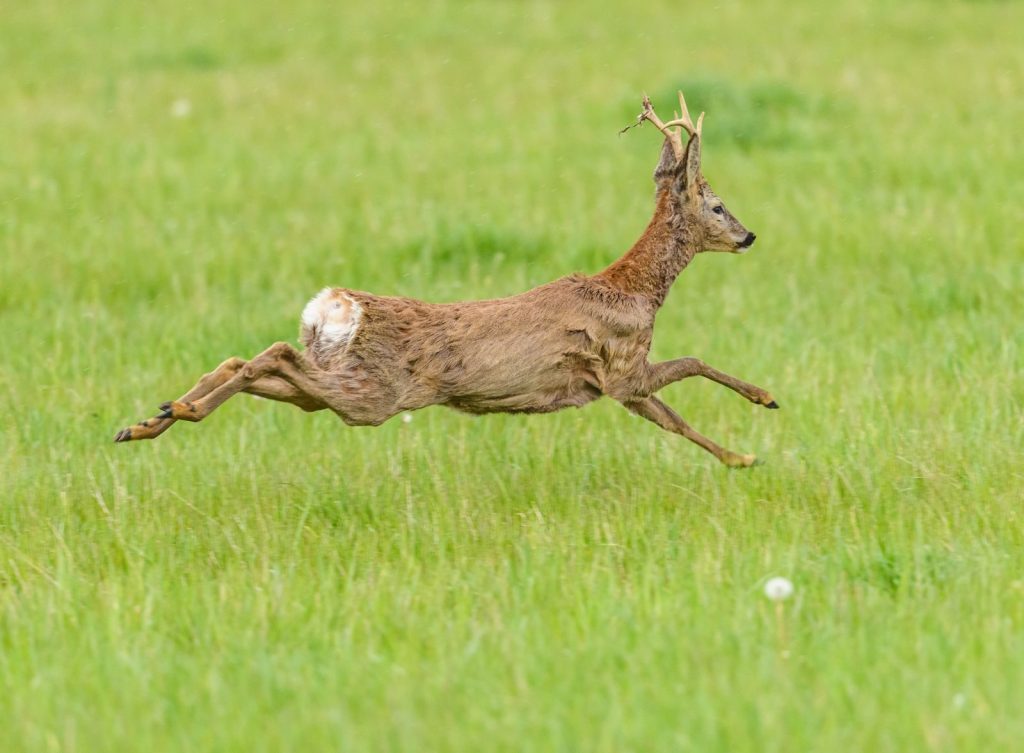
The buck’s movements resemble chase play because it follows the children, stops, turns, and runs again rather than simply passing through the area. Mammals can engage in play, but identifying play from a short viral clip requires context such as repeated voluntary participation, relaxed body language, and absence of obvious feeding or defensive motives. The safest wording is that the deer appears to participate in a chase-like interaction. That keeps the scene appealing without claiming access to the animal’s exact thoughts or intentions.
Daily Visits

ABC News said the buck regularly visited the family, suggesting repeated exposure rather than a single accidental meeting. Regular contact can make wild animals more tolerant of people. That tolerance may look like tameness, but it is not domestication. A deer that stops retreating from familiar humans still has the instincts, strength, and seasonal behavior of a wild ungulate. Repeated visits can therefore create an unusual relationship while also reducing the natural distance that normally protects both the animal and the people around it.
Habituation
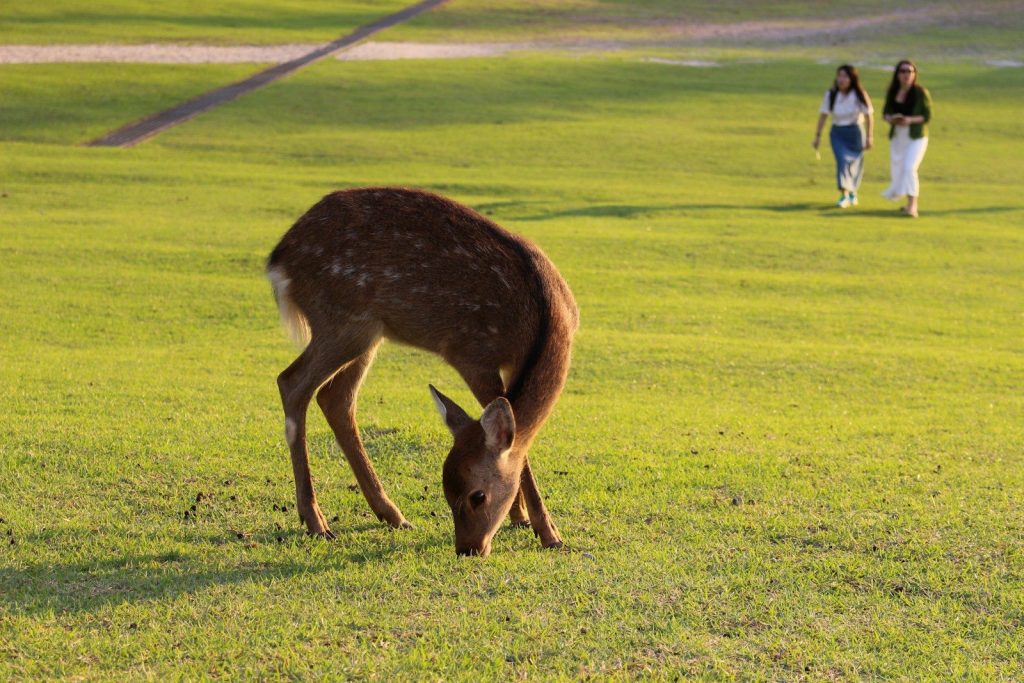
Wildlife agencies use the term habituation for animals that become less responsive to repeated human presence. The National Park Service notes that wildlife can learn to tolerate people when the perceived risk is low, especially when food or another reward is available. Habituation is not automatically aggression, but it can increase conflict because animals begin approaching spaces where people expect distance. A deer that seems unusually comfortable around one family may also approach neighbors, pets, roads, or visitors who do not understand its behavior or history.
Growing Antlers

A young buck changes physically and behaviorally as it matures. Male white-tailed deer grow antlers seasonally, and breeding behavior becomes more intense during the rut. That does not mean a familiar buck will inevitably attack someone, but increasing size and antler development raise the potential consequences of close contact. A movement that seems harmless when the animal is young can become much riskier later. Wildlife viewing guidance therefore focuses on maintaining distance rather than deciding that a particular individual has earned permanent trust from people.
Feeding Risks
The available ABC report does not say whether the Ohio family fed the buck, so it would be wrong to assume they did. More broadly, wildlife agencies warn that feeding can encourage deer to associate people with food and can alter normal behavior. Supplemental feeding can also concentrate animals and increase disease or nutritional problems. The U.S. Fish and Wildlife Service advises against feeding wildlife because animals that become accustomed to human food can lose caution and create safety problems for themselves and nearby people.
Safe Distance

National Park Service wildlife guidance recommends keeping distance from wild animals even when they appear calm. Exact rules differ by place and species, but the principle is consistent: do not approach closely enough to alter normal behavior. Deer can kick, strike, or suddenly change direction, and children have less ability than adults to respond quickly. A telephoto lens or distant observation provides the interesting behavior without requiring physical interaction. Familiarity may reduce fear, but it does not remove the animal’s capacity to react defensively.
Keep Wildlife Wild

The Ohio video works best as an unusual observation, not a model for people to recreate with neighborhood deer. A wild buck choosing to remain near children can produce an unforgettable moment, yet encouraging repeated close contact may change the animal’s future behavior. The responsible takeaway is to appreciate the chase-like interaction while keeping future encounters more distant. Wild animals benefit when they can move, feed, and respond to people without being trained to treat human homes, children, or handouts as normal parts of their habitat.
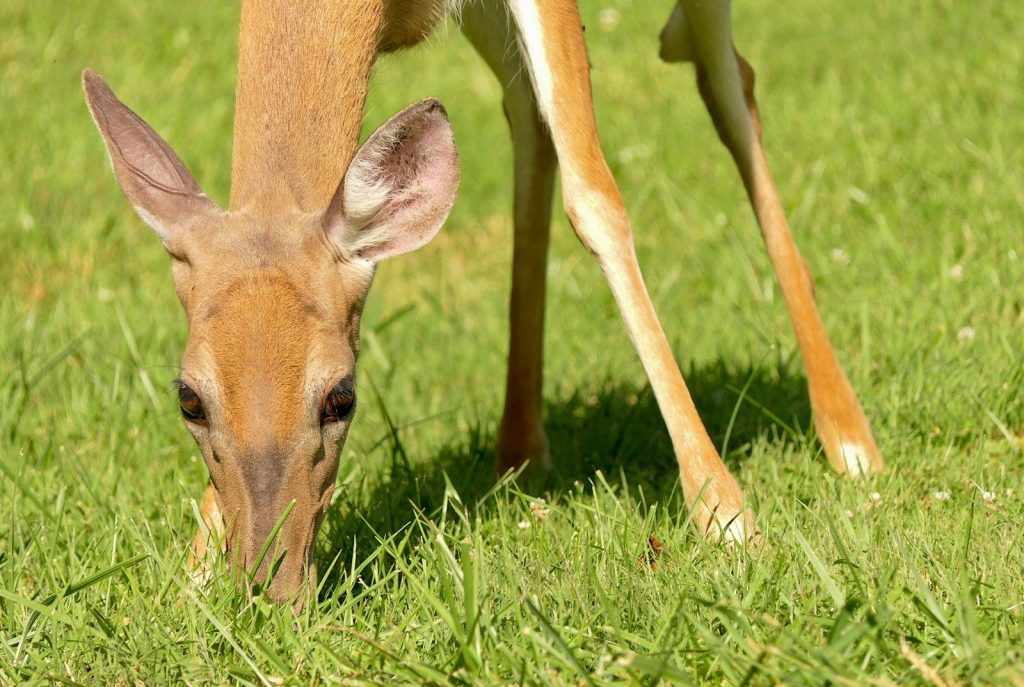
Featured Image: Photo by Sherry Baze on Pexels