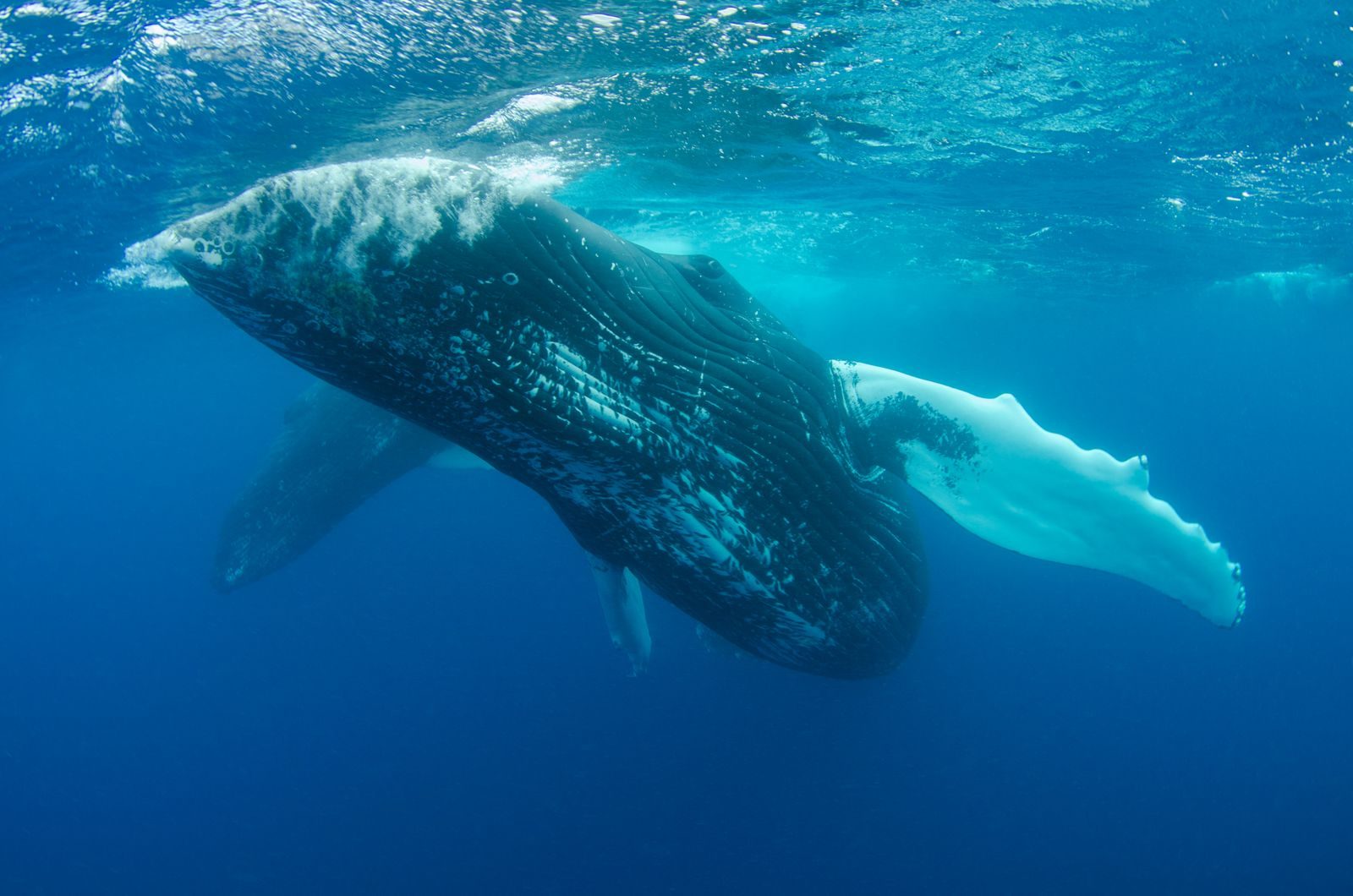
Along the coast of South Australia, scientists have documented an unusual sight: southern right whale mothers resting with their bellies facing the sky. The upside-down posture may look playful or accidental, but detailed observations suggest something more purposeful is happening during the exhausting first months of motherhood.
Researchers studying mothers and calves at the Head of Bight found that resting is an important part of the whales’ energy budget. Some mothers repeatedly adopted the inverted position, giving scientists a rare glimpse into how these enormous mammals may balance rest, fasting, and the energetic demands of nursing a growing calf.
Head of Bight

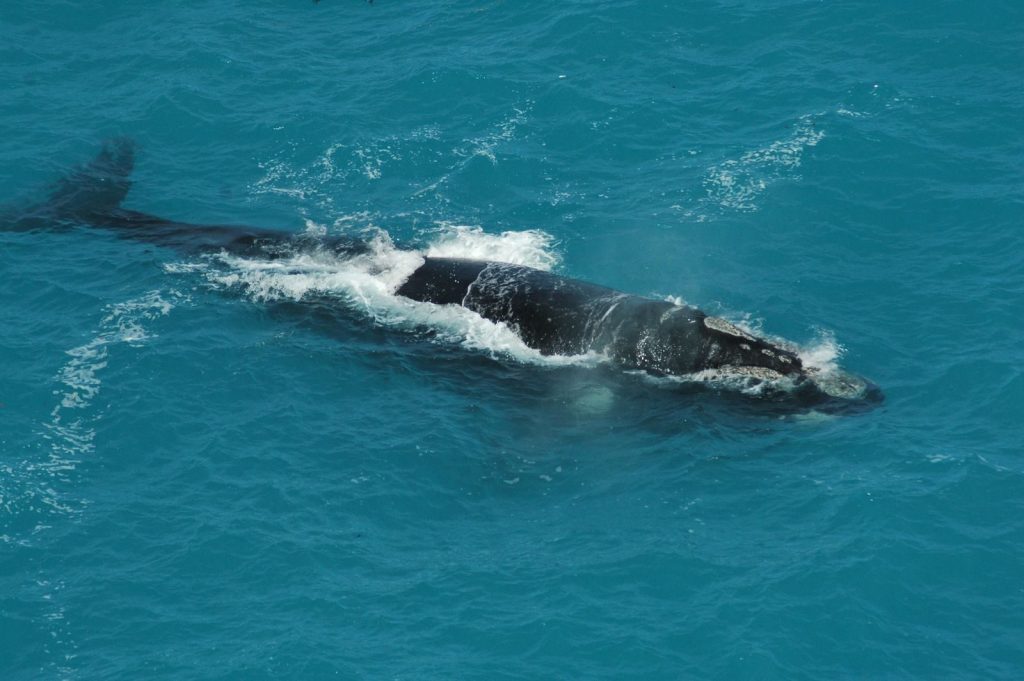
The behavior was recorded at the Head of Bight in South Australia, an important calving area for southern right whales. Researchers followed 59 mother-calf pairs between June and September 2021, collecting data during 342 focal observations. Rather than relying only on sightings from boats or shore, the team used aerial observations to examine how mothers and calves moved, rested, and interacted. The resulting study offered unusually detailed information about behavior during the early lactation period, when mothers face especially high energetic demands.
Upside-Down Mothers

About a quarter of the mothers observed frequently rested upside down, either at the surface or immediately beneath it. Their pale bellies faced toward the sky while their darker backs pointed deeper into the water. Researchers said this kind of regular inverted resting had not, to their knowledge, previously been documented in another large whale species. The position therefore became one of the study’s most intriguing findings and raised the question of why a nursing mother would repeatedly choose such an unusual orientation.
Nursing Access

The strongest clue involves feeding. Southern right whale calves nurse from mammary slits on the underside of their mothers. Researchers found that inverted resting was associated with reduced opportunities for calves to nurse. Turning the belly upward may therefore make it more difficult for a calf to reach the mammary area. The scientists proposed that mothers could be using the posture as one way of regulating nursing access, although continued research will be needed to understand exactly how deliberate or flexible the behavior is.
Mothers Need Rest

Mother whales in the study rested for about one-third of their observed time, considerably more than their calves. Rest is especially valuable because southern right whale mothers face the enormous energetic cost of producing milk while caring for a young calf. The study found that mothers tended to spend more time resting earlier in the season, particularly when they were in better body condition. Their changing behavior throughout the calving period showed how closely activity appears to track the demands placed on their stored energy.
Fasting Through Motherhood

Southern right whales are capital breeders, meaning females accumulate substantial energy reserves before reproduction and then depend heavily on those stored resources during the breeding season. On their calving grounds, mothers largely fast while simultaneously producing energy-rich milk for their calves. That makes conserving energy extremely important. Behaviors that reduce unnecessary movement or allow longer periods of rest can therefore have significant value. The upside-down position may fit into a broader collection of strategies mothers use while their energy reserves gradually decline.
Calves Rest Less

Calves behaved differently from their mothers. They rested for an average of roughly 13 percent of observation time, compared with about 33 percent for mothers. Calf resting commonly occurred while the mother was also resting, showing how closely the pair’s routines remain connected. At other times, calves need to nurse, swim, surface, and develop the skills required for life at sea. The difference helps explain why a mother’s need for extended rest can sometimes conflict with a calf’s persistent interest in feeding and activity.
Drones Reveal Behavior

Much of this detail became visible because researchers could observe the whales from above. Drone-based measurements and behavioral follows provide perspectives that are difficult to obtain from water level, including body orientation, distances between mothers and calves, and subtle changes in nursing behavior. Researchers were consequently able to connect the inverted posture with the possibility of reduced nursing access rather than simply describing it as an odd movement. Such methods are increasingly revealing behaviors that may previously have gone unnoticed in large marine mammals.
Changing Southern Seas
Understanding energy use is particularly important as southern right whales face environmental change. Australian research has linked changing ocean conditions and food availability with reproductive performance, including longer intervals between successful calving in some populations. A mother already depends heavily on stored energy while fasting and lactating, so scientists want to understand every strategy that helps her manage those reserves. The strange upside-down rest seen at the Head of Bight may therefore reveal something surprisingly important about the challenges of whale motherhood.
Featured Image: Photo by Ben Phillips on Pexels