Skip to content

Recent Posts

  • Baby Elephant Linh Mai Takes Her First Steps
  • Why a Kangaroo May Challenge a Human
  • How Electric Eels Shock and Control Their Prey
  • How Giraffes Escape Attacks From Lions
  • How Orcas Turn Great White Sharks Into Prey

Most Used Categories

  • Nature & Wildlife (720)
  • Risk (68)
  • Human Interest (51)
  • Hunting (24)
  • Exotic Animals (24)
  • Survival (23)
  • Bees/Swarms fear (21)
  • Suspense (18)
  • Adventure (3)
  • Gears (2)
Skip to content
  • About Us
  • Contact Us
  • Disclaimer
  • Privacy Policy
  • Terms & Conditions

Hive Hunters Tales

  • Suspense
  • Nature & Wildlife
  • Human Interest
  • Hunting
  • Bees/Swarms fear
  • Exotic Animals
  • Risk
  • Survival
  • Adventure
  • Gears
  • Home
  • Suspense
  • Why Lionesses Chase Hyenas Away From Kills
A stunning portrait of lionesses in their natural savannah habitat, showcasing wildlife beauty.

Why Lionesses Chase Hyenas Away From Kills

JakeAugust 9, 2026August 9, 2026

The precise origin and final outcome of the viral clip could not be independently verified. However, lionesses frequently chase hyenas during disputes over food, territory, water, or vulnerable young.

The animals are not enemies because of personal hatred. They are competing predators whose diets and ranges overlap, creating dangerous encounters whenever valuable resources are concentrated.

Both Species Hunt
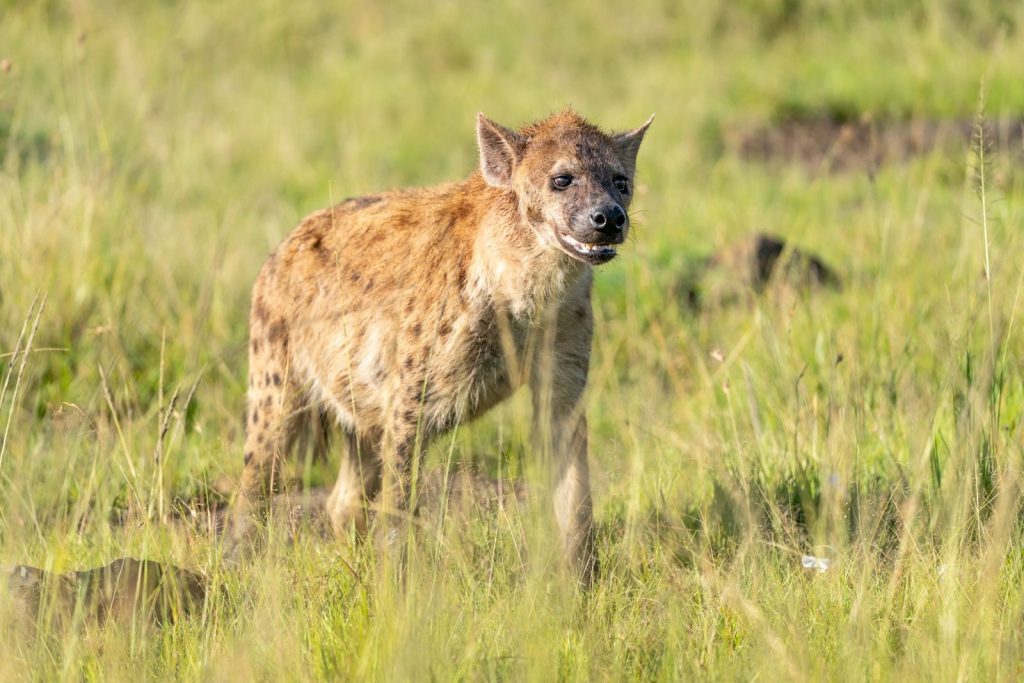
A spotted hyena stands alert in the lush Kenyan savannah under daylight.
Photo by Hugo Sykes on Pexels

Spotted hyenas are effective hunters rather than animals that survive only by stealing. Lions also take carcasses from hyenas when they have the strength or numbers to do so. The direction of theft depends on group size, sex, location, and which animals arrive first.

A Kill Draws Attention

Two African lions feed in a nature reserve, showcasing wildlife behavior in their natural habitat.
Photo by Derek Keats on Pexels

The smell and sound of feeding can attract competing carnivores. A lioness that has spent energy bringing down prey may chase approaching hyenas before they recruit more clan members. Losing the carcass could mean losing food needed by cubs or other pride members.

Two Lionesses Coordinate
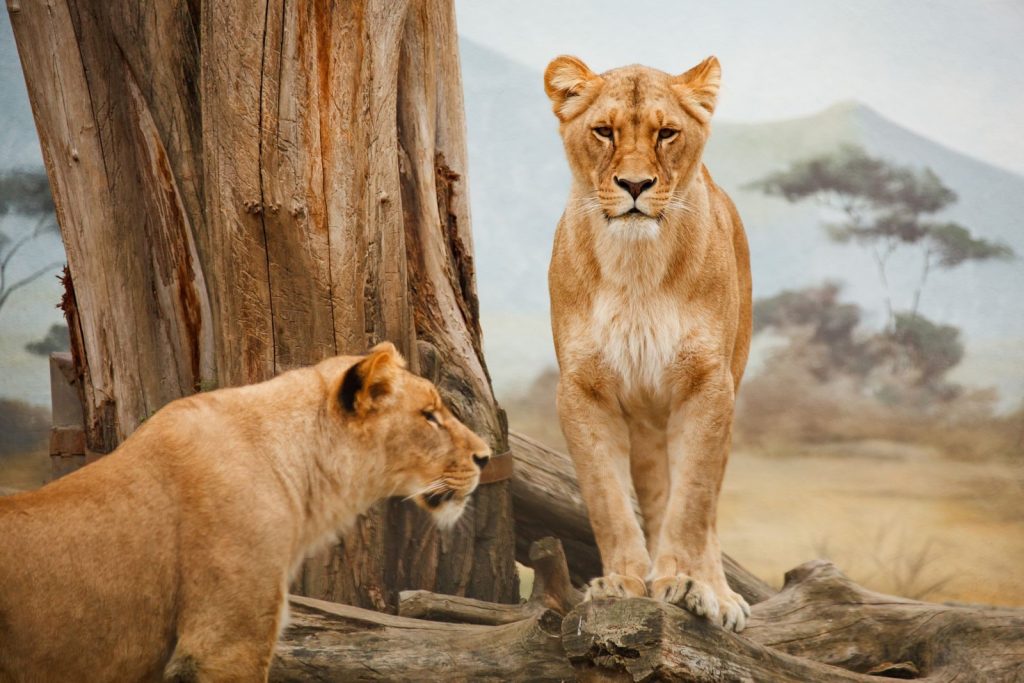
Two lionesses by a tree in their natural savannah habitat, showcasing wildlife beauty.
Photo by Public Domain Pictures on Pexels

Lionesses often hunt, feed, and defend resources together. Two adults can approach a hyena from different angles, reducing its escape options. Their objective may be to drive it away, injure it, or prevent it from calling additional clan members.

Hyenas Use Numbers
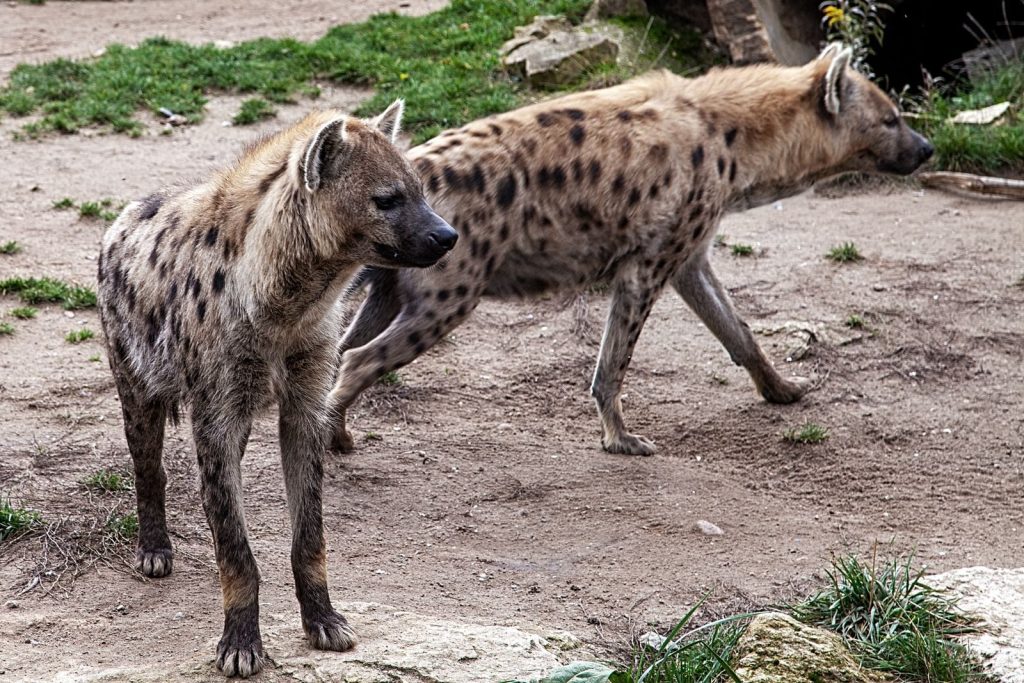
Two spotted hyenas walking outdoors in Leipzig Zoo, Germany.
Photo by Antonio Friedemann on Pexels

A single spotted hyena normally avoids several adult lions. A large clan can sometimes surround lionesses, harass them from multiple directions, and take over a carcass. The arrival of an adult male lion can quickly reverse that advantage because of his greater size and strength.

Lions Kill Hyenas
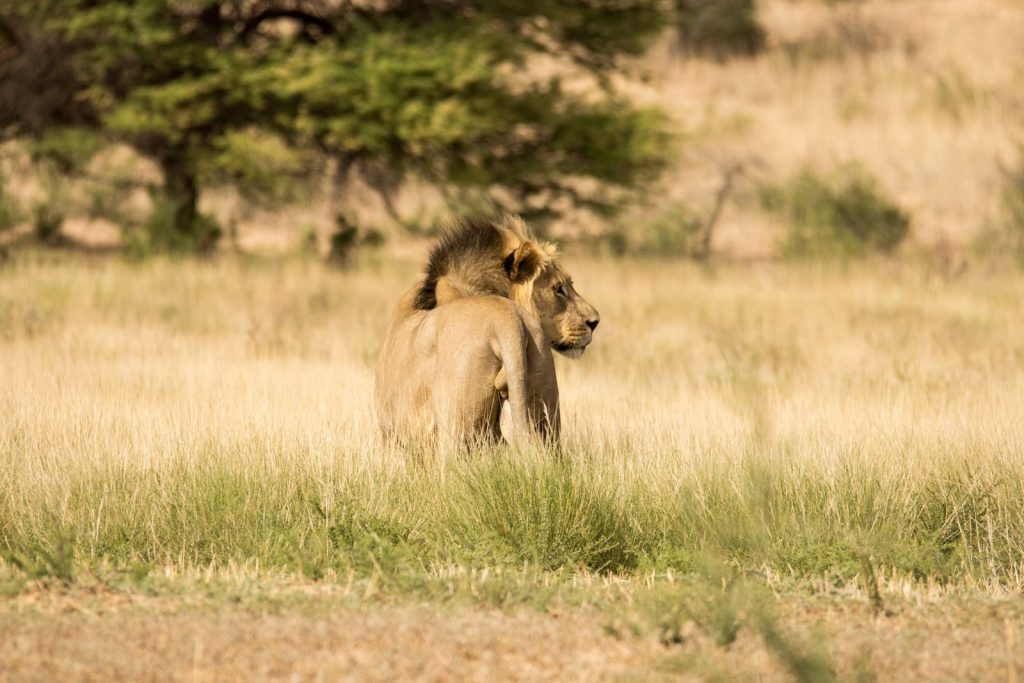
A powerful lion standing in the savanna, showcasing wildlife in its natural habitat.
Photo by Charmain Jansen van Rensburg on Pexels

Research in Namibia’s Etosha National Park found that lions caused 71 percent of recorded spotted-hyena deaths during one study. Lions may kill hyenas without eating them because removing a competitor reduces pressure on food, territory, and cub survival.

Hyenas Defend Their Clan
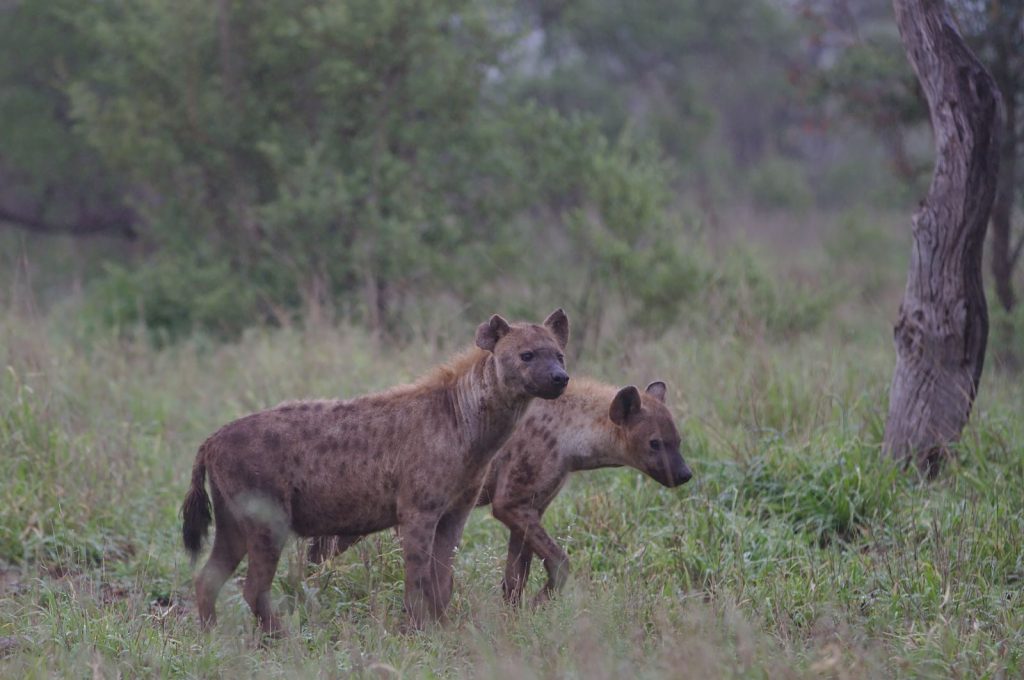
Two spotted hyenas (Crocuta crocuta) roam the grasslands of Kruger National Park, South Africa.
Photo by Derek Keats on Pexels

Hyenas may return to help a clan member or protect a communal den. Large groups form especially when valuable food or neighbouring clans are involved. Cooperation gives each animal more protection, although no individual is safe from a lion’s paws and jaws.

Cubs Increase the Stakes
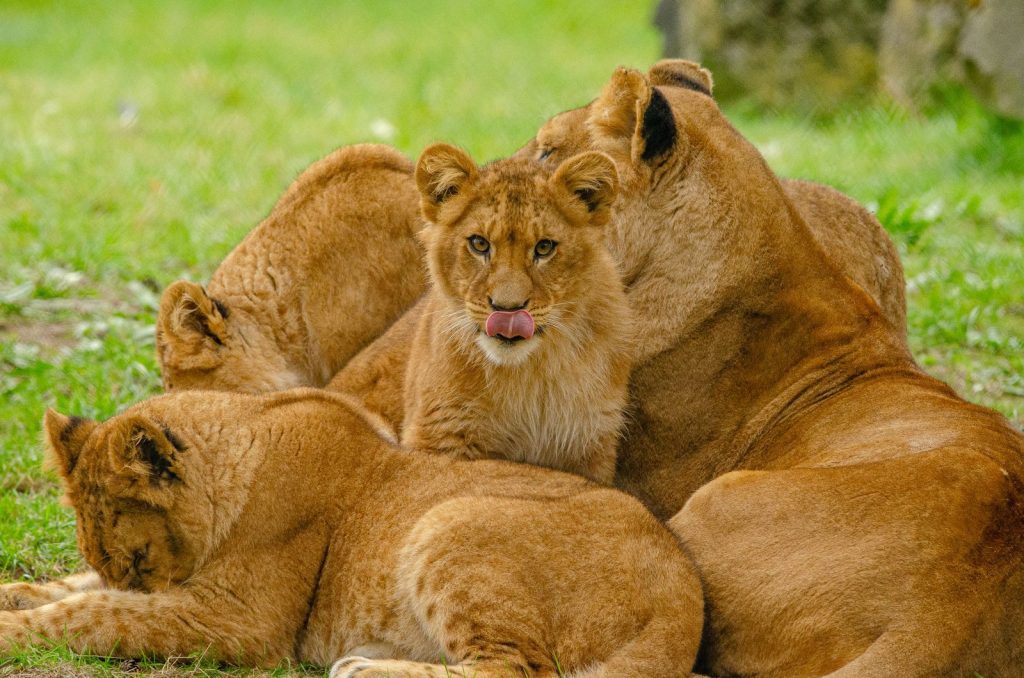
A lion family lounging together on grassy terrain, showcasing wildlife harmony.
Photo by Leon Aschemann on Pexels

Both species become more defensive near young. Lionesses may chase hyenas that approach cubs, while hyena mothers select dens partly according to lion activity. Studies identify lions as an important source of hyena-cub mortality.

The Chase Has No Villain
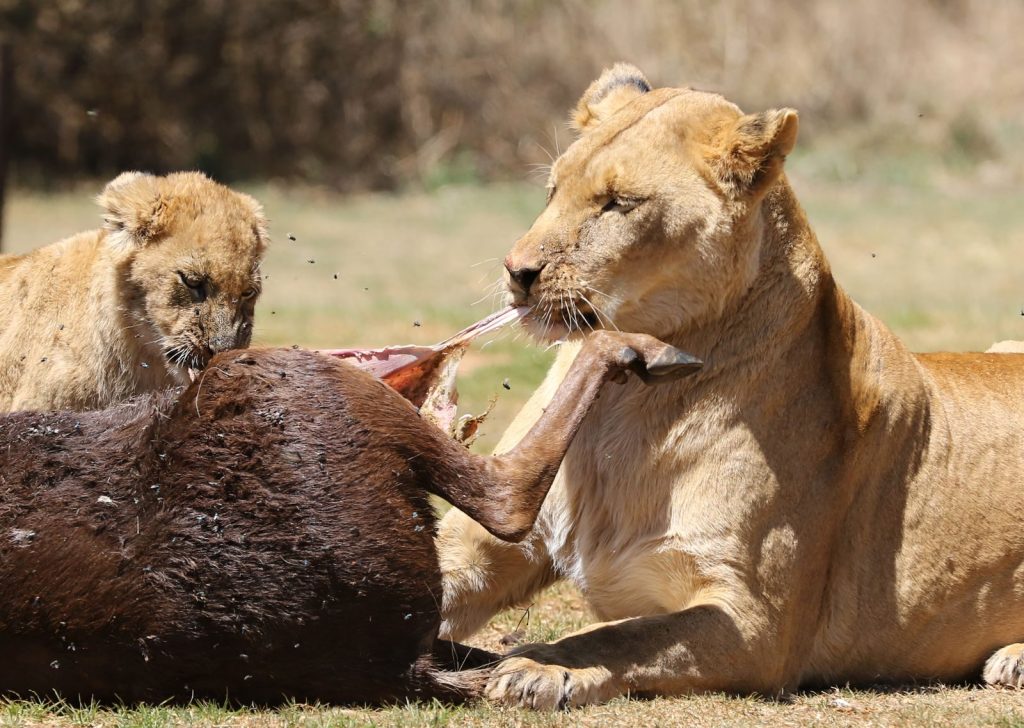
Lioness and cub feeding on prey in a natural setting, showcasing predator behavior.
Photo by Derek Keats on Pexels

The lionesses are protecting food or space, while the hyena is searching for survival opportunities. Neither side is behaving unfairly. The encounter demonstrates how overlapping predators continuously test one another in ecosystems where every successful meal carries value and risk.

Featured Image: Photo by Steward Masweneng on Pexels
Post navigation

Previous: Seal Escapes Orcas by Jumping Onto a Boat
Next: Why Crocodile Feeding Requires Heavy Safety Barriers

Related Posts

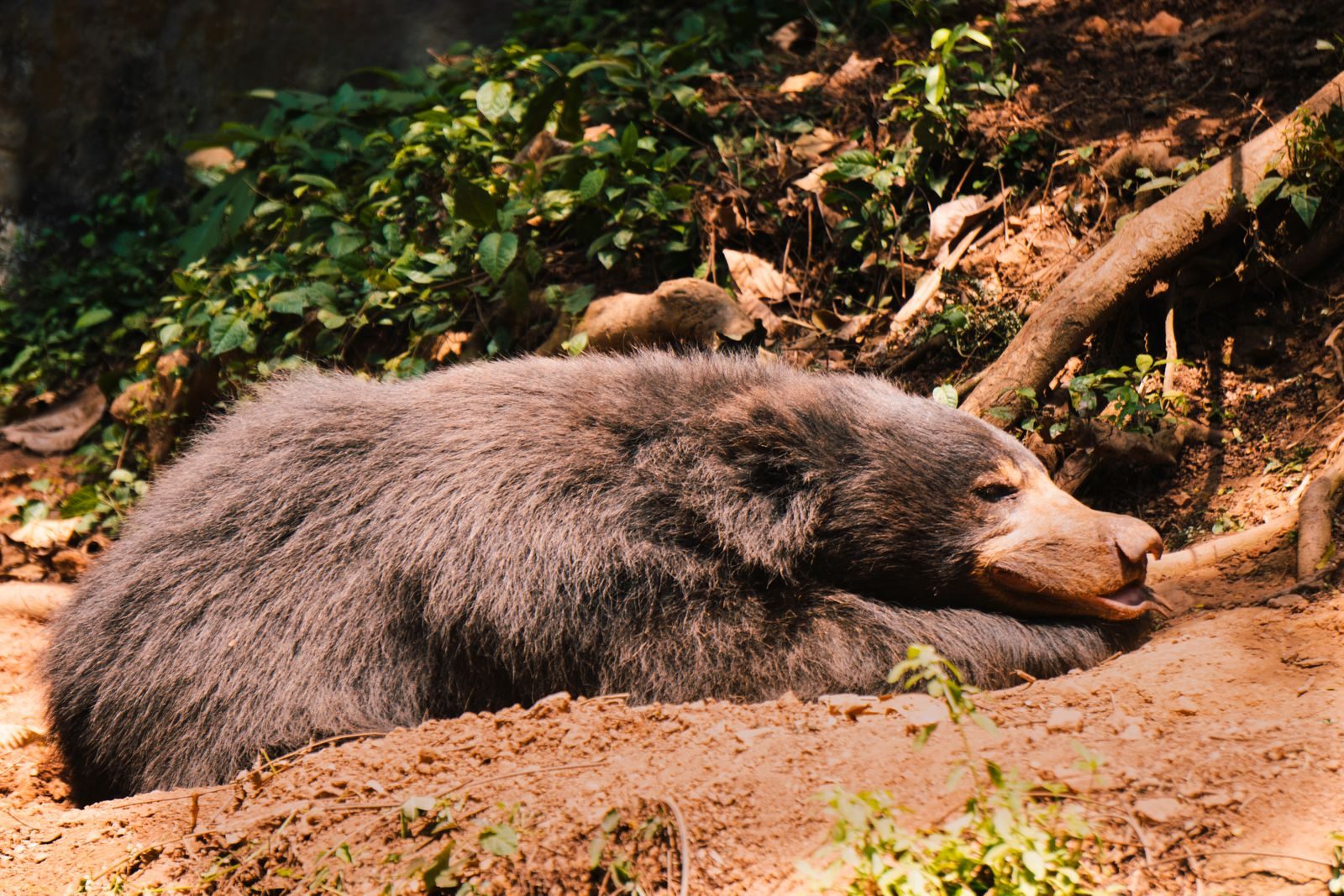
A sloth bear lying in a sunny forest, blending with the natural environment.

What Happened When a Tiger Met a Mother Bear

August 10, 2026August 10, 2026 Jake
A lion stands proudly in the South African savannah, showcasing its powerful presence.

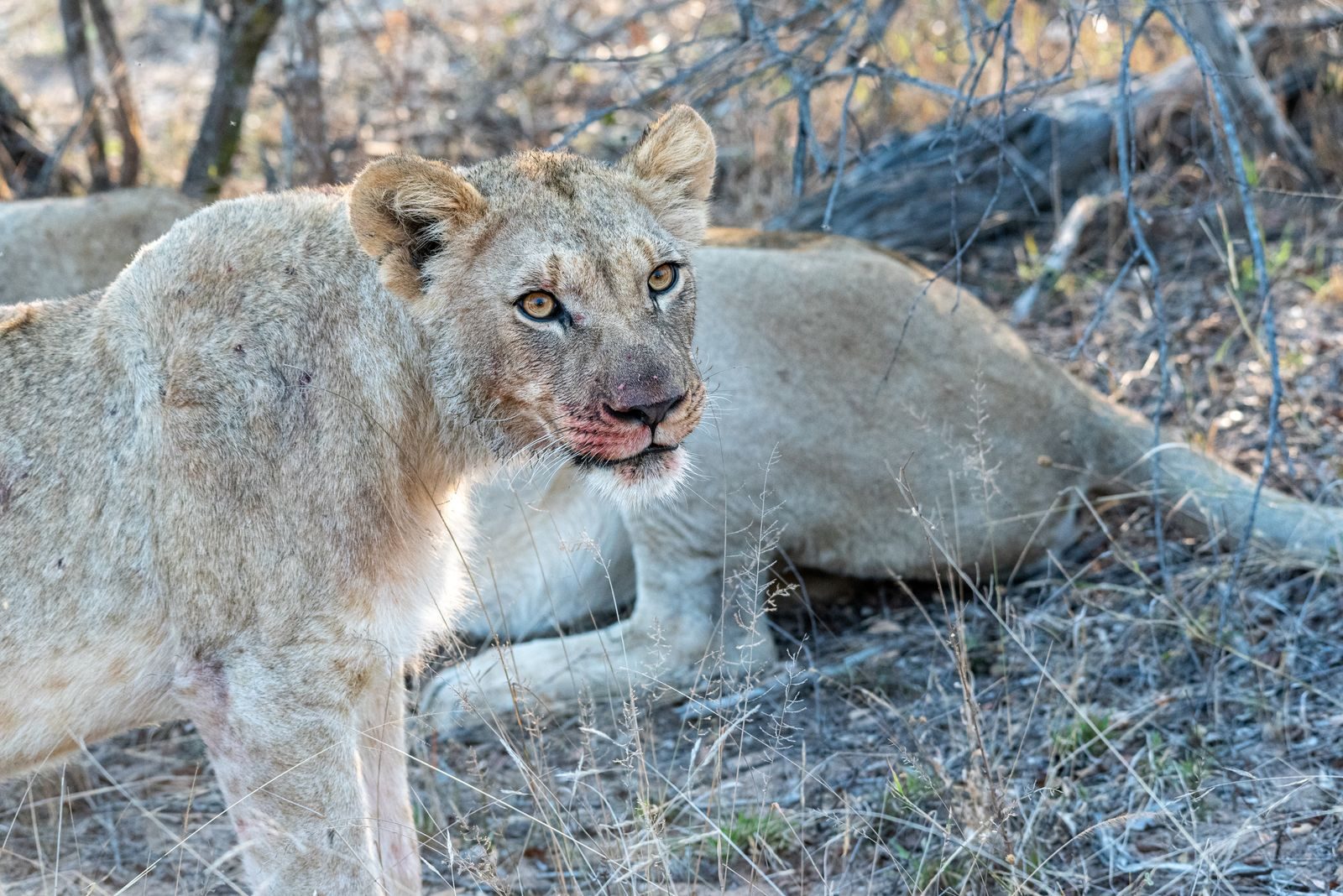
Wildebeest Kicks Past Lionesses and Escapes the Pride

August 10, 2026August 10, 2026 Jake
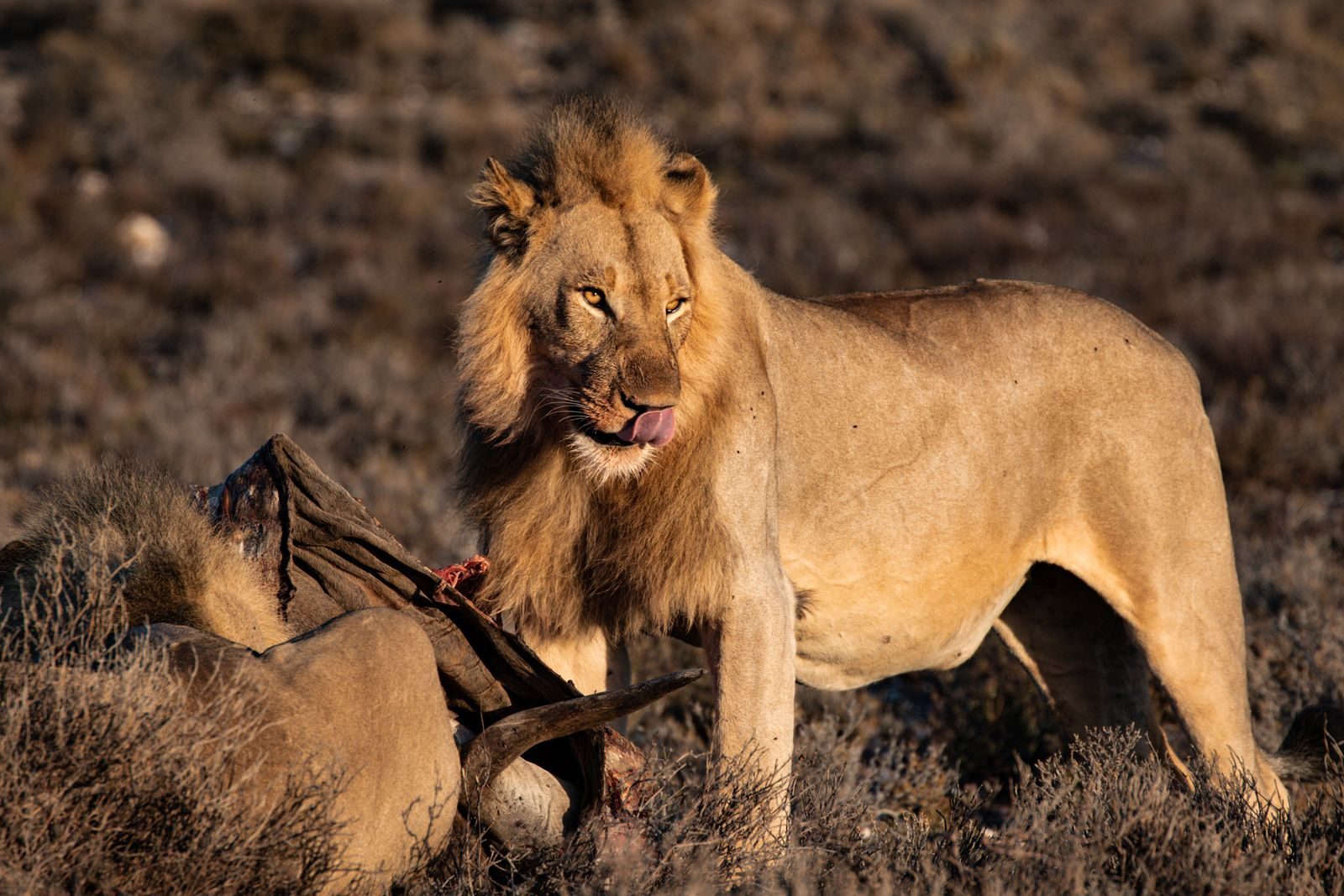
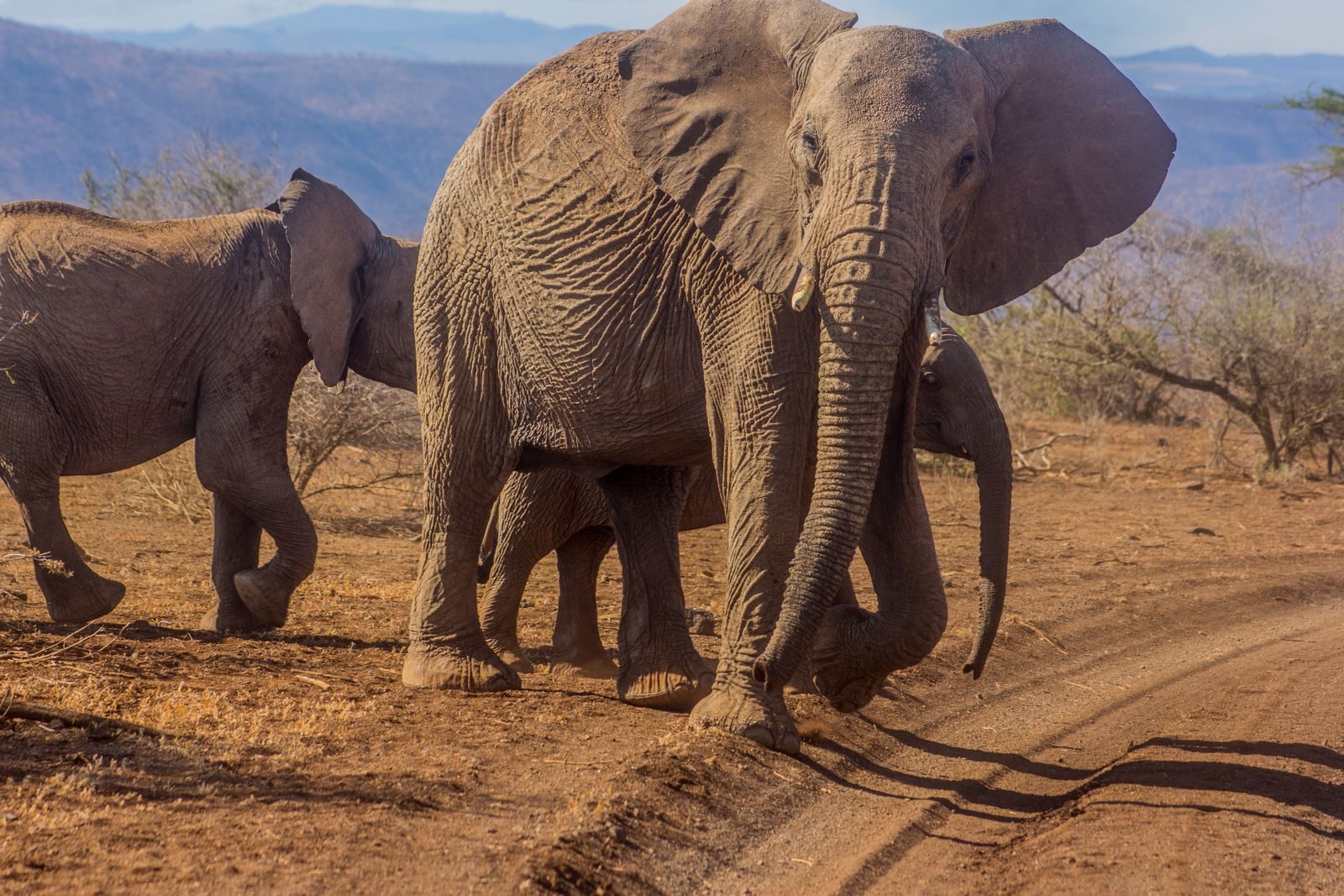
A herd of African elephants walking through a dry savannah landscape, showcasing wildlife in its natural habitat.

What Elephants Do When Others Get Too Close

August 10, 2026August 9, 2026 Jake

Leave a Reply Cancel reply

Your email address will not be published. Required fields are marked *

Recent Posts

  • Baby Elephant Linh Mai Takes Her First Steps
  • Why a Kangaroo May Challenge a Human
  • How Electric Eels Shock and Control Their Prey
  • How Giraffes Escape Attacks From Lions
  • How Orcas Turn Great White Sharks Into Prey
Copyright All Rights Reserved | Theme: BlockWP by Candid Themes.