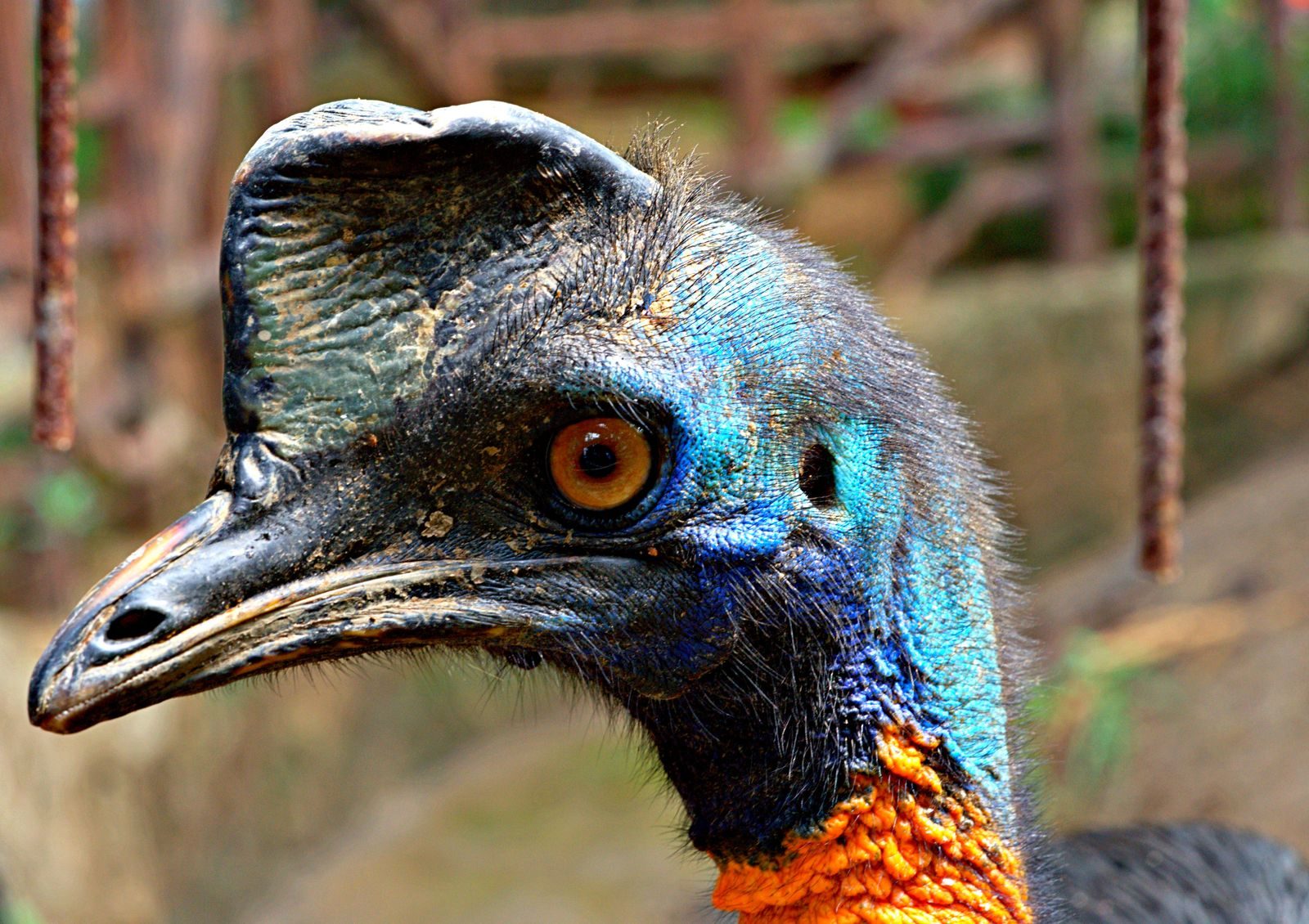
A circulating video shows captive cassowaries being hand-fed at an exotic-animal facility, turning a routine meal into an unusually close encounter with birds famous for their size, speed, and powerful feet. The footage is dramatic, but calling cassowaries the world’s most dangerous birds is not a scientific ranking. What can be said confidently is that close feeding changes the distance between people and a potentially dangerous wild species.
The bigger lesson is not whether the birds in one managed setting looked calm or impatient. Queensland wildlife authorities warn that feeding wild cassowaries can make them bolder around people and more likely to approach for food. Historical attack records also show a strong connection between previous feeding and human encounters. A captive feeding session therefore should never be copied with a wild cassowary encountered on a road, trail, campsite, or backyard.
Hand-Fed Cassowaries
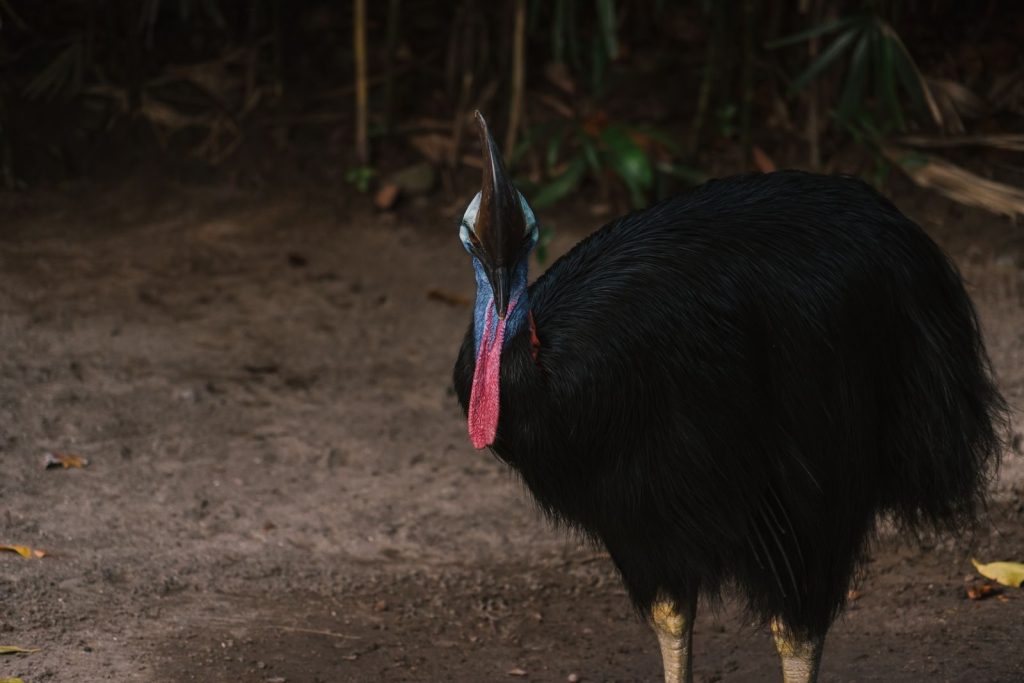
A widely shared video titled around hand-feeding “the most dangerous birds” features cassowaries being offered food at close range in a captive setting. That context matters. Managed animals may be accustomed to keepers, routines, barriers, and specific handling procedures that are invisible in a short clip. The footage can show how quickly a cassowary reacts to food, but it does not establish that hand-feeding is safe for the public. A controlled animal-care situation should not be treated as instructions for interacting with wild birds.
Food Conditioning

Cassowaries can learn to associate people with food, and that association can create problems. Queensland’s current safety guidance says cassowaries that are intentionally or unintentionally fed by humans may become bold and aggressive around people. A bird that expects a handout may approach campsites, vehicles, picnic areas, or pedestrians instead of keeping its natural distance. The issue is not that food magically makes a cassowary hostile. Repeated feeding changes expectations, bringing a large wild bird into situations where conflict, injury, road strikes, or management intervention become more likely.
Powerful Legs
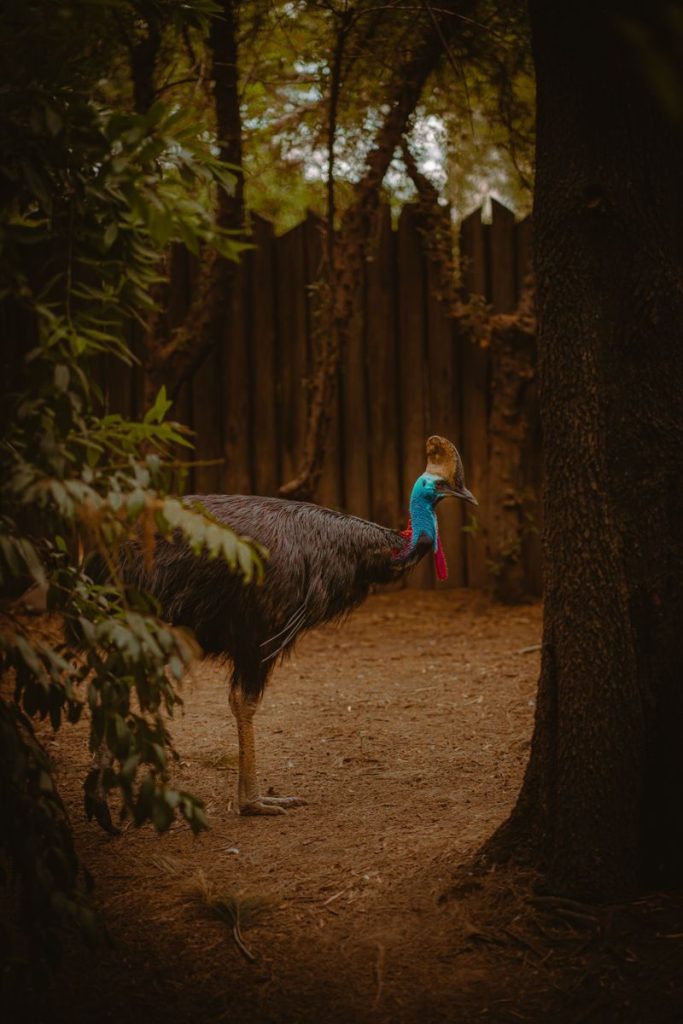
Cassowaries are large flightless birds built around strong legs that carry them quickly through dense rainforest. Those same legs can become defensive weapons at close range. Queensland park guidance warns that cassowaries are capable of causing serious injury or death when they feel threatened or have become habituated to human food. The danger is especially important because a person standing beside a feeding bird is already within striking distance. A calm posture at one moment does not guarantee that the bird will respond the same way to a sudden movement or blocked path.
Dagger Claw

Each cassowary foot has three toes, including an enlarged inner claw that can cause puncture wounds during a kick. Popular descriptions often turn that claw into something almost mythical, but there is no need to exaggerate it. Documented attacks have caused cuts, punctures, fractures, and, in rare cases, fatal injuries. The claw is part of the bird’s normal anatomy, not a weapon designed for hunting humans. Its importance is practical: getting close enough to touch or hand-feed a cassowary places a person near feet capable of doing real damage.
Chase Behavior

Historical research on southern cassowary attacks found that many incidents involved birds chasing or charging people, and food was a frequent part of the circumstances. The pattern does not mean cassowaries spend their lives pursuing humans. It shows that a bird conditioned to expect food can become persistent when a person has nothing to offer or tries to move away. That is one reason wildlife authorities focus so strongly on prevention. Maintaining distance before a cassowary approaches is safer than trying to manage the bird after it has already learned to come close.
Captive Context
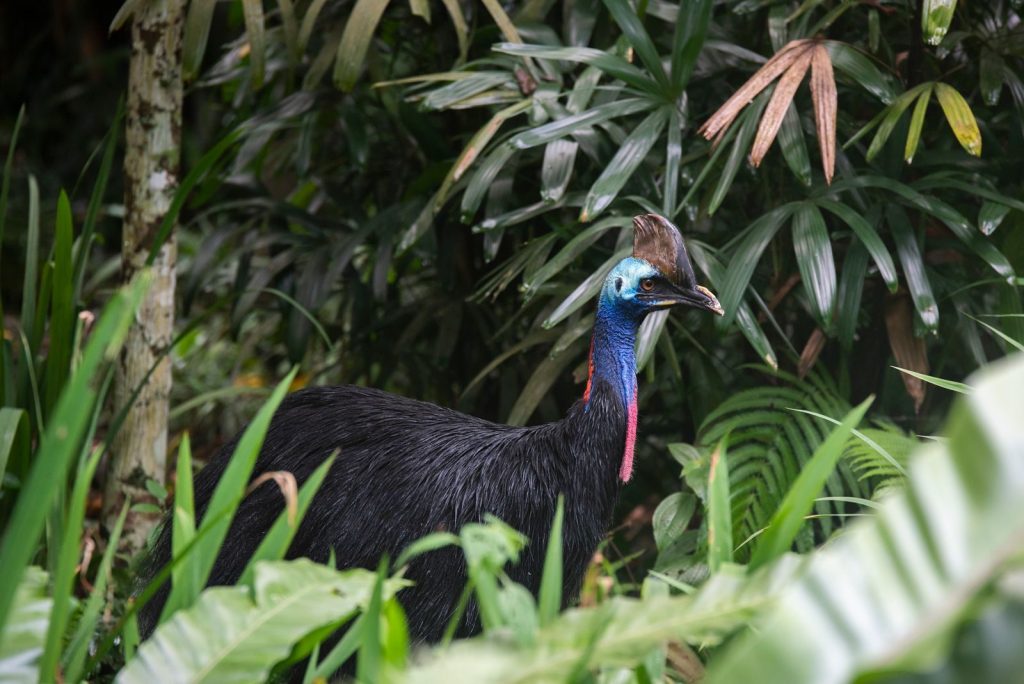
A captive cassowary may be handled under conditions that are very different from a wild encounter. Professional facilities can use trained staff, established routines, enclosure design, and knowledge of individual behavior. Even then, large-animal handling carries risk. Viewers rarely see the planning behind a short feeding video, so copying what appears on screen can be misleading. The important distinction is not that captive cassowaries are harmless. It is that controlled husbandry is performed within a management system, while a person meeting a wild bird has none of those safeguards.
Wild Feeding Risk

Feeding wild cassowaries can harm the birds as well as people. Queensland authorities warn that roadside feeding can teach cassowaries to associate vehicles with food, increasing the chance of collisions. Food-conditioned birds may also enter campsites or populated areas more often, exposing them to dogs, traffic, conflict, and possible removal. Human food may also replace more appropriate natural foraging. The safest conservation message is therefore simple: admiration should not become feeding. Keeping cassowaries wild means allowing them to search for their own natural foods without being rewarded for approaching people.
Safe Encounter
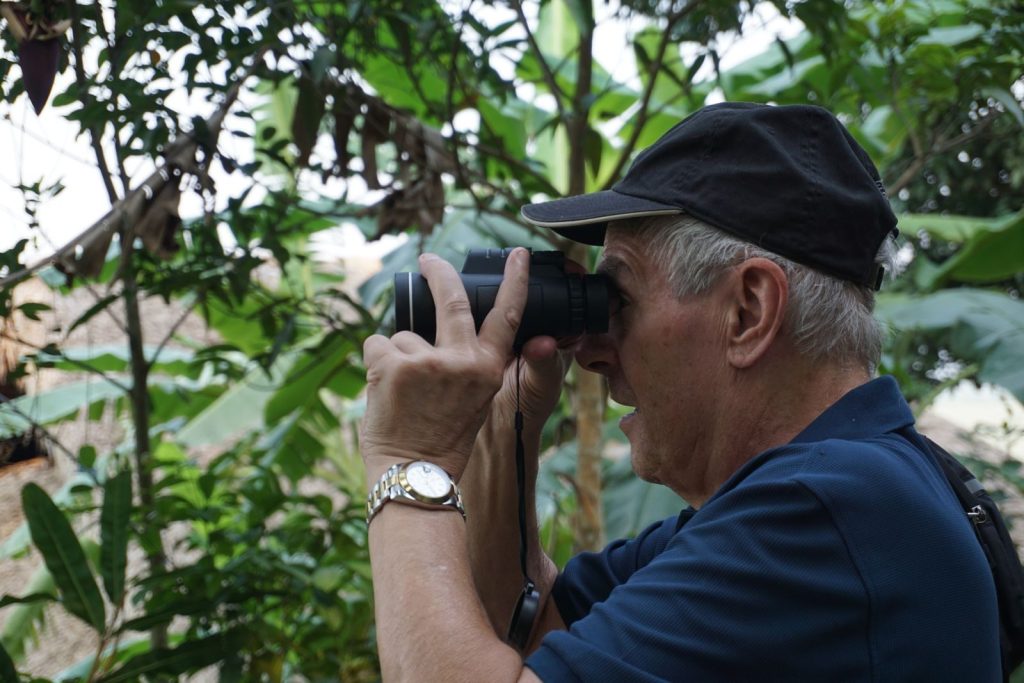
If a cassowary appears in the wild, Queensland guidance recommends giving it space, never approaching adults or chicks, securing food, and avoiding actions that make the bird feel cornered. People should not chase a cassowary for photographs or stop vehicles in unsafe places to watch one. If a bird approaches a campsite, keeping a solid object such as a chair or broom between the person and the cassowary can provide separation. The goal is not to dominate the animal. It is to create distance and let the bird continue on its way.
Featured Image: Photo by hartono subagio on Pexels