Raising backyard chickens can be rewarding, but it also attracts a surprising number of predators. From clever mammals to stealthy birds of prey, many animals see a chicken coop as an easy source of food. Understanding the most common threats is the first step toward protecting your flock and preventing devastating losses.
Why Backyard Chickens Attract Predators
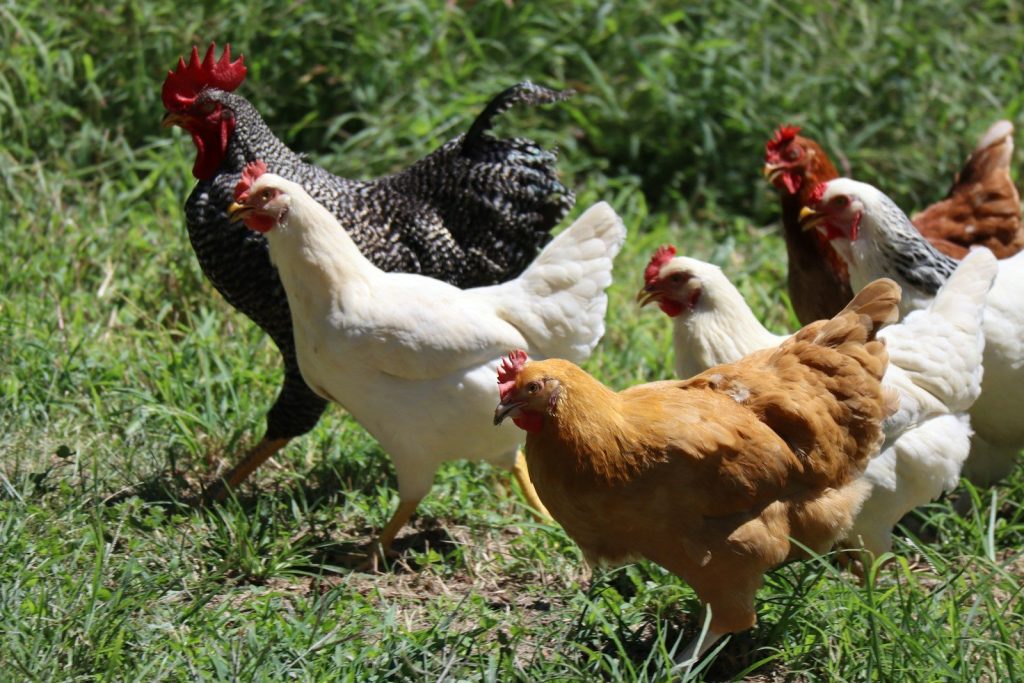
Chickens provide predators with a reliable source of food, whether through eggs, chicks, feed, or the birds themselves. Coops can also attract unwanted visitors because spilled grain and food scraps lure rodents, which in turn attract larger hunters. Even well-maintained flocks can become targets if proper security measures are not in place.
Foxes: The Clever Chicken Thieves

Foxes are among the most notorious chicken predators. Highly intelligent and adaptable, they often scout coops for weaknesses before making a move. Foxes are capable of digging under fences, squeezing through small openings, and carrying away multiple birds in a single raid.
Strong fencing buried below ground level and secure nighttime housing are essential defenses against foxes. Motion-activated lights can also help discourage nighttime visits.
Raccoons: Skilled and Persistent Raiders

Raccoons are incredibly dexterous and can open simple latches, lift loose coop doors, and reach through wire fencing. They are known for attacking birds through gaps and may target eggs as well as adult chickens.
Using predator-proof locks and ensuring all openings are covered with sturdy hardware cloth can help prevent raccoon attacks. Keeping feed securely stored also reduces attraction.
Hawks and Owls: Threats From Above

Birds of prey are a major concern, especially for free-ranging chickens. Hawks typically hunt during daylight hours, while owls are more active at night. Young chickens and smaller breeds are particularly vulnerable.
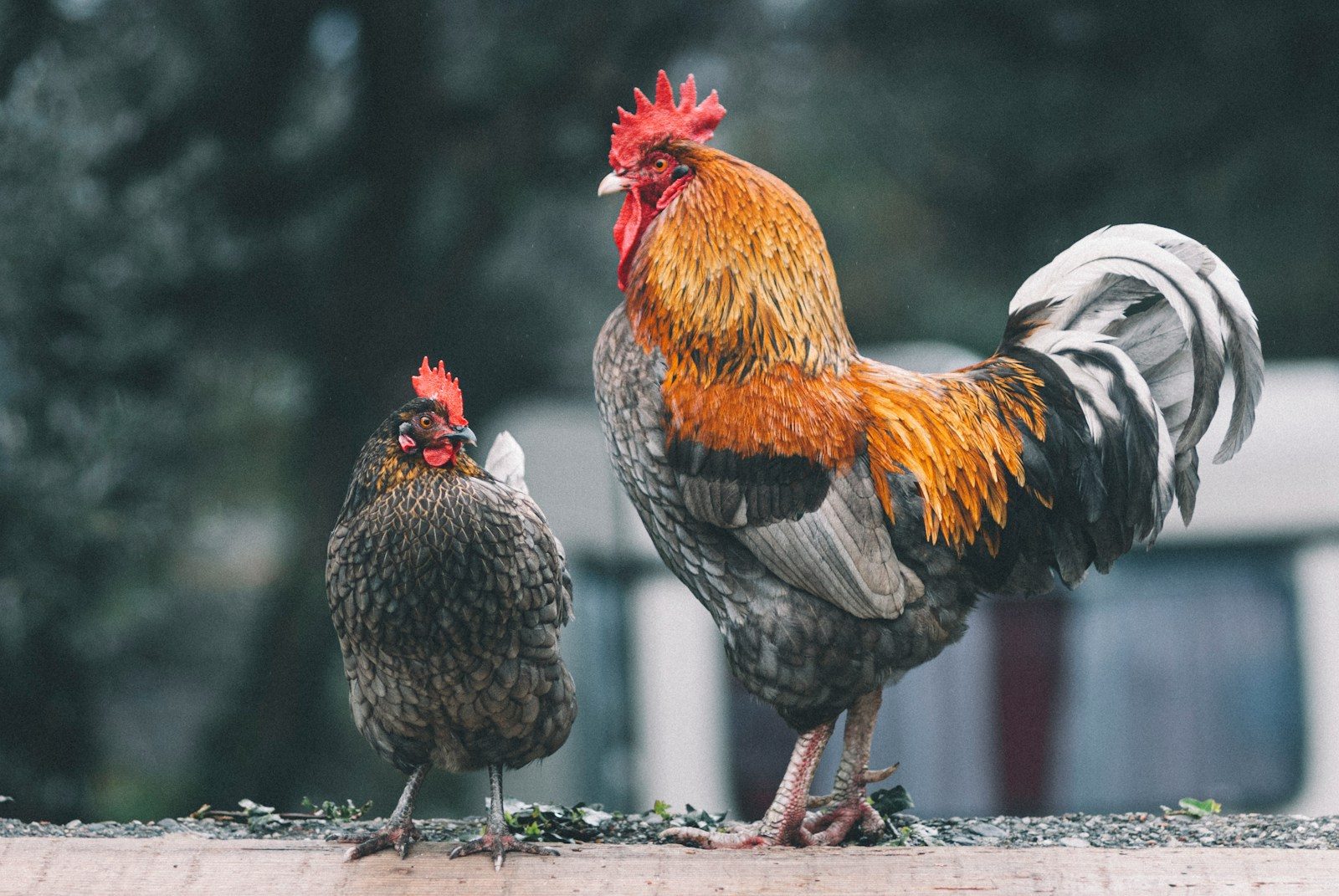
Providing covered runs, shelters, and shrubs where chickens can quickly hide offers valuable protection. Roosters often serve as early warning systems, alerting the flock when predators are nearby.
Coyotes and Wild Dogs
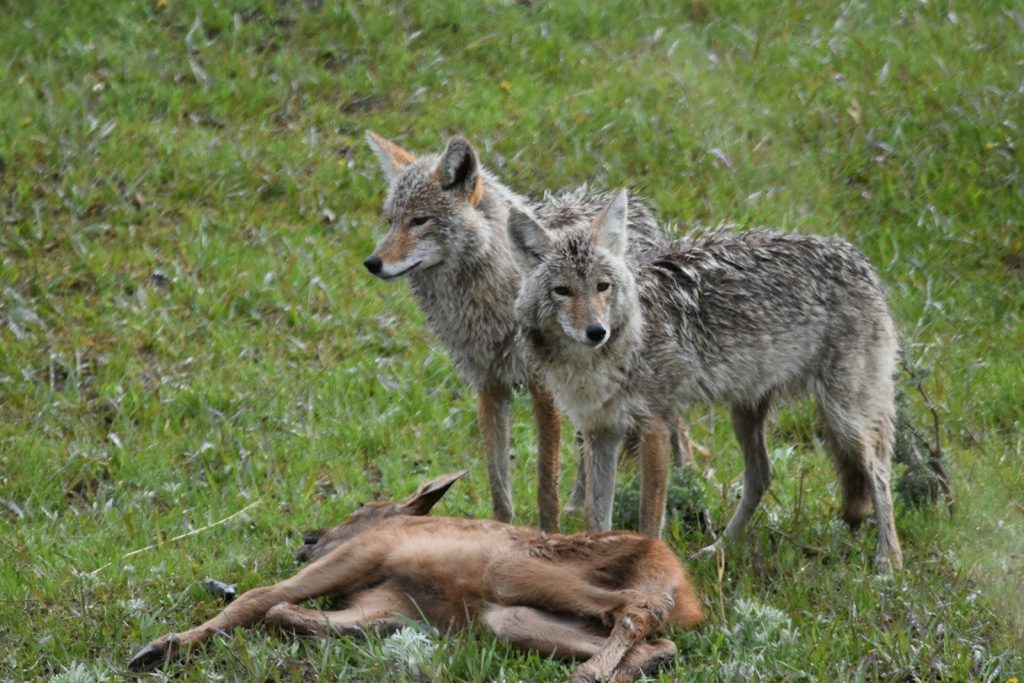
Coyotes and free-roaming dogs can cause significant damage to backyard flocks. Unlike some predators that take a single bird, these hunters may kill multiple chickens during one attack. Their strength allows them to break through weak fencing or dig underneath enclosures.
Tall fences, buried wire barriers, and secure nighttime housing can greatly reduce the risk. Supervising free-ranging birds is also important in areas where these predators are common.
Snakes, Weasels, and Other Small Hunters

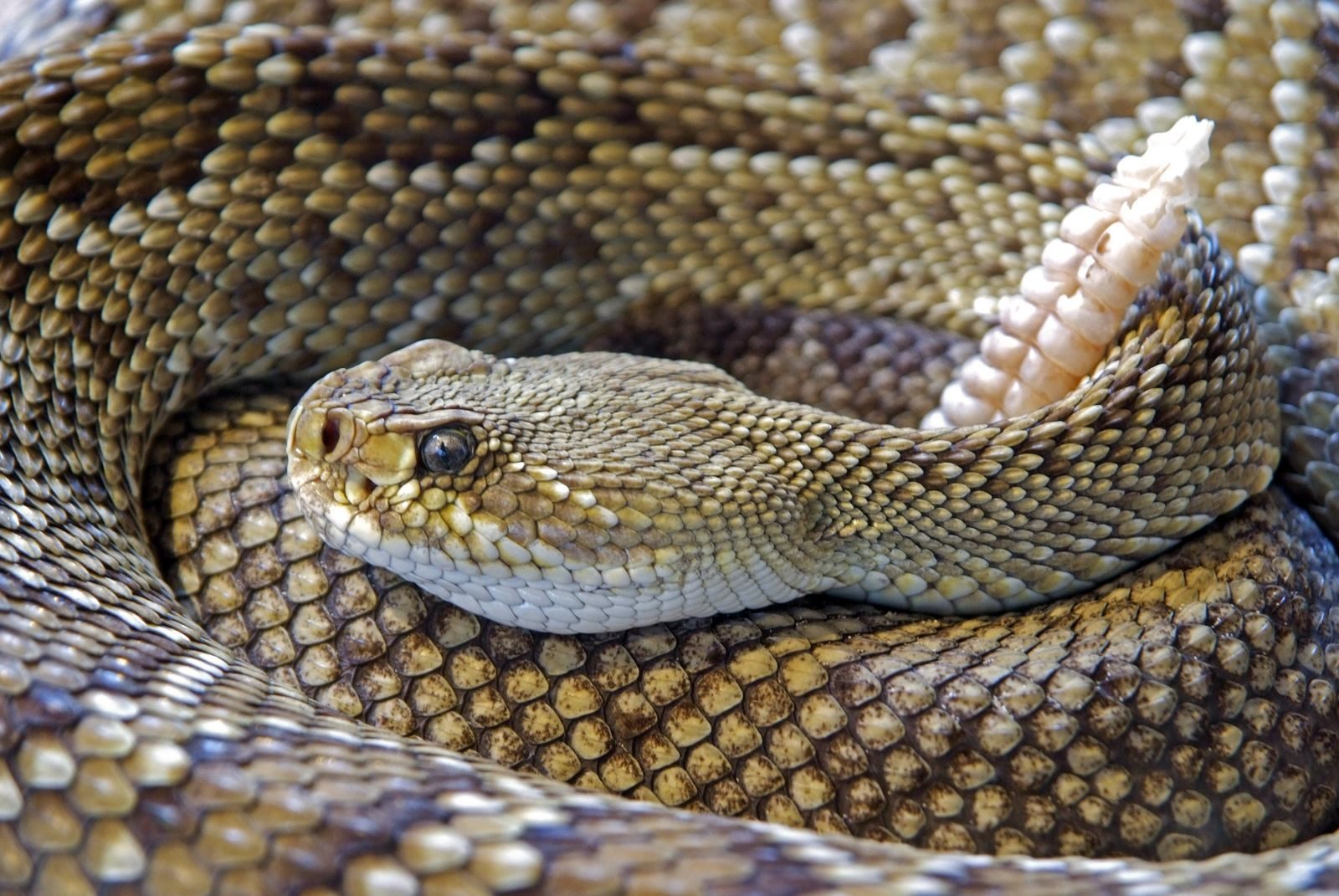
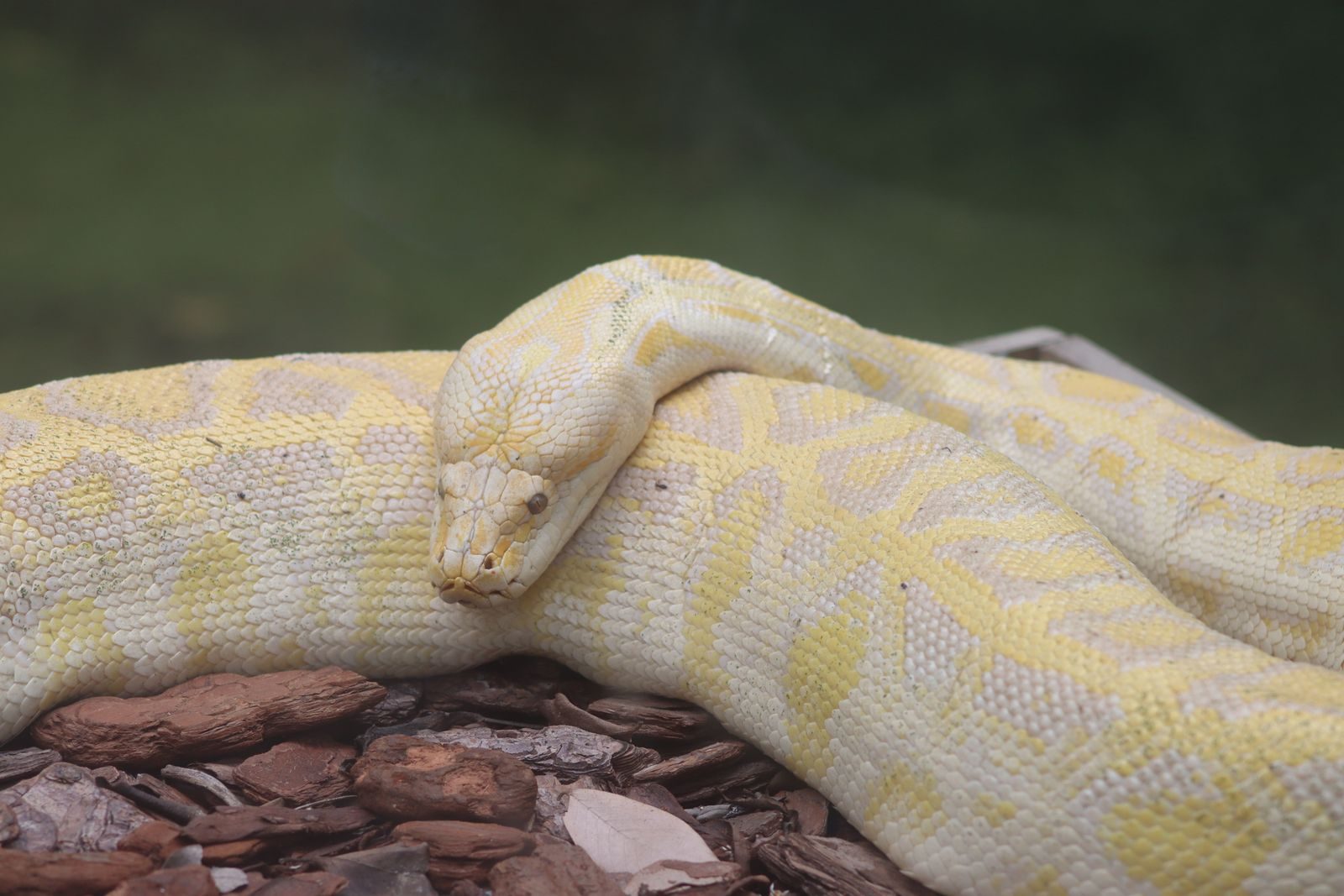
Not all threats come from large predators. Snakes often target eggs and chicks, while weasels are small enough to squeeze through tiny openings and can be surprisingly deadly. Rats may also prey on chicks and steal eggs.
Regularly inspecting the coop for gaps, repairing damage promptly, and removing clutter around the enclosure can help keep these smaller predators away. Fine-mesh hardware cloth is often more effective than standard chicken wire against these determined intruders.
Building a Predator-Proof Chicken Coop

The best protection comes from prevention. A secure coop should have strong walls, reinforced doors, predator-proof latches, and buried fencing to stop digging animals. Ventilation openings should be covered with hardware cloth rather than chicken wire, which many predators can easily breach.
Routine inspections are equally important. Small weaknesses can quickly become entry points for determined hunters. By combining strong construction with good management practices, chicken owners can dramatically reduce the risk of predator attacks.