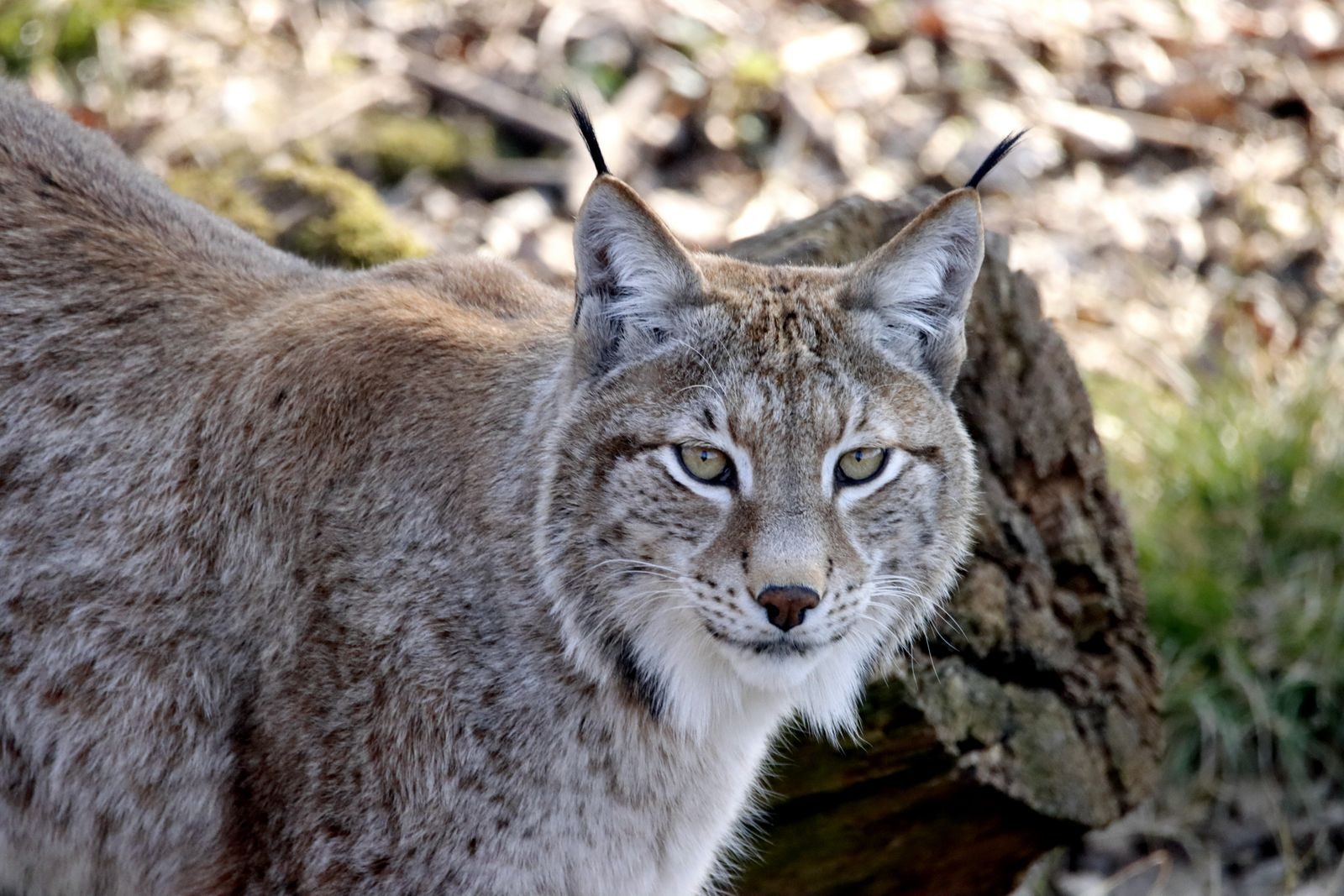
Exotic pets often attract fascination because they look rare, powerful, or unusual. Among celebrities, owning such animals has sometimes been treated as a status symbol. However, many of these stories reveal serious concerns about animal welfare, legal issues, and the difficulty of caring for wild creatures in domestic environments. While the idea may seem glamorous, the reality is far more complicated.
Justin Bieber and His Capuchin Monkey
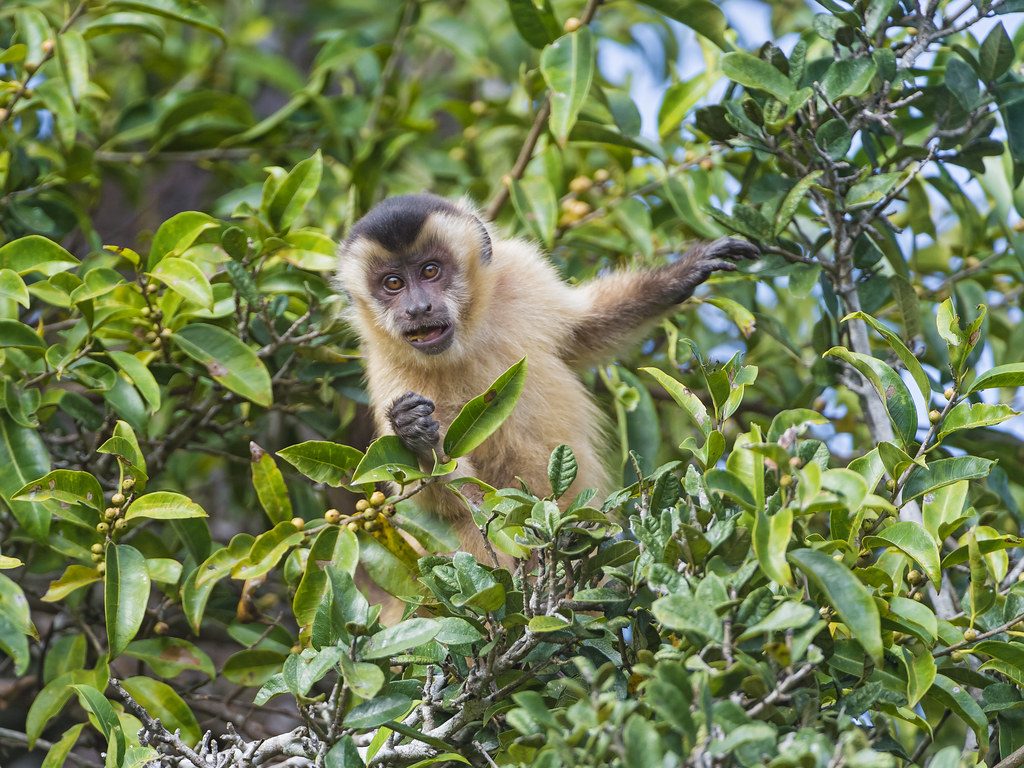
Pop star Justin Bieber made headlines when he acquired a capuchin monkey named Mally. The animal was later seized by German authorities during a tour because proper import documentation was missing. The monkey was eventually placed in a zoo.
Capuchin monkeys are highly intelligent and social animals that require constant stimulation and complex environments. In captivity, especially when moved frequently or isolated, they can develop stress related behaviors. Bieber also drew attention for purchasing Savannah cats, a hybrid between domestic cats and wild servals, which require significant care and space.
Tippi Hedren and Her Big Cats
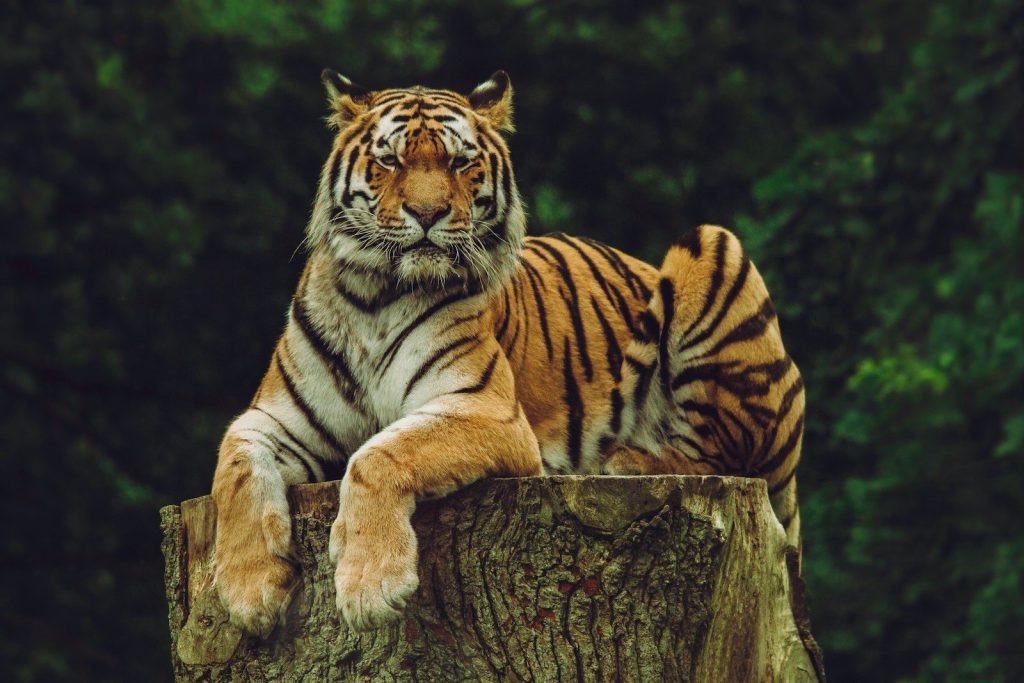
Actress Tippi Hedren became famous not only for her film career but also for her involvement with big cats. During a film project, she lived closely with lions to better understand their behavior. She later adopted several large cats and kept them at her property.
Over time, Hedren became a strong advocate against keeping big cats as private pets. Her experiences highlighted how unpredictable and powerful these animals are, even when raised in controlled environments. Large predators require vast territories and specialized care, making domestic ownership extremely risky for both humans and animals.
Melanie Griffith and Animal Welfare Awareness
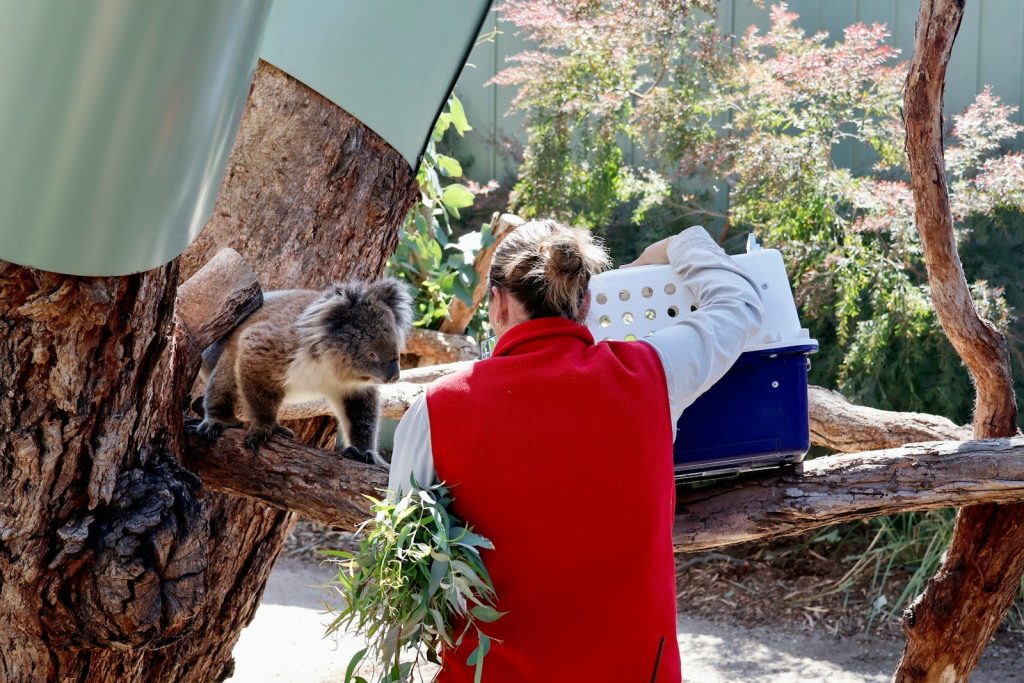
Actress Melanie Griffith, daughter of Tippi Hedren, also became associated with discussions about exotic animal welfare. While not a private exotic pet owner in the same way, she has supported her mother’s conservation work and awareness campaigns.
Their shared advocacy emphasizes the importance of understanding animal behavior and discouraging private ownership of dangerous wildlife. Their experiences reflect a shift from fascination to responsibility in how exotic animals are viewed.
Tyga and the Pet Tiger Incident
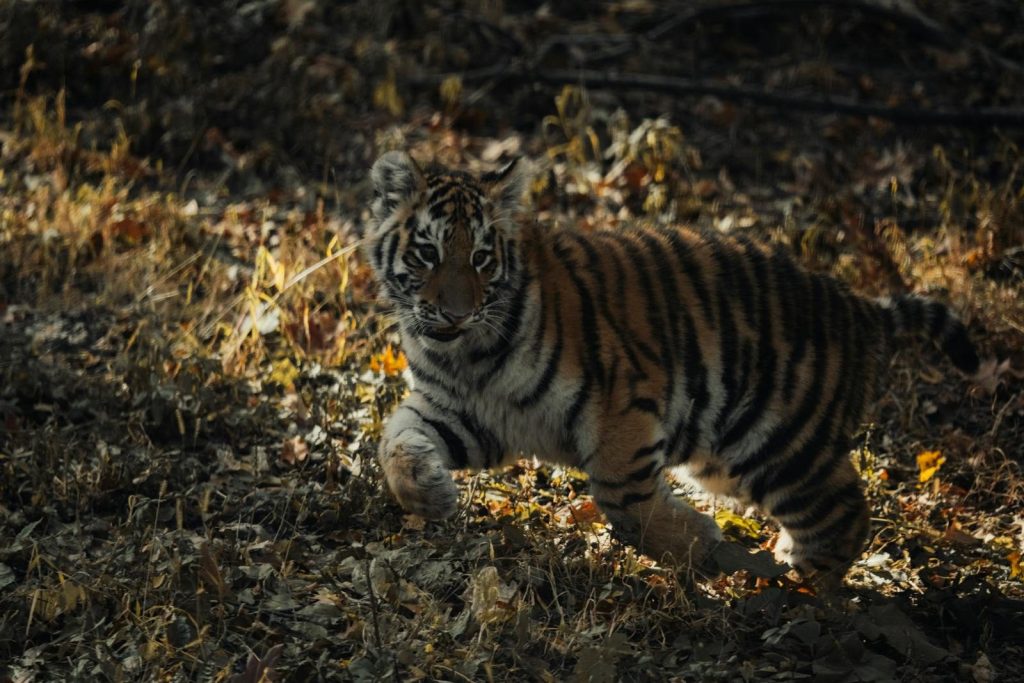
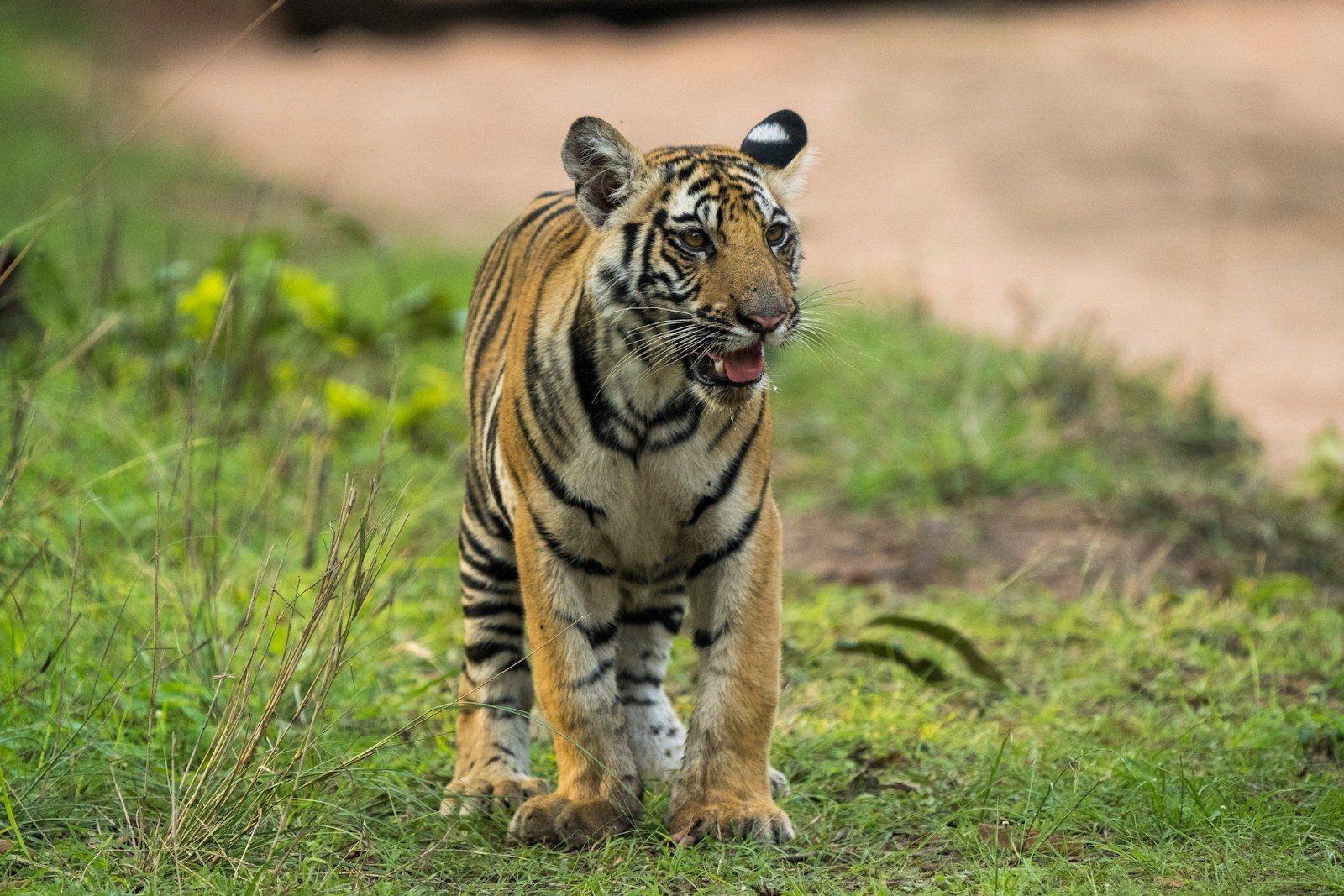
Rapper Tyga was reported to have owned a young tiger that was later removed after concerns were raised by neighbors. Authorities intervened, and the animal was transferred to a sanctuary.
Tigers are apex predators requiring enormous space, natural hunting environments, and specialized diets. Keeping such animals in residential areas poses significant risks. Cases like this highlight how quickly exotic pet ownership can become unsafe and unsustainable.
Why Exotic Pets Become a Problem
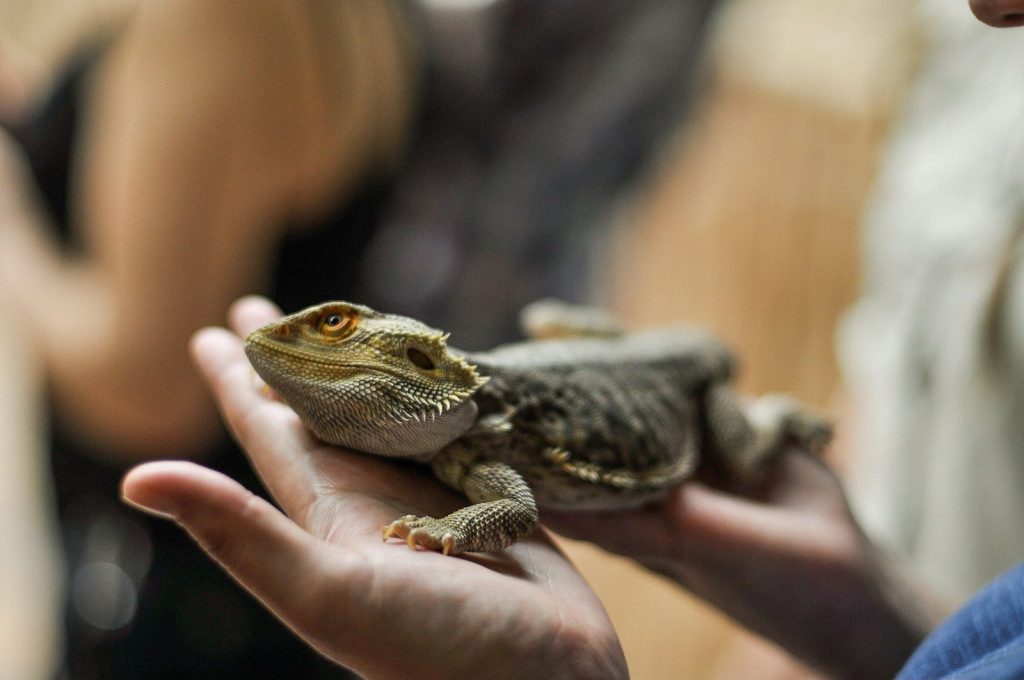
Exotic pets often end up in sanctuaries or rescue facilities after owners realize they cannot meet their needs. Many animals outgrow their manageable size or develop aggressive behavior as they mature. Others suffer from improper diets, limited space, or lack of social interaction.
Even wealthy owners struggle to replicate the complex environments these animals require. What begins as fascination often turns into responsibility that is difficult to maintain long term.
A Lesson From Celebrity Experiences
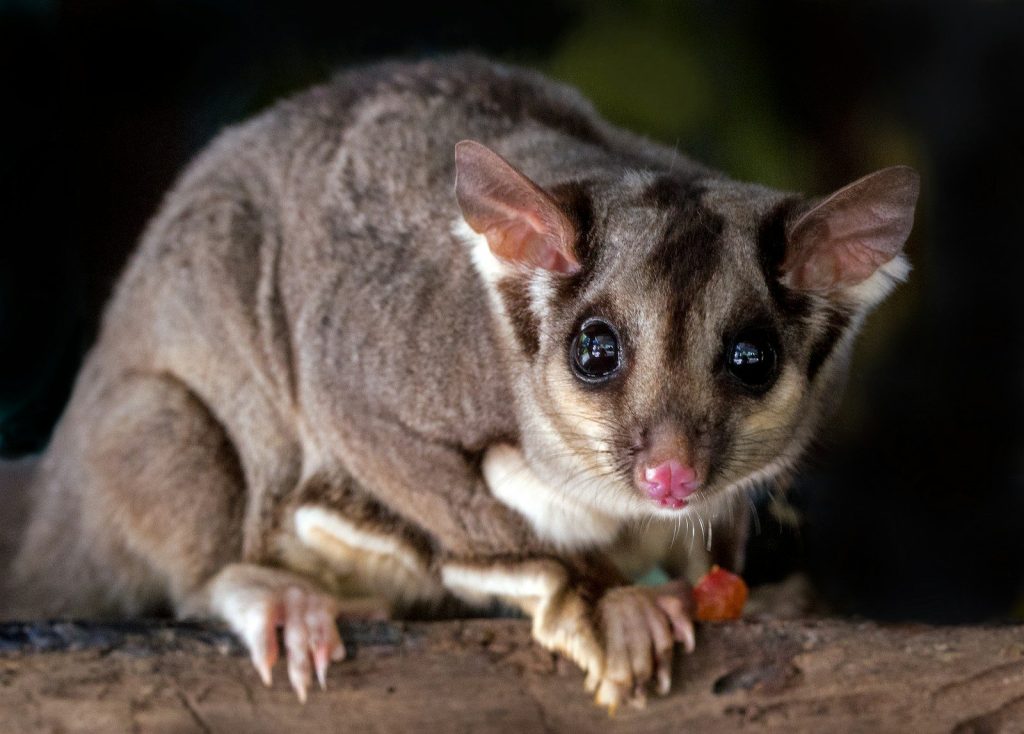
The stories of exotic pets owned by celebrities show a consistent pattern. While the animals may seem appealing at first, their needs rarely align with domestic life. Wild animals are not designed for homes, luxury or otherwise.
The experiences of figures like Justin Bieber, Tippi Hedren, and Tyga demonstrate that admiration for wildlife does not always translate into suitable care. In most cases, conservation in natural habitats remains the safest and most ethical option for these extraordinary animals.