For the first time in decades, crested ibises are once again flying freely over parts of mainland Japan. The release of eight endangered birds into the wild marks a major milestone in one of the country’s most ambitious wildlife recovery efforts, offering hope for a species once thought lost forever.
The return of these iconic birds represents years of conservation work, international cooperation, and careful breeding programs aimed at restoring a species that vanished from Japan’s natural landscapes.
A Historic Return to the Skies
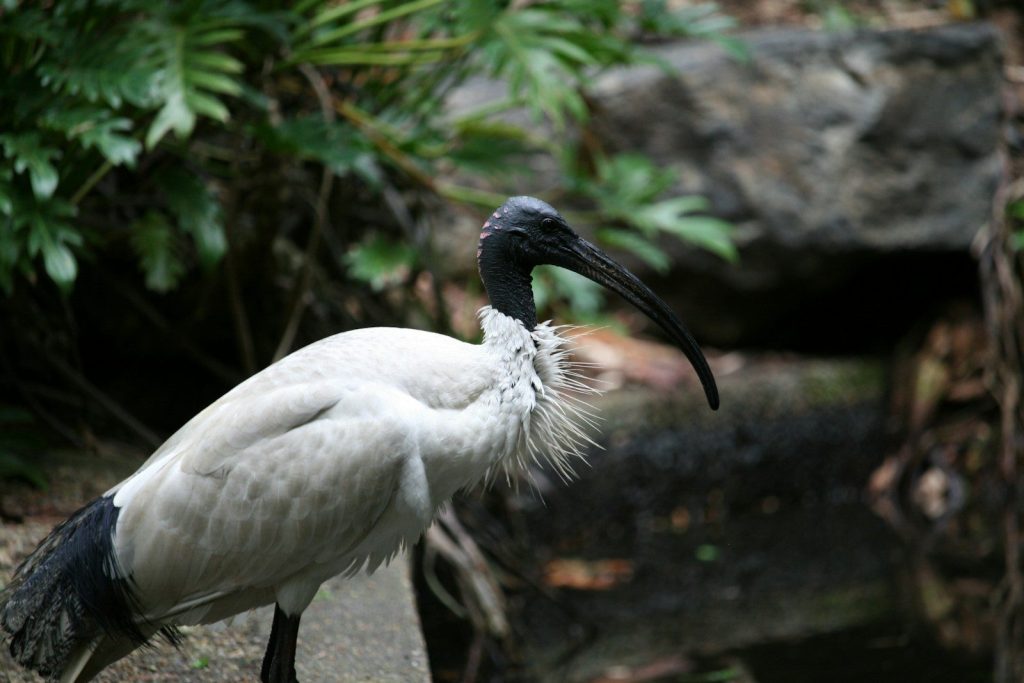
Eight crested ibises were released into the wild in Hakui City, located in Japan’s Noto region. The birds emerged from wooden cages during a special ceremony attended by government officials, conservationists, and members of Japan’s royal family.
For many residents, watching the birds soar overhead was an emotional moment. The Noto region was one of the last places where crested ibises were seen in the wild before they disappeared from mainland Japan decades ago.
Meet the Crested Ibis

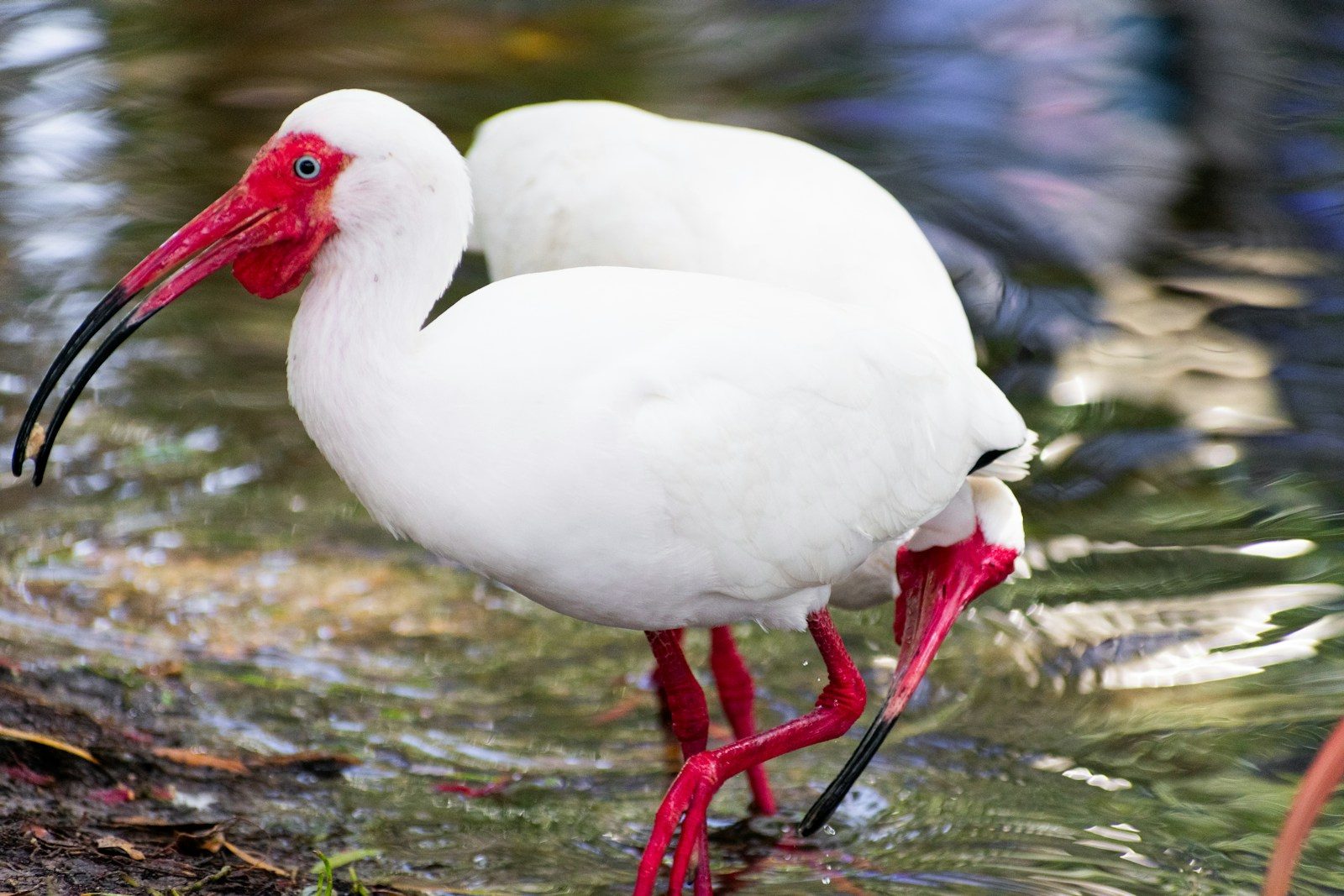
Known locally as the Toki, the crested ibis is one of East Asia’s most recognizable bird species. These elegant wading birds are famous for their white plumage, orange-pink wing feathers, and distinctive red facial markings.
Historically, they inhabited wetlands, rice fields, and river systems across Japan and neighboring countries. Their striking appearance made them an important symbol in Japanese culture and natural heritage.
How the Species Disappeared

The crested ibis suffered a dramatic decline during the twentieth century. Overhunting, habitat destruction, pesticide use, and environmental degradation steadily reduced their numbers.
By the 1970s, the species had vanished from Japan’s main island of Honshu. The final native Japanese crested ibis died on Sado Island in 2003, marking the end of the country’s wild population.
At that point, many feared the bird would never return to Japan’s skies.
China Played a Key Role in the Comeback

The species’ recovery would not have been possible without international cooperation. In 1999, China donated a breeding pair of crested ibises to Japan after maintaining one of the world’s last surviving populations.
The partnership proved successful. Conservation centers on Sado Island began breeding the birds, eventually producing healthy offspring capable of surviving in the wild.
Those efforts laid the foundation for today’s growing population.
Conservation Efforts Are Paying Off

Japan’s first release of captive-bred crested ibises took place on Sado Island in 2008. Since then, conservationists have carefully monitored breeding success, habitat quality, and population growth.
The results have been encouraging. The ibis population on Sado has expanded to roughly 500 birds, demonstrating that carefully managed reintroduction programs can successfully restore endangered species.
The recent release in Hakui represents the next phase of expanding the birds’ range beyond their recovery stronghold.
A Symbol of Hope for the Future

The return of the crested ibis carries significance beyond conservation. For many people in the Noto region, which continues to recover from the devastating 2024 earthquake, the birds symbolize resilience, renewal, and hope.
Their successful comeback shows that extinction in the wild does not always have to be permanent. With long-term commitment, habitat protection, and international collaboration, species once pushed to the brink can sometimes find their way back.
As more crested ibises prepare for release in the coming years, Japan’s skies may once again become home to one of its most treasured native birds.