The exact video implied by this title cannot be reliably authenticated from the title alone, so its location, animals, and outcome should not be invented. What scientists know about cheetahs does explain why cornering one can change its behavior quickly.
Cheetahs evolved primarily for speed rather than close combat. They normally benefit from avoiding larger competitors, but a threatened animal with no safe escape route can still defend itself with teeth, claws, threatening postures, and vocalizations.
Cheetah Built for Speed

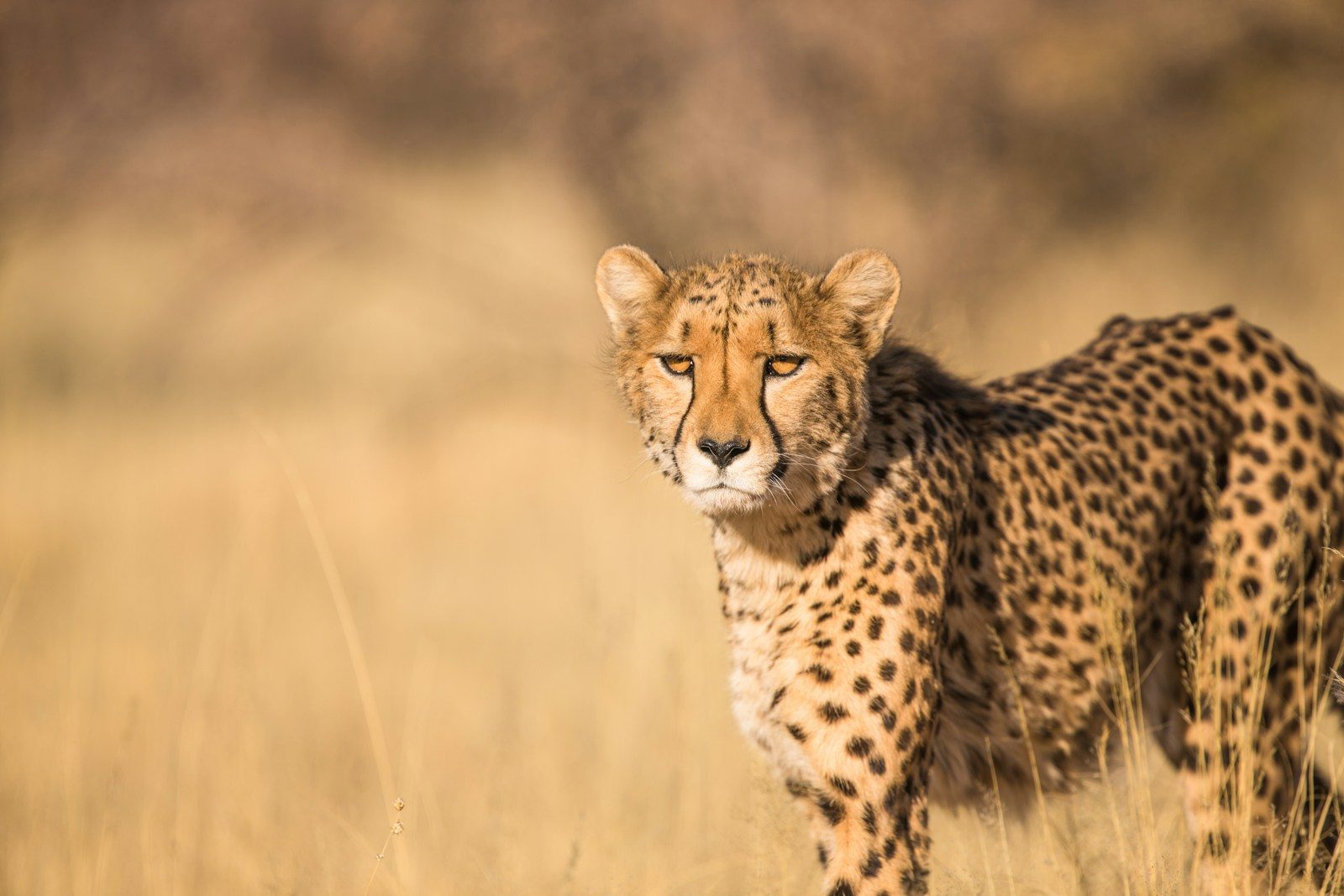
A cheetah’s long legs, flexible spine, exposed claws, large airways, and long tail are specialized for rapid acceleration and high-speed turning. San Diego Zoo Wildlife Alliance describes the species as uniquely built for short explosive sprints. Those adaptations come with tradeoffs. Cheetahs have lighter bodies and smaller teeth than some other large cats, making them formidable hunters of suitable prey but less suited to wrestling powerful competitors. Their first major advantage in dangerous situations is therefore often movement rather than brute-force fighting.
Lions and Hyenas

Cheetahs share parts of their range with larger carnivores including lions and spotted hyenas. Those competitors can steal freshly killed prey, and lions can also kill cheetahs, particularly vulnerable cubs. Cheetah Conservation Fund material describes cheetahs as subordinate competitors in these large-carnivore communities and notes that they tend to avoid larger predators. This ecological pressure helps explain why a cheetah may abandon food rather than risk a serious confrontation. Surviving to hunt again can be more valuable than defending one carcass.
Cheetah Escape Strategy

The cheetah’s famous speed is useful for more than catching prey. A light, fast animal can also increase distance from danger before a confrontation becomes physical. Research and conservation observations show that cheetahs actively avoid areas or situations with a high risk from dominant carnivores when they have the opportunity. Their open-country lifestyle also makes visibility useful because spotting danger early provides time to move. A cheetah that retreats from a lion or hyena should therefore not be interpreted as unusually timid; avoidance is an effective survival strategy.
Cornered Cheetah

Removing an escape route changes the situation. A cheetah that feels threatened can turn toward the perceived danger rather than continuing to retreat. Defensive behavior may involve a low posture, open mouth, focused attention, paw movements, and threatening vocalizations. These displays communicate that approaching closer carries risk. They do not prove the animal wants to attack. The safer interpretation is that a wild predator under pressure is trying to create distance, which is why people should never deliberately trap or crowd one for photographs or dramatic footage.
Cheetah Growls and Hisses

Cheetahs cannot roar like lions, but they have a surprisingly varied vocal repertoire. Smithsonian and Cheetah Conservation Fund sources describe chirps, purrs, growls, hisses, and other calls. Growling and hissing are associated with threatening or confrontational situations and can serve as clear warnings. Hearing those sounds during a close encounter should not be treated as entertainment or a challenge to move nearer. A defensive vocalization is useful precisely because it may prevent the animals involved from escalating immediately into dangerous physical contact.
Cheetah Claws

Unlike most cats, cheetahs cannot fully retract most of their claws. The exposed claws provide traction during high-speed running, acting somewhat like cleats. This design helps with acceleration and turning but means the claws do not remain as sharply protected as the retractable claws of many other cats. Cheetahs still possess teeth and claws capable of injury, however. Their specialization for running should never be mistaken for helplessness. A wild cheetah that is grabbed, trapped, or prevented from escaping can defend itself even though fighting is not its primary ecological advantage.
Cheetah Cubs

Cheetah cubs face especially intense pressure from other predators. Cheetah Conservation Fund reports high juvenile mortality in some protected landscapes where lions, hyenas, and other predators occur. Mothers hide young cubs and move them between den sites, reducing the chance that a predator will locate them. As cubs grow, staying alert and responding appropriately to danger becomes essential. This vulnerability helps explain why adult cheetahs are constantly balancing access to prey against exposure to stronger competitors rather than simply confronting every animal that threatens them.
Cheetah Conservation
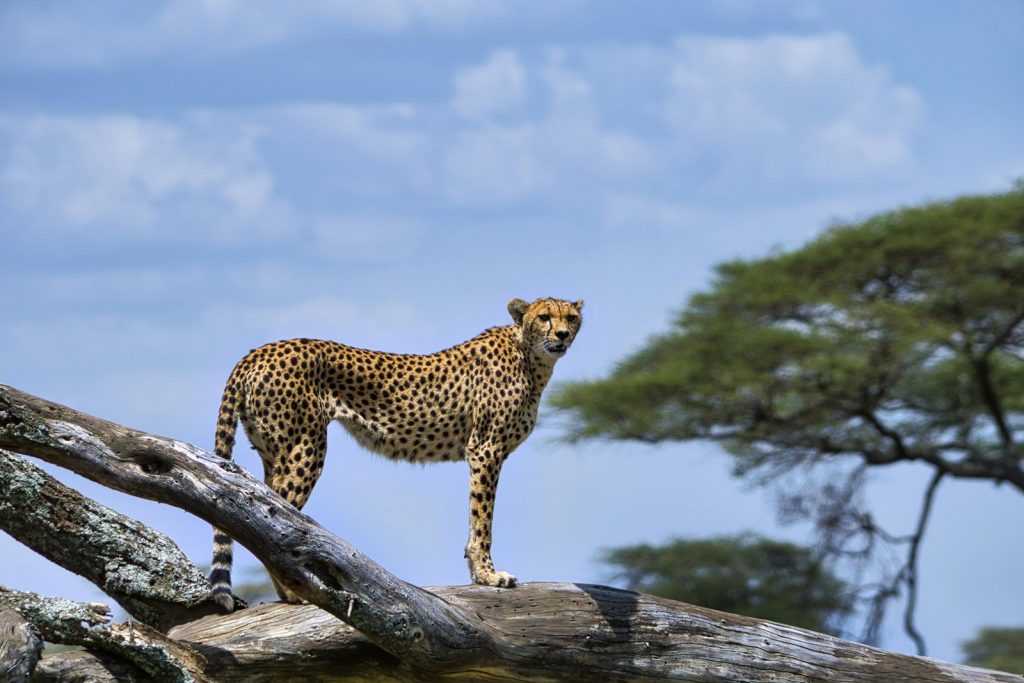
The IUCN currently lists the cheetah as Vulnerable with a decreasing population trend. Habitat loss, declining prey, illegal trade, fragmentation, and conflict with people all contribute to its conservation problems. Dramatic videos can make cheetahs look fearless or aggressive, but their real survival challenge is often finding enough connected habitat to hunt and avoid conflict. Giving wild cheetahs space is therefore more than a safety precaution. It allows an already pressured predator to use the avoidance behavior that evolution has made central to its survival.
Featured Image: Photo by jean wimmerlin on Unsplash