Burmese pythons and American alligators now share the Greater Everglades, creating rare encounters between two powerful predators. A large python can eat an alligator, but the best documented cases do not support the claim that pythons routinely swallow the biggest full grown adults. In 2009, researchers captured a python more than 15 feet long that had consumed an alligator measuring about six feet, a remarkable meal but far below maximum adult alligator size.
The relationship also works in the opposite direction. U.S. Geological Survey research has documented American alligators killing juvenile Burmese pythons. Relative size, position and opportunity matter greatly in these encounters, so there is no fixed predator and prey hierarchy. The larger ecological concern is that Burmese pythons are an invasive species established in southern Florida, where they consume many native animals and have become extremely difficult to detect and remove from the wetland landscape.
Pythons Can Swallow Large Prey
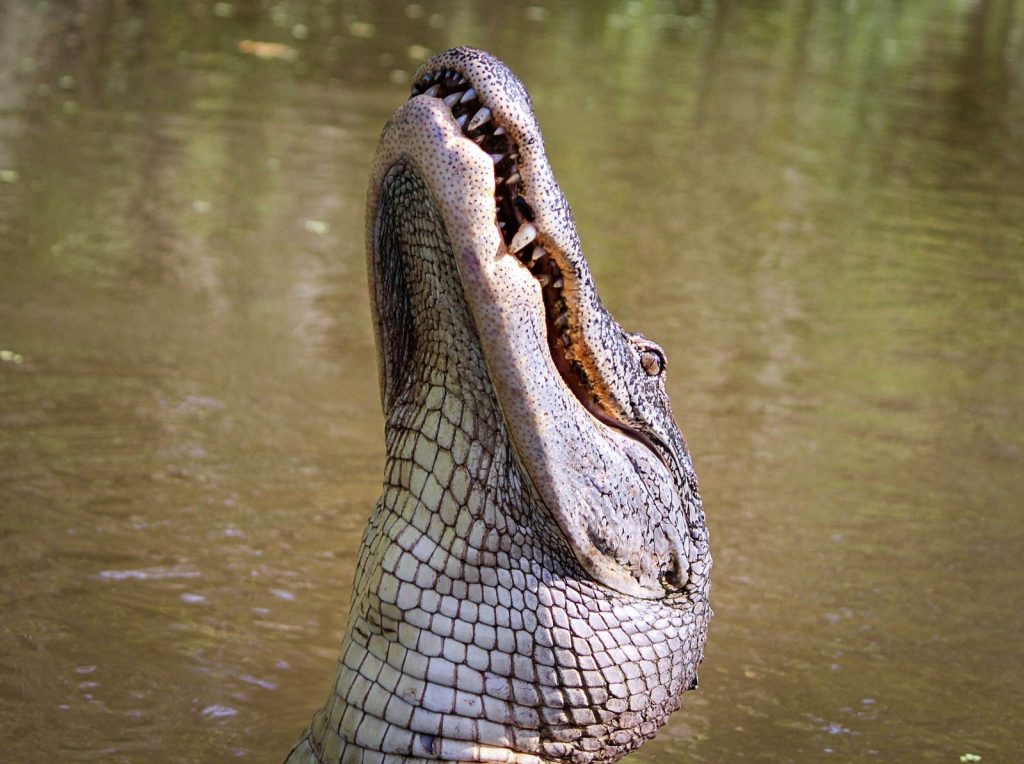
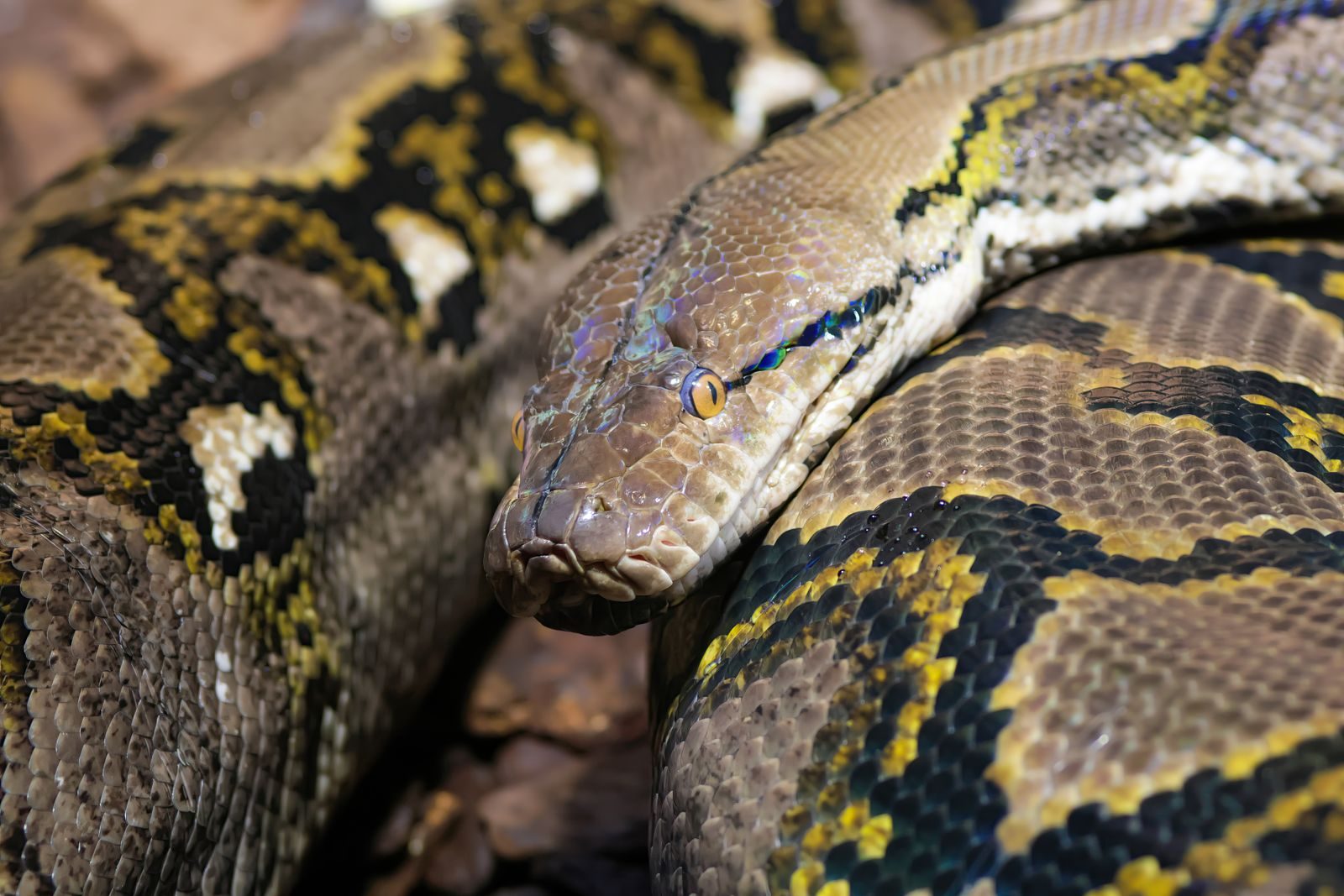
Burmese pythons can swallow prey much wider than their own heads because their skulls and jaws are highly mobile. They kill by constriction, then move the prey through the mouth and digestive tract whole. Everglades National Park notes that their diet in Florida includes mammals, birds and reptiles. Large prey is possible, but swallowing still has physical limits. A snake must first overpower the animal and then pass its entire body through the mouth, making relative size a crucial factor in whether an attack succeeds.
A Six Foot Alligator Was Swallowed
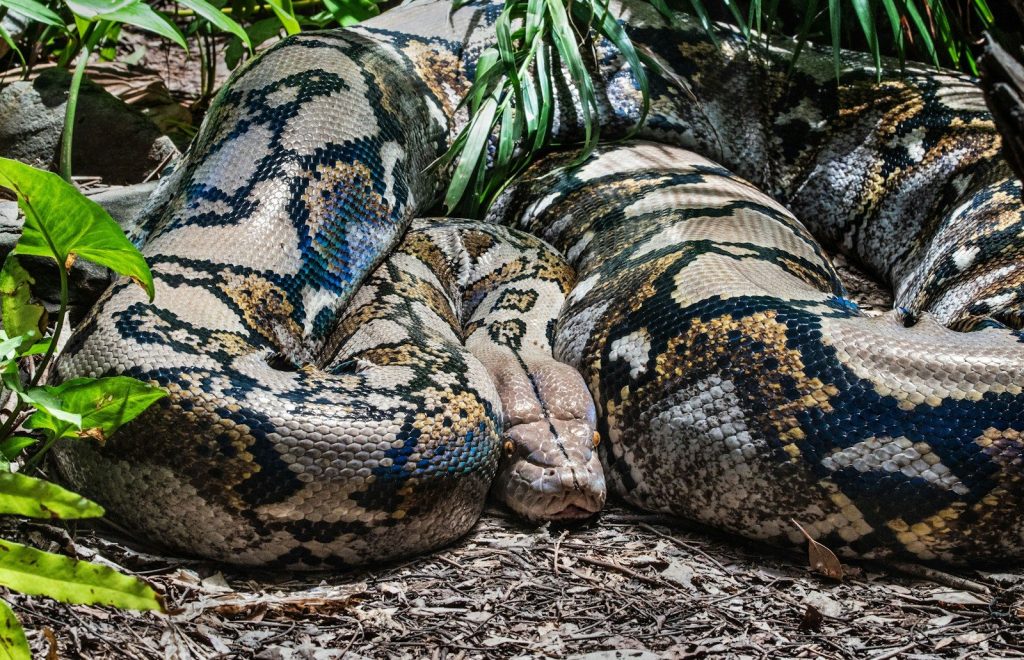
One of the clearest records comes from the U.S. Geological Survey. In 2009, researchers captured a Burmese python in the Everglades that weighed 162 pounds and measured more than 15 feet. Examination showed that it had eaten an American alligator about six feet long. That is strong evidence that a very large python can consume a substantial alligator. It does not show that pythons routinely swallow the largest adults, and that important distinction matters when describing the encounter accurately.
Full Grown Can Be Misleading
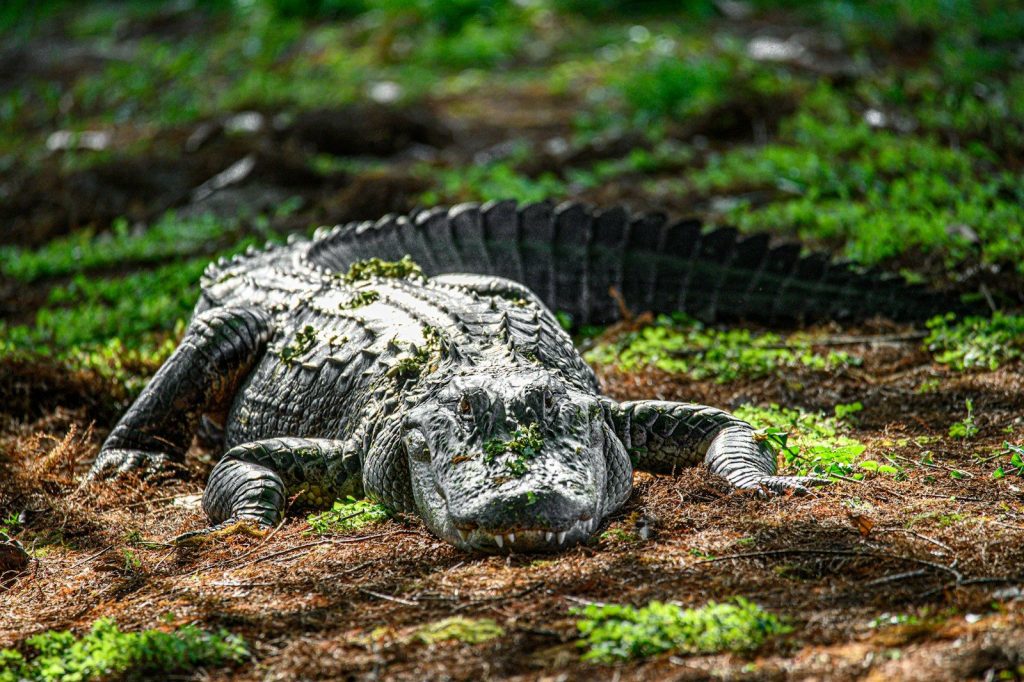
A six foot alligator can look enormous, but it is not close to the largest size the species can reach. Everglades National Park says adult males occasionally reach 13 to 15 feet, while females can reach about 10 feet. Alligators in South Florida tend to be somewhat smaller, yet the difference is still significant. Describing every six foot animal as a maximum sized adult overstates what the documented python case demonstrates. Predator prey comparisons make more sense when actual measurements are included.
Alligators Also Kill Pythons

Alligators can also turn Burmese pythons into prey. A 2023 U.S. Geological Survey study used radio tracking to investigate deaths of juvenile invasive pythons in Big Cypress National Preserve. Five American alligators were implicated in python mortalities, along with several other native predators. The finding shows that Florida wildlife is incorporating young pythons into existing food webs. It also reinforces a simple rule: the outcome of an alligator and python encounter depends strongly on which animal is larger and which gains control first.
The Famous Ruptured Python Was Unusual
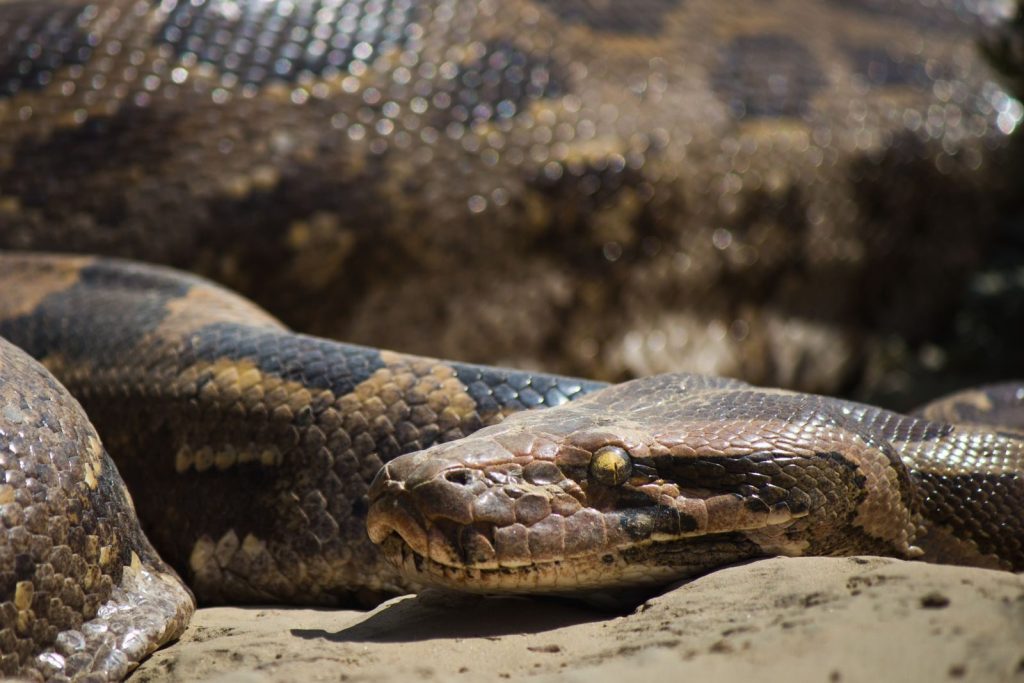
The famous image of a ruptured python containing an alligator made these encounters seem almost mythical, but unusual photographs should not be treated as the normal outcome. National Geographic reported that the dead python was found in 2005 with a roughly six foot alligator protruding from its body, while alternative explanations for the snake’s death were also discussed. Scientific records are more useful when they provide measured animals and examination results. The broader evidence shows reciprocal predation, not one guaranteed winner.
The Python Is an Invasive Predator
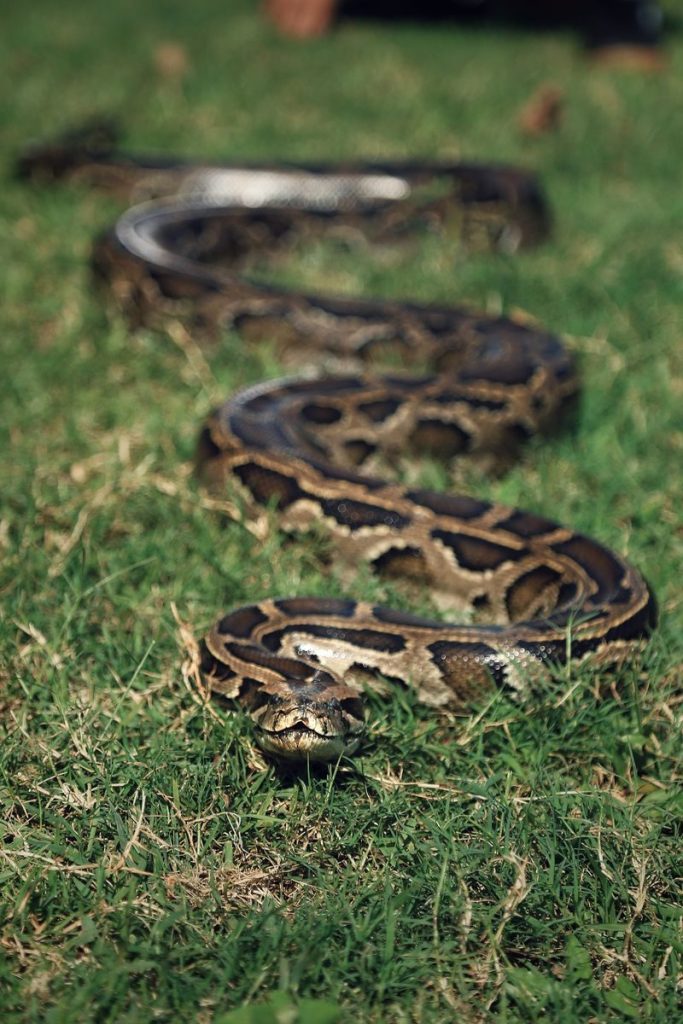
These encounters occur because Burmese pythons are not native to Florida. Everglades National Park says the population became established after captive animals were intentionally or accidentally released. Their camouflage, secretive behavior and ability to use difficult wetland habitat make them exceptionally hard to find. Once established, removal becomes expensive and incomplete. The snake’s ability to eat mammals, birds and reptiles means its ecological influence extends far beyond spectacular clashes with alligators, which represent only one part of its broad diet.
Native Wildlife Has Declined

Research has linked established Burmese python populations with severe declines in several mammal species in parts of the Everglades. The snakes can consume prey ranging from small rodents to animals far heavier than themselves, and researchers continue studying how those losses affect the wider food web. This is why wildlife agencies focus on detection, removal and research rather than treating python encounters as entertainment. The important story is not simply that one reptile ate another, but that an invasive predator is reshaping native ecological relationships.
There Is No Guaranteed Winner

A python can successfully eat an alligator when the size and circumstances favor the snake, and an alligator can kill a python when the advantage runs the other way. The 2009 six foot alligator record is extraordinary enough without calling the prey a maximum sized adult. Accurate measurements make the story more interesting because they reveal how extreme the feeding event actually was. In the Everglades, there is no guaranteed winner, only a changing relationship between a native predator and a powerful invasive one.
Featured Image: Photo by Erdal Erdal on Pexels