Albino animals attract attention because their usual body colors are reduced or absent. Albinism is a genetic condition involving little or no melanin, a pigment that contributes to normal coloration in skin, hair, feathers and eyes. It can occur in many animal groups, including mammals, birds, reptiles and fish. True albinism is uncommon in the wild, and its pale appearance can create challenges with camouflage, sunlight and vision depending on the species.
Not every white animal is albino. Leucism can also produce pale or white fur and feathers, but it does not affect pigmentation in exactly the same way. In birds, for example, Audubon notes that true albinos often have pink or reddish eyes, while leucistic birds usually retain normal eye color. The following examples focus on documented cases of albinism and show how one genetic condition can look very different across the animal kingdom.
Albino American Alligators

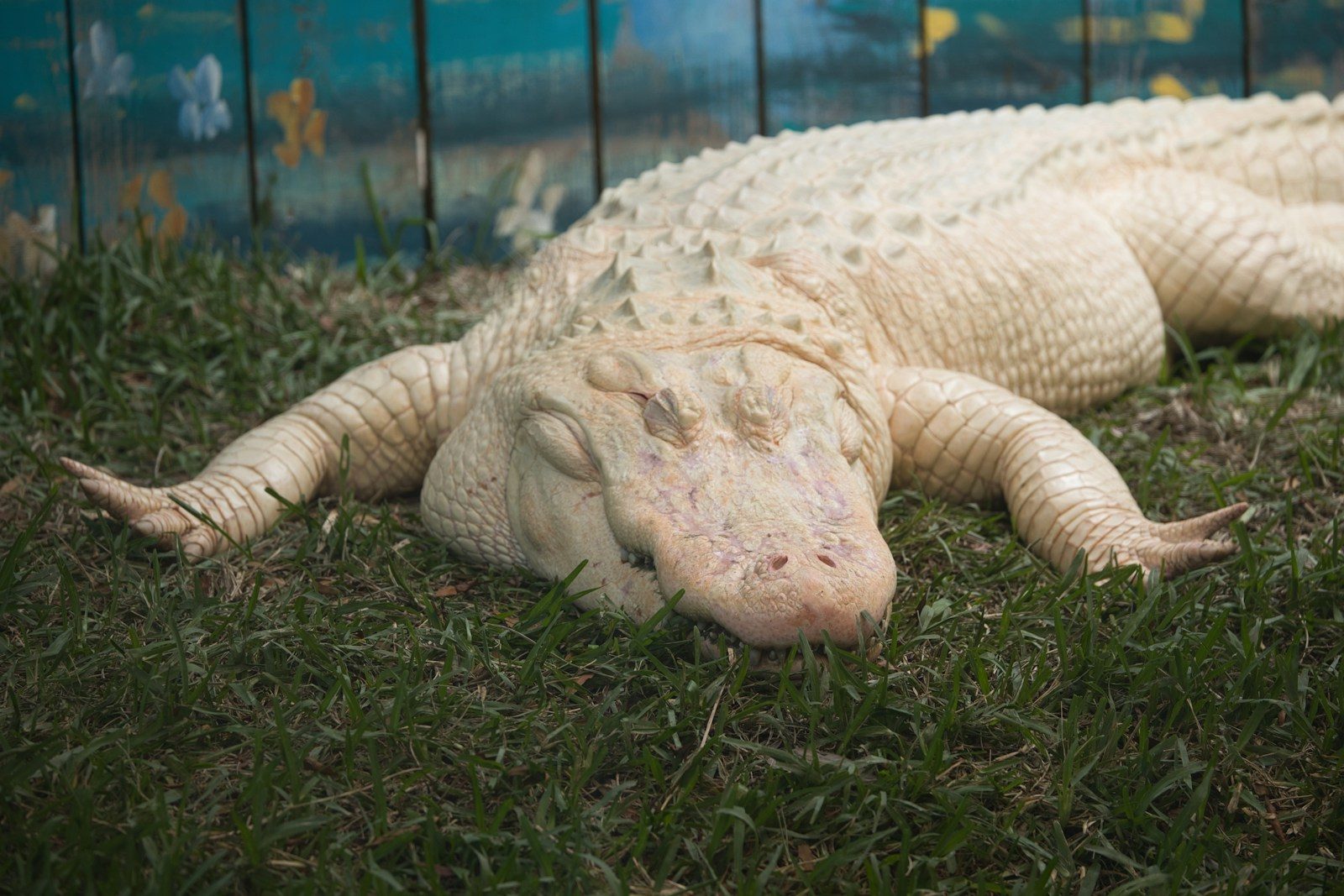
American alligators with albinism have pale skin and lack the dark coloration typical of the species. St. Augustine Alligator Farm identifies albino American alligators in its collection and notes that they are biologically the same species as normally colored animals. Their appearance is striking, but it removes much of the camouflage a wild alligator normally has in murky water and vegetation. Pale skin and eyes can also increase sensitivity to sunlight, making managed shade and veterinary care especially important for albino individuals kept in zoos.
Albino White Tailed Deer

The U.S. Fish and Wildlife Service has documented a true albino white tailed deer with solid white coloration and pink eyes, nose and hooves. Those details are important because white deer are not automatically albino. Some are leucistic or piebald and retain normal pigment in the eyes or parts of the coat. In a wild setting, a completely white deer can be far more visible than its normally colored neighbors. That lack of camouflage may affect how easily predators and people notice the animal.
Alba the Albino Orangutan
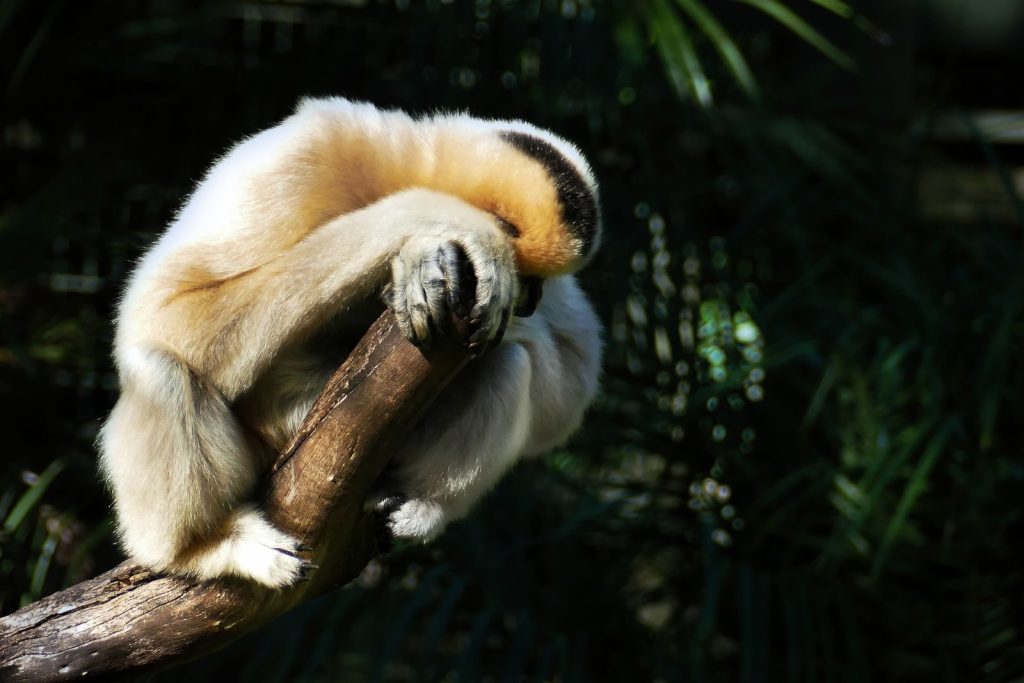
Alba became internationally known after being identified as an albino Bornean orangutan in Indonesia. The Borneo Orangutan Survival Foundation rescued her in 2017 and released her into Bukit Baka Bukit Raya National Park in December 2018 after rehabilitation. Follow up monitoring reported that she was moving, feeding, nesting and living independently in the forest. Her story is important because it shows that albinism does not automatically prevent a wild animal from functioning successfully when health, habitat and individual behavior allow it.
Albino Chital in Nepal

Researchers in Nepal have documented albino chital, also known as spotted deer, in protected landscapes. A 2023 paper reported the first photographic record of an albino chital from a buffer zone community forest of Chitwan National Park. Another study documented a similar record in Bardia National Park. The contrast is especially dramatic because normal chital have reddish brown coats covered with white spots. These reports are valuable because verified wild records of albinism help researchers separate genuine cases from misidentified leucistic animals.
Albino Channel Catfish

Albinism also occurs in fish. Smithsonian’s National Zoo notes that channel catfish can carry recessive alleles that produce a lack of normal pigmentation. Albino channel catfish have a peach colored appearance rather than the usual gray blue body with a darker back. The trait is rare in the wild but can be maintained more easily in managed populations where individuals are deliberately bred. This example shows that albinism is not limited to land animals and can appear through inherited genetic variants in aquatic species too.
Albino Birds Can Be Misidentified

Birds are a useful example of why identification requires more than noticing white feathers. Audubon explains that true albinism involves a lack of melanin and often produces pink or red eyes. Leucistic birds, by contrast, can have white or patchy feathers while retaining normally colored eyes and other body parts. Some albino birds may still show colors produced by pigments other than melanin. A bright white bird in a photograph can therefore be unusual without necessarily meeting the biological definition of an albino animal.
Albinism Can Bring Challenges

Albinism can create practical disadvantages in the wild. Reduced pigment may make an animal easier for predators or prey to detect, especially in habitats where normal coloration provides concealment. Melanin also plays an important role in eye development, so some albino animals have impaired vision or strong light sensitivity. Pale skin may be more vulnerable to sunlight as well. These effects vary among species and individuals, which is why albinism should not be treated as a single outcome that guarantees either poor health or early death.
Albinism and Leucism Are Different
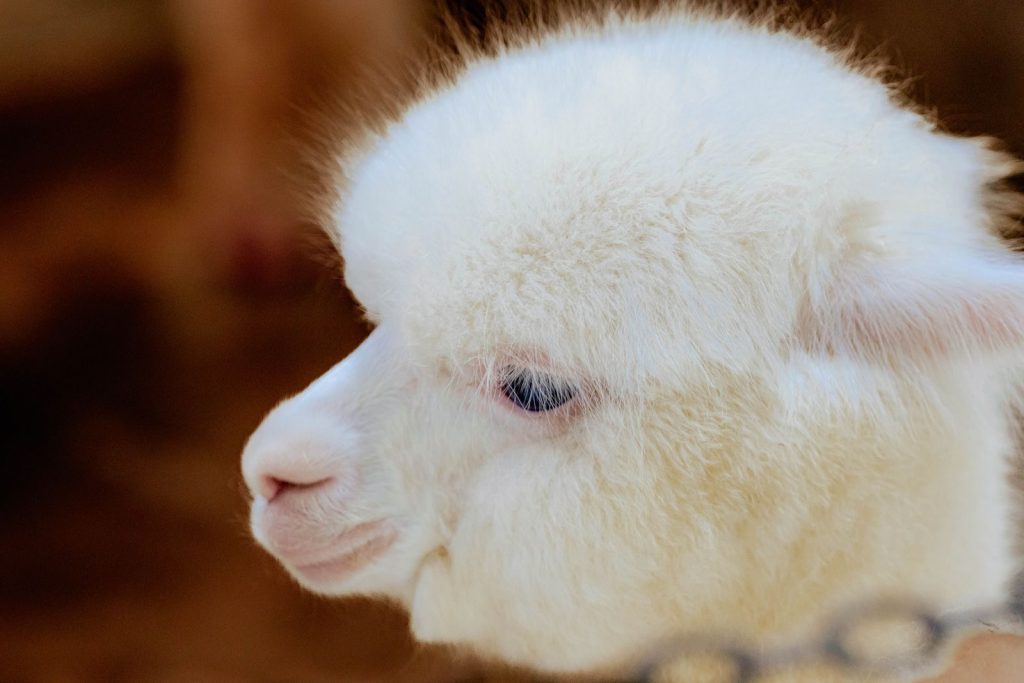
The easiest mistake is to call every unusually white animal albino. True albinism, leucism and piebald coloration can all create pale appearances, but they have different biological causes and patterns. Eye color is often a useful clue, especially in birds and mammals, although identification can still require expert assessment. The safest approach is to describe what is visible and rely on verified records when possible. Rare coloration is fascinating on its own, and accurate terminology makes the animal’s story more informative rather than less impressive.
Featured Image: Photo by David Valentine on Unsplash