Wild foxes sometimes enter gardens, sheds and even houses, but that does not mean they are becoming household pets. Urban foxes are highly adaptable and quickly learn where food and shelter are easy to find. Local authorities in the United Kingdom specifically warn that very tame foxes may enter homes through cat flaps while searching for food. The behavior is better explained by opportunity and habituation than by a desire to live like a domestic dog.
Recent wildlife reporting has also challenged the idea that friendly urban foxes are self domesticating. Experts interviewed by National Geographic in 2025 explained that repeated harmless contact with people can reduce fear without producing true domestication. A fox may become comfortable around a particular garden, food source or person while remaining biologically wild. Keeping boundaries matters because regular feeding and close contact can make an animal bolder, increase conflict and create risks for both the fox and nearby residents.
Foxes Adapt Well to Cities
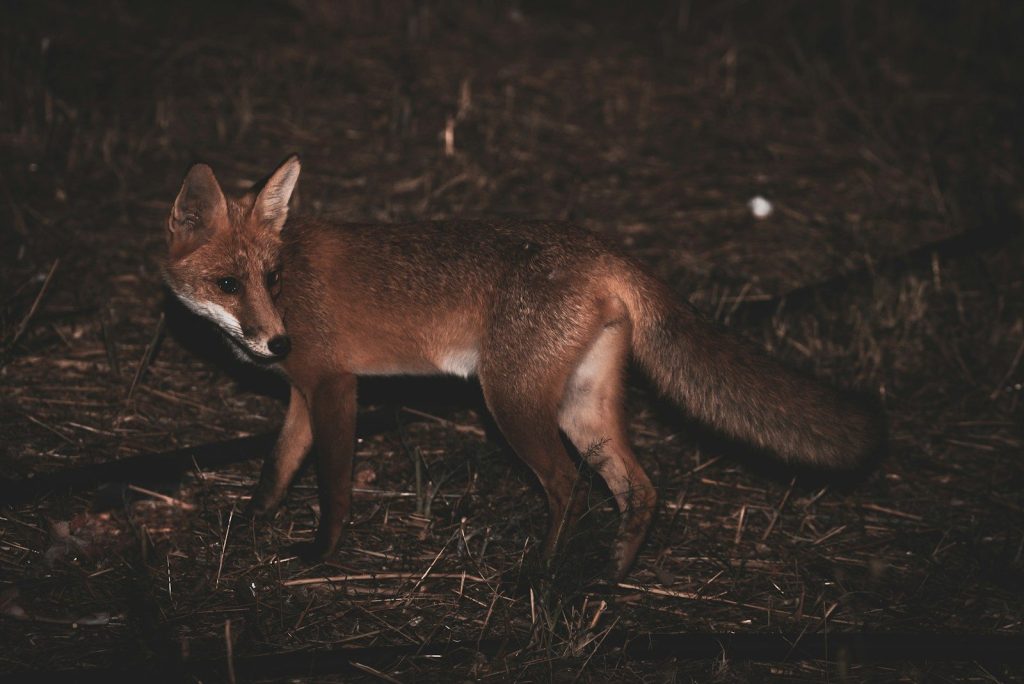
Foxes adapt well to cities because urban areas provide food, shelter and connected spaces for movement. The RSPCA notes that red foxes use gardens, parks, waste food and spaces beneath sheds or other structures. They are omnivores that naturally eat rodents, birds, worms, fruit and carrion, so a city offers many familiar resources in a concentrated area. A fox appearing repeatedly near a house may simply be using part of its established territory rather than seeking human companionship or trying to become a pet.
Easy Food Brings Them Back

Easy food can teach a fox to return to the same property. Unsecured rubbish, fallen fruit, compost, bird food and pet food can all provide a reward for approaching homes. The RSPCA advises against hand feeding because a fox may become unusually confident and start expecting food from other people. That can create problems when neighbors react differently. Responsible coexistence means reducing accidental food rewards when a fox is becoming too bold, while allowing the animal to continue finding natural food across its wider territory.
Cat Flaps Can Become Entrances
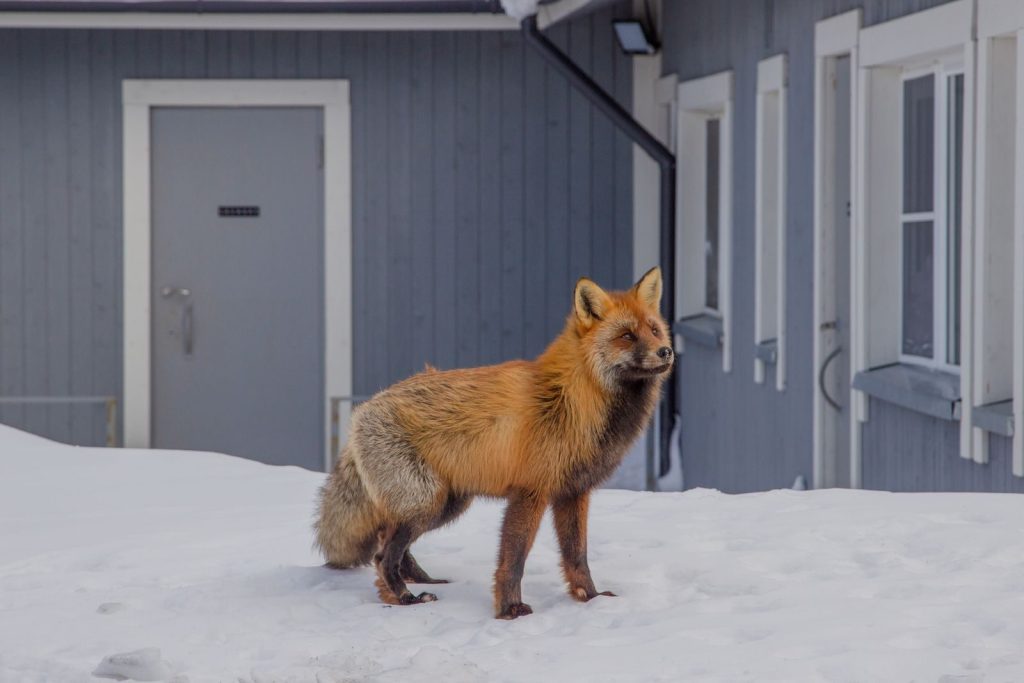
Cat flaps and open doors can turn curiosity into an indoor encounter. Hastings Borough Council’s urban fox guidance notes that tame foxes sometimes enter houses through cat flaps while searching for food. If the animal panics and cannot find its exit, it may cause considerable damage while trying to escape. The simplest prevention is to control access, especially at night. Microchip or collar activated pet doors, closed ground floor windows and secure external doors can reduce the chance that wildlife enters unexpectedly.
Habituation Is Not Domestication

A fox that tolerates people is not automatically domesticated. National Geographic reported in 2025 that animal behavior experts describe many friendly urban foxes as habituated. Habituation occurs when repeated exposure to people brings no negative consequence, so the animal becomes less fearful. Domestication is a much deeper process involving inherited changes across generations. One bold fox approaching a hand or playing near a house does not show that the species is turning into a pet. It shows that individual wildlife can learn from experience.
Do Not Pet Wild Foxes
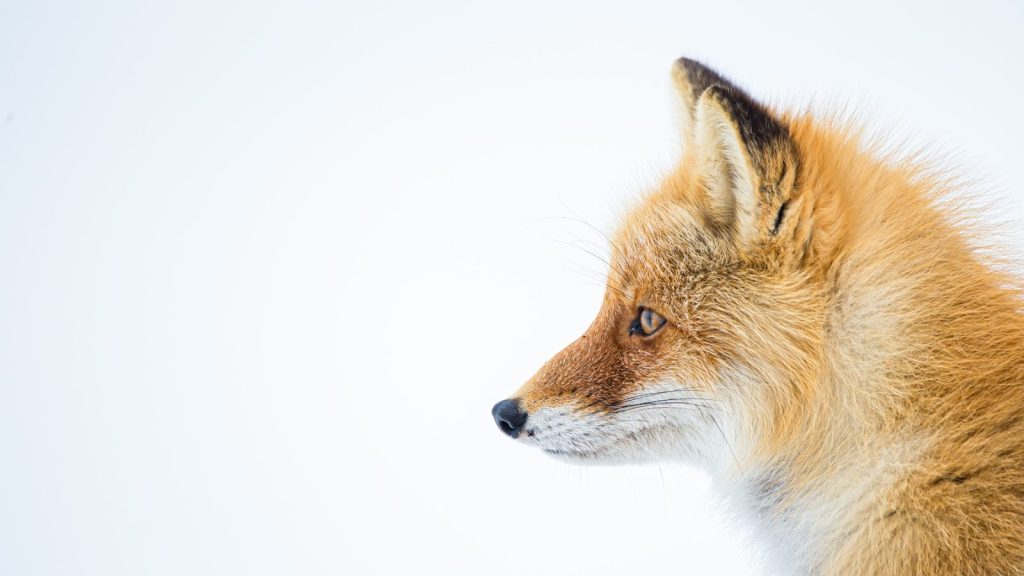
People should not try to pet or hand feed a wild fox, even when it appears calm. The RSPCA notes that foxes are generally shy and serious incidents involving people are rare, but a frightened or cornered animal may bite or scratch. Close contact can also encourage the fox to approach strangers who may react aggressively. Watching from a distance protects both sides. The goal is not to make an urban fox fear for its life, but to preserve enough caution that normal wildlife boundaries remain intact.
Foxes May Shelter Under Buildings
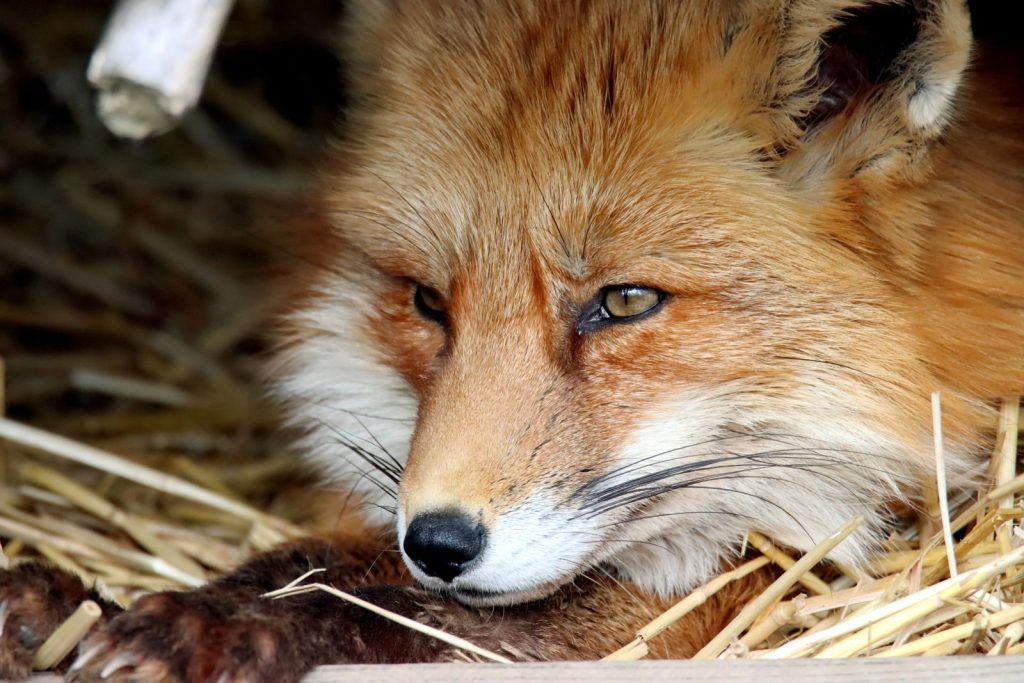
Foxes may use spaces beneath sheds, garages or houses because these areas provide dry, sheltered resting or breeding sites. Local council guidance recommends blocking access only after confirming that no animals, especially cubs, are trapped inside. Heavy duty mesh can prevent reentry once a space is genuinely vacant. Closing holes too early can create a welfare problem by separating a mother from young or trapping animals underground. Prevention works best when property maintenance is combined with an understanding of the fox breeding season.
Give an Indoor Fox an Exit
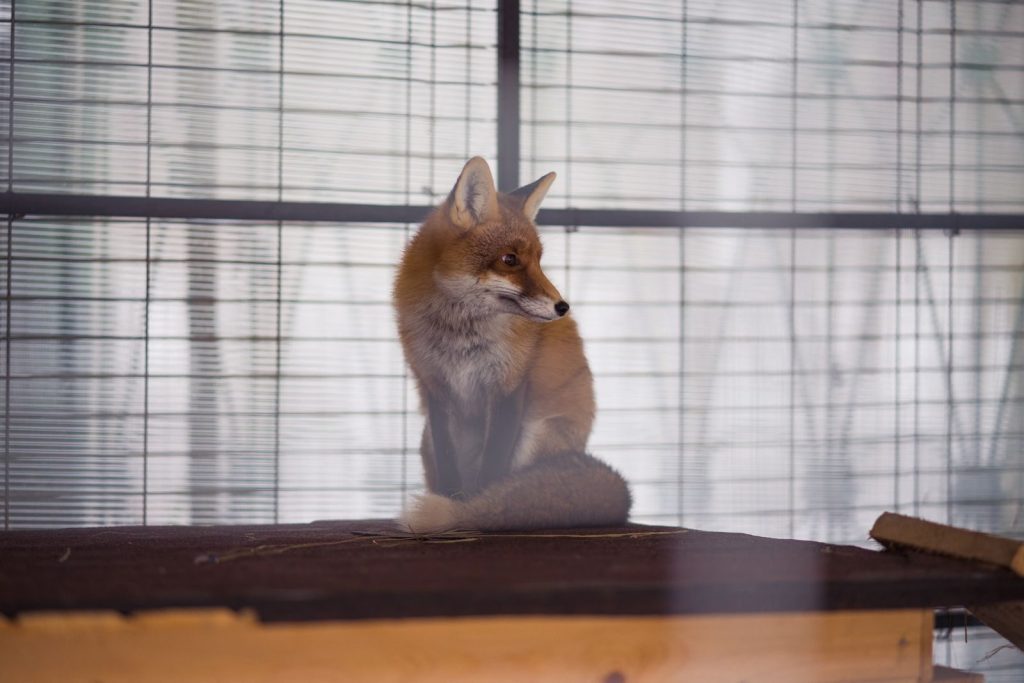
If a fox actually enters a room, chasing or grabbing it can make the situation worse. The priority is to give the animal a clear route back outside, keep people and pets away and avoid cornering it. If the fox appears injured, trapped or unable to leave safely, local wildlife rescue or animal control professionals can provide appropriate help. Unusual boldness alone does not diagnose disease. Safe decisions should be based on the animal’s condition and behavior, not assumptions that every fox near people is sick or aggressive.
Keep the Relationship Wild
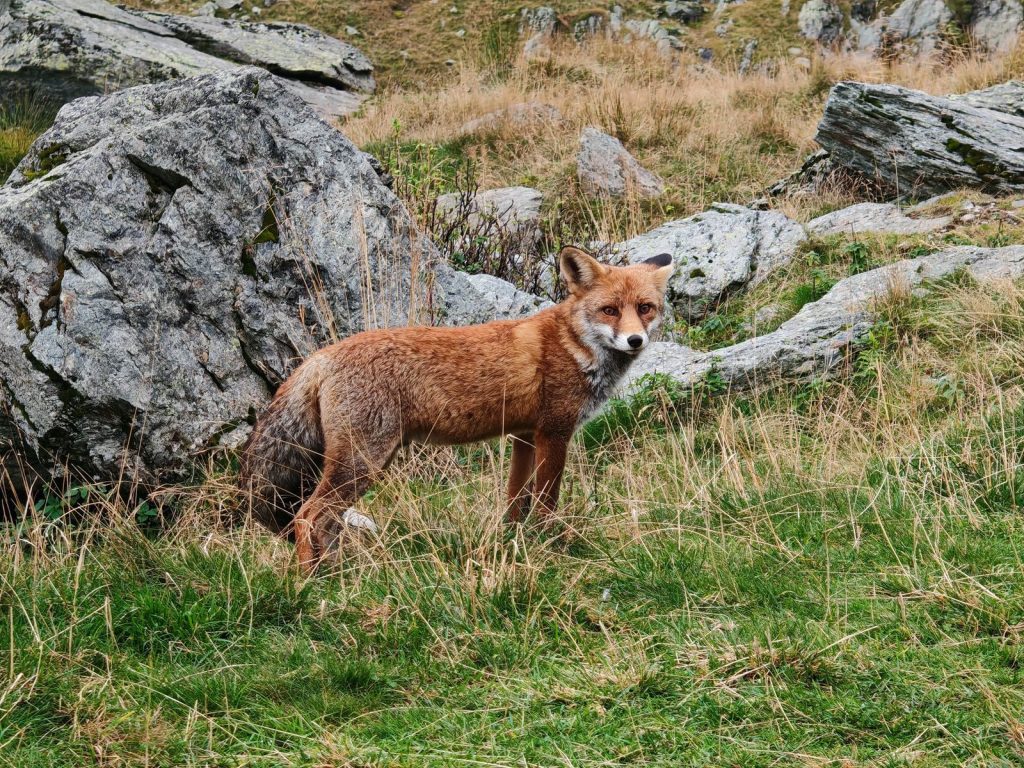
The best long term approach is to make homes less rewarding without treating foxes as enemies. Secure bins, bring pet food indoors, manage fallen fruit, close access points and use wildlife resistant pet doors where needed. Urban foxes can live alongside people successfully when they still find most of their needs without direct human contact. A fox entering a home is an unusual extension of ordinary scavenging and shelter seeking behavior. Restoring a little distance usually protects the animal better than trying to turn that curiosity into friendship.
Featured Image: Photo by Richard Dowling on Unsplash