Wild animals have evolved sophisticated communication systems to survive in environments filled with dangerous threats. While we often walk through nature completely unaware, wild creatures constantly observe us. They share detailed warnings about our movements through chemical signals, visual displays, and highly specific vocalizations.
Many species can specifically identify humans and distinguish us from natural forest predators. In this slideshow, we explore nine remarkable ways different animal species sound the alarm when people are nearby, proving that the wilderness is always actively speaking and watching our every step.
Prairie Dog Syntax
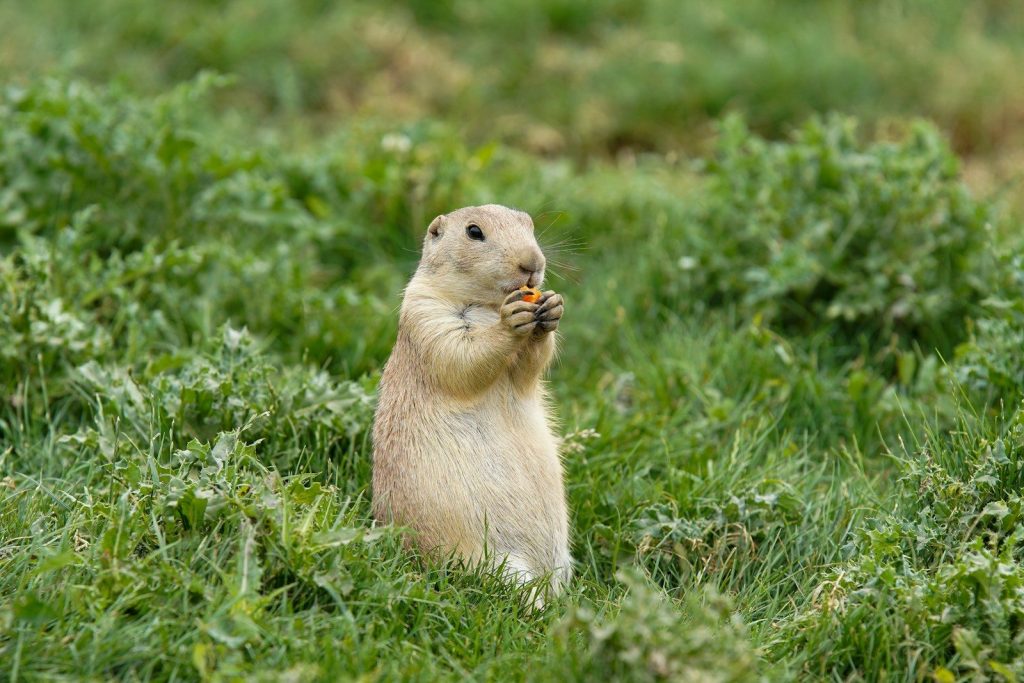
Prairie dogs possess one of the most complex vocal languages ever studied in the animal kingdom. Research has revealed that their high-pitched chirps are not simple panic noises, but detailed descriptions. By varying the pitch and rhythm, they can communicate that a tall human in a blue shirt is approaching quickly. This incredibly precise warning allows the colony to know exactly how to react, whether they need to dive deep into their underground tunnels or simply keep a watchful eye on us.
Chickadee Alarm Syllables

Black-capped chickadees use their famous chick-a-dee-dee alarm call to communicate the exact threat level of nearby predators. Scientists have discovered that they add more dee syllables at the end of their call when the danger is high. An approaching human causes a flurry of extra syllables, alerting all nearby birds of a threat. This simple songbird warning is also understood by other forest dwellers like nuthatches and squirrels, who immediately take defensive cover inside the thick forest trees to avoid potential danger.
Elephant Low Rumble

African elephants have developed a specific, low-frequency acoustic warning call that translates directly to human. When they spot people approaching, they emit a deep rumble that can travel for miles through the ground. Other elephants detect these vibrations through their sensitive feet and immediately prepare to flee or defend their calves. Remarkably, this rumble is entirely different from the alarm call they use to warn each other about bees, proving their communication is highly specific, highly advanced, and truly incredible.
Vervet Monkey Bark

Vervet monkeys are famous for having distinct alarm calls for different types of predators. They use a specific bark when they spot a human or an approaching dog, which is completely different from their eagle or leopard calls. When the colony hears the human alarm, they immediately head into the highest branches of nearby trees. This behavioral distinction is crucial, as climbing a tree protects them from ground threats but would make them easy targets for an aerial eagle if they were not extremely careful.
Crow Facial Recognition

Crows and ravens do not just sound alarms; they also remember the faces of specific humans who have threatened them. When a marked human walks by, these highly intelligent birds emit loud, harsh scolding calls. This noisy mobbing behavior attracts other crows to join in the harassment, making the target’s presence obvious to everyone. Amazingly, crows pass this knowledge to their offspring and neighbors, ensuring that a dangerous human is recognized and feared for many years in that specific area of the local forest.
Squirrel Mechanical Chatter

Red squirrels use a combination of physical movements and mechanical chatter to warn the forest about human hikers. When they spot a person, they stamp their feet, flick their tails rapidly, and emit a series of loud, rapid scabs. This visual and auditory display makes it impossible for a human to go unnoticed. The squirrel’s loud protests act as a universal alarm system, causing birds to stop singing and other small mammals to hide in safety until the human has fully departed the local territory.
Meerkat Sentinel Whistles

Meerkats live in organized underground colonies and rely on a strict sentry system for their safety. One designated sentinel stands on its hind legs on a high mound to watch for danger while others forage. If a human approaches, the sentry emits specific, urgent whistle barks that indicate the distance and speed of the threat. Upon hearing this distinct signal, the foraging group immediately drops what they are doing and runs straight into the nearest protective bolt hole under the hot and blazing desert sun.
Bee Chemical Waves
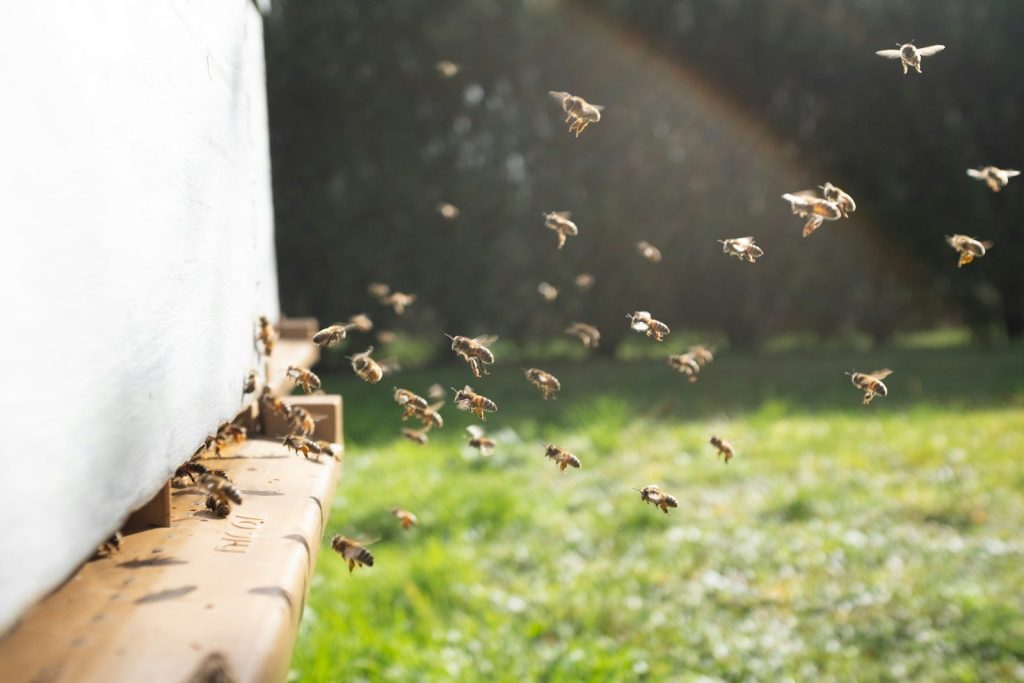
Honeybees use chemical communication to defend their hive when a human or large predator approaches too closely. Guard bees release specific alarm pheromones that smell like bananas, signaling a state of high alert to the colony. To reinforce the message, bees perform a headbutting vibration, known as the stop signal, to warn foragers to stay inside the hive. This coordinated chemical and physical alarm system allows the bees to organize a unified, defensive swarm to protect their precious queen bee from any potential outside attacks.
Deer Tail Flagging

White-tailed deer use a highly visible visual alarm known as tail flagging to warn their herd about humans. When a deer senses an approaching hunter, it raises its tail, exposing the bright white underside like a warning flag. They combine this visual display with a loud, forceful snorting sound made by blowing air through their nostrils. This dual warning tells other deer to flee immediately, while also letting the human know that their stealthy approach has failed completely in the wild forest environment today.
Featured Image: Photo by Bradley Singleton on Unsplash