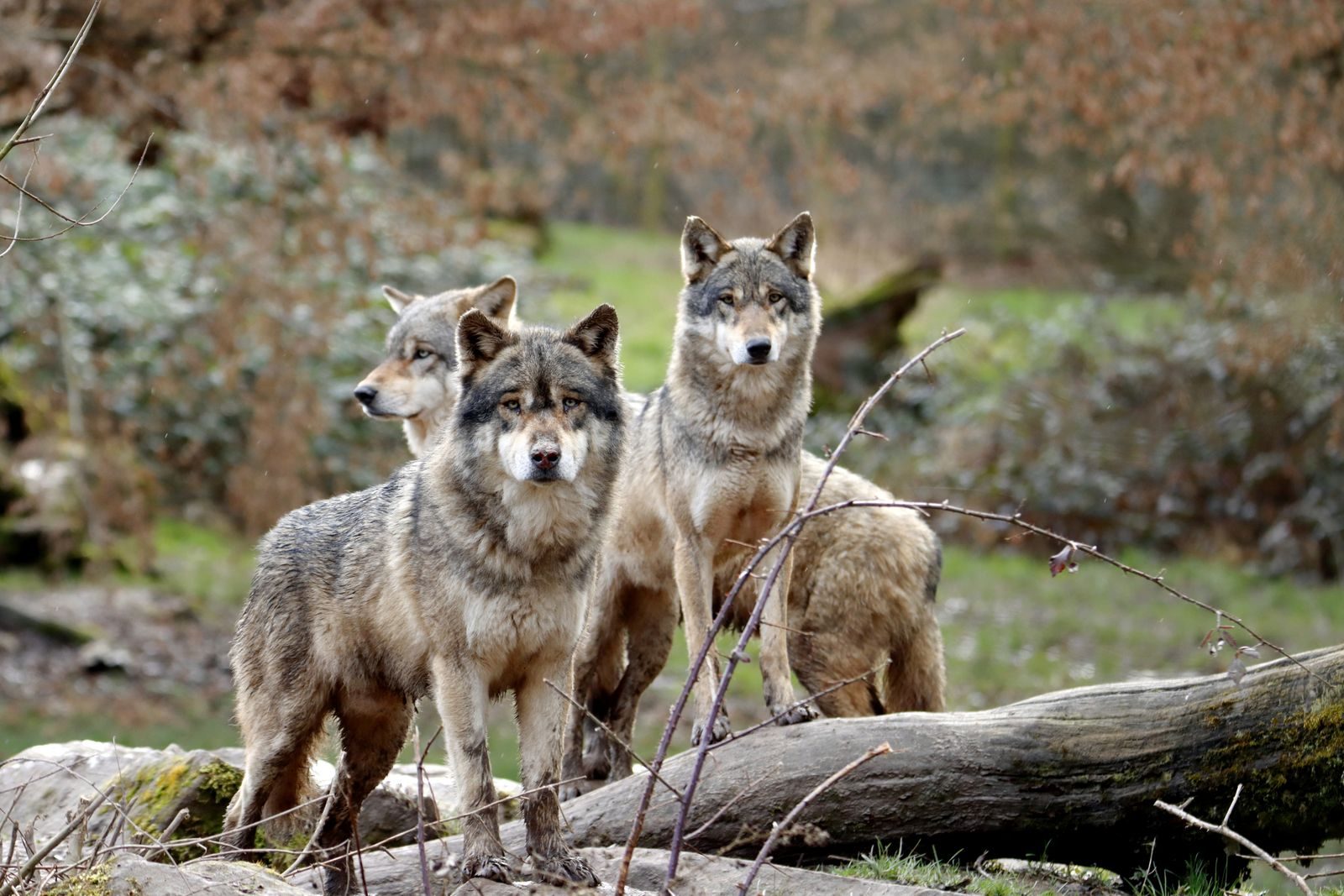
The famous story about America releasing 31 wolves refers to Yellowstone National Park’s 1995 and 1996 reintroduction program. Fourteen gray wolves from western Canada arrived in 1995, followed by 17 more in 1996. They were temporarily held in acclimation pens before release. The project successfully restored a breeding wolf population, but the ecological effects that followed are more complicated than viral claims suggesting wolves single handedly transformed every plant, animal and river in the park.
Thirty years later, wolves remain an important part of Yellowstone’s food web. The National Park Service reported at least 84 wolves in eight packs inside the park in January 2026. Their return has influenced elk, coyotes, scavengers and other ecological relationships. Scientists also continue to debate the size and mechanisms of the resulting trophic cascade because vegetation, water, hunting, other predators and climate all changed during the same period. The wolf story is powerful without simplifying those interacting causes.
The 31 Wolves Came in Two Years

Yellowstone’s reintroduction happened in two main Canadian releases. The National Park Service records 14 wolves arriving in January 1995 and another 17 in January 1996, for a total of 31. Social groups were kept together in acclimation pens before entering the park. The broader regional restoration also included wolves released in central Idaho, and Yellowstone received 10 additional wolves from northwestern Montana in 1997. The well known number 31 therefore refers specifically to the Canadian wolves relocated to Yellowstone during 1995 and 1996.
The Population Became Established
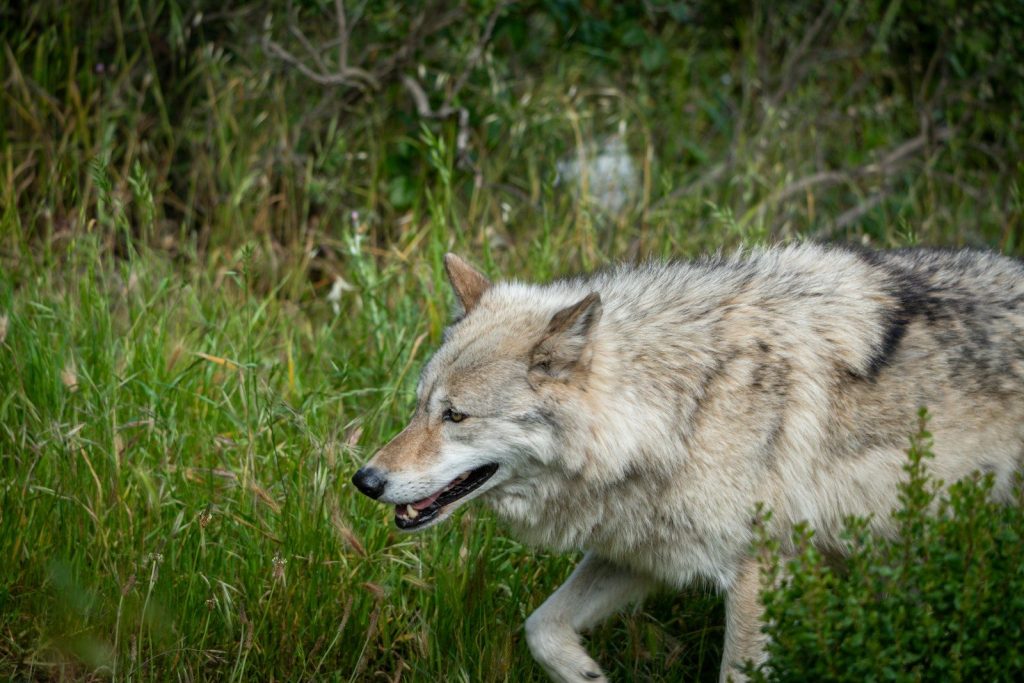
The restored population established itself quickly enough that continued Canadian translocations were not needed. Wolf numbers later rose and fell as births, deaths, disease, dispersal, territory and prey availability changed. As of January 2026, the National Park Service counted at least 84 wolves in eight packs within Yellowstone. Managers do not maintain one fixed target number inside the park. Instead, they monitor population size, pack structure, genetics, disease and natural processes while the Yellowstone wolves remain connected to a larger regional population.
Elk Changed for Several Reasons

Elk became the most important prey for Yellowstone wolves, especially during winter, and wolf predation contributed to changes in elk numbers and behavior. However, the National Park Service stresses that wolves were not acting alone. Human hunting outside the park, drought, winter severity, bears, cougars and changing forage also affected elk. That makes the simple statement that wolves reduced the elk incomplete. The northern Yellowstone ecosystem contains several predators and environmental pressures, and their combined effects changed through time after wolf restoration.
Coyotes Felt the Wolves’ Return
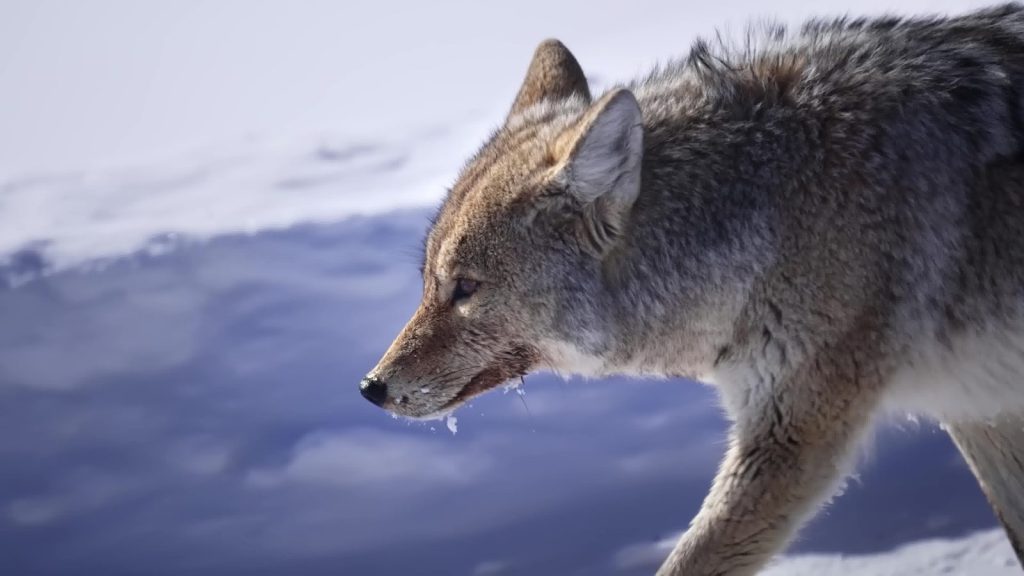
Coyotes showed one of the clearest responses to wolf restoration. Wolves compete with coyotes and sometimes kill them, especially around carcasses and territories. National Park Service research has documented substantial effects on coyotes after wolves returned, followed by later adjustment as the system changed. This illustrates an important ecological effect that does not require a dramatic river story. Restoring one large carnivore can alter the abundance, distribution and behavior of another predator that already occupies the same food web.
Wolf Kills Feed Other Animals
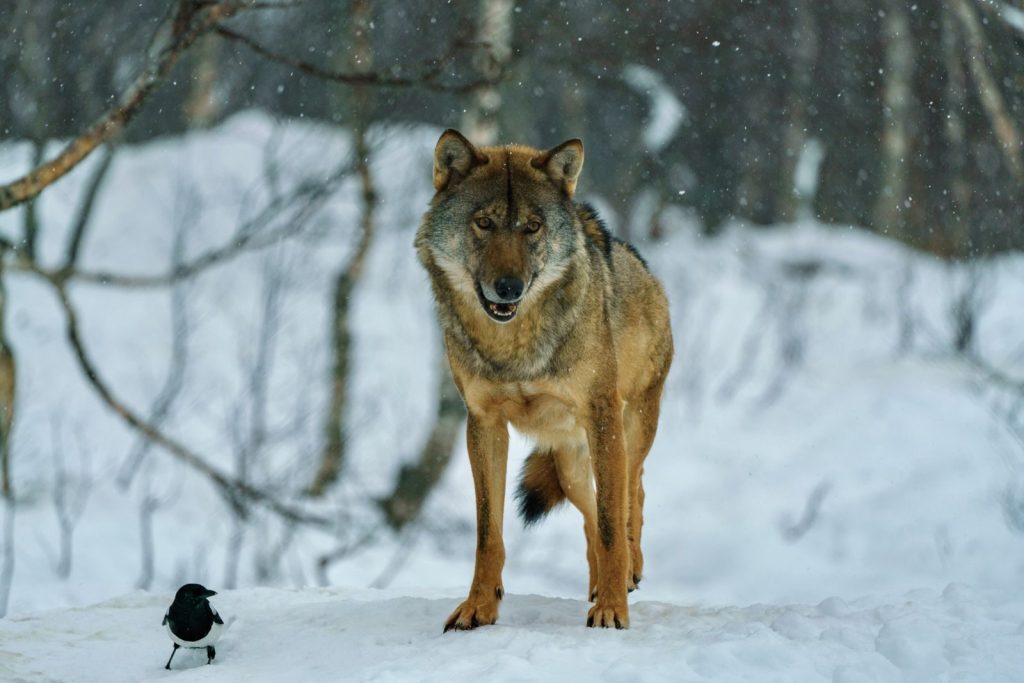
Wolf kills also provide food for many animals that never participate in the hunt. Ravens, eagles, magpies, coyotes, bears and smaller scavengers can feed on remains left after wolves kill elk or other prey. Carcasses therefore redistribute nutrients and energy across the landscape. This effect is well supported and helps explain why an apex predator influences more species than the prey it directly kills. A wolf pack may leave a carcass, but the ecological value can continue as other vertebrates, insects and decomposers use it.
Willows Are Part of a Debate
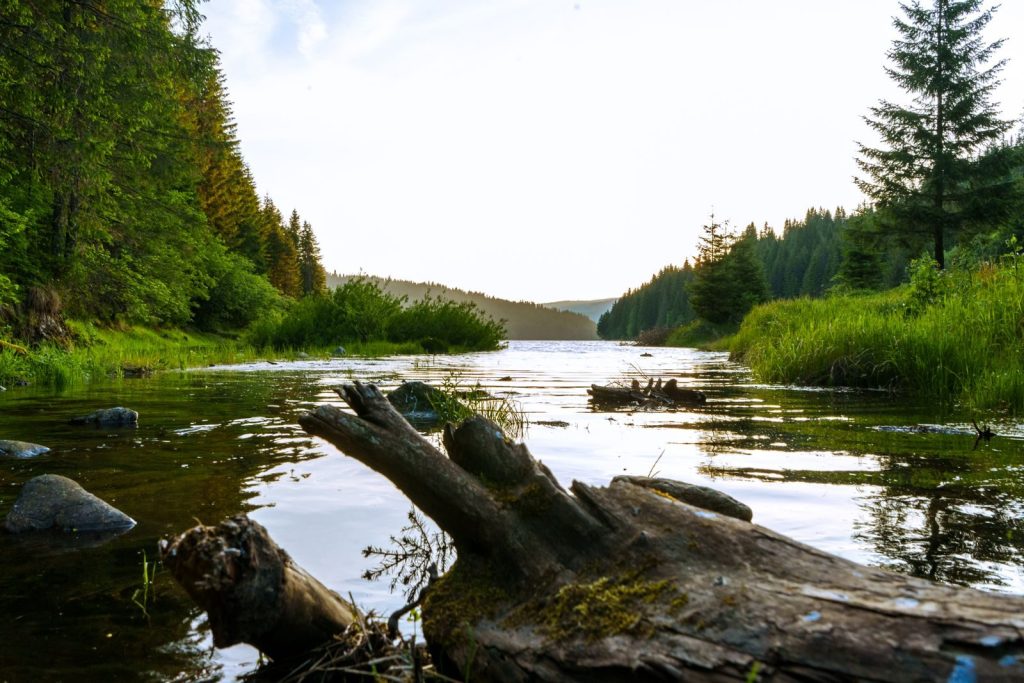
Willows and aspens are central to the debate over Yellowstone’s trophic cascade. Many studies found increased growth of woody plants after wolf recovery and reduced elk browsing, but scientists disagree about how much of that change should be attributed directly to wolves. The National Park Service notes that water availability, elk abundance, beavers, cougars, bears and human hunting also matter. Some sites responded strongly while others did not. The evidence supports wolf influence, but not a simple park wide chain reaction with one cause.
The River Claim Is Too Simple

The claim that wolves changed Yellowstone’s rivers is a dramatic summary of a much more cautious scientific discussion. Vegetation can stabilize banks and support beavers, so predator driven changes could contribute indirectly to stream conditions in some places. However, Yellowstone was not a controlled experiment, and many environmental variables changed together. The National Park Service explicitly describes trophic cascades there as an area of scientific debate. It is safer to say wolves helped alter ecological relationships than to claim they alone redesigned the park’s rivers.
What the Restoration Achieved

The strongest conclusion after three decades is that wolf restoration successfully returned a native top predator to Yellowstone and created a functioning population that still persists. The consequences include direct predation, competition with other carnivores, food for scavengers and possible cascading effects on vegetation. Those results are significant without exaggeration. Yellowstone did not become a new ecosystem because of wolves alone. Instead, one missing ecological force returned, then interacted with prey, plants, water, climate, other predators and human management across a changing landscape.
Featured Image: Photo by patrice schoefolt on Pexels