High above Nepal’s Tama Koshi River, a 2021 Associated Press photo report documented a team of honey hunters working on steep cliffs in Dolakha. Their target was wild honey stored in exposed cliff hives, but reaching it required hours of mountain travel, handmade bamboo-rope equipment, smoke, teamwork, and a descent beside a sheer drop. The bees were dangerous, but falling from the cliff was an equally obvious and potentially fatal hazard.
The harvest led by experienced honey hunter Devi Bahadur Nepali showed why the work cannot be reduced to dramatic images of people surrounded by bees. Every stage depended on coordination between the climber and teammates above and below. A basket had to be positioned, cut comb had to be caught and lowered, and thousands of defensive bees filled the air. Even with face nets, the hunters finished with painful stings and swollen hands.
Dolakha Honey Hunt
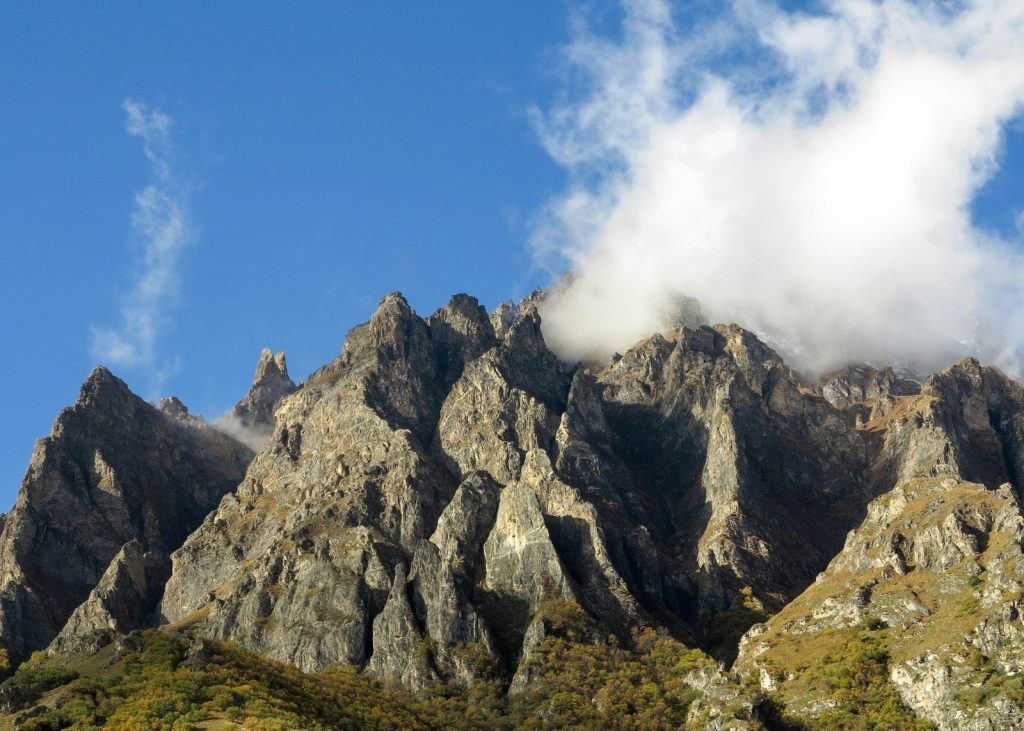
The documented harvest took place in Dolakha, about 185 kilometers east of Kathmandu, in November 2021. Before anyone reached the hive, the group trekked through steep mountain terrain carrying food, ropes, baskets, bamboo sticks, and other tools. Their leader, Devi Bahadur Nepali, was an experienced honey hunter familiar with the route and the work. The approach itself shows how remote cliff harvesting can be. Unlike managed beekeeping beside a road or farm, the honey was located in terrain where every tool and supply had to be carried in by the team.
Bamboo Rope Ladder

The main climber reached the cliff hives using a ladder made from bamboo rope. The Associated Press described the danger plainly: a small slip could send a hunter falling hundreds of feet. The equipment had to support a person who was also managing a basket and a cutting tool while suspended against rock. That combination makes balance and rope handling central to the harvest. The cliff created an obvious potentially fatal hazard, which is why saying bees were “the least dangerous part” should be treated as dramatic wording, not a measured risk ranking.
Cliffside Hives
The wild bee colonies occupied exposed sites on steep rock faces, forcing the hunters to work where ordinary access was impossible. From the ground, teammates could see the hive but could not simply reach it with a ladder from below. The climber had to descend or move along the cliff face until close enough to cut sections of comb. This arrangement protects wild colonies from many ground-based threats, but it also makes harvesting difficult for people. The hive location turns honey collection into a vertical operation requiring ropes, communication, and careful positioning.
Smoke and Bees
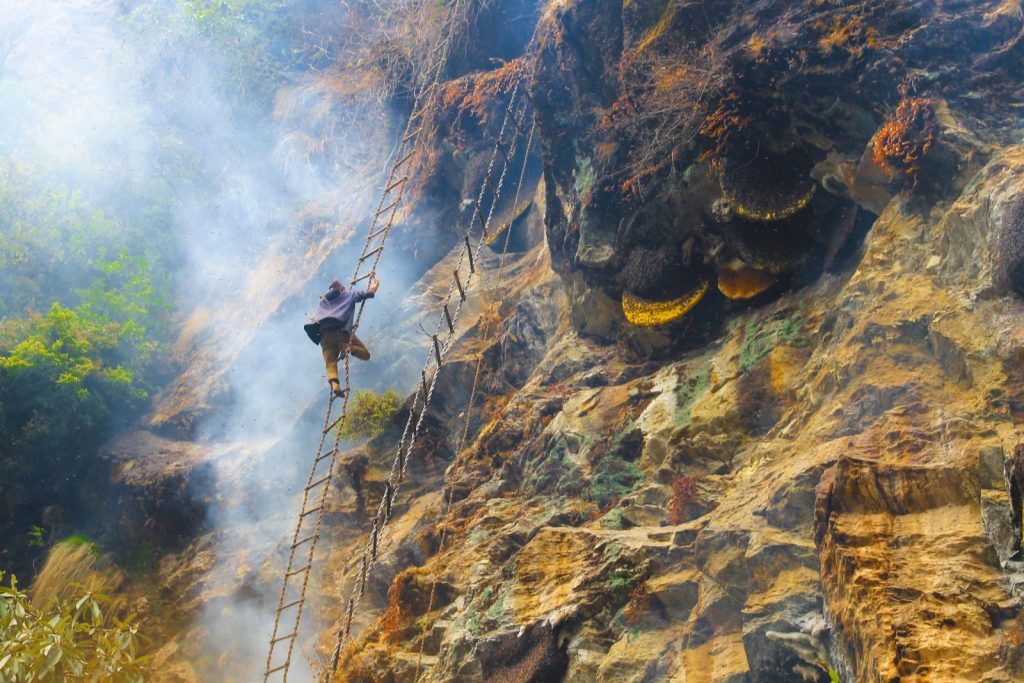
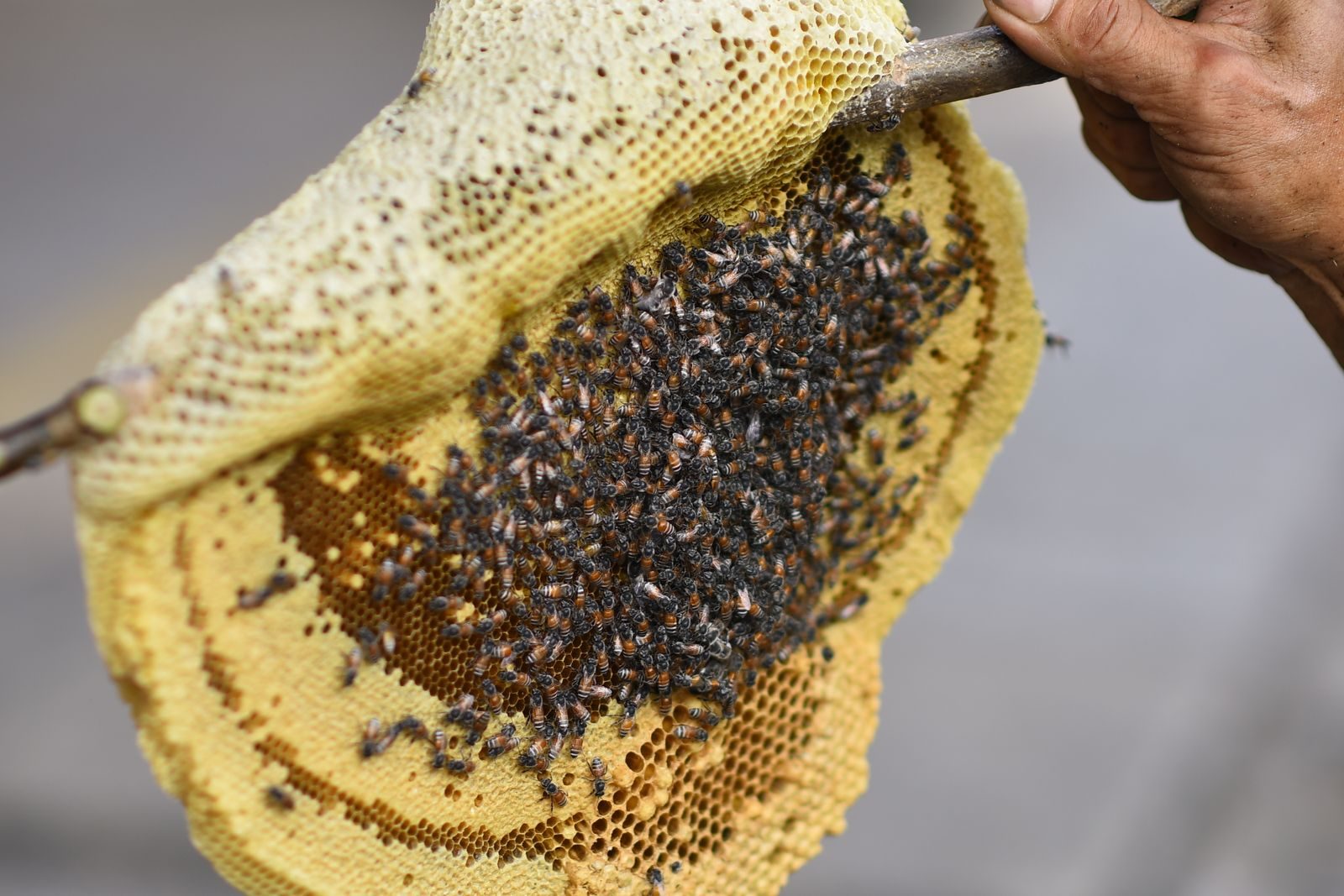
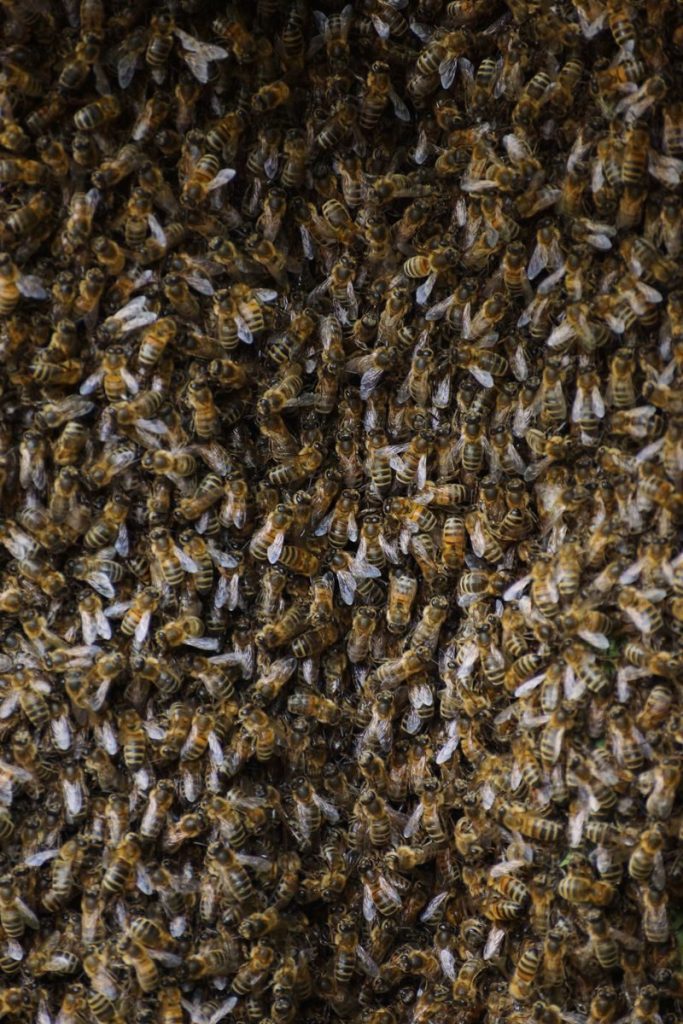
Before the climb, the team piled grass and logs at the base of the cliff and lit a fire so smoke would move toward the hives. Smoke was used to disturb and drive bees away from the immediate work area while the climber approached. It did not make the harvest sting-free. Associated Press photographs and reporting showed thousands of bees surrounding the hunters, particularly around the climber and collection basket. Face nets offered some protection, but exposed hands, feet, and other areas remained vulnerable during the prolonged contact with defensive bees.
Cutting Honeycomb
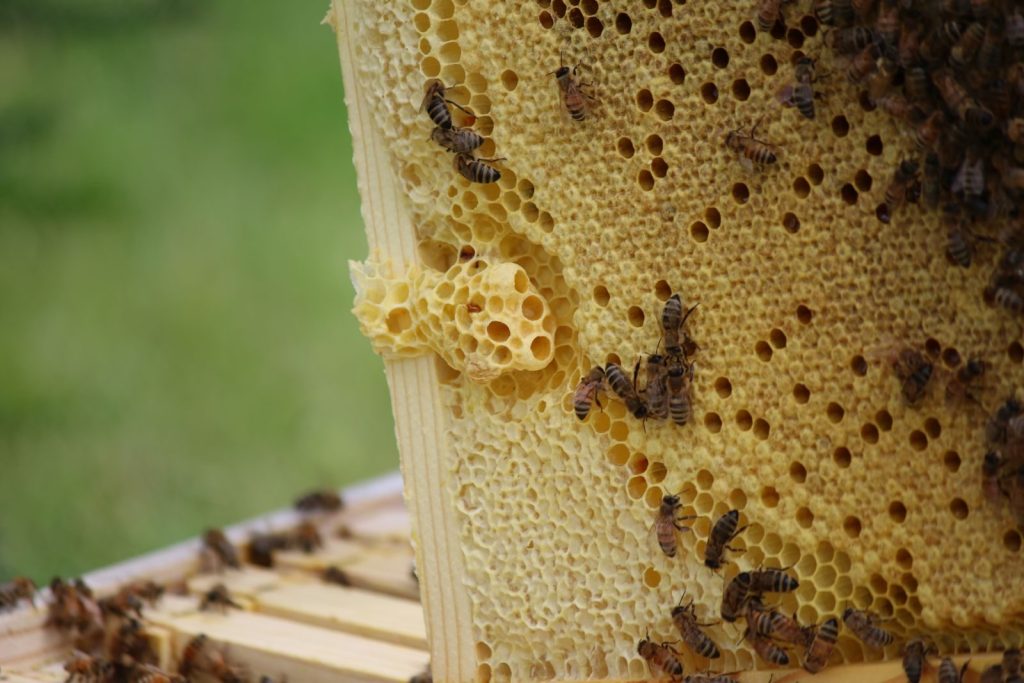
Once positioned near the hive, Nepali used a sharp bamboo stick to cut pieces of comb from the cliff. He had to control the tool while hanging on the rope system and simultaneously guide the falling comb toward a basket. This was a precision task because dropping the harvest would waste the team’s effort, while uncontrolled movement could also threaten the climber’s balance. Photographs from the operation show just how little stable footing was available. Harvesting therefore depended on practiced movements while the climber remained suspended beside the colony rather than standing on a secure platform.
Lowering Honey Baskets

After pieces of hive were caught in the basket, the climber signaled teammates to lower the loaded container using a separate rope. That division of labor allowed the person on the cliff to keep working without carrying the full harvest up or down himself. On the ground, other team members removed bees and prepared the comb for honey extraction. The system depended on communication between people who could be separated vertically by a considerable distance. A mistake with a rope, basket, or signal could affect both the valuable harvest and the safety of the person hanging beside the hive.
Painful Bee Stings

The bees remained a serious hazard even though the cliff created the greatest fall risk. Associated Press reporting described thousands of bees hovering around the hunters and noted that Nepali was stung on his hands, feet, and other parts of his body. His hands later appeared badly swollen. Face nets helped protect the head and eyes, but they did not cover every exposed area. The images make clear that this was not a harmless interaction with a docile colony. The hunters accepted repeated stings while carrying out work that already demanded intense physical concentration.
Wild Honey Harvest
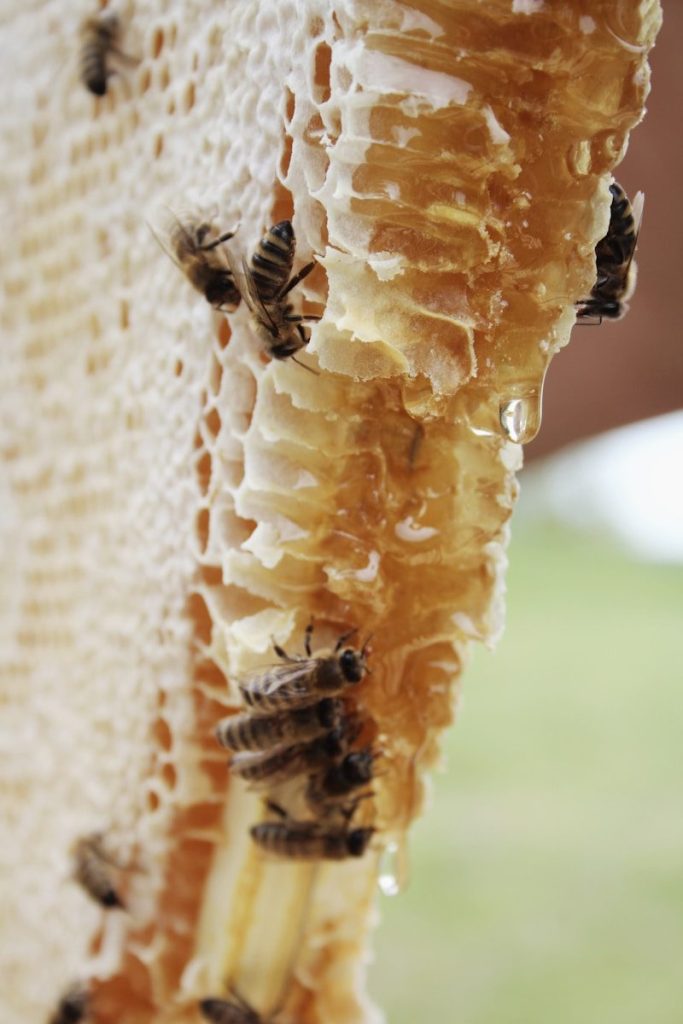
On the documented day, the group collected about 34 liters of honey from the cliff colony. Once the comb reached the ground, team members removed dead bees and squeezed the hive material to extract the honey. The final product was valuable enough to justify a difficult journey and dangerous harvest, but the amount should be understood as the result from that specific 2021 operation, not a guaranteed yield for Nepalese cliff hunting generally. Weather, colony size, flowering conditions, location, and harvesting decisions can all make individual honey hunts very different from one another.
Featured Image: Photo by Sóc Năng Động on Pexels