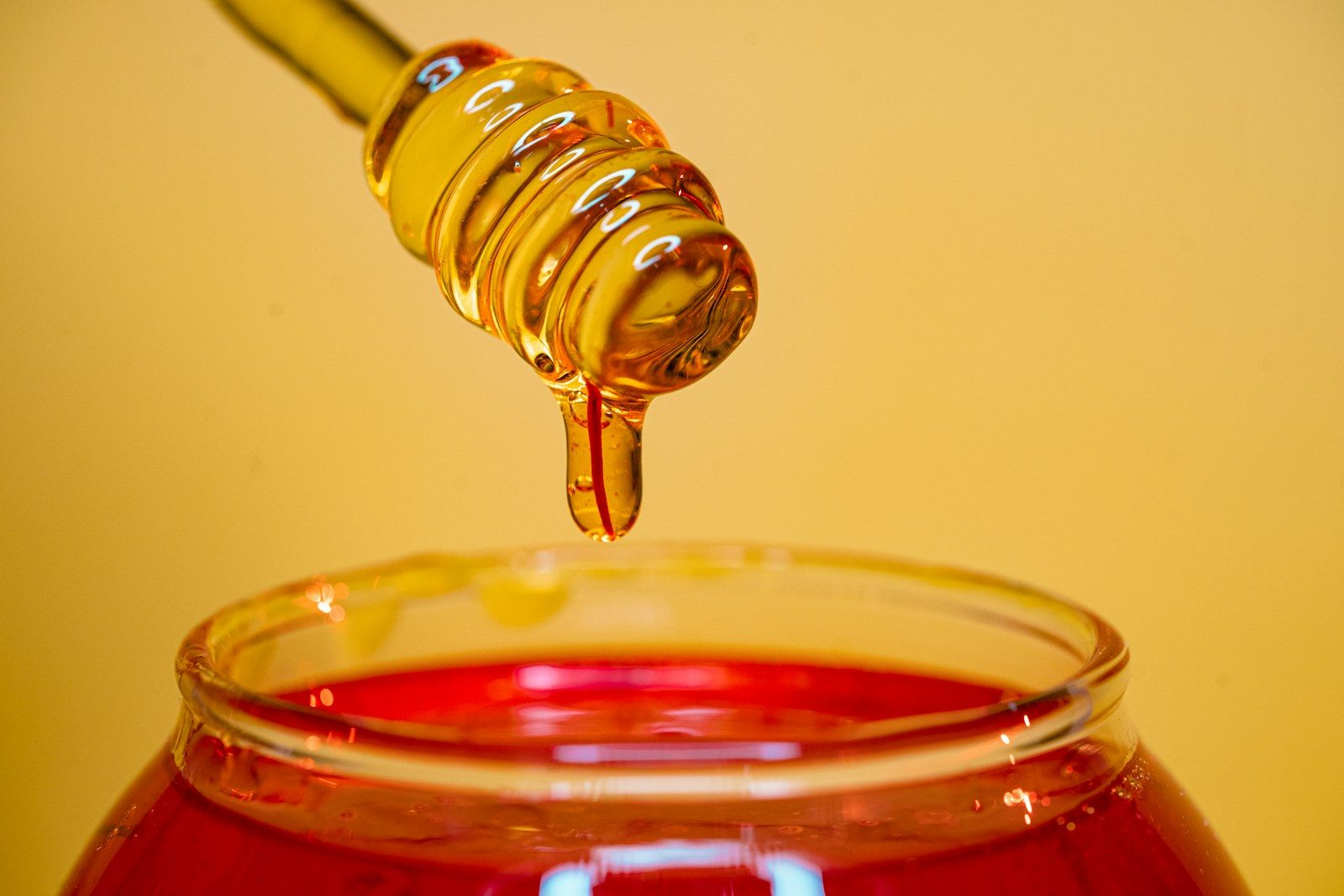
Honey has been used as a natural sweetener and traditional remedy for thousands of years, but modern research is exploring its possible effects on human health. Studies suggest that honey contains antioxidants and plant compounds that may support overall wellness. However, claims about honey causing weight loss or preventing cancer require careful understanding because scientific evidence does not support simple miracle-food explanations.
While honey may offer some health advantages when used appropriately, it is still a source of sugar and calories. Experts emphasize that the amount consumed and a person’s overall diet matter more than any single ingredient. Understanding what honey can and cannot do helps people make informed choices about including it in a balanced lifestyle.
Honey Contains Natural Compounds

Honey is a complex food made mainly of natural sugars, water, and small amounts of vitamins, minerals, enzymes, and plant-based compounds. Many varieties contain antioxidants such as phenolic compounds, which may help protect cells from oxidative stress. The exact nutritional profile depends on the flowers visited by bees and the region where the honey is produced. Although honey has beneficial components, it should still be considered an added sugar when planning daily food intake.
Honey and Weight Management

Some research has explored whether replacing refined sugar with honey could have different effects on body weight and metabolism. Honey may influence hunger, blood sugar responses, and certain hormones differently compared with regular table sugar. However, honey itself does not directly burn fat or guarantee weight loss. Maintaining a healthy weight depends on overall calorie balance, physical activity, sleep, and long-term eating habits rather than adding one specific food.
Replacing Sugar May Matter More

One potential benefit of honey is that it can be used as a substitute for highly processed sweeteners. Because honey has a stronger flavor than refined sugar, some people may use a smaller amount while still achieving sweetness. Reducing excessive added sugar intake is associated with better health outcomes. The key difference is not that honey removes the effects of sugar completely, but that it may be a more natural option when used moderately.
Honey and Cancer Research

Scientists have investigated honey’s antioxidant and anti-inflammatory properties in laboratory studies, including research examining how honey compounds interact with cancer cells. Some studies using cells or animals have shown interesting results, but these findings do not prove that eating honey can prevent or cure cancer in humans. More clinical research is needed before strong conclusions can be made about honey’s role in cancer treatment or prevention.
Laboratory Results Are Not Human Treatments

A common mistake is assuming that results from laboratory experiments automatically apply to people. A substance that affects cancer cells in a controlled experiment may not have the same effect when consumed as food. Human bodies process nutrients differently, and many factors influence disease development. Scientists continue studying honey’s properties, but experts do not recommend replacing medical treatments with honey or other natural products.
Too Much Honey Can Add Extra Calories

Although honey contains natural compounds, it remains high in carbohydrates and calories. Eating large amounts can contribute to excess calorie intake, which may make weight management more difficult. The idea that honey is automatically healthier than all other sweeteners can lead to overconsumption. Nutrition experts generally recommend using honey in small amounts while focusing on a balanced diet rich in vegetables, fruits, whole grains, and protein sources.
Raw Honey Has Limits
Raw honey is often promoted because it contains natural enzymes and compounds that may be reduced during processing. However, raw honey is not a cure-all food, and it still contains significant amounts of sugar. Additionally, honey should never be given to infants under one year old because of the risk of infant botulism. Choosing quality honey and using it responsibly is more important than relying on exaggerated health claims.
Honey’s Real Health Potential

Honey can be part of a healthy diet when consumed thoughtfully. Research supports some possible benefits related to antioxidants, soothing cough symptoms, and replacing refined sweeteners. However, its effects are best understood as part of overall nutrition rather than a solution for weight loss or serious diseases. A balanced lifestyle remains the strongest foundation for maintaining health and reducing disease risks.
The Smart Way to Enjoy Honey

Honey can add flavor and natural sweetness to foods, but moderation is the most important factor. Using a small amount in place of refined sugar may be a reasonable choice for many people, but expecting honey to create dramatic health changes can lead to misunderstanding. Science continues to explore honey’s properties, yet the strongest evidence still supports balanced eating patterns, regular activity, and healthy habits as the keys to long-term wellness.
Featured Image: Photo by Benyamin Bohlouli on Unsplash