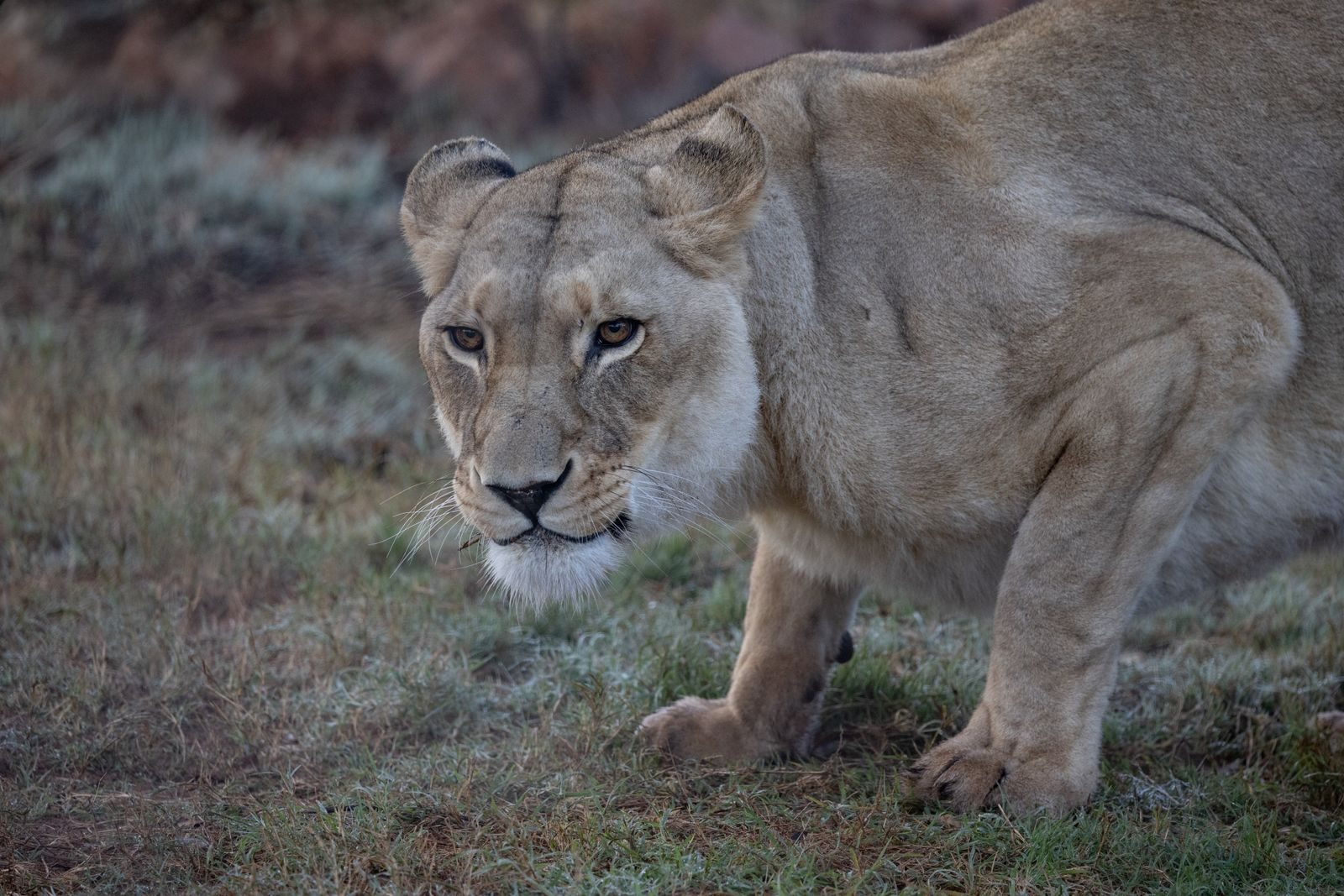
Calling any predator a perfect killing machine overstates what happens in nature, but African lionesses do show remarkable coordination during some hunts. A classic field study in Namibia analyzed 486 coordinated group hunts and found recurring positions within hunting formations. Some lionesses moved around the sides of prey, while others waited nearer the center. The pattern improved opportunities for cooperation without turning every hunt into a rigid or guaranteed sequence.
The research is especially useful because it describes repeated behavior from identified animals rather than a single dramatic video. Individual lionesses often favored particular positions, yet they could adjust when group composition or prey behavior changed. Other studies also show that participation varies and some lions contribute less than others. Group hunting can improve success, particularly with difficult prey, but it still involves failed attacks, changing roles and constant responses to what the prey does next.
Lionesses Use Different Positions

Peter Stander’s 1992 study followed individually identified lions on the open plains of Etosha National Park in Namibia. Researchers analyzed 486 coordinated group hunts and found that many formed a recognizable pattern. Some lionesses occupied positions described as wings, while others acted as centers. These labels describe where animals moved relative to prey, not a consciously planned military formation. Even so, the repeated structure showed that group hunting involved more than several cats simply chasing the same animal at the same time.
Wing Hunters Move Around Prey

Wing lionesses generally took the more mobile role. In Stander’s observations, they circled prey, covered longer stalking distances and frequently initiated the final attack. Their movement could force prey to change direction, creating opportunities for companions positioned elsewhere. Individual lionesses often returned to similar preferred roles across multiple hunts. That consistency suggests experience and personal hunting tendencies helped shape the group pattern. However, the study also found flexibility, with animals adjusting their behavior when the available partners or prey response changed.
Center Hunters Wait for Movement

Center lionesses often moved much shorter distances during the stalk. Instead of circling widely, they waited in positions where prey disturbed by another hunter might run. Stander found that these lions frequently captured animals fleeing from wing hunters. The cooperation therefore came partly from combining different movements. One lioness created pressure while another occupied a likely escape path. This does not require human style planning or spoken instructions. Repeated positioning, attention to companions and responses to prey movement can produce coordinated results.
Not Every Lion Works Equally

Not every communal hunt involves equal effort from every lion. A separate study by David Scheel and Craig Packer examined 64 group hunts and found substantial differences in individual participation. Some lions actively pursued prey, while others sometimes refrained. Refraining was more common when prey such as warthogs appeared easier to capture and less common during hunts of zebra and buffalo. That result shows that lion cooperation is flexible. Group hunting does not mean every participant performs the same task or contributes equally each time.
Group Size Can Improve Success

Group size can improve hunting success under some conditions, especially when lions tackle large or difficult prey. Research from Etosha found that success increased as hunting groups became larger for several important prey species. Other lion studies have not always found the same pattern, which shows that habitat and prey matter. A large group can surround or redirect animals more effectively, but more hunters also means more mouths at the carcass. Cooperation therefore has benefits and costs rather than one simple advantage in every situation.
Terrain Changes the Strategy

Terrain can change how useful coordinated positions are. On open plains, prey may see approaching lions earlier, making a close solitary stalk difficult. Multiple hunters can partly compensate by approaching from different directions and reducing easy escape routes. Dense vegetation can create a different problem because cover may allow one lion to get much closer before attacking. The Etosha formation should therefore not be treated as a universal script followed by every pride. Lions adjust hunting tactics to visibility, prey, group size and local conditions.
Lion Hunts Still Fail

Even coordinated lionesses fail often enough that the phrase perfect killing machine is misleading. Prey can detect the stalk, change direction unexpectedly, outrun an attacker or defend itself with horns and hooves. A failed chase also costs energy, and serious injuries can threaten a predator’s ability to hunt later. This is why lions depend on timing, concealment and opportunity instead of attacking constantly. Cooperative positioning can improve the chances of success, but it never removes uncertainty from a dangerous encounter with large wild prey.
Teamwork Is the Real Advantage

The real advantage of lion formation hunting is flexibility combined with repeated social coordination. Some lionesses circle, others wait, individuals can favor certain roles, and the group reacts as prey begins to move. Scientific studies show that these patterns can raise hunting success in particular environments while still allowing unequal participation and frequent failure. That makes the behavior more interesting than calling lions flawless predators. Their strength comes from combining individual decisions in ways that sometimes create an opportunity no single hunter could have produced alone.
Fetured Image: Photo by Magda Ehlers on Pexels