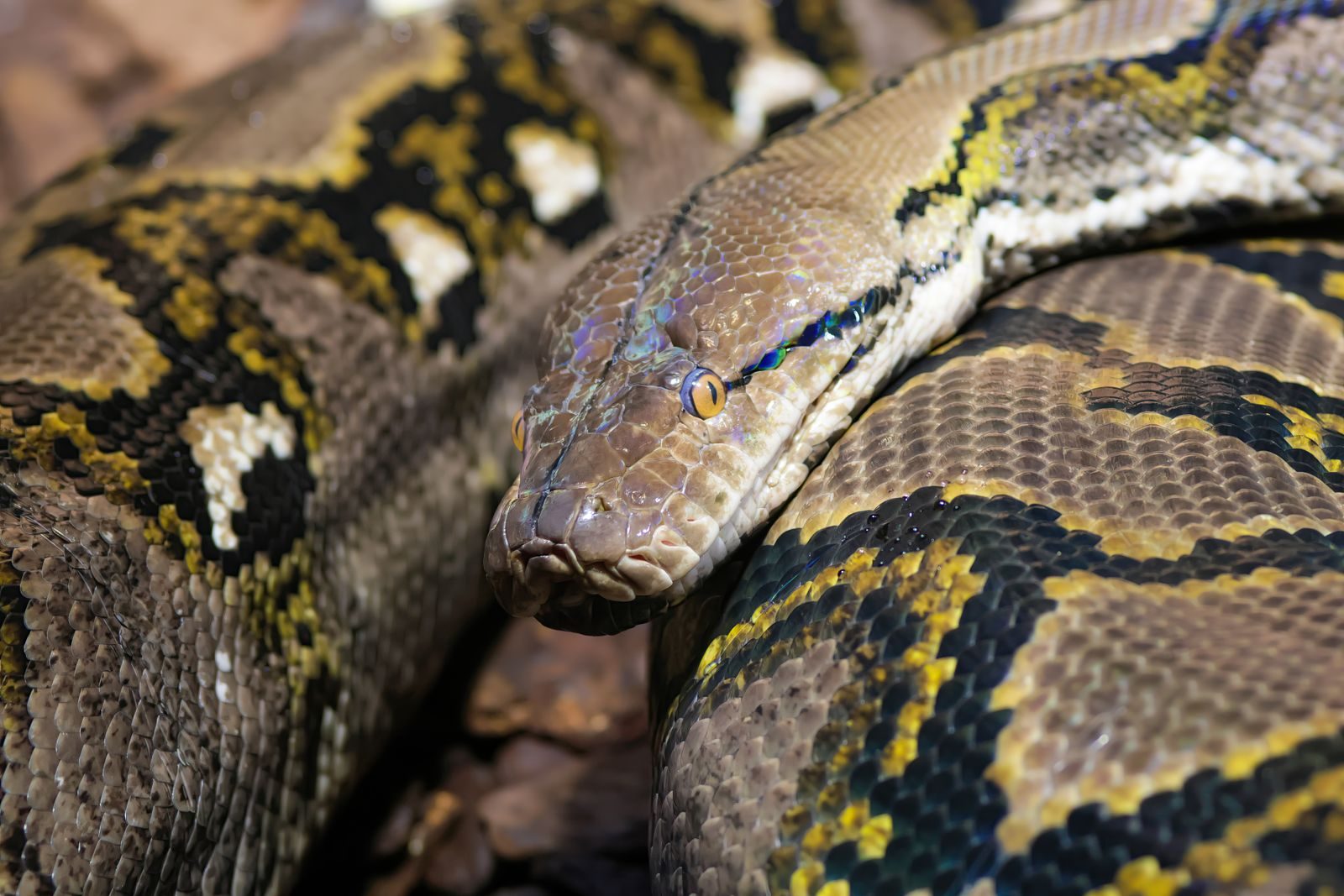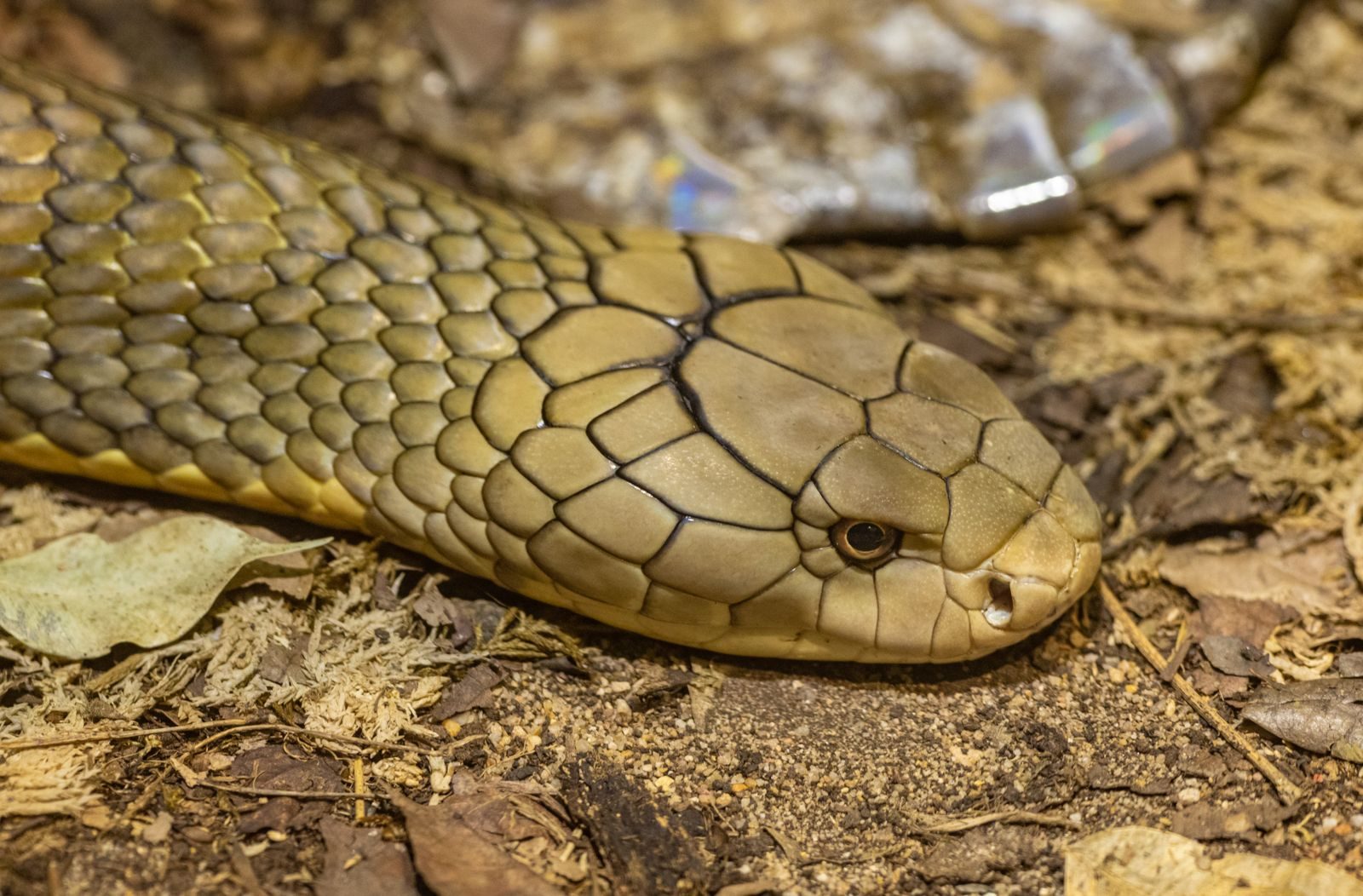
In February 2026, Lagos veterinarian and wildlife conservationist Dr. Mark Ofua discussed four clues that could suggest a snake is hiding inside a home. His examples included unusual droppings, rustling around storage areas, distressed prey animals, and noises from ceilings where snakes may follow rodents. None of these signs proves by itself that a snake is present.
That distinction is important because many ordinary household pests can produce similar clues. A rat can rustle inside a cupboard, droppings can be misidentified, and ceiling noises may come from rodents or birds. The safest approach is not to search blindly with bare hands. Reduce food and rodent attractants, block entry points, and contact an experienced wildlife professional when evidence suggests a snake may actually be indoors.
Unusual Droppings

Ofua identified unfamiliar feces as one possible clue. Snake droppings can differ from mammal droppings, but appearance varies with species, size, diet, and how long the material has been present. Homeowners should therefore avoid deciding that every strange dropping came from a snake. Lizards, rodents, birds, and other animals may leave confusing evidence. If droppings repeatedly appear in an enclosed area and cannot be identified safely, photographs can help a qualified pest or wildlife professional determine what kind of animal may be using the space.
Storage Rustling
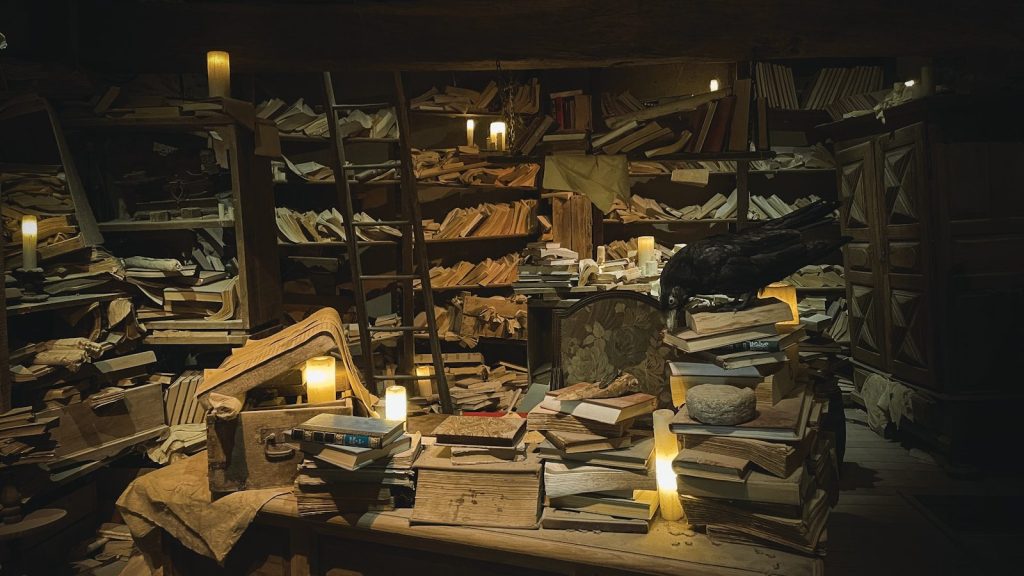
Rustling from cupboards, boxes, storerooms, or other quiet spaces was another clue Ofua mentioned. Snakes often seek sheltered locations where they can remain concealed, particularly if prey animals are nearby. Yet rustling is highly nonspecific. Rodents, geckos, insects, and loose objects can make similar sounds. Never reach blindly behind stored items after hearing movement. Use good lighting, keep a clear exit route, and let a trained handler investigate when a snake is genuinely suspected, especially in regions containing medically important venomous species.
Prey Distress

Ofua also suggested listening for unusual squealing from rats or frogs because a snake capturing prey may cause brief distress sounds. This is plausible as an observation, but it remains indirect evidence. Hearing a rodent squeal does not tell you what attacked it, and many interactions between rodents can create similar noises. The more useful lesson is ecological: homes supporting abundant rodents can also attract predators. Controlling food waste, securing pet food, reducing clutter, and limiting rodent access may make a property less attractive to snakes searching for prey.
Ceiling Noise

Movement in ceilings or roof spaces was the fourth clue highlighted in the interview. Ofua described snakes potentially entering such areas while pursuing rats. Again, the sound alone cannot identify the animal. Roof rats, mice, squirrels, birds, and building materials can all produce nighttime noises. Because enclosed roof spaces provide poor visibility, climbing inside to investigate can create unnecessary risk. A wildlife professional can inspect access points, identify tracks or droppings, and determine whether the problem is actually a snake or a more common household animal.
Rodent Activity

Rodent control is one of the most useful ways to reduce the chance of snakes lingering around a property. Utah State University Extension advises managing conditions that support rodents and other prey around homes. Spilled birdseed, unsecured garbage, pet food, dense vegetation, and clutter can provide food or shelter for small mammals. Where rodents concentrate, predators may follow. Removing the underlying food source is therefore often more effective than repeatedly removing individual snakes without addressing why the site attracted wildlife in the first place.
Entry Points

Snakes can exploit small gaps around doors, foundations, utility lines, vents, damaged screens, and other openings, particularly when searching for shelter or prey. Prevention should focus on repairing accessible gaps and maintaining the building rather than scattering unproven repellents around the property. Before sealing a suspected access point, make sure an animal is not already trapped inside. A professional inspection is especially useful when repeated sightings occur because the same structural weaknesses may also be allowing rodents and other unwanted wildlife indoors.
Safe Response

If you actually see a snake indoors, do not try to grab, corner, or kill it with your hands. Utah State University Extension advises keeping distance from snakes and avoiding actions that force them to defend themselves. If possible, keep people and pets away, close interior doors without approaching the snake closely, and contact local animal control or an experienced wildlife remover. Species identification should come from a safe photograph or professional observation, not from moving close enough to examine the animal’s head or markings.
Four Clues
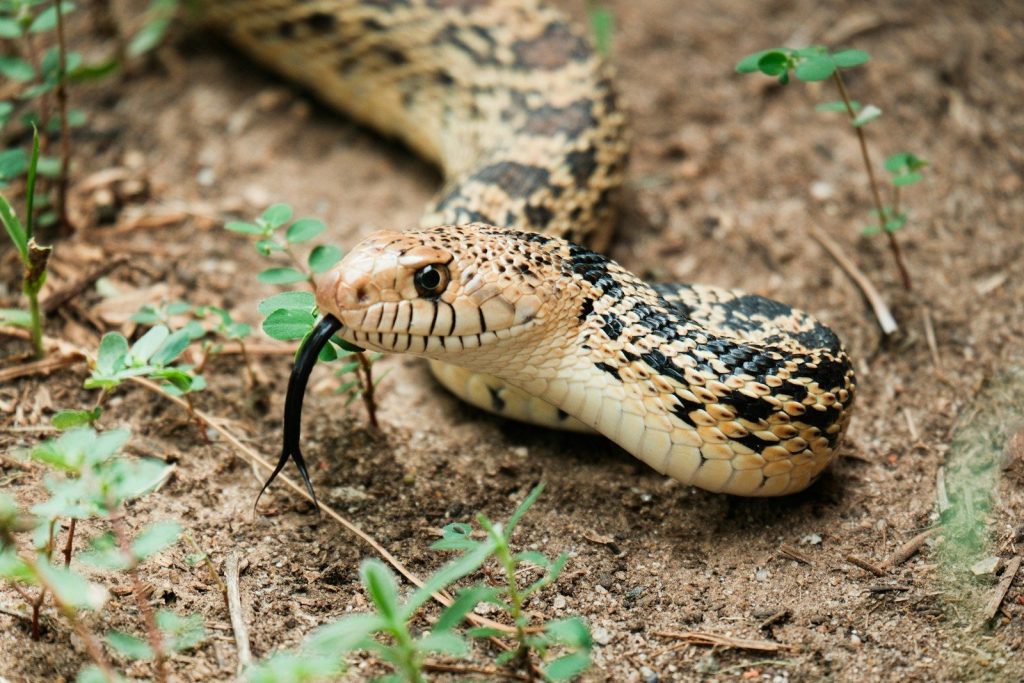
The four reported clues are best treated as reasons to investigate, not as a home snake-detection test. Droppings, rustling, distressed prey noises, and ceiling movement can all have other explanations. Several clues appearing together in a region where snakes commonly enter buildings makes professional inspection more reasonable. The article’s strongest practical message is prevention: reduce rodents, remove clutter, repair openings, and avoid direct handling. Those steps address real household wildlife risks without turning every mysterious nighttime sound into evidence of a hidden snake.
Featured Image: Photo by Petr Ganaj on Pexels