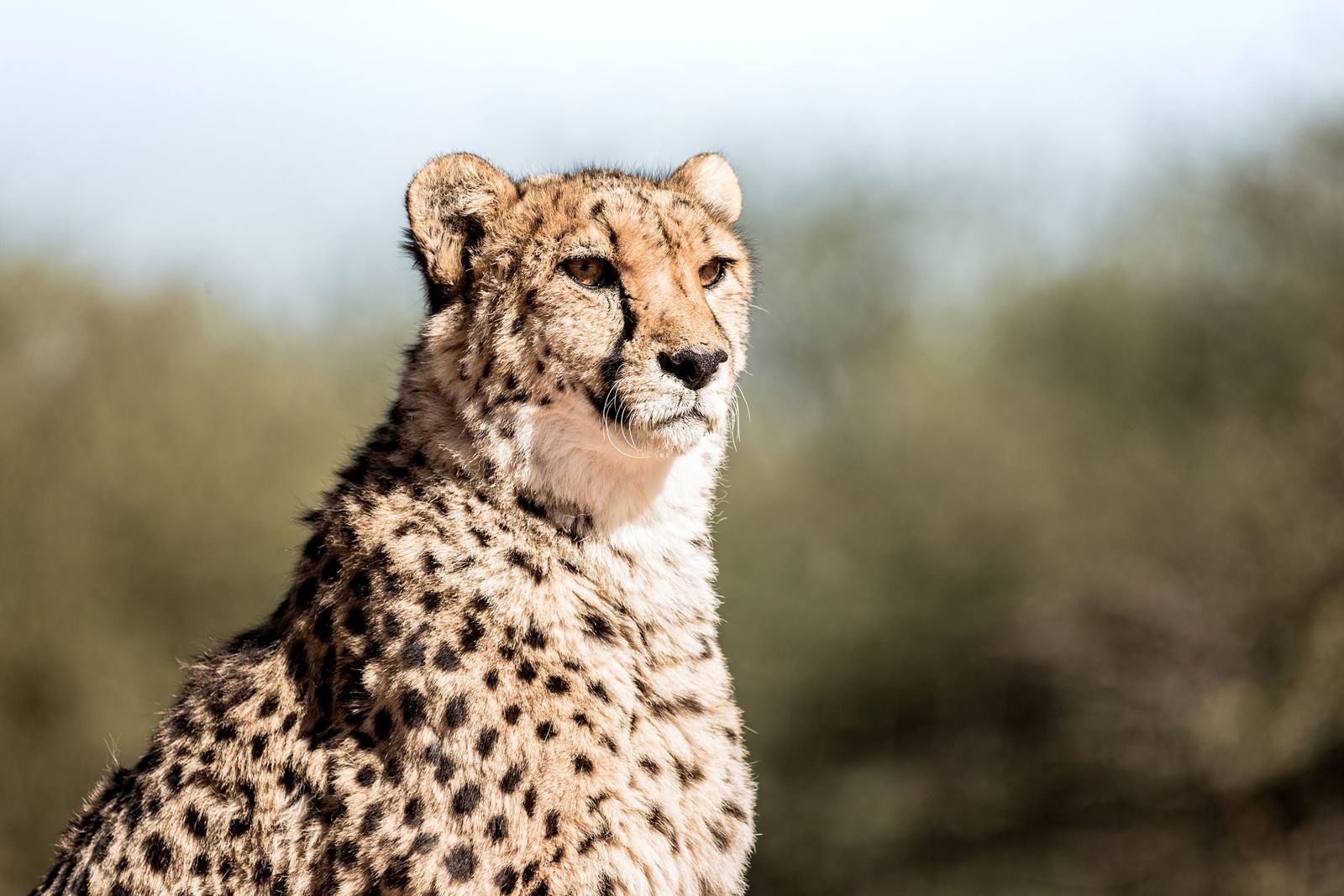
The Asiatic cheetah now survives only in Iran, where fewer than 30 wild individuals are estimated to remain. Once spread across western and southern Asia, the subspecies has been reduced by prey loss, habitat fragmentation, road deaths and a very small breeding population. In 2026, armed conflict added another problem by disrupting conservation work, communications and field monitoring in landscapes where every known animal can matter to the population’s future.
There was also an important sign of hope before the latest disruption. A female named Helia was filmed in North Khorasan with five cubs, the largest litter documented for the remaining population. Iranian conservation officials reported 27 individually identified wild cheetahs at the time. That does not amount to a secure recovery, but it shows that reproduction is still occurring in a population that remains critically endangered and genetically vulnerable.
Iran Holds the Last Population

The Asiatic cheetah once ranged from the Arabian Peninsula through Iran and into India, but the IUCN Cat Specialist Group says Iran now holds the only surviving population. The subspecies occupies very low densities across vast arid and semi arid landscapes. That creates a difficult conservation problem because a single cheetah may move across protected areas, roads, grazing land and other human dominated spaces. Protecting isolated reserves alone cannot secure an animal that depends on movement across a much larger landscape.
Five Cubs Brought Rare Hope
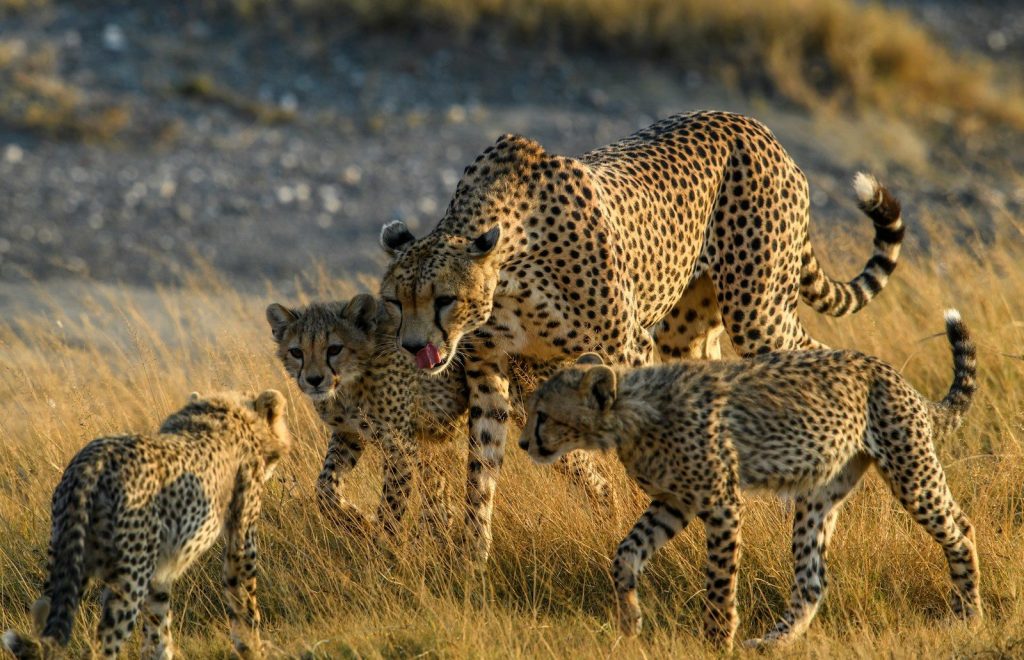
In early 2026, camera footage showed Helia with five cubs in North Khorasan province. Mongabay reported that no litter larger than four had previously been documented for Iran’s remaining Asiatic cheetahs. The sighting is encouraging because successful breeding is essential when adult numbers are so low. However, cub sightings are not the same as adult recruitment. Researchers still need repeated monitoring to learn how many youngsters survive, disperse safely and eventually contribute to the next generation of breeding cheetahs.
War Is Disrupting Conservation

Conflict in Iran has complicated conservation at a sensitive moment. Mongabay reported in 2026 that internet restrictions, funding limits, security concerns and reduced field activity were disrupting work by conservation groups. The isolation of Iranian wildlife researchers was still being reported in July. Remote habitats may sometimes experience less human activity during instability, but that cannot replace regular protection. Rangers, camera traps, communications and coordinated monitoring are needed to track cheetahs and respond when animals enter dangerous areas.
Roads Remain a Major Threat

Roads remain one of the most direct human threats to the subspecies. Research on recorded cheetah deaths in Iran has identified vehicle collisions as an important cause of mortality, alongside illegal killing and conflict with people. This risk is especially serious because cheetahs travel long distances between feeding, breeding and resting areas. Road planning, warning systems, speed management and wildlife crossing measures can therefore save more than individual animals. In a population this small, preventing even a few avoidable deaths can influence long term survival.
Healthy Prey Is Essential
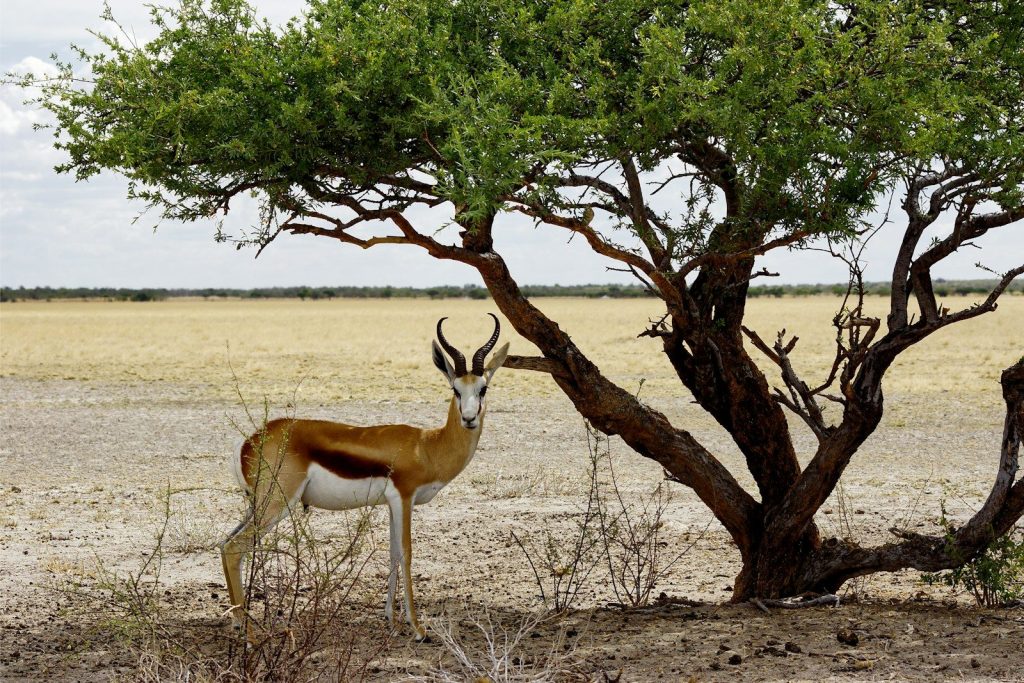
A cheetah cannot survive without enough wild prey. Research in the Turan Biosphere Reserve identified urial, goitered gazelle, jebeer gazelle, wild goat and Cape hare as important prey in remaining cheetah habitat. The same study found that suitable prey areas are fragmented and affected by roads, corrals, livestock grazing and water availability. Conservation therefore has to protect entire food webs. Maintaining healthy prey populations and connected habitat gives cheetahs a better chance to feed naturally and move between important parts of their range.
Low Genetic Diversity Adds Risk

Genetics adds another danger that is less visible than a highway or poacher. Genomic research has found high inbreeding in the Asiatic cheetah and very low genetic diversity compared with many other big cats. When only a few related animals reproduce, harmful genetic effects can become harder to avoid. That is why conservationists pay close attention to breeding females, dispersal and connections between remaining groups. Keeping animals alive is essential, but maintaining opportunities for genetically useful breeding is also part of preventing extinction.
Camera Traps Track Individuals
Camera traps are especially valuable for a cat that is both rare and difficult to observe directly. Individual cheetahs can be recognized from their spot patterns, allowing researchers to build identification records and follow changes in the population. Repeated photographs can confirm births, survival, movement and the presence of breeding females without routinely approaching the animals. When field access or communications are disrupted, those monitoring gaps matter because conservation teams lose the detailed information needed to decide where protection, patrols and road measures are most urgent.
Survival Still Hangs in the Balance

The five cubs seen with Helia offer a reason for cautious hope, not a reason to declare the Asiatic cheetah safe. The population remains critically endangered, restricted to Iran and exposed to several threats at once. Its best chance depends on protecting breeding females, reducing road deaths, conserving prey, maintaining habitat connections and keeping field monitoring active. War makes those tasks harder, but the biological priorities have not changed. With fewer than 30 estimated in the wild, every successful breeding season remains unusually important.
Featured Image: Photo by Bruno Almeida on Pexels